
When several electrical outlets in your home suddenly stop working, it can feel confusing and even a little worrying. Most people expect their outlets to work every time, so when they don’t, it’s easy to panic. But before you call an electrician, there are steps you can take to find the cause and fix it, or at least understand what’s wrong. Knowing how to troubleshoot multiple electrical outlets not working can save time, money, and prevent bigger electrical problems in the future.
This article will help you understand why several outlets might stop working at once, how to check for common issues, and what to do next. You’ll find practical advice, real examples, and important safety tips. Even if you’re not an expert, you’ll feel confident about the basics of electrical troubleshooting.
How Electrical Outlets Work
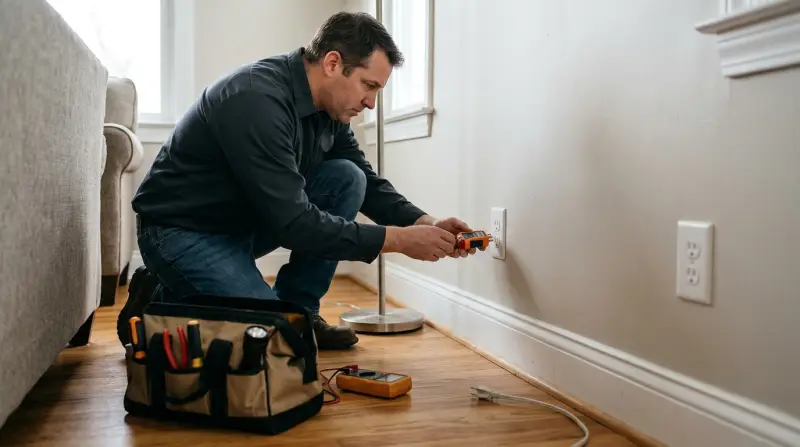
Electrical outlets are simple on the outside, but inside they connect to a network of wires that supply power throughout your home. Each outlet pulls power from a circuit, which is a loop of wires starting and ending at your electrical panel. A circuit can have just one outlet, but in most homes, several outlets are joined together on the same circuit.
When you plug in a device, electricity flows from the outlet, through the device, and back to the panel. If something interrupts this flow—like a break in a wire or a tripped breaker—all outlets on that circuit can stop working.
Parts Of An Outlet Circuit
- Outlet (Receptacle): Where you plug in devices.
- Wiring: Carries electricity between outlets and the panel.
- Circuit Breaker: Protects the circuit from overload.
- Electrical Panel: The main hub for all circuits.
- GFCI Outlet: Protects against electrical shock; often found in kitchens and bathrooms.
Understanding these parts helps when checking why outlets stopped working.
Common Reasons Multiple Outlets Stop Working
When more than one outlet fails, it usually means a problem with the circuit, not the outlets themselves. Here are the most common causes:
- Tripped Circuit Breaker: The breaker shuts off to protect the circuit.
- Blown Fuse: Some older homes use fuses instead of breakers.
- Tripped GFCI Outlet: GFCI outlets protect against shock; if one trips, it can shut off power to other outlets.
- Loose Wiring: Connections inside outlets or junction boxes can loosen over time.
- Faulty Outlet: One bad outlet can affect others in the same circuit.
- Overloaded Circuit: Too many devices cause the circuit to shut off.
- Damaged Wiring: Physical damage or age can break wires.
- Burned or Melted Outlet: Can cause power loss and safety hazards.
- Switch-Controlled Outlets: Sometimes outlets are controlled by wall switches.
- Breaker Panel Issues: Problems inside the panel itself.
Real-world Example
A homeowner plugs a space heater into one outlet, then notices other outlets nearby stop working. After checking, they find the circuit breaker has tripped. This is a classic sign of overload or a tripped breaker.

Safety First: What Not To Do
Before you start troubleshooting, remember that electricity can be dangerous. Here are important safety tips:
- Never touch wires or outlets with wet hands.
- Turn off power at the panel before opening outlets.
- Don’t use metal tools unless you know what you’re doing.
- If you see smoke, smell burning, or find melted outlets, call an electrician immediately.
Most troubleshooting steps are safe, but if you feel unsure, it’s better to get professional help.
Step-by-step Troubleshooting Guide
If you want to find out why your outlets stopped working, here’s a simple guide.
Check Other Outlets And Devices
Plug a lamp or phone charger into the outlets that aren’t working. If none of them power your device, it’s likely a circuit problem.
Look For Gfci Outlets
GFCI outlets have “test” and “reset” buttons. They’re usually in kitchens, bathrooms, garages, and outside. If a GFCI trips, it can shut off several outlets—even ones far away.
- Press the reset button.
- If power returns, the GFCI was the problem.
Some GFCIs control other outlets, so always check nearby rooms.
Inspect Circuit Breakers
Go to your electrical panel. Breakers should be ON. If one is in the middle or OFF, it’s tripped.
- Flip the breaker fully OFF, then back ON.
- If it trips again, there’s a problem in the circuit.
Older panels may use fuses instead. If you see a glass or ceramic fuse, check if it looks burned or blackened.
Find Burned Or Melted Outlets
Look at the outlets. Are they discolored, melted, or smell like burning plastic? If yes, stop and call an electrician. These signs mean a serious electrical hazard.
Check For Loose Connections
If you’re comfortable, turn off the power at the panel. Remove the outlet cover and gently check the wires. Loose wires can cause outlets to stop working.
- Tighten connections if you know how.
- If wires are old, frayed, or broken, call a professional.
Test For Overload
Think about what you plugged in before the outlets stopped working. Space heaters, microwaves, hair dryers, and air conditioners use a lot of power. Too many devices on one circuit can trip the breaker.
Look For Switch-controlled Outlets
Some outlets only work when a wall switch is ON. Try flipping nearby switches. This is common in living rooms and bedrooms.
Comparison: Circuit Breaker Vs Gfci Issues
To help you spot the difference, here’s a simple comparison:
| Feature | Circuit Breaker | GFCI Outlet |
|---|---|---|
| Location | Electrical panel | Wall outlets (kitchen, bathroom) |
| Purpose | Protects against overload/fire | Protects against shock |
| How to Reset | Flip switch | Press reset button |
| Number of Outlets Affected | All outlets on circuit | Outlets downstream from GFCI |
| Common Signs | No power, breaker moved | No power, reset button popped out |
When To Call An Electrician
Some problems are simple, but others need expert help. Here’s when to call a professional:
- Outlets are burned, melted, or smell bad.
- Breaker keeps tripping even when nothing is plugged in.
- You find loose, damaged, or old wiring.
- You don’t feel safe opening outlets or panels.
- You’re not sure how to fix the problem.
Electricians have tools and experience to solve complex issues and keep your home safe.
Hidden Reasons Outlets Stop Working
Most people check breakers and GFCIs, but sometimes the issue is less obvious. Here are two insights beginners often miss:
- Backstabbed Connections: Some outlets use a push-in wire connection called “backstabbing.” These are less reliable than screw terminals and can loosen over time, causing power loss across multiple outlets.
- Shared Neutral Wire Problems: In some homes, circuits share a neutral wire. If this wire disconnects, all outlets on that circuit lose power—even though the breaker stays ON.
These issues require professional testing and repair.
How Overloaded Circuits Cause Problems
An overloaded circuit happens when too many devices are plugged in at once. Each circuit is rated for a certain amperage (usually 15 or 20 amps). If the total current goes over this limit, the breaker trips.
Here’s a data table showing typical power usage:
| Device | Average Wattage | Amps (at 120V) |
|---|---|---|
| Space Heater | 1500W | 12.5A |
| Microwave | 1200W | 10A |
| Hair Dryer | 1000W | 8.3A |
| TV | 200W | 1.7A |
| Lamp | 60W | 0.5A |
A circuit rated for 15 amps will trip if you run a space heater and microwave at the same time. If you keep adding devices, the breaker will trip more often.

Signs Of Electrical Problems Beyond Outlets
Outlets stopping can signal bigger issues. Watch for these signs:
- Flickering lights in other rooms.
- Buzzing or crackling noises from outlets or panel.
- Outlets that feel hot to touch.
- Sudden loss of power in large areas.
- Devices work only sometimes.
These can mean problems with wiring, the panel, or even the power supply to your home.
Preventing Outlet Problems
You can reduce the risk of outlets failing with simple habits:
- Don’t plug too many devices into one outlet.
- Use surge protectors for expensive electronics.
- Check outlets and cords for damage regularly.
- Upgrade old wiring if your home is more than 40 years old.
- Ask an electrician to inspect your panel every few years.
Sometimes, prevention is the best way to avoid costly repairs.
Why Diy Repairs Can Be Risky
Many people try to fix electrical issues themselves. While resetting a breaker or GFCI is safe, deeper repairs can be dangerous.
Risks Of Diy Electrical Work
- Electric shock: Even low voltage can be deadly.
- Fire hazard: Wrong repairs can cause overheating.
- Code violations: Bad repairs can affect insurance or resale.
- Hidden faults: Mistakes may not show up until later.
If you’re unsure, don’t risk your safety. Licensed electricians understand local codes and have proper tools.
How Electricians Diagnose Outlet Problems
Electricians use tools and experience to find faults quickly. Here’s how they usually proceed:
- Voltage Tester: Checks for live power at outlets.
- Circuit Tracer: Follows wires to find breaks or disconnects.
- Outlet Analyzer: Tests wiring and grounding.
- Thermal Camera: Finds hot spots in outlets or wires.
- Panel Inspection: Checks for loose breakers or connections.
Professionals can fix problems faster and safer than most homeowners.
Understanding Electrical Panels
Your electrical panel is the heart of your home’s system. It controls all circuits and protects against overloads.
Panel Types
| Type | Features | Common Age |
|---|---|---|
| Fuse Panel | Uses replaceable fuses | Before 1960s |
| Breaker Panel | Uses resettable breakers | 1960s–present |
| Smart Panel | Remote monitoring, automation | 2010s–present |
Older panels may not meet modern safety standards. If your panel is old, consider upgrading.
Gfci Outlets: More Than Just Bathrooms
GFCI outlets are important for safety. They protect against shock by shutting off power if they detect a ground fault.
Where Gfcis Are Required
- Bathrooms
- Kitchens (near sinks)
- Garages
- Outdoor outlets
- Laundry rooms
- Basements
If you lose power in several outlets, always check GFCI outlets first—even in rooms you may not expect.
What If Only Some Outlets Stop Working?
Sometimes, only a few outlets fail. This means the problem is local, not the whole circuit.
- One outlet: Likely a loose wire or faulty outlet.
- Two or three together: They may be wired in series; one failed outlet can break the chain.
- Rest work: The circuit is fine; check the connections.
If you find one bad outlet, fix or replace it to restore power to others.
Common Mistakes In Troubleshooting
Beginner mistakes can make things worse. Avoid these errors:
- Ignoring GFCI outlets: Always check them first.
- Not fully resetting breakers: Flip them OFF, then ON.
- Assuming all outlets are on the same circuit: Rooms can have multiple circuits.
- Forgetting wall switches: Some outlets only work when switches are ON.
- Using the wrong tools: Always use insulated tools.
Careful troubleshooting prevents damage and saves time.
The Importance Of Proper Grounding
Outlets need a ground wire for safety. Improper grounding can cause shocks, device damage, and even fire.
- Grounded outlets have three holes.
- Old homes may have two-hole outlets; consider upgrading.
If you find outlets without grounding, ask an electrician about rewiring.
How Weather And Environment Affect Outlets
Humidity, flooding, and pests can damage wiring and outlets. Basements, garages, and outdoor outlets are most at risk.
- Moisture can trip GFCIs or cause corrosion.
- Rodents can chew wires, causing power loss.
- Extreme temperatures can affect connections.
Regular inspection helps prevent these problems.
Signs You Need An Electrical Upgrade
If you experience frequent outlet failures, your home may need an upgrade.
- Old panels with fuses.
- Outlets with no grounding.
- Frequent tripped breakers.
- Adding new appliances or devices.
Modern homes need more power and safer wiring. Upgrading increases safety and home value.
Cost Of Fixing Outlet Problems
Repair costs depend on the issue:
- Resetting a breaker or GFCI: Free.
- Replacing an outlet: $50–$150.
- Repairing wiring: $150–$500.
- Panel upgrade: $1000–$3000.
Prices vary by location and complexity. It’s often cheaper to fix simple problems yourself, but for wiring or panel issues, hire a pro.
How To Choose A Good Electrician
When you need help, picking the right electrician matters. Here’s what to look for:
- Licensed and insured.
- Good reviews or recommendations.
- Clear pricing and guarantees.
- Experience with homes like yours.
- Prompt and professional service.
You can find trusted electricians through local directories, or sites like HomeAdvisor.
Frequently Asked Questions
Why Did All My Outlets Stop Working At Once?
If all outlets in one area stop working, it’s usually a tripped breaker, GFCI, or a wiring issue. Check your electrical panel and GFCI outlets first.
Can A Single Bad Outlet Cause Others To Fail?
Yes, especially if outlets are wired in series. One faulty outlet can break the circuit for others. Replacing the bad outlet usually restores power.
Is It Safe To Fix Outlet Problems Myself?
Resetting breakers and GFCIs is safe. Deeper repairs—like fixing wires or outlets—can be dangerous. If you’re unsure, call an electrician.
Why Do My Outlets Keep Losing Power?
Frequent power loss can mean overloaded circuits, loose wiring, or panel problems. If the breaker trips often, reduce device use or ask an electrician to check wiring.
How Much Does It Cost To Repair Multiple Outlets?
Simple fixes like resetting a breaker are free. Replacing outlets costs $50–$150 each. Wiring repairs or panel upgrades cost more, often $150–$3000 depending on complexity.
Final Thoughts
When multiple electrical outlets not working becomes a problem, it’s easy to feel lost. But with the right knowledge, you can find the cause, fix simple issues, and know when to call for help. Start with basic checks: GFCI, breakers, and visible signs. Remember, safety comes first. If you ever feel unsure, professional electricians are there to help. By understanding your electrical system and practicing good habits, you can keep your home safe, reliable, and powered up for years to come.
2 thoughts on “Multiple Electrical Outlets Not Working: Troubleshooting Guide”