
If you see water leaking from your GE refrigerator, it’s easy to feel worried. Leaks can cause damage to your kitchen floor, spoil food, and signal bigger problems with your appliance. But most leaks are simple to fix if you know what to look for.
With a little guidance, you can find the cause, stop the leak, and get your refrigerator working like new. This article will help you understand why your GE refrigerator might be leaking water, how to fix it, and how to prevent it from happening again.
You’ll also find practical tips, data, and answers to common questions.
Why Is My Ge Refrigerator Leaking Water?
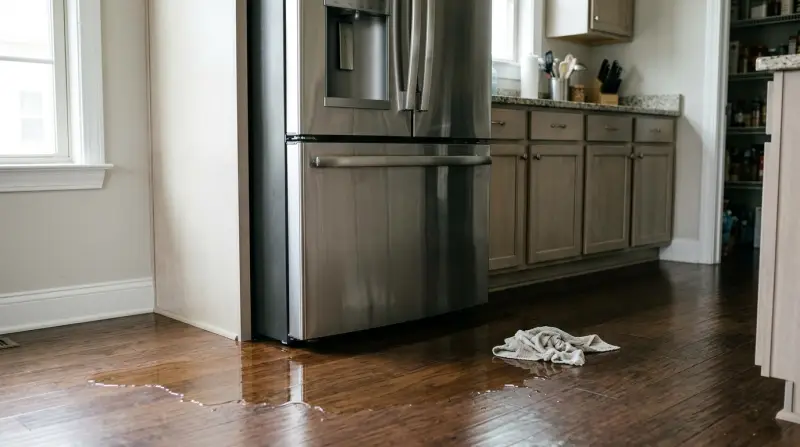
Water leaks in a refrigerator can happen for several reasons. Sometimes, the problem is minor—like a blocked drain. Other times, it’s a sign of a faulty part. Let’s look at the most common causes:
- Clogged Defrost Drain: This is the top reason for leaks. The defrost drain moves melted ice from inside the fridge to a drain pan below. If it’s blocked by food or ice, water can build up and spill out.
- Faulty Water Filter: If your refrigerator has a water filter, it can leak if it’s not installed correctly or is damaged.
- Cracked Drain Pan: The drain pan collects water and lets it evaporate. If it’s cracked, water can pool under the fridge.
- Broken Door Seal: If the door seal is torn or loose, warm air gets inside. This causes excess condensation and water leaks.
- Leaky Water Line: Many GE refrigerators have a water dispenser or ice maker. The water line can leak if it’s loose, cracked, or damaged.
- Frozen Evaporator Coils: When the coils freeze, water can overflow during defrost cycles.
Non-obvious insight: Many owners don’t realize that even small bits of food or debris can block the drain and cause major leaks. Also, leaks may start slow and build up over weeks, making them hard to spot until damage is done.
How To Find The Source Of The Leak
Finding where the water is coming from is the first step. Here’s a practical approach:
- Check Under the Refrigerator: Look for water pooling below. This usually means the drain pan or water line is leaking.
- Inspect Inside the Fridge and Freezer: Look for water around drawers, shelves, or under food. If you see ice buildup, the defrost drain or coils may be the problem.
- Examine the Water Filter Area: If your fridge has a filter, check for drips or moisture.
- Look at the Door Seal: Run your hand along the seal. If it feels wet or cold air escapes, the seal may be broken.
- Test the Water Dispenser and Ice Maker: Dispense water or ice. If you see leaks, the water line or connections may need repair.
| Location | Possible Cause | What to Check |
|---|---|---|
| Under fridge | Drain pan, water line | Pooling water, cracks, loose fittings |
| Inside fridge | Defrost drain, coils | Ice buildup, water around drawers |
| Water filter area | Filter leaks | Drips, moisture, installation |
| Door seal | Torn seal, condensation | Wet spots, air leaks |
Step-by-step Fixes For Common Leaks
Once you know where the leak is, you can try fixing it yourself. Here are practical steps for each problem:
Clogged Defrost Drain
- Unplug the Refrigerator for safety.
- Remove shelves or drawers near the drain.
- Clear debris or ice using warm water and a small brush. Some people use a turkey baster to flush the drain.
- Plug the refrigerator back in and check for leaks after a day.
Common mistake: Many people use sharp objects to clear the drain. This can damage the tube. Always use soft tools.
Faulty Water Filter
- Turn off the water supply to the fridge.
- Remove the old filter and inspect for cracks or worn seals.
- Install a new filter firmly. Make sure it’s the correct model for your GE fridge.
- Turn the water supply back on and check for leaks.
Cracked Drain Pan
- Pull the fridge away from the wall.
- Locate the drain pan beneath the appliance.
- Inspect for cracks or holes.
- Replace the pan if it’s damaged. Drain pans are easy to find online or at appliance stores.
Broken Door Seal
- Inspect the seal for tears or gaps.
- Clean the seal with warm, soapy water.
- If damaged, replace the seal.
- Test by closing the door—it should stick firmly.
Leaky Water Line
- Turn off the water supply.
- Check the line for cracks, kinks, or loose fittings.
- Replace damaged sections or tighten connections.
- Turn water back on and check for leaks.
Frozen Evaporator Coils
- Unplug the fridge.
- Let the freezer defrost for 24 hours.
- Plug back in and monitor for leaks.
- If freezing returns, the defrost system may need professional repair.
When To Call A Professional
Some leaks are too complex for DIY fixes. If you notice:
- Water leaking even after trying all steps above
- Electrical issues
- Water inside appliance controls
It’s best to call a certified GE technician. Safety matters, and professionals have special tools for tricky problems.
Preventing Water Leaks In Your Ge Refrigerator
Stopping leaks before they start saves time and money. Here’s how to keep your fridge dry:
- Clean the defrost drain every 3–6 months. Flush with warm water.
- Change water filters as recommended (usually every 6 months).
- Inspect the drain pan during routine cleaning.
- Check door seals regularly for wear.
- Keep the fridge level to help water drain properly.
- Avoid overfilling the fridge, which can block air and drains.
Most leaks happen because people skip maintenance. Just a few minutes every few months can prevent almost all water problems.
Non-obvious insight: Many leaks start from tiny changes, like the fridge not sitting level. Even a tilt of a few degrees can cause water to pool or drain incorrectly.
Costs And Data: Repair Or Replace?
Repair costs depend on the cause. Here’s a quick look at typical expenses:
| Repair Type | Average Cost (USD) | DIY or Professional? |
|---|---|---|
| Defrost drain cleaning | $0–$50 | DIY |
| Water filter replacement | $40–$100 | DIY |
| Drain pan replacement | $30–$80 | DIY |
| Door seal replacement | $60–$120 | DIY or Pro |
| Water line repair | $80–$250 | Pro |
| Evaporator coil repair | $200–$400 | Pro |
If your refrigerator is over 10 years old and repairs cost more than half the price of a new unit, consider replacing it. Newer models are more energy efficient and less likely to leak.
Ge Refrigerator Models: Leak Trends
Some GE refrigerator models are more likely to leak than others. For example, side-by-side models with ice makers have more water lines—so more chances for leaks. Here’s a comparison:
| Model Type | Leak Frequency | Main Leak Source |
|---|---|---|
| Side-by-side | High | Water line, filter, drain |
| Top freezer | Medium | Defrost drain, door seal |
| Bottom freezer | Low | Drain pan, coils |
| French door | Medium | Water line, filter |
This shows why understanding your model matters. If you have a side-by-side GE refrigerator, check water connections often.
Real-world Example
Let’s look at a real case. Maria, a homeowner in Dallas, noticed water under her GE side-by-side fridge. She thought it was normal condensation, but the puddle grew larger. After checking, she found ice buildup in the freezer and a blocked defrost drain.
Using warm water and a brush, she cleared the drain. The leak stopped—and she saved the cost of a service call.
This example shows how simple solutions can fix scary problems. Don’t ignore small leaks; act fast to prevent damage.
Tips For Safe Repairs
- Unplug your refrigerator before starting any repair.
- Use gloves to protect your hands.
- Read the owner’s manual for your specific GE model.
- Avoid sharp tools near plastic parts.
- If unsure, call a professional.

Frequently Asked Questions
Why Does Water Pool Under My Ge Refrigerator?
Water under your fridge usually means the drain pan is overflowing or cracked, or a water line is leaking. Check both areas for damage or loose connections.
How Often Should I Change My Ge Refrigerator Water Filter?
You should change your water filter every 6 months, or sooner if you notice leaks or water tastes strange. Always use a filter made for your specific GE model.
Can I Fix A Clogged Defrost Drain Myself?
Yes, most clogged defrost drains are easy to clear with warm water and a soft brush. Avoid sharp objects that can damage the drain tube.
Does A Faulty Door Seal Cause Leaks?
A broken or loose door seal lets warm air inside, causing extra condensation. This can lead to water leaks, especially near the bottom of the fridge.
Is It Safe To Keep Using My Fridge If It’s Leaking?
It’s not safe to ignore leaks. Water can cause electrical problems, spoil food, and damage your floor. Fix leaks quickly or call a professional if needed.
A leaking GE refrigerator is a common problem, but most issues are easy to fix with the right steps. By understanding the causes, checking your appliance carefully, and doing regular maintenance, you can keep your kitchen dry and your food safe. If you ever feel unsure, reach out to an expert or check trusted resources like Consumer Reports for more help. Don’t let a simple leak turn into a big problem—take action and enjoy your GE refrigerator for years to come.