
If you notice a sticky, cloudy, or even stringy white slime in your sink drain, you’re not alone. Many homeowners discover this slimy buildup and wonder where it comes from, if it’s dangerous, and most importantly, how to get rid of it. While it may look harmless, white slime in drains can be a sign of hidden plumbing issues, bacteria, or even chemical reactions happening inside your pipes. Left untreated, it can cause slow drains, foul odors, or even damage over time.
This article will help you understand what this white slime is, why it forms, the risks it poses, and the best ways to clean and prevent it. You’ll also discover how to tell the difference between harmless buildup and signs of a bigger problem.
Whether you’re a new homeowner or just curious about keeping your plumbing in top shape, you’ll find practical, clear advice here—without confusing jargon.
What Is White Slime In Sink Drains?
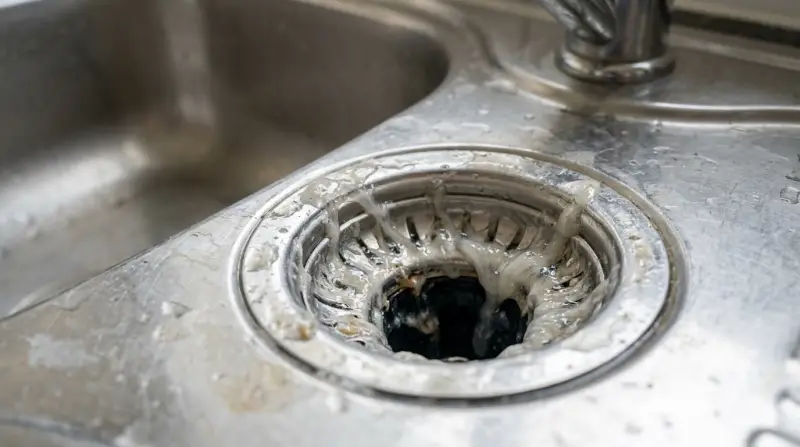
White slime in a sink drain is a soft, slimy, and sometimes stringy substance. It typically appears white, off-white, or even grayish. You may find it:
- Clinging to the drain stopper or basket
- Coating the inside of the drain pipe
- Floating in standing water in your sink
This slime is often sticky to the touch and can be difficult to wash away with just water. Many people describe it as feeling like gelatin or mucus.
What Makes Up The White Slime?
The white slime is usually a mix of different materials, such as:
- Bacterial biofilm: A colony of bacteria sticking together and to pipe surfaces.
- Soap scum: Residue from soap, shampoo, and cleaning products.
- Mineral deposits: Hard water minerals like calcium and magnesium.
- Organic matter: Food particles, grease, skin cells, and hair.
The exact makeup depends on your water quality, cleaning habits, and what goes down your drain. In most cases, it’s a combination of biofilm and soap scum.
Why Does White Slime Form In Sink Drains?
Understanding why this slime appears can help you fix the problem at its source. There are several reasons for this buildup.
1. Bacterial Growth
Bacteria thrive in moist, dark places. Your drain is the perfect environment for them. Over time, bacteria form a biofilm—a sticky layer that protects them from cleaners and flowing water. This biofilm appears as a white or gray slime.
2. Hard Water Reactions
If your home has hard water (water with high mineral content), you’re more likely to see white slime. When soap mixes with minerals like calcium and magnesium, it forms soap scum. This scum sticks to pipes, trapping bacteria and other particles.
3. Food And Organic Residue
Kitchen sinks often collect food scraps, oil, and grease. Bathroom sinks collect hair, toothpaste, and dead skin. This organic matter feeds bacteria, helping the slime grow thicker.
4. Chemical Reactions
Sometimes, the white slime is caused by a reaction between cleaning products and minerals in the water. For example, bleach or harsh chemicals can react with soap residue, creating a cloudy, sticky buildup.
5. Plumbing Materials
Certain pipe materials, like old galvanized steel, are more likely to collect buildup. Even newer PVC pipes can develop slime if water sits for long periods.
Is White Slime Dangerous?
Most of the time, white slime in sink drains is not dangerous to healthy adults. But it’s not something you should ignore. Here’s why:
Health Risks
- Bacteria: Some bacteria in the slime can cause infections, especially in people with weakened immune systems.
- Mold and fungi: In rare cases, the slime may include mold, which can trigger allergies or asthma.
- Odors: As bacteria feed on organic matter, they produce gases that cause bad smells in your kitchen or bathroom.
Plumbing Risks
- Slow drains: The slime can trap hair and food, leading to clogs.
- Corrosion: In rare cases, bacterial biofilms can produce acids that slowly corrode metal pipes.
- Blockages: If left untreated, the buildup can grow thicker, making the drain unusable.
When To Worry
If you see unusual colors (like pink, green, or black), or if the slime smells very foul, you may be dealing with something more serious like mold or sewage backup. In these cases, it’s wise to call a professional plumber.
How To Identify White Slime (and What It’s Not)
Many people confuse white slime with other types of drain buildup. Here’s how to tell them apart.
White Slime Vs. Other Common Drain Buildups
| Type | Appearance | Main Cause | Common Location |
|---|---|---|---|
| White Slime | Sticky, stringy, white/gray | Bacteria, soap scum, hard water | Kitchen & bathroom drains |
| Pink Slime | Pink-orange film | Serratia bacteria | Shower, toilet, humid areas |
| Black Sludge | Thick, black, greasy | Mold, mildew, old grease | Old drains, slow pipes |
| Rust Stains | Red-brown, hard | Iron in water | Older metal pipes |
Simple Test For White Slime
- Touch: White slime is slippery and sticky, while mineral deposits feel rough.
- Smell: Mild, musty odor is common. Strong foul odors may mean a bigger problem.
- Location: Usually found in the first few inches of the drain or on the stopper.
If you’re still unsure, take a photo and show it to a plumber or compare it with images on reliable plumbing websites.
How To Remove White Slime From Sink Drains
Getting rid of white slime is usually simple if you use the right methods. Don’t just pour strong chemicals down the drain—this can make things worse or damage your pipes. Here’s a step-by-step guide.
Step 1: Manual Cleaning
- Remove the drain stopper or basket.
- Use a gloved hand or old toothbrush to scrub away visible slime.
- Rinse with hot water.
This step gets rid of most of the loose slime.
Step 2: Flush With Boiling Water
Boil a full kettle (about 1-2 quarts) of water. Carefully pour it down the drain. This melts away grease and loosens soap scum.
Do not use boiling water if you have PVC pipes. Use very hot tap water instead.
Step 3: Baking Soda And Vinegar
This safe, natural method helps break down slime and kills some bacteria.
- Pour about 1/2 cup of baking soda into the drain.
- Follow with 1 cup of white vinegar.
- Let it fizz for 10-15 minutes.
- Flush with more hot water.
Step 4: Scrub Deeper
If the slime is stubborn, use a drain brush or old bottle brush. Insert it into the drain and twist to scrub the sides.
Step 5: Enzyme-based Cleaners
For thick or recurring slime, use an enzyme drain cleaner. These products contain natural bacteria that eat the slime without harming your pipes.
- Follow the instructions on the bottle.
- Let the cleaner sit overnight for best results.
Avoid: Bleach and harsh chemical drain cleaners. They can kill good bacteria in your pipes and may cause chemical reactions with the slime, making the problem worse.
How To Prevent White Slime In Sink Drains
Once your drain is clean, you want to keep it that way. Prevention is easier than constant cleaning.
1. Rinse Regularly With Hot Water
After washing dishes or brushing teeth, run hot tap water for 30 seconds. This helps wash away soap and food particles before they stick.
2. Use Less Soap
Excess soap creates more soap scum. Use only what you need and avoid heavy, moisturizing soaps that leave more residue.
3. Install A Mesh Strainer
A simple mesh strainer catches food scraps and hair before they go down the drain, reducing the food supply for bacteria.
4. Clean Stoppers Weekly
Pull out the drain stopper and scrub it with an old toothbrush once a week. This stops slime from building up where you can’t see it.
5. Use Enzyme Drain Cleaners Monthly
A monthly treatment with an enzyme cleaner helps keep bacteria in balance and prevents slime from returning.
6. Fix Slow Drains
If your sink drains slowly, clean out the trap and pipes. Standing water encourages bacterial growth.
7. Address Hard Water
If you have hard water, consider installing a water softener. This reduces mineral buildup, making it harder for slime to stick.
Credit: blog.ecmdi.com
Common Mistakes When Dealing With White Slime
Even well-meaning homeowners make mistakes when cleaning their drains. Avoid these common errors:
- Using Bleach or Strong Chemicals: These can damage pipes and kill helpful bacteria, leading to more slime later.
- Ignoring the Problem: Slime only gets worse with time. Early cleaning saves trouble.
- Forgetting the Stopper: The stopper collects the most slime. Clean it regularly.
- Overusing Drain Cleaners: Too many chemicals can make slime more resistant.
- Not Fixing Leaks: Slow leaks under the sink create a perfect habitat for bacteria.
Insight: Many people think pouring boiling water is always safe. However, it can warp plastic (PVC) pipes, causing leaks and expensive repairs. Always check your pipe type before using high heat.
How Plumbing Materials Affect White Slime Buildup
Not all plumbing is created equal. The material your pipes are made of can affect how much slime forms and how easy it is to clean.
| Pipe Material | Slime Buildup Risk | Cleaning Difficulty | Notes |
|---|---|---|---|
| PVC (Plastic) | Medium | Easy | Don’t use boiling water |
| Galvanized Steel | High | Hard | Corrodes, rough interior |
| Copper | Low | Easy | Resists bacteria better |
| Cast Iron | High | Hard | Prone to scale, hard to clean |
If you have old metal pipes and frequent slime problems, upgrading to plastic or copper can reduce buildup and make cleaning easier.
White Slime In Different Types Of Sinks
You might see white slime in kitchen sinks, bathroom sinks, and utility sinks. But the causes and solutions can vary.
Kitchen Sinks
- Main causes: Food particles, grease, and dish soap.
- Risks: Food-based slime can attract pests and cause odors.
- Best prevention: Use a strainer, scrape plates before washing, and run hot water after every use.
Bathroom Sinks
- Main causes: Toothpaste, soap, hair, and skin cells.
- Risks: Can combine with hair to create tough clogs.
- Best prevention: Use a hair catcher, rinse after brushing teeth, clean stoppers weekly.
Utility/laundry Sinks
- Main causes: Detergent residue, lint, and organic matter.
- Risks: May lead to mold if rarely used.
- Best prevention: Flush with hot water after use, avoid dumping dirty mop water.
When To Call A Plumber
While most white slime problems can be handled with DIY methods, sometimes professional help is needed.
Signs You Need A Plumber
- Frequent clogs despite regular cleaning.
- Foul or unusual smells that don’t go away.
- Slime returns quickly after cleaning.
- Water backing up or draining very slowly.
- Visible mold or black sludge mixed with the slime.
A plumber can inspect your pipes, clear deep clogs, or check for leaks and hidden damage.
Non-obvious Insight: Sometimes, white slime is a warning sign of a ventilation problem in your plumbing. If your drains gurgle or bubble, there may be a blocked vent allowing bacteria to thrive.
Eco-friendly Ways To Clean And Prevent White Slime
Many common drain cleaners are bad for the environment and your health. Here are some greener options:
Baking Soda And Vinegar
As mentioned before, this combination is safe, cheap, and effective for most slime problems.
Enzyme-based Cleaners
Look for products labeled “bio drain cleaner” or “enzyme-based.” These introduce good bacteria that eat the slime without harming pipes or the environment.
Lemon Juice
For a fresh scent and mild cleaning power, pour 1/2 cup of lemon juice down the drain, let sit for 10 minutes, then rinse with hot water.
Mechanical Cleaning
Use a drain snake or brush. No chemicals, just physical removal of the slime.
Extra tip: Avoid antibacterial soaps in sinks, since they can upset the balance of bacteria in your pipes, sometimes making slime worse.
The Science Behind White Slime
To really understand white slime, it helps to know a bit about biofilms.
A biofilm is a thin, slimy layer of microorganisms that sticks to surfaces in wet environments. In drains, this is often a mix of:
- Bacteria
- Fungi
- Algae
- Organic debris
Biofilms protect bacteria from cleaning products and allow them to share nutrients. This is why the slime often comes back even after you clean it. Breaking up the biofilm physically, then using enzyme cleaners, is the best way to stop regrowth.
White Slime And Water Quality
Your local water quality has a big effect on slime formation.
Hard Water Areas
- More slime: Hard water reacts with soap, creating more scum and places for bacteria to stick.
- Common signs: White spots on dishes, soap that doesn’t lather well.
Soft Water Areas
- Less slime: Fewer minerals, less soap scum.
- But: Still possible if lots of organic matter goes down the drain.
Chlorinated Water
- Kills some bacteria: But not all, and some bacteria adapt, forming tougher slime.
You can get a water quality report from your city, or buy an inexpensive home test kit. If you have hard water, a water softener can help reduce slime.
How White Slime Impacts Drainage And Plumbing Over Time
Letting white slime build up can cause more than just slow drains. Over time, thick slime can:
- Trap other debris (hair, food, grease), creating a bigger clog.
- Corrode metal pipes if bacteria produce acids.
- Cause odors that are hard to remove.
- Reduce pipe diameter, leading to backups or slow drainage.
- Hide leaks or cracks, since the slime masks the problem.
Insight: In older homes, years of slime buildup can even hide pipe corrosion or small leaks, which could result in expensive repairs if left unchecked.
White Slime Vs. Chemical Drain Cleaners
Should you use chemical drain cleaners for white slime? In most cases, no. Here’s why:
| Method | Effectiveness | Safety | Environmental Impact | Cost |
|---|---|---|---|---|
| Chemical Drain Cleaner | Fast, but short-term | Can damage pipes, dangerous fumes | Pollutes water supply | $$ |
| Enzyme Cleaner | Slower, long-term | Safe for pipes & people | Eco-friendly | $$ |
| Baking Soda & Vinegar | Good for light slime | Very safe | Very eco-friendly | $ |
| Manual Scrubbing | Very effective | Safe | Eco-friendly | $ |
Key point: Chemical cleaners can kill surface bacteria but rarely remove the deeper biofilm, so the slime returns quickly.
Signs That White Slime Is A Bigger Issue
Most white slime is just a nuisance, but sometimes it points to larger problems. Watch for:
- Multiple drains affected: Could mean a main pipe issue.
- Recurring slime after deep cleaning: May signal hidden leaks or vent problems.
- Sudden changes in water pressure: Possible partial clogs.
- Unusual colors or textures: If you see pink, green, or black, or the slime feels gritty, call a plumber.
Take note if your neighbors have similar problems. Sometimes, a change in municipal water treatment can increase slime for whole neighborhoods.
How Often Should You Clean Your Sink Drains?
For most homes, a monthly routine is enough. Here’s a simple schedule:
- Weekly: Clean stoppers and strainers.
- Monthly: Flush with hot water and use baking soda/vinegar or enzyme cleaner.
- Every 6 months: Deep clean with a drain brush, especially if you have long hair or cook often.
Homes with many people, pets, or heavy kitchen use may need more frequent cleaning.
Cost Of Dealing With White Slime
Most DIY solutions are very affordable:
- Baking soda, vinegar, and lemon juice: Under $5/month
- Enzyme cleaner: $6–$15 per bottle (lasts months)
- Drain brush or snake: $8–$20 (one-time purchase)
Plumber visit: $100–$250 for a typical drain cleaning, more for deep clogs or pipe replacement.
Insight: Investing in a water softener or regular enzyme treatments can save money in the long run by preventing costly blockages and pipe damage.
Real-world Example
Maria, a homeowner in Texas, noticed her bathroom sink drained slowly and smelled musty. She found a thick white slime on the drain stopper. After removing the stopper and scrubbing it clean, she poured baking soda and vinegar down the drain, followed by hot water.
The smell disappeared, and the drain worked perfectly. She now cleans her stopper weekly and uses an enzyme cleaner monthly, with no slime problems since.
Many homeowners share similar stories on plumbing forums and social media. The key is regular maintenance—not just reacting when the problem gets bad.
Additional Resources
For those interested in the science of biofilms and plumbing, the Centers for Disease Control and Prevention (CDC) offers a useful overview: CDC: Biofilms in Healthcare. While focused on medical settings, the basics apply to home plumbing as well.

Frequently Asked Questions
What Causes White Slime In My Sink Drain?
White slime is usually caused by a mix of bacterial biofilm, soap scum, and hard water minerals. These materials stick together in the damp, dark environment of your drain, creating a sticky buildup.
Is White Slime In My Drain Harmful To My Health?
For most people, white slime is not dangerous. However, it can contain bacteria or, in rare cases, mold. People with weakened immune systems should clean drains regularly and avoid direct contact.
How Can I Permanently Get Rid Of White Slime?
You can’t always eliminate it forever, but regular cleaning, hot water flushing, and enzyme-based drain cleaners can keep it under control. Preventing buildup is more effective than treating it after it appears.
Can I Use Bleach To Clean White Slime?
Bleach is not recommended. It can damage pipes, kill good bacteria, and sometimes make the problem worse by hardening the slime. Safer options include baking soda, vinegar, and enzyme cleaners.
How Do I Know If I Need A Plumber For White Slime?
If the slime keeps returning quickly, affects multiple drains, or is accompanied by bad smells, slow drainage, or unusual colors, it’s time to call a plumber. These signs may point to a bigger plumbing issue.
Keeping your drains clear of white slime is not just about looks—it’s about protecting your plumbing and your home’s hygiene. With the right habits and tools, you can keep slime at bay and enjoy a fresher, faster-draining sink. Regular attention, eco-friendly methods, and a little knowledge go a long way toward a cleaner, healthier home.