
Bone and biscuit color are two of the most popular shades for home interiors, appliances, and fixtures. If you have ever shopped for toilets, sinks, cabinets, or even paint, you have probably seen these names. They seem similar at first glance, but there are important differences.
Choosing the right color can affect the feel of your space, the look of your décor, and even resale value. Many people struggle to see the difference between bone and biscuit, and even more wonder which one fits their needs best.
This guide will break down the details, give real examples, and help you make a confident choice.
What Are Bone And Biscuit Colors?
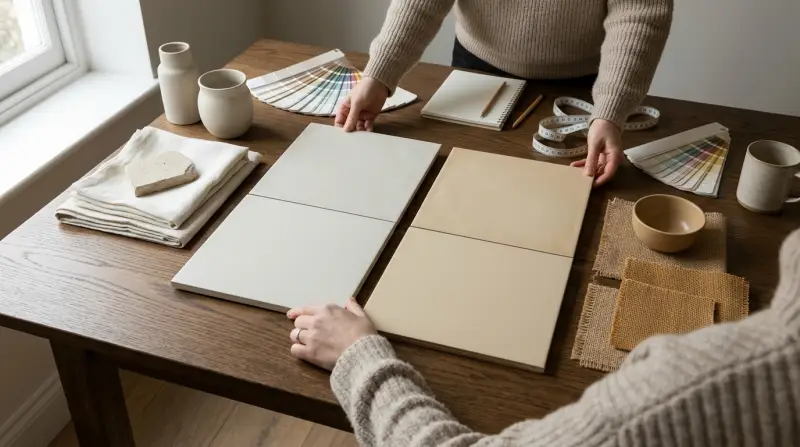
Bone and biscuit are both neutral colors used in home design. They are subtle, understated, and blend well with most other shades. But their undertones and appearance change how they work in a room.
Bone Color
Bone color is a soft, warm, off-white shade. It has a hint of beige or creamy yellow. This makes it warmer than plain white but not as dark as tan or ivory. Bone is often used for toilets, sinks, and bathtubs. It is also common in tile, paint, and cabinets.
If you see bone color in real life, it looks like a gentle cream. It is light but cozy, making spaces feel welcoming. Bone is popular for its ability to hide dirt and stains better than pure white.
Biscuit Color
Biscuit color is another neutral but it is slightly darker and richer than bone. Biscuit has more of a light tan or sand feel. Its undertone is usually yellowish-brown, making it warmer and deeper. Biscuit is common in kitchen appliances, bathroom fixtures, and wall paint.
When you compare biscuit to bone, biscuit stands out as more earthy. It gives a subtle contrast without being bold. Biscuit can make rooms feel grounded and relaxed.
Key Differences
- Bone is lighter and creamier.
- Biscuit is deeper and more tan.
- Both are warmer than white, but biscuit is warmer than bone.
Visual Comparison: Bone Vs Biscuit
Seeing the colors side by side helps. Here is a simple comparison of bone and biscuit color on common products.
| Product | Bone Color | Biscuit Color |
|---|---|---|
| Toilet | Pale cream, almost white | Light tan, warmer |
| Sink | Soft off-white | Beige with yellow undertone |
| Tile | Warm ivory | Sand-like, earthier |
| Paint | Gentle cream | Rich tan, cozy |
This comparison shows that bone is more subtle, while biscuit gives a bit more color and warmth.
The Science Behind The Shades
Colors are not just about looks. They are about light, pigment, and perception. Bone and biscuit are close on the color spectrum but have different RGB values and undertones.
Bone Color: Technical Details
- RGB: 227, 218, 201 (approximate)
- HEX: #E3DAC9
- Undertone: Creamy, yellow-beige
Biscuit Color: Technical Details
- RGB: 237, 224, 210 (approximate)
- HEX: #EDE0D2
- Undertone: Yellow-brown, sand
The RGB values show that biscuit has more red and yellow, making it deeper.
Why Undertones Matter
Undertones change how a color looks in different light. For example, bone can look almost white in bright sunlight, while biscuit looks more tan. Artificial light can make biscuit seem warmer and bone more creamy.
Many beginners miss this: the same color can look very different in morning light versus evening light. Always check your color samples in the room where you will use them.
Where Are Bone And Biscuit Used?
Bone and biscuit are not just paint colors. They are found in many places:
- Bathroom fixtures (toilets, sinks, tubs)
- Kitchen appliances (ovens, dishwashers)
- Cabinets and countertops
- Ceramic tiles
- Wall paint
- Furniture
Bathroom Fixtures
Major brands like Kohler and American Standard offer bone and biscuit as standard colors. Most toilets and sinks come in white, bone, and biscuit. Homeowners often choose bone or biscuit to avoid the stark look of pure white.
Kitchen Appliances
Some appliances, especially older models, come in bone or biscuit. These colors hide fingerprints and stains better than white.
Cabinets And Countertops
Bone and biscuit are popular for cabinets and countertops in kitchens and bathrooms. They add warmth and make spaces feel less sterile.
Wall Paint
Both bone and biscuit are used for wall paint in living rooms, bedrooms, and halls. They are neutral, making them easy to match with other colors.
Color Matching: How Bone And Biscuit Affect Your Decor
Choosing bone or biscuit can change the mood and style of your room. Each works best with certain colors and materials.
Bone Color Matching
Bone blends well with:
- Pastels (light blue, pink, green)
- Soft browns
- Gray
- Brushed nickel hardware
- Light wood (maple, birch)
Bone is perfect for spaces where you want a clean but warm look. It pairs well with modern and classic décor.
Biscuit Color Matching
Biscuit matches with:
- Earth tones (beige, tan, olive, terracotta)
- Warm browns
- Bronze or gold hardware
- Medium to dark wood (oak, walnut)
Biscuit is good for cozy, rustic, or traditional spaces. It adds depth and richness.
Common Color Pairing Mistakes
Many people make these errors:
- Choosing bone or biscuit without testing samples in their lighting
- Mixing bone and biscuit in the same room (can look mismatched)
- Pairing biscuit with cool metals (like chrome), which can clash
Always test colors together and check how they look in your room.
Bone Vs Biscuit: Pros And Cons
Both colors have strengths and weaknesses. Choosing the right one depends on your needs.
| Feature | Bone | Biscuit |
|---|---|---|
| Appearance | Lighter, creamier | Deeper, tan |
| Hides stains | Good | Better |
| Matches modern décor | Excellent | Good |
| Warmth | Medium | High |
| Resale value | High | High |
| Availability | Wide | Wide |
Bone Pros
- Clean, elegant look
- Easy to match with other colors
- Works in modern and classic spaces
- Hides dust and minor stains
Bone Cons
- Can look too plain in large spaces
- May clash with dark wood
Biscuit Pros
- Adds warmth and depth
- Hides stains and dirt very well
- Creates a cozy atmosphere
- Great with earth tones
Biscuit Cons
- Can look dull if overused
- May not fit modern, minimalist styles
Real-life Examples
Understanding bone and biscuit is easier with real examples.
Example 1: Bathroom Renovation
A homeowner wants to replace a white toilet. They have light maple cabinets and soft blue walls. Bone color fits perfectly. It matches the cabinets and feels gentle with the blue.
If they choose biscuit, the toilet may look too dark and clash with the blue. Bone is the better choice here.
Example 2: Kitchen Update
A person has dark oak cabinets and beige tile. Biscuit color for the sink and appliances blends well. It echoes the tan in the tile and warms the room.
Bone would look too pale and might not match the oak. Biscuit is ideal for this style.
Example 3: Living Room Paint
Someone wants a neutral paint color. They have bronze fixtures and terracotta accents. Biscuit paint makes the room feel cozy. Bone would be too light and make the bronze look cold.
Bone Vs Biscuit: Which Is Easier To Clean?
Both colors are easier to clean than pure white. They hide dust, water spots, and small stains.
- Bone: Good at hiding dust, but soap scum can show.
- Biscuit: Excellent for hiding stains, including water marks.
Many cleaning experts say biscuit is best in busy bathrooms or kitchens, where dirt is common.

Credit: www.amazon.com
Color Trends And Resale Value
Home buyers often look for neutral shades. Bone and biscuit both fit this trend. They are safe choices if you plan to sell your home.
Data: Popularity Of Bone And Biscuit
According to a survey by the National Association of Home Builders in 2022:
- 31% of new homes used bone or biscuit fixtures
- 68% of buyers prefer neutral colors
Bone and biscuit are less risky than bold colors. They appeal to more people.
Resale Value Impact
Homes with bone or biscuit fixtures sell faster than homes with colored fixtures. They also have fewer problems with buyers requesting replacements.
Choosing Between Bone And Biscuit: What Really Matters
There are a few key factors to consider when choosing bone or biscuit.
Lighting
Rooms with lots of natural light make both bone and biscuit look lighter. In dark rooms, biscuit can look dull. Always test samples in your room.
Room Size
Bone is better for small spaces. It makes them feel larger. Biscuit is good for big rooms, adding warmth.
Style
Bone fits modern, Scandinavian, and minimalist styles. Biscuit fits rustic, traditional, and farmhouse.
Existing Colors
Look at your cabinets, walls, and floors. Match undertones, not just surface color.
Common Buyer Mistakes
Many buyers:
- Forget to test colors in their home
- Mix bone and biscuit, causing mismatch
- Ignore undertones of other materials
Avoid these mistakes for the best result.
Bone Vs Biscuit: Cost And Availability
Most products in bone and biscuit cost the same. Some brands charge extra for biscuit because it is less common.
- Bone is usually in stock at big stores.
- Biscuit may need special order.
Always check availability before deciding.
How Brands Define Bone And Biscuit
Different brands have their own definitions. For example:
- Kohler Bone: Creamy, light beige
- Kohler Biscuit: Warm tan, deeper beige
- American Standard Bone: Soft, off-white
- American Standard Biscuit: Light sand
You should always get a sample from the brand. Colors can change a lot between brands.
Impact On Mood And Psychology
Colors affect how we feel. Bone and biscuit are both calming, but biscuit is warmer.
- Bone: Calm, peaceful, fresh
- Biscuit: Cozy, comforting, relaxed
If you want a space to feel open and airy, bone is best. If you want a space to feel homey, biscuit is better.
Expert Advice: How To Choose
Professionals suggest:
- Get samples of both colors
- Test in your room, under your lighting
- Compare with your cabinets, floors, and walls
- Decide based on mood and style
Two non-obvious insights:
- Bone and biscuit look very different against bright white trim. If you have white trim, bone blends better.
- Biscuit hides water marks on sinks and tubs better than bone. This matters in busy bathrooms.
Paint Vs Fixture Color
Paint colors can be adjusted easily. Fixtures like toilets and sinks are harder to change. If you are unsure, choose a color for fixtures that works long-term. You can change paint later.
Table: Bone Vs Biscuit In Common Fixtures
Here is how bone and biscuit look in common fixtures.
| Fixture | Bone | Biscuit |
|---|---|---|
| Toilet | Soft cream, blends with light tile | Warm tan, stands out against white tile |
| Sink | Light beige, matches nickel faucets | Deeper beige, pairs well with bronze |
| Bathtub | Off-white, fresh | Sand color, cozy |
| Cabinets | Light wood, modern look | Dark wood, classic look |
Maintenance Tips For Bone And Biscuit
Keeping bone and biscuit fixtures clean is easy, but there are tricks:
- Use gentle cleaners (avoid bleach)
- Dry surfaces to prevent water marks
- For biscuit, use soft cloth to keep the color rich
- For bone, avoid harsh scrubbing to keep the creamy finish
Environmental Impact
Both bone and biscuit are used on ceramic, porcelain, and painted surfaces. Their environmental impact comes from the materials, not the color.
Some brands use low-VOC paints for bone and biscuit finishes. Always check the label if you care about air quality.

Credit: www.amazon.com
How Bone And Biscuit Look Over Time
Both colors age well. They do not show fading easily. But biscuit can pick up more yellow over years in sunny rooms.
Bone can get dingy if not cleaned, but it is easy to restore. Biscuit hides wear better.
Matching Accessories
- For bone, use silver, nickel, or white accessories.
- For biscuit, use bronze, gold, or tan accessories.
This helps tie the room together.
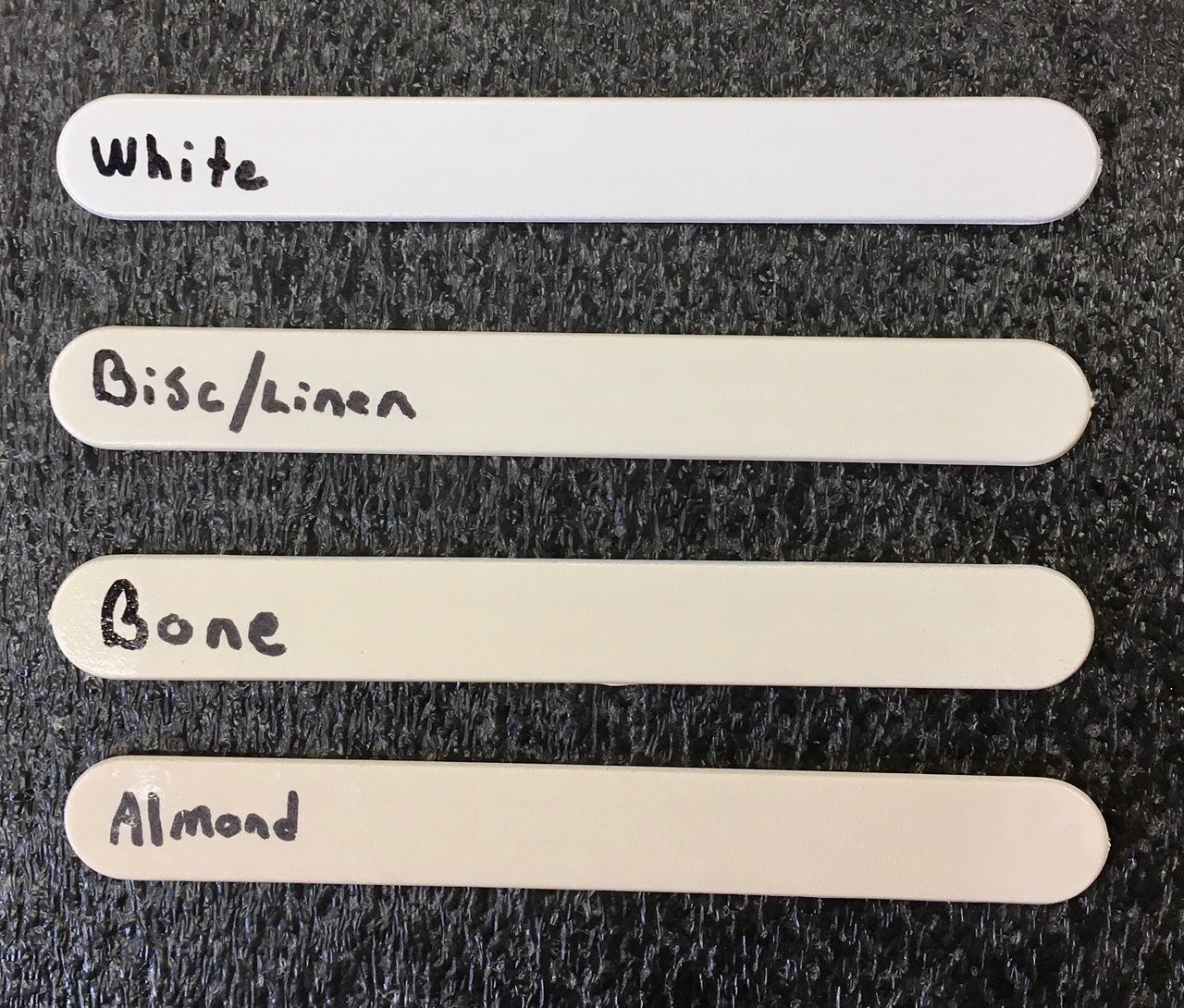
Bone And Biscuit In Commercial Spaces
Hotels, restaurants, and offices use bone and biscuit for durability and style. Neutral colors are easier to keep clean and do not distract.
In hotels, bone is often used for bathrooms. Biscuit is seen in lobbies and kitchens.
Data Table: Buyer Preferences
Here is a table showing buyer preferences in a recent survey.
| Fixture | Bone Preference (%) | Biscuit Preference (%) | White Preference (%) |
|---|---|---|---|
| Toilet | 38 | 22 | 40 |
| Sink | 35 | 25 | 40 |
| Bathtub | 30 | 28 | 42 |
| Kitchen | 27 | 33 | 40 |
White is still the top choice, but bone and biscuit are growing in popularity.
Bone Vs Biscuit: Which Is Right For You?
Think about your style, lighting, and current colors. Bone is best for light, airy, modern spaces. Biscuit is best for cozy, traditional, or earthy spaces.
If you are not sure, get samples and test them. Remember to check in all types of light.
Non-obvious Insights For Beginners
Many beginners do not realize:
- Bone and biscuit can look almost identical in photos but very different in person. Always see the color in real life.
- Biscuit can make white tile look old. If you have white tile, bone is safer.
Additional Resources
If you want to see real examples or get color samples, visit the official color charts at Kohler Color Guide.
Frequently Asked Questions
What Is The Main Difference Between Bone And Biscuit Color?
Bone is a light, creamy off-white shade with a yellow-beige undertone. Biscuit is a slightly deeper, tan color with yellow-brown undertones. Biscuit is warmer and earthier than bone.
Are Bone And Biscuit Colors Easy To Match With Other Colors?
Yes, both are neutral and blend well with most colors. Bone is better with light woods and pastels. Biscuit pairs well with earth tones and dark woods. Always test samples in your room.
Can I Mix Bone And Biscuit In The Same Room?
It is not recommended. Mixing bone and biscuit can look mismatched. Choose one and match it with other neutrals or accent colors.
Do Bone And Biscuit Colors Affect Resale Value?
Yes. Both bone and biscuit are neutral and appeal to buyers. Homes with bone or biscuit fixtures often sell faster than homes with bold colors.
Which Color Hides Stains Better: Bone Or Biscuit?
Biscuit hides stains, water marks, and dirt slightly better than bone. Both are easier to keep clean than pure white.
Choosing between bone and biscuit does not have to be stressful. Both are timeless, neutral colors that fit most styles. With the right samples and careful matching, you can create a space that feels comfortable and looks beautiful for years.