
If you own a Breville espresso machine, you know the joy of a fresh cup of coffee at home. But when the steam function stops working, your daily routine can quickly become frustrating. Steam is essential for frothing milk and making rich lattes or cappuccinos. When your machine’s steam wand won’t produce steam, it feels like half your coffee experience is missing. Understanding why this happens, how to fix it, and what you can do to prevent it in the future is important for any coffee lover. Let’s dive deep into the problem, solutions, and expert advice so you can get your Breville espresso machine steaming again.
How The Breville Espresso Machine Steam System Works
Before troubleshooting, it helps to know how the steam system functions. Most Breville machines, like the Barista Express or BES870XL, use a single boiler that switches between brewing and steaming modes. Inside, water is heated to a higher temperature for steam. When you turn the steam dial, the machine activates a pump and opens a valve, sending pressurized hot water through the steam wand.
The process is simple but delicate. After brewing, the boiler must reach a higher temperature—typically 255°F (124°C) or more. At this point, water turns into pressurized steam. You might hear a click or see a light change, letting you know the machine is ready.
The steam then travels through the wand, mixing with air and creating the microfoam needed for creamy milk drinks.
The wand has small holes at the tip. These holes are crucial for making fine, velvety foam. If milk dries inside, it blocks steam from escaping. Inside the machine, the steam valve opens and closes with each use. If this valve sticks, gets clogged, or breaks, no steam will reach the wand.
The pump also plays a key role, pushing water into the boiler. If it’s weak, slow, or fails, the system can’t create enough pressure for good steam.
Every part must work together. Even a small problem, like a dirty wand tip, can affect the entire process. If you notice weaker steam or a strange noise, it’s often a sign that something inside isn’t working as it should.
Knowing these basics helps you spot issues before they get worse.
Common Reasons Why Steam Stops Working
Many Breville owners face steam issues. Here are the most frequent causes:
- Mineral build-up: Hard water leaves calcium deposits inside the boiler, valves, or wand. Over time, these block steam flow. Even a small layer of scale inside the boiler can lower the temperature and reduce steam pressure.
- Steam wand blockage: Milk residue or debris can clog the wand tip, stopping steam. If you forget to clean after each use, this happens quickly.
- Faulty steam valve: The internal valve may stick or break, stopping steam from reaching the wand. Sometimes you’ll hear a click but see no steam—often a valve issue.
- Pump failure: The pump sends water through the machine. If it’s weak or broken, steam may not be produced. You may notice the pump sounds quieter or doesn’t turn on at all.
- Temperature sensor issues: The machine needs to heat water to around 255°F for steam. Broken sensors may stop heating at the right time, so the machine never gets hot enough for steam.
- Electrical faults: Wiring problems or faulty circuit boards can prevent the steam function from activating. If lights flicker or the machine powers off suddenly, suspect an electrical problem.
- User errors: Sometimes, incorrect settings or forgotten steps (like not waiting long enough for the machine to heat up) cause the steam to stop. For example, trying to steam while the machine is still in brewing mode.
Some issues are easy to fix, while others need a trained technician. Recognizing the root cause saves time and prevents unnecessary repairs. If you hear unusual noises, see warning lights, or smell something burning, stop using the machine until you investigate further.

Credit: www.youtube.com
Step-by-step Troubleshooting Guide
If your Breville steam is not working, use this practical guide to find and fix the issue.
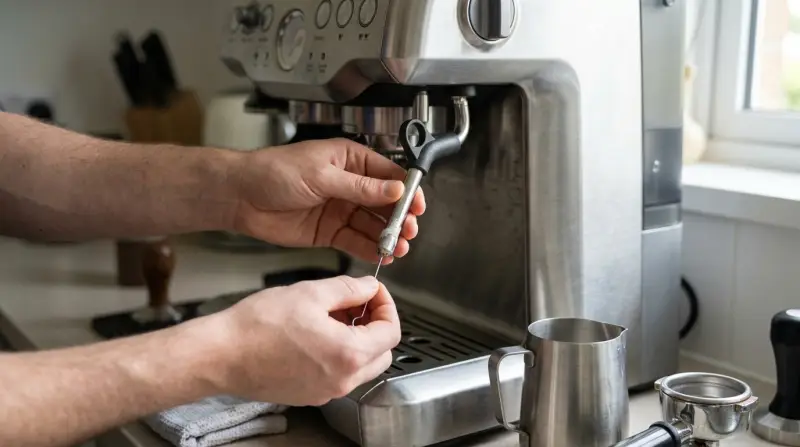
1. Check For Steam Wand Blockage
- Remove the steam wand tip.
- Soak the tip in hot water and vinegar for 30 minutes.
- Use a pin to clear any holes.
- Reattach and test for steam.
Blocked wand tips are common, especially if you use dairy often. Cleaning regularly prevents future problems. If you steam plant-based milks, remember that some can dry faster and leave sticky residue. After soaking, always rinse the tip well with clean water to remove vinegar taste.
If your steam wand has more than one hole, check each one. Even if only one hole is blocked, steam will be weak or uneven. Some users find that disassembling the entire wand (following the user manual) once every few months keeps it working at its best.
2. Descale The Machine
Mineral deposits block internal pathways. Descaling is essential, especially if you have hard water.
- Fill the water tank with a descaling solution (use Breville’s recommended product).
- Run the descaling cycle according to your machine’s manual.
- Rinse thoroughly afterward.
Descaling every 1-3 months keeps the boiler and valves clear. If you live in an area with very hard water, consider descaling more often. You can test your water hardness with inexpensive strips from hardware stores. If your machine has a clean/descale light, don’t ignore it.
Skipping descaling can lead to expensive repairs down the road.
If you see white flakes in the water tank or around the steam wand, that’s a sign of mineral buildup. Always rinse the system thoroughly after descaling to avoid any chemical taste in your coffee or milk.
3. Inspect Steam Valve And Pump
If descaling and wand cleaning don’t help:
- Listen for pump noise when activating steam. If silent, the pump may be faulty.
- Check for water leaks below the machine—could indicate valve or pump issues.
- If you’re comfortable, open the machine (after unplugging) to inspect for obvious broken parts.
Pump or valve replacement may require a professional. Warranty service is recommended for machines under warranty. If your machine is leaking water, turn it off and unplug it immediately—leaks inside can damage electrical parts.
If you notice steam escaping from joints or the base of the wand instead of the tip, the steam valve or the wand connection might be loose or worn out. Don’t try to force the steam knob if it feels stuck; this can break internal parts.
4. Test Temperature And Electrical Components
If the machine heats for brewing but not steaming, temperature sensors or thermostats might be faulty.
- Run a brewing cycle. If water comes out but not steam, the steam heating element could be failing.
- Some Breville machines show error codes; check your manual for meanings.
- Electrical repairs are best left to qualified technicians.
If the machine turns off suddenly or the lights flicker when you try to steam, unplug it and seek professional help. Electrical faults can be dangerous. Don’t ignore burning smells, even if they are faint. They often mean a wire or electronic part is overheating.
If you have a digital multimeter and some experience, you can test for continuity in the heating element or temperature sensors. But for most users, it’s safer to leave this step to the experts.
5. Review User Settings And Machine Preparation
Often, new users forget steps:
- Wait until the machine reaches steam temperature (usually shown as a light or display indicator).
- Make sure you’re turning the dial or pressing the steam button correctly.
- Confirm water tank is full.
Small mistakes can look like big problems. For example, if the water tank isn’t seated properly, the machine can’t pull water to make steam. Always double-check the tank after refilling.
Some models require you to move the dial from “steam” back to “standby” before switching modes. If you skip this, the system can get stuck. Refer to your machine’s manual for the correct sequence.
If the steam output is weak, try purging the wand before frothing. Run steam for a few seconds to clear old water—this helps build better pressure for milk.
How To Prevent Steam Problems
Preventing issues saves money and keeps your coffee routine smooth.
- Clean the steam wand after every use: Purge with steam, then wipe with a damp cloth. Even a small amount of leftover milk can harden quickly, making cleaning difficult later.
- Descale regularly: Use filtered water and descale every 1-3 months. If you notice your drinks tasting flat or steam taking longer to appear, descale sooner.
- Check milk residue: Avoid leaving milk in the wand; it dries and blocks holes. Get into the habit of cleaning immediately after each use.
- Store machine properly: If not used for weeks, run water cycles before restarting. This flushes out stale water and any buildup that may have formed while idle.
- Follow Breville maintenance advice: Their manuals offer machine-specific care tips.
A hidden tip: If you use flavored milks or syrups, clean the wand more often. Sugars and additives can create sticky buildup faster than regular milk. And if you share your machine with others, make sure everyone knows how to care for it—teamwork keeps your Breville in top shape.
Advanced Troubleshooting For Experienced Users
Some issues need deeper investigation. If you’re comfortable working with appliances, these steps can help.
Opening The Machine Safely
- Unplug the machine.
- Remove the water tank, drip tray, and exterior screws.
- Gently open the housing, watching for wires.
Take photos as you go. This makes reassembly easier and reduces the risk of forgetting where parts belong. Lay out screws and small pieces in the order you remove them.
Inspecting Internal Components
- Look for signs of leaks, corrosion, or burnt wires.
- Test the pump and valve with a multimeter (resistance checks).
- Check the boiler for mineral buildup.
A good flashlight helps you see hidden issues, like small leaks or burned spots. If you find green or white crusts on the boiler, that’s a sign of mineral buildup or leaks. If wires look blackened or the insulation is melted, stop and consult a professional.
Replacing Parts
If you identify a faulty part:
- Order genuine Breville replacements for pumps, valves, or thermostats.
- Follow repair guides or videos.
- Reassemble carefully and test before full use.
Professional help is best for electrical repairs. DIY may void your warranty. If you’re unsure about any step, it’s better to ask for help than risk damaging your machine.
One non-obvious tip: Keep your machine’s serial number handy. This helps you order the correct replacement parts and speeds up support requests.
Data: Breville Steam Issues Across Models
Different Breville models show steam issues at varying rates. Here’s a comparison:
| Model | Common Steam Issues | Estimated Failure Rate (%) |
|---|---|---|
| Barista Express BES870XL | Mineral buildup, wand blockage | 12 |
| Bambino Plus | Valve failure, pump issues | 8 |
| Infuser BES840XL | Temperature sensor faults | 10 |
| Duo-Temp Pro | Electrical faults | 7 |
These numbers are based on owner reports and repair data. High mineral buildup is often linked to local water quality.
It’s important to note that these rates can change based on how often you clean and descale your machine. In areas with very hard water, the failure rate for steam-related issues can be even higher, especially for models without automatic cleaning reminders.
Some users report fewer problems if they descale more often than the manual suggests.
Signs That Your Machine Needs Professional Repair
Some problems are hard to fix at home. Watch for these signs:
- No steam after all basic troubleshooting.
- Error codes related to steam or temperature.
- Water leaks inside the machine.
- Electrical smells or signs of burning.
- Machine is under warranty (don’t open it).
If you notice the machine tripping your circuit breaker or shutting off unexpectedly, it’s a sign of a deeper electrical fault. Don’t ignore repeated error codes—these often signal failing parts that could cause more damage if left unchecked.
Professional repair may cost $100–$200, depending on the problem. For older machines, consider if repair or replacement is best. If the machine has sentimental value, ask the technician for a full diagnosis before deciding.
If you’re unsure, some appliance repair shops offer free estimates. This helps you understand the cost before committing to a repair.
Comparing Diy Vs. Professional Repair
Making the right repair choice depends on the issue, skill level, and warranty status.
| Repair Type | Cost Estimate | Skill Needed | Risks |
|---|---|---|---|
| DIY Steam Wand Cleaning | $0–$10 | Beginner | Minimal |
| DIY Descaling | $10–$20 | Beginner | Minimal |
| DIY Internal Inspection | $0 | Intermediate | Voiding warranty, electrical risk |
| Professional Repair | $100–$200 | None | High cost, downtime |
DIY saves money for easy fixes. But advanced repairs are safer with professionals. If you’re not sure about your skills, starting with wand cleaning and descaling is a safe bet. Going further inside the machine is best left to those with appliance repair experience.
One insight: some repairs, like replacing the steam valve, are more complicated than they look. Parts can be small, and reassembly must be exact. If you don’t feel confident, it’s worth the extra cost to hire a professional.
Real-life Examples Of Breville Steam Fixes
Let’s look at two common scenarios:
Example 1: Steam Wand Blocked By Milk Residue
Sarah owns a Barista Express. After a month of daily lattes, the steam stopped. She unscrewed the wand tip, soaked it in vinegar, and used a pin to clear the holes. Steam returned, and she learned to clean the wand after every use.
Another beginner mistake Sarah made was forgetting to purge the wand after steaming. She now lets out a quick burst of steam before and after frothing. This habit keeps the wand clear and her machine running smoothly.
Example 2: Mineral Build-up In Boiler
Mike used his Breville for years without descaling. Steam output dropped. He ran a descaling cycle with a recommended solution. The steam improved, but he had to repeat the process twice. Now, he schedules regular descaling.
Mike also switched to using filtered water, which slowed down new mineral buildup. He noticed that his espresso tasted better too—another benefit of cleaner water.
These simple actions solve most steam problems. Advanced issues, like a broken pump, need professional help.
Hidden Mistakes Beginners Make
Many new users miss simple steps that cause steam issues:
- Forgetting to purge the steam wand before and after frothing.
- Using tap water instead of filtered water, causing rapid mineral buildup.
- Not waiting for steam-ready indicator, trying to froth too soon.
- Leaving milk residue in the wand overnight.
- Ignoring error codes or unusual noises.
Another common error is overfilling the milk jug. Too much milk makes it hard for steam to circulate, resulting in poor foam. Also, some users tilt the jug incorrectly, which can cause splattering and uneven steaming.
Avoiding these mistakes keeps your espresso machine healthy.

How Water Quality Affects Steam Function
Water is the main ingredient in coffee—and also the main cause of steam problems. Hard water contains minerals that build up inside machines.
Effects Of Hard Water
- Faster mineral deposits in boilers and valves.
- Blocked steam pathways.
- Reduced heating efficiency.
High mineral content doesn’t just affect the steam. It can also change the taste of your coffee, making it dull or metallic. Over time, hard water shortens the lifespan of your espresso machine.
Solutions
- Use filtered or bottled water.
- Descale more often if your area has hard water.
- Check your water quality with test strips.
If you’re not sure about your water, ask your local water provider or buy a simple test kit online. Breville recommends using filtered water for best results.
As an extra tip, some users install a small, in-tank water filter. This can slow down mineral buildup, especially if you can’t use bottled water every day.
Comparing Breville Steam System To Other Brands
Breville machines are popular, but how does their steam system compare?
| Brand | Steam System Type | Ease of Cleaning | Average Lifespan (years) |
|---|---|---|---|
| Breville | Single boiler | Easy | 5–7 |
| DeLonghi | Thermoblock | Moderate | 4–6 |
| Gaggia | Dual boiler | Moderate | 6–8 |
| Rancilio | Single boiler | Easy | 7–10 |
Breville’s single boiler design is easy to clean but needs regular maintenance. Dual boiler systems cost more but reduce steam issues. Thermoblock machines heat water quickly but can be harder to descale. If you want faster steaming and fewer delays, dual boiler models (like Gaggia) are worth considering, but they usually come with a higher price tag.
One insight: Breville’s steam wands are known for producing fine microfoam, but only if cleaned well. Some competing brands have smaller or less effective wands, making it harder to get café-quality milk at home.
When To Replace Instead Of Repair
Sometimes, fixing isn’t worth it. Consider replacement if:
- The machine is over 7 years old.
- Repair cost is more than half the price of a new machine.
- Multiple parts fail (pump, valve, heating element).
- Steam issues return after several repairs.
If your machine is out of warranty and keeps breaking down, a new model may save you money and stress in the long run. New Breville models offer improved steam systems and reliability. They also tend to be quieter and more energy efficient.
Before replacing, check if Breville offers a trade-in or recycling program. Some users find discounts on new machines this way.
Maintenance Schedule For Breville Steam System
Following a schedule helps prevent problems.
- Daily: Clean steam wand after each use.
- Weekly: Wipe down exterior, check for leaks.
- Monthly: Descale if using hard water.
- Quarterly: Inspect wand tip, run cleaning cycles.
- Annually: Check all seals and gaskets, replace if needed.
Keeping a calendar reminder ensures you don’t forget important steps. Many people add these tasks to their phone or kitchen calendar. Consistent care prevents most steam issues and keeps your coffee tasting great.
As a tip, set a recurring reminder to order descaling solution or filters before you run out. This small step helps avoid last-minute panic when your machine signals for cleaning.
Extra Tips For Getting Better Steam
If your steam is weak but not fully broken:
- Try running the steam for 30 seconds before frothing. This purges old water.
- Make sure milk is cold (around 40°F) for best frothing.
- Don’t overfill the milk jug; too much milk reduces steam contact.
- Use the correct jug size for your machine.
- Practice makes perfect—watch Breville’s official videos for technique.
Also, try stretching and texturing the milk in two steps: first, introduce air (stretching), then submerge the wand to heat (texturing). This sequence creates the smoothest microfoam.
Small changes make a big difference in steam quality.
Understanding Error Codes And Warning Lights
Some Breville machines show error codes or lights when steam malfunctions.
- Flashing steam light: Usually means machine isn’t hot enough.
- Error code 2: Indicates temperature sensor failure.
- Error code 9: Pump failure.
- Steady red light: Electrical fault.
Check your manual for model-specific codes. Don’t ignore warnings—they often prevent bigger issues.
If you see an unfamiliar code, search for it on Breville’s support site or coffee forums. Other users may have experienced the same problem and can offer advice.

How To Contact Breville Support
If you’ve tried all steps and steam still isn’t working:
- Visit Breville’s official website for troubleshooting guides.
- Use their customer support chat or phone line.
- Have your model number and purchase date ready.
- Request warranty service if eligible.
Breville support helps with parts, repairs, or replacement advice. For more information, see Breville Support.
When contacting support, describe the problem clearly and mention what steps you’ve already tried. This helps speed up the process and ensures you get the right advice.
Frequently Asked Questions
What Should I Do If My Breville Steam Wand Is Completely Blocked?
First, remove the wand tip and soak it in hot water and vinegar for 30 minutes. Use a pin to clear any holes. If steam still doesn’t return, run a descaling cycle to clear internal blockages. Repeat cleaning regularly to prevent future issues.
Don’t force steam through a blocked wand—this can damage the valve.
Can I Use Tap Water In My Breville Espresso Machine?
It’s possible, but not recommended. Tap water often contains minerals that cause buildup inside the boiler and valves. Using filtered or bottled water reduces the need for frequent descaling and keeps steam flowing smoothly. If you must use tap water, descale more often.
How Often Should I Descale My Breville Machine?
Descale every 1–3 months, depending on your water hardness. If you notice reduced steam or slower heating, descale immediately. Descaling prevents mineral deposits and extends the machine’s lifespan. For best results, keep a simple schedule or set reminders.
What Is The Average Cost To Repair A Breville Steam Issue?
Simple fixes like wand cleaning or descaling cost under $20. Professional repairs for pump or valve replacement range from $100–$200. If the machine is old, consider replacement instead of repair. Always ask for an estimate before authorizing a repair.
Will Opening My Breville Machine Void The Warranty?
Yes, opening the machine or making internal repairs usually voids the warranty. If your machine is still under warranty, contact Breville support for authorized service. Even if the warranty has just expired, ask if they can help—sometimes they offer goodwill repairs.
Getting your Breville espresso machine’s steam function working again restores your coffee experience. With clear troubleshooting steps, regular maintenance, and the right water quality, you can enjoy rich, frothy drinks every day. If problems persist, professional repair or replacement ensures you don’t miss out on great espresso.
Remember, prevention is always easier than cure—so stay ahead of issues, and your Breville will serve you well for years.