
If you plug something into your outdoor outlet and nothing happens, it’s not just a small annoyance it can be a real problem. Outdoor outlets are important for yard work, security lights, holiday decorations, and more. When they stop working, many people feel stuck.
You might wonder if you need an electrician or if it’s an easy fix. This article will guide you through finding the cause, understanding outdoor outlets, and learning what you can do safely yourself. By the end, you’ll know how to handle a non-working outdoor outlet with confidence.
Why Outdoor Outlets Stop Working
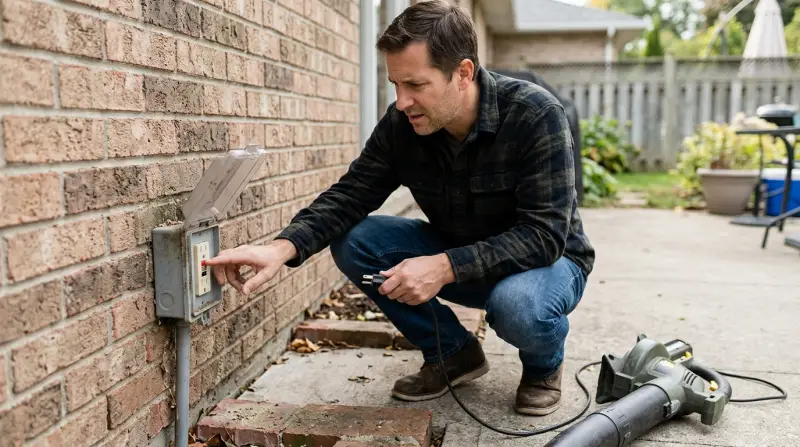
Outdoor outlets, also called exterior receptacles, face more challenges than those inside your home. They deal with rain, dirt, bugs, and temperature changes. These factors can lead to problems that are rare indoors.
Some common reasons why an outdoor outlet stops working include:
- Tripped GFCI: Most outdoor outlets are protected by a GFCI (Ground Fault Circuit Interrupter), which turns off power if it senses danger.
- Tripped breaker: The outlet’s circuit breaker might have switched off due to overload or a short circuit.
- Weather damage: Water, snow, or ice can get inside and cause corrosion.
- Loose wiring: Vibration, temperature changes, or poor installation can loosen connections.
- Faulty outlet: The outlet itself may be old or broken.
- Blown fuse: In older homes, a fuse may have blown instead of a breaker tripping.
It’s also possible that animals, like ants or mice, have damaged wiring behind the outlet.
How Outdoor Outlets Work
Outdoor outlets are similar to indoor ones, but they have extra safety features. Most are GFCI outlets or connected to a GFCI outlet inside. This device quickly shuts off power if it detects even a small electrical leak, which could be dangerous if someone is standing on wet ground.
They also have weather-resistant covers. These are designed to keep water out, even when something is plugged in. However, if the cover is missing or broken, water can still reach the outlet and cause it to fail.
Key Differences: Outdoor Vs. Indoor Outlets
| Feature | Outdoor Outlets | Indoor Outlets |
|---|---|---|
| Weather Protection | Required | Not required |
| GFCI | Always required | Required only in wet locations |
| Cover Type | In-use (bubble) cover | Standard cover plate |
| Wire Type | Weather-resistant wire | Standard wire |
Non-obvious insight: Sometimes, the GFCI protecting your outdoor outlet is not outside—it might be in your garage or basement. If that outlet trips, it can cut power to all outdoor outlets.

First Steps: What To Check When Your Outdoor Outlet Doesn’t Work
Before you call an electrician, try these steps. Many outdoor outlet problems have simple solutions.
- Test other outlets nearby: Plug something into other outdoor outlets. If none work, the problem may be at the breaker or GFCI that protects all of them.
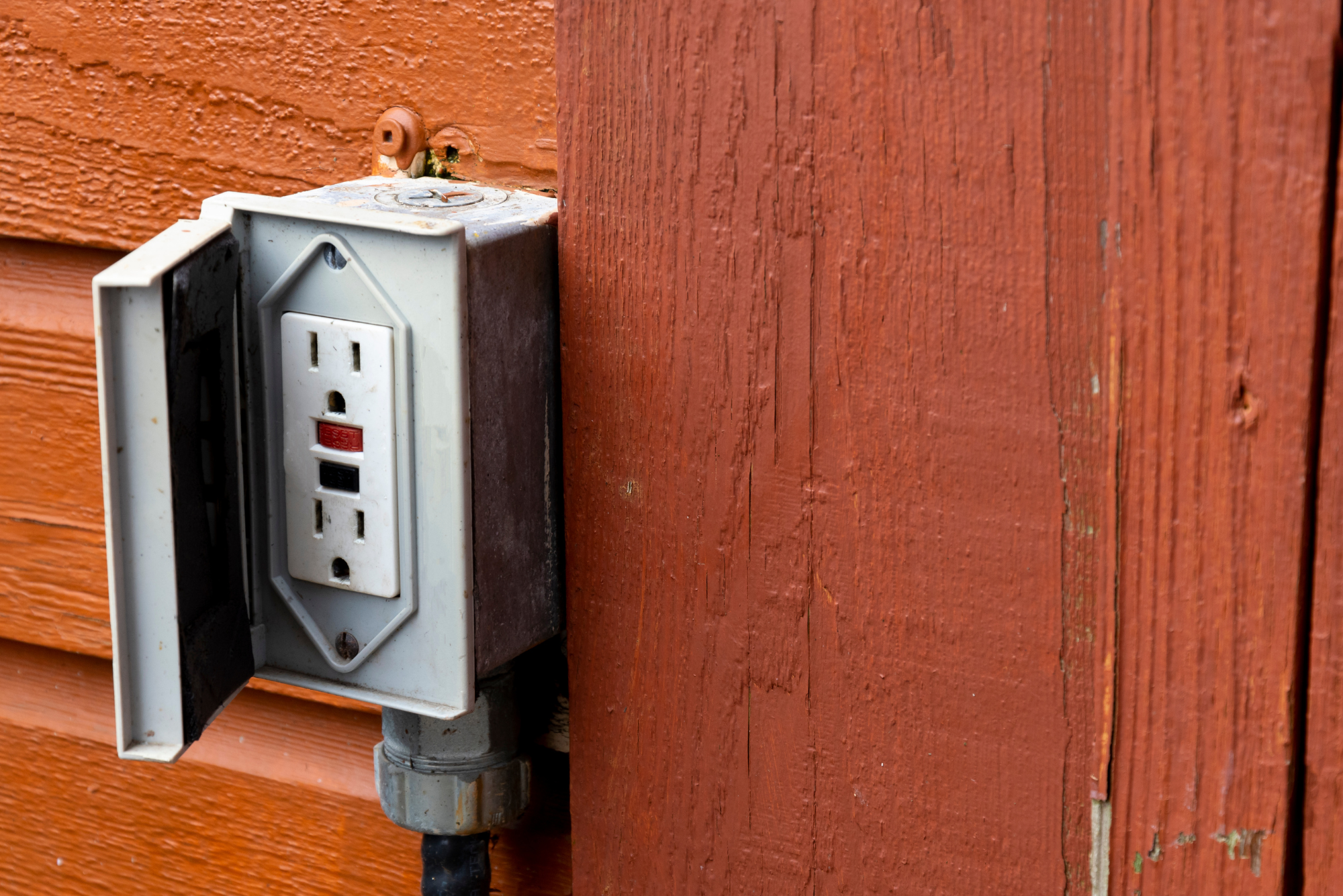
- Look for a reset button: If your outdoor outlet has two small buttons (often labeled “RESET” and “TEST”), it’s a GFCI outlet. Press the RESET button firmly.
- Check indoor GFCI outlets: Find other GFCI outlets in your home (garage, basement, kitchen, bathrooms) and press their RESET buttons.
- Inspect the breaker panel: Open your electrical panel and look for a breaker that is OFF or not fully ON. Flip it OFF, then back ON.
- Check for moisture: If you see water, moisture, or rust inside the outlet or cover, do not use it. Moisture can cause a GFCI to trip or damage wiring.
- Try a different device: Sometimes, the tool or light you’re plugging in is faulty, not the outlet.
Common Mistakes Beginners Make
- Ignoring indoor GFCIs: Many people don’t realize an inside outlet can control outside outlets.
- Not pressing the reset hard enough: GFCI reset buttons can stick, especially outdoors.
- Forcing a plug: If the outlet is loose or the plug doesn’t fit easily, forcing it can cause more damage.
Safety First: When To Stop And Call A Pro
Electricity can be dangerous. If you’re not sure, or if these warning signs appear, stop and call a licensed electrician:
- Visible sparks or smoke from the outlet
- Burning smell or melted plastic
- Signs of water inside the outlet or cover
- Repeated breaker trips even after reset
- Outlet is hot to the touch
Never open an electrical box if you see these problems. Some repairs require shutting off power at the main panel, special tools, and knowledge of local code.
Deeper Troubleshooting Steps
If basic checks didn’t fix the problem, it’s time to look deeper. These steps may help you find the cause, but only try them if you’re comfortable and know how to turn off power safely.
Remove The Outlet Cover
Turn off the power at the breaker first. Use a voltage tester to confirm the outlet is off. Remove the weather cover and unscrew the outlet from the box. Look for:
- Loose wires: Wires can wiggle free from screws.
- Corrosion: White or green powder means water has entered.
- Burn marks: Dark or melted spots show overheating.
Test For Power
With the outlet pulled out (but not disconnected), use a non-contact voltage tester or multimeter:
- No power at wires: The problem is likely further back, at the GFCI or breaker.
- Power at wires but not outlet: The outlet itself is bad and needs replacing.
Inspect Wire Connections
Outdoor outlets often use “backstab” wire connections, where wires push into holes instead of wrapping around screws. These can loosen over time, especially with temperature changes. If you find this, move the wires to the screw terminals for a better connection.
Check For Daisy-chaining
Outdoor outlets are often “daisy-chained,” meaning one feeds the next. If one outlet fails, all downstream outlets lose power. Find the first outlet in the line (usually the GFCI) and check it carefully.
Non-obvious insight: Sometimes, a single bad connection inside the house causes all outdoor outlets to stop, even if the problem seems to be outside.
Outdoor Outlet Repairs You Can Do Yourself
Some fixes are safe for homeowners with basic skills. If you turn off the breaker and double-check with a tester, you can:
- Replace a broken outlet: Use a weather-resistant GFCI outlet.
- Tighten loose wires: Move wires from backstab to screws.
- Change a broken cover: Always use a bubble cover for safety.
Here’s a quick step-by-step for replacing an outdoor outlet:
- Shut off power at the breaker.
- Test for power with a voltage tester.
- Remove the old outlet and note wire locations.
- Install the new GFCI outlet, matching wires to terminals.
- Attach a new cover rated for outdoor use.
- Turn on power and test the outlet.
If you are not sure, or if wires are burnt or corroded, call a pro.
When The Problem Is Bigger: Circuit Breakers, Fuses, And Old Wiring
Sometimes, an outdoor outlet problem is a sign of a bigger issue.
Breaker Keeps Tripping
If the circuit breaker turns off again and again, there may be a short circuit or too many things plugged in. Try unplugging everything from the circuit and resetting the breaker. If it still trips, don’t keep trying—this is a safety warning.
Fuse Blown
Older homes may have fuses instead of breakers. If a fuse blows, replace it with the exact same size. Never use a larger fuse, or you could cause a fire.
Old Or Damaged Wiring
Outdoor wiring can last decades, but exposure to the elements or animals can damage insulation. Cracked, brittle, or chewed wires are dangerous. Repairs may require running new wire rated for outdoor use.
Preventing Outdoor Outlet Problems
Prevention saves time and money. Here’s how to keep your outdoor outlets working and safe year-round.
- Use outlet covers at all times. Bubble covers protect even when something is plugged in.
- Check outlets yearly for rust, cracks, or loose covers.
- Seal gaps around the outlet box with silicone to keep out water and bugs.
- Unplug devices during heavy rain or snow.
- Test GFCI outlets every month using the TEST button.
- Use the right extension cords: Only use outdoor-rated cords outside.
Weather, Seasons, And Your Outlets
| Season | Common Problems | Prevention Tips |
|---|---|---|
| Winter | Ice, snow, moisture | Use bubble covers, unplug seasonal lights after use |
| Spring | Animal nests, wet weather | Inspect outlets after thaw, clean covers |
| Summer | High use, rainstorms | Test GFCIs monthly, check for damage after storms |
| Fall | Leaves, moisture, insects | Clear debris, check for bugs, seal cracks |

Upgrading Outdoor Outlets For Extra Safety And Convenience
If your outdoor outlets are old or not working well, now is a good time to upgrade. Modern outdoor outlets have features that make them safer and easier to use.
- Weather-resistant GFCI outlets: These last longer and work better in all conditions.
- In-use covers: Allow safe use even during rain.
- Tamper-resistant outlets: Keep kids and pets safer.
- Smart outlets: Control outdoor lights or appliances from your phone.
Upgrading can also increase your home’s value and safety.
Cost Comparison: Repair Vs. Upgrade
Here’s a look at typical costs for outdoor outlet repair and upgrade.
| Task | DIY Cost | Professional Cost |
|---|---|---|
| Replace outlet | $20–$40 | $100–$200 |
| Install new outlet | $30–$60 | $150–$350 |
| Replace cover | $8–$20 | $50–$75 |
| Upgrade to smart outlet | $40–$80 | $180–$400 |
Upgrades often pay off in lower maintenance and higher safety.
Hidden Dangers And How To Avoid Them
Some outdoor outlet problems are easy to miss but can be dangerous.
- Partial power: Sometimes, an outlet seems to work, but only weakly. This can mean a loose wire or corrosion, which can overheat and cause a fire.
- Flickering lights: If outdoor string lights flicker, the outlet or wiring may be failing.
- Intermittent operation: If the outlet works sometimes but not always, moisture or a loose connection is likely.
If you see these signs, don’t wait—fix the problem or call a professional.
Codes And Rules: What The Law Says About Outdoor Outlets
The National Electrical Code (NEC) has special rules for outdoor outlets. Most places in the US require:
- GFCI protection for all outdoor outlets.
- Weatherproof covers even if nothing is plugged in.
- “In-use” covers if something is plugged in.
- Tamper-resistant outlets in homes built after 2008.
Following code keeps your home safer and may be required for insurance.
For full details, you can check the National Fire Protection Association.
When To Call An Electrician
If you’ve tried all the simple steps and the outlet still doesn’t work, it’s time for a pro. Call an electrician if:
- You find burnt or melted wires.
- The outlet is wet inside.
- Breakers or GFCIs keep tripping.
- You’re not comfortable working with electricity.
A licensed electrician can test the circuit, find hidden wiring problems, and fix them safely. This is especially important if your home is older, or if you suspect rodents or water leaks.
Real-life Example: Outdoor Outlet Mystery Solved
Consider this story: A homeowner in Florida had outdoor outlets that stopped working every rainy season. They replaced the outlets and covers, but each year the problem came back. Finally, an electrician traced the problem to a GFCI outlet in the garage—hidden behind a box on a high shelf—that was tripping every time moisture got near the outdoor wiring.
Lesson: Sometimes, the real cause isn’t where you expect. Always check for all GFCIs, even inside the house.
Smart Outdoor Outlets: Are They Worth It?
Smart technology is everywhere, including outdoors. Smart outdoor outlets let you:
- Turn lights or fountains on/off with your phone
- Set timers for security or holiday lights
- Monitor energy use
If you often forget to turn things off, or want more control, a smart outlet can help. Just be sure to choose one rated for outdoor use.
Why Outdoor Outlets Matter For Your Home
A working outdoor outlet is more than a convenience. It’s a safety tool for your yard, pool, or holiday decorations. It makes life easier, but only if it’s safe and reliable.
Many house fires start with bad wiring or overloaded outlets. Outdoor outlets are even more exposed to danger. Keeping them in good shape protects your family and your property.
Frequently Asked Questions
Why Does My Outdoor Outlet Work Sometimes But Not Always?
This usually means there is a loose wire or moisture inside the outlet box. Moisture can cause the GFCI to trip or connections to corrode, leading to intermittent power. It can also be a sign of a failing outlet or breaker. Try drying the outlet (with power OFF) and tightening connections, but call a pro if the problem continues.
Do All Outdoor Outlets Need To Be Gfci Protected?
Yes, the National Electrical Code requires GFCI protection for all outdoor outlets in the US. This protects against shock if water or moisture is present. Even older homes are often updated to include GFCIs for outdoor outlets.
What Is The Difference Between A Gfci And A Regular Outlet?
A GFCI (Ground Fault Circuit Interrupter) detects small electrical leaks (which can be dangerous) and shuts off power instantly. A regular outlet does not have this safety feature. GFCI outlets have TEST and RESET buttons on the front.
Can I Use A Regular Extension Cord Outside?
No, only outdoor-rated extension cords should be used with outdoor outlets. Indoor cords are not weather-resistant and can break down quickly, creating a shock or fire hazard.
Is It Safe To Fix An Outdoor Outlet Myself?
Some repairs like replacing a cover or outlet are safe if you turn off the breaker and use a voltage tester. However, if you see burnt wires, water, or signs of animal damage, or if you’re unsure, always call a licensed electrician for safety.
A reliable outdoor outlet is key for a safe, functional home. With the right steps, you can fix many problems yourself or know when to call a pro. Take care of your outdoor outlets, and they’ll serve you well for years.