
Hyundai has built a reputation for affordable, reliable cars. But over the past decade, many Hyundai owners have reported issues with acceleration problems. These can range from slow response when pressing the gas pedal, to sudden unintended acceleration, or even complete loss of power while driving. Such issues can affect both safety and driving comfort. If you drive a Hyundai or plan to buy one, understanding why these problems happen—and how to fix them—can save you time and money. Let’s take a close look at the causes, warning signs, solutions, and common misunderstandings around Hyundai acceleration problems.
Common Symptoms Of Hyundai Acceleration Problems
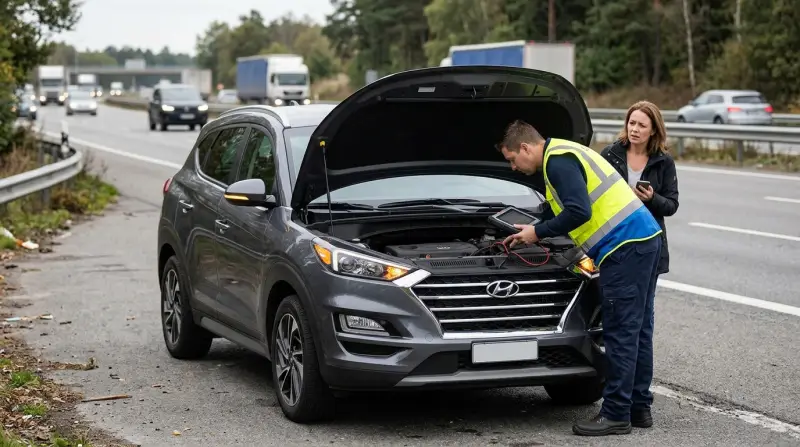
Many drivers notice acceleration issues before the problem becomes serious. Here are some typical signs:
- Delayed throttle response: You press the accelerator, but the car is slow to react.
- Sudden jerking or surging: The car speeds up unexpectedly, or feels jerky when you try to accelerate smoothly.
- Loss of power: The vehicle struggles to pick up speed, especially during uphill driving.
- Stalling: The engine stops running while you try to accelerate, often at low speeds or from a stop.
- Warning lights: The Check Engine or Malfunction Indicator Light (MIL) turns on.
If you notice any of these signs, it’s important to get your Hyundai checked soon. Ignoring them can lead to bigger, more expensive repairs.
Major Causes Of Acceleration Problems In Hyundai Cars
Acceleration issues can come from several sources. Let’s break down the most common causes:
Faulty Throttle Position Sensor (tps)
The Throttle Position Sensor tells the engine computer how much you want to accelerate. If it’s broken or sending wrong signals, the engine may not respond correctly. This can cause hesitation, surging, or stalling.
Dirty Or Failing Mass Air Flow (maf) Sensor
The MAF sensor measures the air entering the engine. If it’s dirty or failing, the engine may not get the right fuel mix. This leads to slow acceleration and rough idling.
Transmission Problems
Hyundai automatic transmissions sometimes develop issues with shifting. If gears don’t change smoothly, or the transmission slips, the car won’t accelerate as expected. Transmission fluid leaks or low fluid can also cause these symptoms.
Fuel System Issues
A clogged fuel filter, failing fuel pump, or dirty injectors can starve the engine of fuel. This results in weak acceleration and sometimes stalling.
Electronic Control Unit (ecu) Glitches
The ECU is the brain of your car. If it has software bugs or gets damaged, it might mismanage throttle or fuel delivery. Some Hyundai models have had recalls for ECU reprogramming.
Mechanical Problems
Less common, but possible: issues with the timing belt, spark plugs, or even a blocked exhaust system can reduce engine power.
| Problem | Typical Symptoms | Model Years Affected |
|---|---|---|
| Throttle Position Sensor | Delayed response, surging | 2011-2017 |
| MAF Sensor | Rough idle, weak acceleration | 2010-2016 |
| Transmission | Slipping, slow acceleration | 2012-2020 |
| Fuel System | Stalling, power loss | 2013-2022 |
| ECU | Random acceleration, warning lights | 2016-2021 |
Hyundai Models Most Affected
Not every Hyundai has acceleration problems. Some models are more prone to issues, often due to design or parts used. Here are the most reported:
- Hyundai Elantra (2011–2019): Many owners complain of slow acceleration, especially after 60,000 miles.
- Hyundai Sonata (2010–2018): Reports of jerky acceleration and transmission troubles.
- Hyundai Tucson (2014–2021): Hesitation and stalling, usually linked to sensors.
- Hyundai Santa Fe (2012–2020): Loss of power and fuel system issues.
- Hyundai Accent (2015–2020): Occasional throttle or ECU glitches.
Some models have recalls related to acceleration or engine management. You can check your VIN on Hyundai’s official recall site to see if your car is affected.
Real Data: Complaints And Recalls
According to the US National Highway Traffic Safety Administration (NHTSA), Hyundai owners have filed thousands of complaints about acceleration problems over the past decade. In 2022 alone, over 800 complaints related to throttle or power loss were recorded for Hyundai Elantra and Sonata models.
There have been several recalls:
- In 2016, Hyundai recalled nearly 200,000 Sonata and Santa Fe vehicles for ECU reprogramming.
- In 2019, Hyundai Tucson models were recalled for faulty fuel pumps causing stalling.
These numbers show the issue is not rare. But it’s important to remember that most Hyundai cars do not experience major acceleration problems.
| Model | Complaints (2010–2023) | Recalls |
|---|---|---|
| Elantra | 3,500+ | 2 major |
| Sonata | 2,800+ | 3 major |
| Tucson | 1,200+ | 1 major |
| Santa Fe | 1,000+ | 2 major |
| Accent | 600+ | 1 minor |

Credit: www.reddit.com
Diagnosing Acceleration Issues: What To Check First
If your Hyundai has acceleration problems, here’s how to start diagnosing:
- Scan for error codes: Most modern Hyundais have OBD-II ports. A cheap scanner can read codes from the ECU. Codes like P0122 or P0171 often point to sensor or fuel problems.
- Check air and fuel filters: Dirty filters restrict performance. Replace them if they haven’t been changed recently.
- Inspect throttle and MAF sensors: Look for dirt, damage, or loose wiring. Clean or replace as needed.
- Look for leaks: Transmission fluid or fuel leaks can cause loss of power. Fix leaks quickly.
- Check for recalls: Use your VIN to see if any open recalls apply to your car.
Many owners overlook simple fixes, like cleaning the MAF sensor or replacing the air filter. These steps often solve minor acceleration issues.
Fixing Hyundai Acceleration Problems
Depending on the cause, fixes can be simple or complex. Here are the most common solutions:
Sensor Cleaning Or Replacement
Cleaning a dirty MAF or throttle sensor can restore normal acceleration. Replacement sensors cost between $40 and $150, plus labor.
Fuel System Maintenance
Replace the fuel filter every 40,000 miles. If the fuel pump fails, expect to pay $300–$700 for replacement.
Transmission Service
If your transmission slips or shifts slowly, a fluid change may help. If problems persist, you may need repairs costing $1,000–$3,000.
Ecu Reprogramming
For certain models, dealers offer free ECU updates if your car is under recall. Otherwise, ECU diagnostics and reprogramming can cost $100–$400.
Basic Tune-up
Changing spark plugs, cleaning injectors, and checking timing can fix minor power loss.
It’s always wise to start with basic maintenance before moving to expensive repairs.

Credit: www.youtube.com
How To Prevent Acceleration Problems
Prevention is easier and cheaper than repair. Here’s how to keep your Hyundai running smoothly:
- Regular maintenance: Follow Hyundai’s schedule for filter and fluid changes.
- Use quality fuel: Low-quality gasoline can clog injectors and sensors.
- Check sensors annually: Clean or replace sensors before they fail.
- Avoid aggressive driving: Hard acceleration can strain parts.
- Respond to warning lights: Never ignore the Check Engine light.
Owners often forget that small neglects—like ignoring a dirty air filter—can lead to bigger acceleration issues. Keeping up with maintenance is the best defense.
Hyundai Vs. Competitors: Acceleration Issue Comparison
Hyundai is not alone in facing acceleration problems. But how does it compare to other brands like Toyota and Honda? Here’s a quick look:
| Brand | Acceleration Complaints (per 100,000 cars) | Major Recalls |
|---|---|---|
| Hyundai | 18 | 6 |
| Toyota | 21 | 7 |
| Honda | 15 | 5 |
| Kia | 16 | 6 |
As you can see, Hyundai’s rate of complaints is similar to other mainstream brands. The difference is often in how quickly recalls are issued and how well dealers respond.
Credit: www.autoevolution.com
Two Insights Most Owners Miss
- Sensor issues are often caused by dirt, not failure. Many acceleration problems can be fixed with simple cleaning. Mechanics may recommend replacement, but cleaning sensors saves money and works for most cases.
- ECU software updates are free if part of a recall. Some owners pay for ECU fixes without knowing they can get them free from Hyundai if their model is affected. Always check recall status first.
When To Seek Professional Help
If you’ve tried basic maintenance and still have problems, it’s time to visit a professional. Warning signs that need expert attention include:
- Repeated stalling at different speeds
- Transmission slipping or failing to shift
- Complete loss of acceleration
- Unusual sounds or smells
Certified Hyundai technicians have special tools and knowledge. Don’t risk your safety by delaying repairs.
Frequently Asked Questions
Why Does My Hyundai Hesitate When I Accelerate?
Most often, hesitation is caused by a dirty throttle or MAF sensor. It can also be linked to a clogged fuel filter or weak fuel pump. Simple cleaning and maintenance often fix the issue.
Are Hyundai Acceleration Problems Dangerous?
Yes, if ignored. Sudden loss of power or unintended acceleration can cause accidents. Always address symptoms quickly.
How Much Does It Cost To Fix Hyundai Acceleration Problems?
Costs vary by cause. Sensor cleaning may cost under $50, while transmission repairs can reach $3,000. Basic tune-ups are usually affordable.
Which Hyundai Models Are Most Affected?
The Elantra, Sonata, Tucson, and Santa Fe have the most complaints. However, all models can develop issues if maintenance is neglected.
Where Can I Check For Hyundai Recalls?
You can check recalls by entering your VIN on Hyundai’s official site or through the NHTSA database. For more details, visit NHTSA Vehicle Recall Lookup.
Hyundai acceleration problems can be frustrating, but most are preventable and fixable. By staying alert to symptoms, keeping up with maintenance, and checking for recalls, you can enjoy safe, smooth driving for years.