
A leaking Samsung washer can quickly turn laundry day into a stressful situation. Whether you see a few drops under the machine or a pool of water spreading across the floor, leaks are a sign something isn’t right. Many people worry that a leak means a major repair or replacement, but most washer leaks are fixable with the right approach.
Understanding the causes, knowing what to check, and learning how to prevent future leaks can help you take action confidently. This guide covers practical troubleshooting steps, common mistakes, and important details that even experienced users sometimes overlook.
Why Is Your Samsung Washer Leaking?
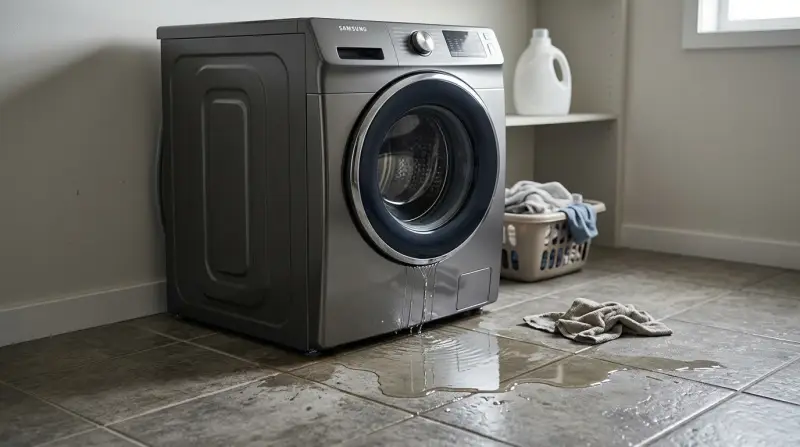
Seeing water under your Samsung washer doesn’t always mean disaster. Most leaks happen for simple reasons, such as a loose hose, worn gasket, or blocked drain. However, ignoring leaks can lead to bigger problems, like mold, damaged flooring, or even electrical issues. It’s important to act fast and find the real cause. Not all leaks are the same—some are easy to fix, while others need professional help.
Common Leak Locations
Before you start troubleshooting, look closely at where the water appears:
- Front of the washer: Often related to the door seal or detergent drawer.
- Back of the washer: Usually caused by hose or water supply issues.
- Underneath the washer: May be a sign of internal leaks, pump problems, or tub damage.
Knowing the leak location helps you narrow down the problem and avoid unnecessary repairs.
Troubleshooting Steps: Finding The Leak Source
Fixing a Samsung washer leak starts with careful inspection. Follow these steps:
1. Check Water Supply Hoses
Look behind your washer. The water supply hoses connect your machine to your home’s plumbing. These hoses can loosen, crack, or wear out over time.
- Inspect for visible cracks or bulges.
- Tighten the connection points if they’re loose.
- If hoses are over 5 years old, consider replacing them.
A surprising number of leaks trace back to these hoses. Many people forget that hoses age even if the washer is new.
2. Inspect The Door Seal (gasket)
On front-loading Samsung washers, the door gasket is a common leak spot. This rubber ring can collect lint, hair, or detergent residue.
- Wipe the gasket clean regularly.
- Look for tears or worn spots.
- If damaged, replace the gasket to prevent leaks.
It’s easy to miss small debris trapped in the folds of the gasket, which can lead to hidden leaks.
3. Examine The Detergent Drawer
The detergent drawer can leak if overloaded or blocked.
- Remove the drawer and clean it thoroughly.
- Check for soap build-up or mold.
- Avoid using too much detergent, as excess suds can overflow.
Samsung recommends using only high-efficiency (HE) detergent for their washers.
4. Review The Drain Hose
The drain hose moves water out of your washer. If it’s clogged, kinked, or not properly installed, water may leak.
- Make sure the hose is not bent or pinched.
- Clean the hose if you suspect a blockage.
- Secure the hose properly in its drain standpipe.
Drain hoses sometimes get pushed too far down the pipe, causing water to siphon back and leak.
5. Check The Pump And Internal Parts
If you see water under the washer, the leak might come from the drain pump or internal parts.
- Listen for unusual sounds during the spin cycle.
- If you’re comfortable, open the rear panel and look for water near the pump.
- For internal leaks, it’s best to call a professional.
Samsung washers use high-speed pumps, which can develop leaks after years of use.
Credit: www.reddit.com
Comparing Leak Causes: Samsung Vs Other Brands
Samsung washers have unique features, but leak causes are often similar to other brands. Here’s a quick comparison:
| Leak Cause | Samsung | LG | Whirlpool |
|---|---|---|---|
| Door Gasket | Common | Common | Less Common |
| Detergent Drawer | Moderate | Rare | Rare |
| Drain Hose | Common | Common | Common |
| Pump Failure | Occasional | Occasional | Occasional |
This table shows that door gasket leaks are especially common in Samsung and LG front-loaders, while detergent drawer leaks are more unique to Samsung.
How To Fix A Samsung Washer Leak
Once you find the source, you can decide how to fix it. Here are practical repair steps for typical leaks:
Fixing Hose Leaks
- Turn off the water supply before working.
- Unscrew the hoses and check the rubber washers inside. Replace them if worn.
- Reconnect hoses tightly, but don’t overtighten.
Some hoses have a burst-proof design. If you see a mesh or reinforced layer, choose a similar replacement.
Replacing The Door Gasket
- Unplug your washer for safety.
- Open the door and remove the retaining band around the gasket.
- Pull out the old gasket and install the new one, making sure it fits snugly.
- Reattach the retaining band.
Door gaskets are available from Samsung and appliance stores. Match the model number for correct sizing.
Cleaning The Detergent Drawer
- Pull the drawer out completely.
- Soak in warm, soapy water to loosen buildup.
- Use a soft brush to scrub the inside.
- Dry before reinserting.
Regular cleaning prevents leaks and keeps your washer running smoothly.
Clearing The Drain Hose
- Detach the hose from the machine and drain pipe.
- Run water through the hose to clear blockages.
- Reconnect firmly, making sure the hose isn’t too deep in the standpipe.
A blocked hose can cause water to back up and leak during the spin cycle.
Repairing Internal Leaks
If the leak comes from the pump, tub, or internal valve:
- Check your warranty. Samsung washers often have 1-year parts coverage.
- Contact a certified repair technician.
- Avoid opening the washer yourself if you’re unsure—it can void your warranty.
Some internal leaks are due to unbalanced loads or excessive vibration, which can stress seals and connections.
Credit: www.youtube.com
Preventing Washer Leaks
Prevention is easier than repair. Here are smart habits to keep your Samsung washer leak-free:
- Check hoses every 6 months for signs of wear.
- Clean the door gasket weekly to remove lint and soap.
- Use only HE detergent and follow the recommended amount.
- Inspect the drain hose after each move or installation.
- Don’t overload the washer—excess weight can damage seals.
Most leaks happen because of skipped maintenance. Setting reminders can help you stay on top of basic care.
Samsung Washer Leak Statistics
Leaks are a frequent complaint among washer users. According to a 2023 appliance survey:
- About 12% of Samsung washer owners report leaks within the first 5 years.
- Door gasket leaks make up 40% of all Samsung washer leak cases.
- Hose failures cause 30% of leaks.
- Internal pump or valve leaks are rarer, at around 10%.
These numbers show that simple parts—like the gasket and hoses—are the most likely sources. Regular inspection can catch problems early.
Diy Or Professional Repair?
Deciding whether to fix the leak yourself or call a pro depends on your confidence and the leak’s location. Here’s a quick comparison:
| Repair Type | DIY Friendly | Needs Professional | Estimated Cost |
|---|---|---|---|
| Hose Replacement | Yes | No | $15–$50 |
| Door Gasket | Yes | No | $40–$120 |
| Pump Repair | No | Yes | $150–$300 |
| Tub Seal | No | Yes | $200–$400 |
Most hose and gasket repairs are DIY friendly, but internal issues require professional service.
Real-world Example: Fixing A Samsung Washer Leak
Let’s look at a typical scenario. Anna noticed water pooling in front of her Samsung washer after every cycle. She checked the hoses, but they were dry. The water seemed to come from the bottom of the door. After inspecting the gasket, she found a small tear.
She ordered a replacement gasket for her model, followed a YouTube tutorial, and fixed the leak herself in under 30 minutes. Her total cost was $50 for the new gasket.
This shows that careful inspection and simple repairs can solve many leaks without expensive help.
Hidden Causes Beginners Often Miss
Many first-time washer owners overlook these points:
- Overfilling: Using too much detergent or overloading the drum causes excess suds and leaks.
- Drain pipe height: The drain pipe should be 18–24 inches high. Too low or too high can cause siphoning or overflow.
- Regular cleaning: Ignoring the detergent drawer and gasket leads to buildup and leaks.
These details are easy to miss but make a big difference in leak prevention.
When To Replace Your Samsung Washer
If leaks keep coming back after repairs, or if your washer is over 10 years old, it may be time to consider a replacement. New Samsung models have improved seals and hose designs. Check for features like leak detection sensors and water shut-off valves. If repair costs add up to half the price of a new machine, replacement is usually a smarter choice.
You can compare models and features on the official Samsung site or trusted review sources like Consumer Reports.
Credit: appliancerepairexpert.ca
Frequently Asked Questions
What Should I Do First If My Samsung Washer Is Leaking?
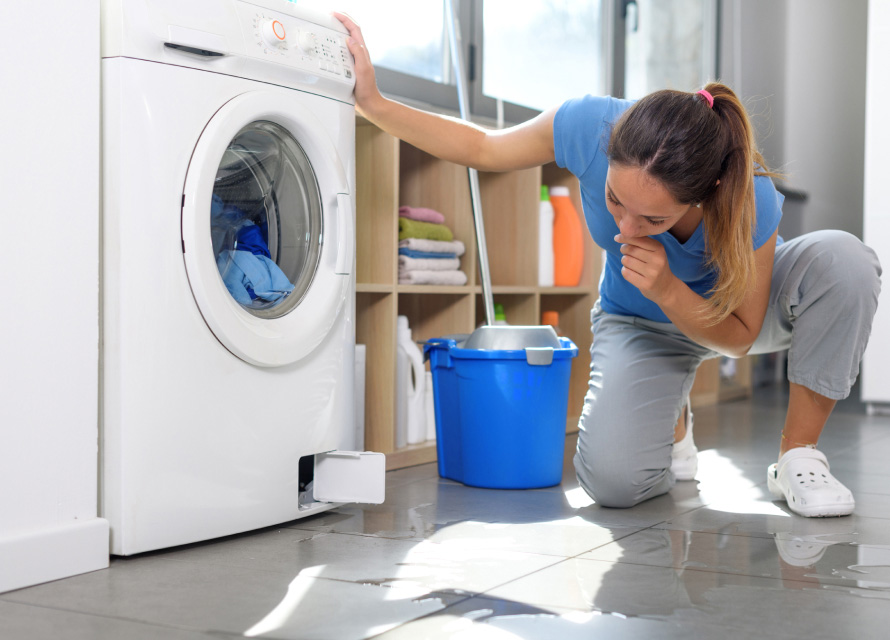
Start by unplugging the washer and stopping the water supply. Check the visible hoses, door gasket, and detergent drawer for obvious problems. Dry the area and try to find the exact leak spot before deciding on repairs.
Can I Use Regular Detergent In My Samsung Washer?
No, Samsung recommends using only high-efficiency (HE) detergent. Regular detergent causes excess suds, which can lead to leaks and damage to internal parts.
How Often Should I Check The Hoses And Gasket?
Inspect hoses and the door gasket every 6 months for signs of cracks, wear, or buildup. Early checks help prevent sudden leaks and expensive repairs.
Are Samsung Washers More Likely To Leak Than Other Brands?
Leak rates are similar across major brands. However, door gasket leaks are more common in Samsung and LG front-loaders compared to Whirlpool and other top-loaders.
Is A Leaking Samsung Washer Covered By Warranty?
Most leaks caused by faulty parts are covered under Samsung’s 1-year parts and labor warranty. Always check your warranty and contact Samsung support for repairs needed within the coverage period.
Fixing a leaking Samsung washer isn’t always complicated. With a careful approach and regular maintenance, you can keep your machine running smoothly for years. Acting quickly when you notice a leak saves money, prevents damage, and makes laundry day stress-free.