
When your dryer keeps shutting off, it can quickly turn laundry day into a headache. You load your clothes, set the timer, and expect the machine to do its job. But instead, the dryer stops after a few minutes—or sometimes even seconds—leaving you with damp clothes and lots of questions. This problem isn’t just annoying; it can also signal deeper issues that, if ignored, may lead to costly repairs or safety risks. Let’s explore why dryers shut off unexpectedly, how to diagnose the problem, and what you can do to fix it.
Understanding Why Dryers Shut Off
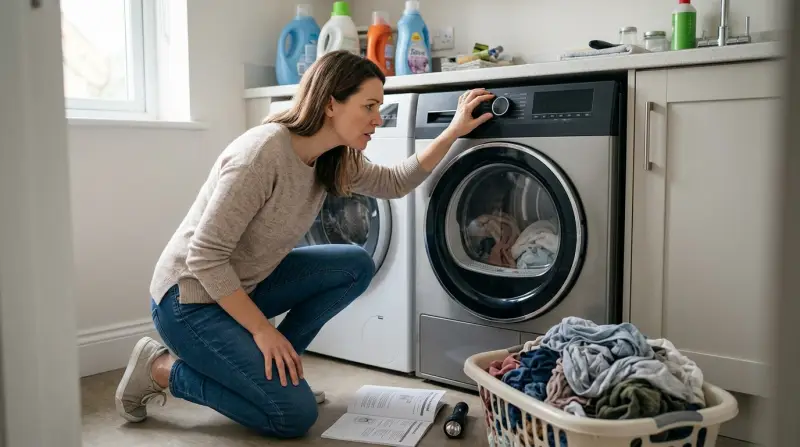
A dryer is built to run for a set period or until your clothes are dry. When it stops early, it’s usually because something isn’t right. Dryers have safety features to protect against fire, overheating, or mechanical failure. If any of these systems detect a problem, they will automatically shut off the machine.
The reasons behind this can range from simple to complex. Sometimes it’s just a dirty lint filter or an overloaded drum. Other times, it might be a faulty part, like a thermal fuse or door switch. Knowing how to spot the difference can save you time, money, and frustration.
Common Causes Of Dryer Shutting Off
Let’s look at the most frequent reasons a dryer keeps shutting off. Each cause requires a different approach, so it’s important to check them one by one.
Overheating
The most common cause is overheating. Dryers have sensors that monitor temperature. If the air inside gets too hot, the dryer will shut down to prevent a fire.
Why Does Overheating Happen?
- Clogged lint filter: Lint blocks airflow, making it hard for the dryer to vent hot air.
- Blocked vent hose: Lint, dust, or even birds can block the vent.
- Dirty or full lint trap: Not cleaning after every load is a common mistake.
Faulty Door Switch
The door switch tells the dryer if the door is closed. If it’s broken or loose, the dryer may think the door is open and stop mid-cycle.
Defective Thermal Fuse
A thermal fuse is a safety device that blows if the dryer gets too hot. If it fails, the dryer may shut off instantly or not start at all. This is a one-time-use part and must be replaced if blown.
Motor Problems
The dryer’s motor can overheat or fail. Overloading the drum or blocked airflow can cause the motor to stop working until it cools.
Faulty Moisture Sensor
Modern dryers use a moisture sensor to decide when clothes are dry. If this sensor is dirty or defective, it can send the wrong signal and shut the dryer off early.
Electrical Issues
Loose wires, a bad power cord, or issues with the outlet can interrupt power and cause the dryer to stop.
Control Board Malfunction
The control board is the dryer’s “brain.” If it’s damaged, the dryer may behave unpredictably, including shutting off at random times.
Drum Belt Issues
If the drum belt breaks or slips off, many dryers will automatically shut down to avoid further damage.
Overloaded Dryer
Stuffing too many clothes into the dryer can make it shut off. The motor works harder, overheats, and trips a safety mechanism.
How To Diagnose The Problem
You don’t always need to call a technician right away. With some basic checks, you can often identify what’s wrong.
Step 1: Check For Error Codes
Many modern dryers display error codes. Look in your user manual for what these mean. This is often the quickest way to pinpoint the issue.
Step 2: Examine The Lint Filter And Vent
Remove the lint filter and clean it. Then, check the vent hose for blockages. Even a partial blockage can cause major problems.
Step 3: Test The Door Switch
Open the dryer door and press the switch with your finger. If you don’t hear a click, the switch may be faulty.
Step 4: Listen For Motor Sounds
If the dryer hums but the drum doesn’t turn, the motor or the drum belt could be at fault.
Step 5: Inspect Electrical Connections
Unplug the dryer and check the plug, cord, and outlet for signs of burning, wear, or looseness.
Step 6: Check The Moisture Sensor
Wipe the sensor with a soft cloth and a bit of rubbing alcohol. If the problem continues, the sensor may need replacing.
Table: Common Causes And Quick Fixes
Here’s a quick comparison of the most likely causes and easy first steps:
| Cause | Common Sign | First Step |
|---|---|---|
| Overheating | Shuts off after a few minutes, feels hot | Clean lint filter and vent |
| Faulty Door Switch | Stops when door moves or is bumped | Check for loose switch |
| Thermal Fuse | Doesn’t start or stops quickly | Test/replace fuse |
| Motor Problem | Humming, burning smell | Let it cool, reduce load |
| Moisture Sensor | Stops while clothes are still wet | Clean sensor |
Step-by-step Fixes For A Dryer That Keeps Shutting Off
If you want to try fixing the problem yourself, here’s a simple approach. Always unplug your dryer before starting any inspection or repair.
Clean The Lint Filter
Remove all lint from the filter after every load. This is the easiest and most important maintenance step.
Check And Clean The Dryer Vent
Detach the vent hose and remove any lint or debris. Sometimes, you may need to use a vent cleaning brush or vacuum. Also, check the outside vent flap—birds or insects sometimes build nests that block it.
Avoid Overloading
Follow the manufacturer’s recommended load size. Smaller loads dry more evenly and put less strain on the machine.
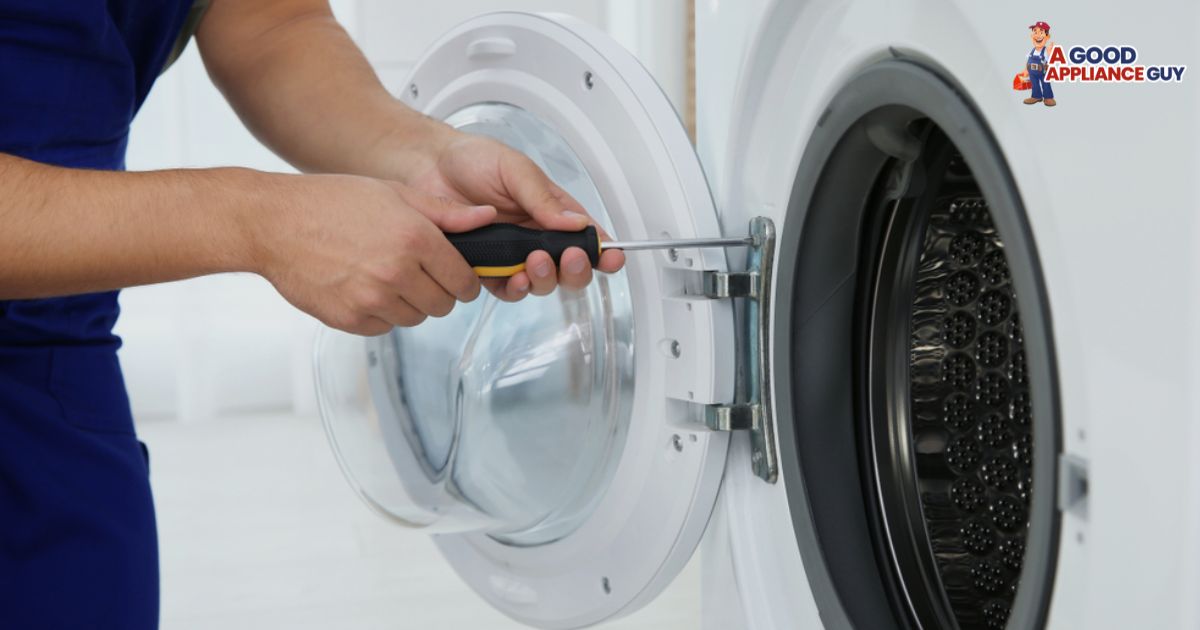
Test The Door Switch
If the switch is loose or doesn’t click, you may need to replace it. This is usually a low-cost part and can often be changed with basic tools.
Replace The Thermal Fuse
If your dryer won’t start or keeps shutting off, a blown thermal fuse could be the reason. This part is usually found near the exhaust duct inside the back panel. You’ll need a multimeter to check for continuity. If the fuse has blown, replace it.
Inspect And Clean The Moisture Sensor
The sensor is usually located inside the drum, near the lint filter. Use a soft cloth and rubbing alcohol to wipe away any residue.
Examine The Drum Belt And Motor
If the drum isn’t turning, the belt may be broken or the motor might be failing. Replacing a belt is a moderate DIY job. If the motor is burned out, it’s often better to call a professional.
Power And Electrical Checks
Make sure the plug is fully inserted into the outlet. If you notice scorch marks or a loose outlet, call an electrician.
Table: Diy Fixes Vs. When To Call A Professional
Some problems are safe to handle yourself, while others need expert help.
| Issue | DIY Fix? | Call a Pro? |
|---|---|---|
| Cleaning lint filter/vent | Yes | No |
| Replacing door switch | Yes (with tools) | If unsure |
| Thermal fuse replacement | Yes (with care) | If uncomfortable |
| Motor replacement | No | Yes |
| Electrical wiring | No | Yes |
Preventive Maintenance Tips
Many dryer problems can be prevented with regular care. Here’s what you can do to keep your machine running smoothly:
- Clean the lint filter after every use.
- Vacuum the vent hose and wall outlet every six months.
- Keep the area around your dryer clean to avoid dust buildup.
- Check the outside vent for blockages at least twice a year.
- Don’t overload the drum—follow the manufacturer’s guidelines.
- Schedule professional maintenance every few years, especially if your dryer is older.
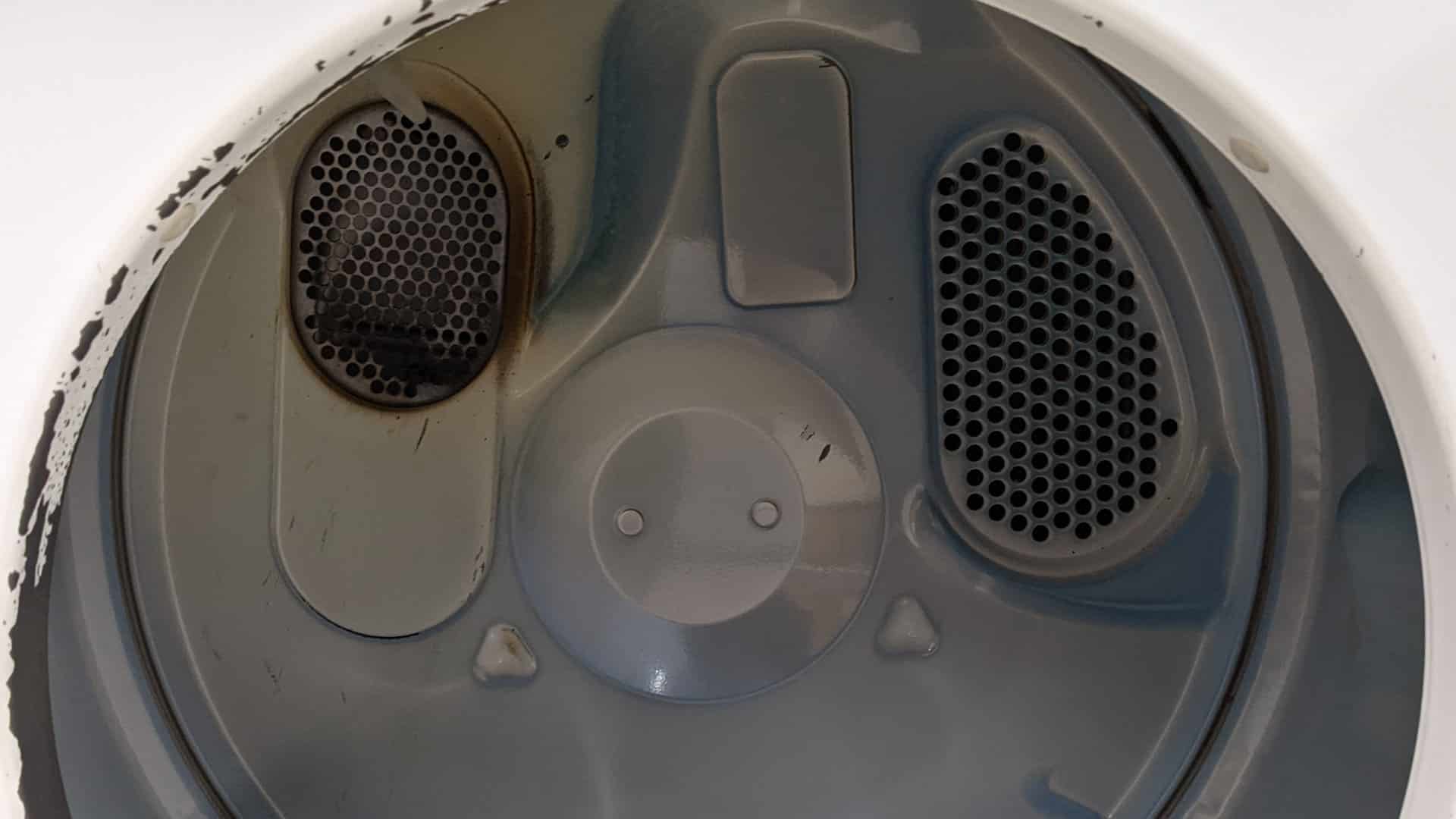
Many people forget that lint can build up in places you can’t see, like inside the machine or deep in the vent. This hidden lint is a major fire risk and a common reason dryers shut off without warning.
Data: Dryer Fires And Maintenance
According to the U.S. Fire Administration, nearly 2,900 home fires are caused by clothes dryers each year. The leading cause is failure to clean the dryer. Regular maintenance not only keeps your dryer working but also protects your home and family.
The Cost Of Fixing A Dryer That Shuts Off
You might wonder whether to fix a dryer or replace it. Here’s what to expect for common repairs:
| Repair | Average Cost (USD) |
|---|---|
| Thermal fuse replacement | $80–$150 |
| Door switch replacement | $50–$120 |
| Motor repair/replacement | $150–$300 |
| Professional vent cleaning | $100–$180 |
| Control board replacement | $200–$400 |
If your dryer is more than ten years old or repairs cost more than half the price of a new machine, it may make sense to replace it.
Non-obvious Insights For Beginners
- Lint can hide deep inside the dryer, not just in the filter or vent. Even after cleaning what you can see, built-up lint inside the machine can still cause overheating and shutdowns. Some dryers have internal screens or traps you might not know about—check your manual.
- Humidity in the laundry room can affect the moisture sensor. If your laundry room is very humid, the sensor might think your clothes are dry when they’re not, shutting off early. Running a dehumidifier or vent fan can help.
When To Replace Your Dryer
Sometimes, ongoing shutdowns mean it’s time for a new dryer. If you’ve fixed the obvious issues and your dryer is still unreliable, consider the following:
- The dryer is more than 10-12 years old
- Repairs cost more than 50% of a new dryer
- Parts are hard to find
- The machine uses much more energy than newer models
Modern dryers are more efficient and safer, with better sensors and improved airflow.
Where To Find More Help
If you’re unsure about a repair or want to see how to do it, many manufacturers and repair shops offer video guides online. The U.S. Consumer Product Safety Commission also has safety tips for dryer maintenance:
Frequently Asked Questions
Why Does My Dryer Shut Off After A Few Minutes?
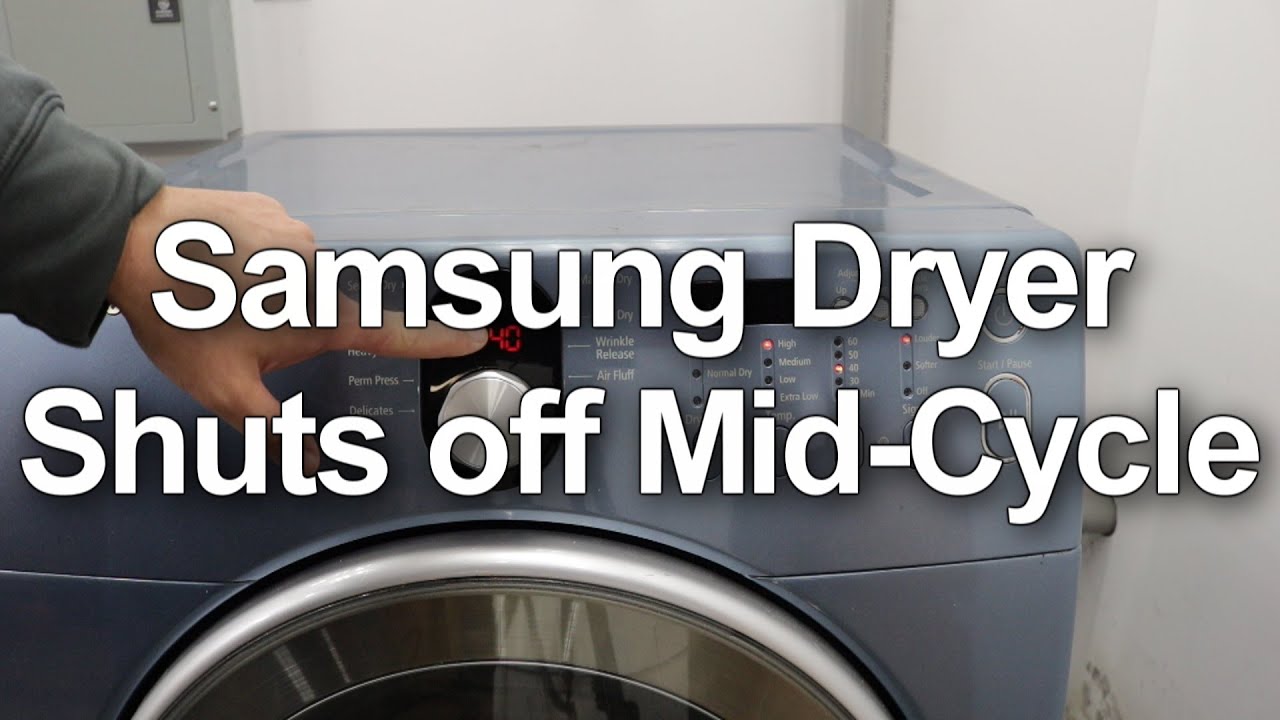
This usually means the dryer is overheating or there’s a problem with the door switch, thermal fuse, or vent blockage. Start by cleaning the lint filter and vent, then check the door switch.
Can A Bad Thermal Fuse Cause The Dryer To Shut Off?
Yes, a blown thermal fuse will stop the dryer from working. It’s a one-time-use safety device that must be replaced if blown.
Is It Safe To Use A Dryer That Keeps Shutting Off?
No, it’s not safe. Frequent shutdowns can mean overheating or electrical problems, both of which are potential fire risks. Always fix the problem before using the dryer again.
How Often Should I Clean My Dryer Vent?
At least once a year. If you do a lot of laundry or have a long vent hose, clean it every six months to prevent buildup.
Should I Repair Or Replace An Old Dryer That Keeps Shutting Off?
If repairs cost more than half the price of a new dryer or the machine is over ten years old, it’s usually better to replace it with a modern, energy-efficient model.
A dryer that keeps shutting off isn’t just a nuisance—it’s a warning sign. By understanding the possible causes and taking action, you can keep your laundry routine safe and stress-free. Regular cleaning, careful use, and smart repairs will keep your dryer running smoothly for years to come.