
Double doors look beautiful and offer wide openings, but the gap between the two doors often causes headaches. A small space here may let in cold drafts, dust, insects, and even noise. Many homeowners notice higher energy bills and less comfort, especially during winter or summer. If you want to make your space quieter, cleaner, and more energy-efficient, sealing the gap between double doors is a smart upgrade.
This guide covers everything you need to know. You’ll learn why these gaps appear, the best ways to seal them, how to choose the right method, and common mistakes to avoid. Whether you have French doors, patio doors, or double entry doors, you’ll find practical solutions that work.
Let’s get started.
Why Do Gaps Occur Between Double Doors?
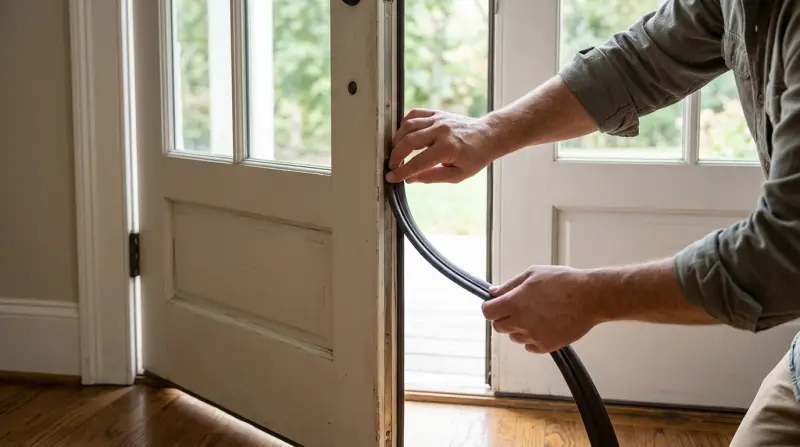
Even well-fitted double doors often have a vertical gap (sometimes called an “astragal gap” or “meeting stile gap”). This happens for several reasons:
- Movement of wood: Wood expands and contracts with changes in humidity and temperature. Over time, this movement can make gaps bigger or smaller.
- Wear and tear: Hinges loosen or doors sag, making the gap uneven.
- Manufacturing tolerances: Doors need a little space to open and close smoothly.
- Poor installation: If the frame or threshold isn’t perfectly square, gaps become obvious.
A small gap may seem harmless, but even a few millimeters can let in outside air, water, and pests. If you notice light coming through when the doors are closed, it’s time to seal that gap.
Main Problems Caused By Unsealed Gaps
Before fixing the issue, it helps to know what’s at stake. Unsealed double doors can create several problems:
- Energy loss: Gaps let heated or cooled air escape, making your HVAC system work harder. According to the U.S. Department of Energy, drafts can increase energy bills by 5%–30%.
- Noise infiltration: Gaps allow outside sounds to enter, reducing privacy and comfort.
- Dust and pollen: Allergens and dirt can enter easily.
- Moisture leaks: Rainwater can seep in, causing damage or mold.
- Pest entry: Small insects can find their way in through even tiny spaces.
Sealing the gap is a quick way to solve these issues and protect your home.

Types Of Double Door Gaps
Not all gaps are the same. Understanding your door’s specific gap helps you pick the right seal.
| Gap Type | Common Location | Typical Size |
|---|---|---|
| Vertical Meeting Gap | Between door edges | 2–8 mm |
| Top/Bottom Gap | Above or below doors | 3–12 mm |
| Side Frame Gap | Door edges and frame | 1–6 mm |
Most people focus on the vertical meeting gap, but it’s wise to check all sides for air leaks.
Best Methods To Seal The Gap Between Double Doors
There are several ways to seal double door gaps. The best method depends on your door type, gap size, and budget. Here are the most effective options:
Surface-mounted Astragal
An astragal is a vertical strip that covers the gap between two doors. It can be made from wood, metal, or plastic. Surface-mounted astragals are easy to install and offer good sealing.
Pros:
- Simple DIY installation
- Blocks drafts and light
- Works with most door types
Cons:
- May change the look of your doors
- Can get in the way if you want both doors open
T-astragal With Integrated Seals
Some double doors have a T-shaped astragal factory-installed on one door edge. Modern T-astragals often include rubber or silicone seals.
Pros:
- Excellent sealing
- Durable and low-maintenance
Cons:
- Needs professional fitting if not pre-installed
- May not work with all older doors
Weatherstripping
Weatherstripping is flexible material (usually foam, rubber, or silicone) that fills gaps. It’s affordable and quick to install.
Types:
- Foam tape: Good for small, uneven gaps
- Silicone or rubber seals: Last longer, better for larger gaps
Pros:
- Inexpensive
- Easy to DIY
- Can be trimmed to fit
Cons:
- May need replacing every few years
- Not as neat looking as astragals
Door Sweeps And Automatic Bottom Seals
If you notice air leaking under the doors, consider a door sweep or an automatic drop seal.
Pros:
- Keeps out drafts and dust from below
- Easy to add without removing doors
Cons:
- Only helps with bottom gaps
- May drag on carpets if not adjusted
Magnetic Or Brush Seals
Some modern double doors use magnetic strips or brush seals (like those on sliding doors).
Pros:
- Good for sound and air sealing
- Almost invisible
Cons:
- Require precise installation
- Not suitable for wide or uneven gaps

How To Choose The Right Sealing Solution
Not all doors and gaps are the same. Here’s a quick guide to help you decide:
| Gap Size | Best Solution | Estimated Cost |
|---|---|---|
| 1–3 mm | Foam weatherstripping | $5–$15 |
| 3–6 mm | Rubber/silicone seal or brush seal | $10–$30 |
| 6–10 mm | Surface-mounted astragal | $25–$80 |
| 10 mm and above | T-astragal or custom solution | $50–$200+ |
For best results, combine solutions. For example, use an astragal for the vertical gap and weatherstripping for frame gaps.
Step-by-step: How To Seal The Gap Between Double Doors
Here’s how to seal a typical vertical gap using weatherstripping or an astragal. Always check your door type and follow the manufacturer’s instructions.
Tools And Materials Needed
- Tape measure
- Utility knife or scissors
- Screwdriver or drill
- Weatherstripping or astragal kit
- Rubbing alcohol or cleaner
- Pencil/marker
Steps For Weatherstripping
- Clean the surface: Wipe the door edge with rubbing alcohol to remove dust and oils. This helps adhesive stick better.
- Measure the gap: Close the doors and use a tape measure to check the gap width and height.
- Cut weatherstripping: Trim the strip to match the door height.
- Apply the strip: Peel off the adhesive backing. Stick the weatherstripping to one door’s edge, covering the gap. Press firmly.
- Test the seal: Close the doors. Check for smooth closing and no visible light through the gap. Adjust if needed.
Steps For Installing A Surface-mounted Astragal
- Select the door leaf: Choose which door will have the astragal (usually the less-used one).
- Mark placement: Hold the astragal strip against the door edge. Mark screw locations with a pencil.
- Pre-drill holes: If needed, drill small pilot holes for screws.
- Attach the astragal: Screw the strip in place. Ensure the seal compresses slightly when doors close.
- Check alignment: Open and close both doors to ensure smooth operation.
Common Mistakes To Avoid
- Using the wrong seal size: Too thick and the door won’t close; too thin and air still gets in.
- Skipping surface cleaning: Adhesive seals peel off quickly if the surface is dirty.
- Not testing door movement: Always check that doors close fully after adding seals.
- Ignoring other gaps: Side and bottom gaps matter, too—seal them for full protection.
- Over-tightening screws: This can warp the astragal or damage the door.

Advanced Tips And Non-obvious Insights
Many beginners overlook these important points:
- Seasonal movement: Wood doors can swell or shrink with the seasons. Check your seals every spring and fall to adjust or replace as needed.
- Soundproofing: If you want to block noise, look for acoustic-rated seals. These are denser and block more sound than basic foam strips.
- Double door alignment: If one door is higher or lower, adjust the hinges before sealing. Fixing alignment first makes sealing more effective.
- Fire-rated doors: For doors leading to garages or between units, use only fire-rated astragals and seals.
- Professional help: If the gap is very large or uneven, or if you have expensive doors, it may be worth hiring a specialist.
Maintenance: Keeping Your Seals Working Long-term
Sealing once is not enough. To keep your doors draft-free for years:
- Inspect seals every 6 months: Look for cracks, hardening, or peeling.
- Clean seals gently: Use a damp cloth to wipe away dirt and dust.
- Replace worn strips: Most weatherstripping lasts 2–5 years. Rubber and silicone last longer than foam.
- Lubricate moving parts: Hinges and locks work better if oiled, reducing door sag that can open new gaps.
Cost Vs. Benefit: Is It Worth Sealing Double Door Gaps?
Many people ask if the effort is worth it. Here’s a quick breakdown:
- Average cost of sealing: $10–$100 for DIY, depending on materials.
- Potential energy savings: Up to 15% reduction in heating/cooling loss for leaky doors.
- Improved comfort: Fewer drafts, less noise, and cleaner air.
- Increased home value: Well-sealed doors look and perform better, which can help with resale.
One non-obvious benefit: Sealing gaps can also improve security. A tight seal makes it harder for burglars to use tools between the doors.
When To Call A Professional
Most weatherstripping and astragal installations are simple DIY jobs. But call a pro if:
- The gap is wider than 10 mm and uneven
- Your doors are antique or specialty types
- You need a fire-rated or acoustic solution
- The doors don’t close or latch properly even after adjustment
A professional can ensure a perfect fit and use advanced materials you may not find at home centers.
Frequently Asked Questions
How Do I Know If My Double Doors Need Sealing?
If you see light through the gap, feel drafts, or notice dust or insects coming in, your double doors likely need sealing. You can also use a candle or incense stick to check for moving air near the gap.
Can I Use Regular Weatherstripping For The Gap Between Double Doors?
Yes, but choose weatherstripping made for door applications. Foam tape works for small gaps, while rubber or silicone is better for larger or uneven gaps. For heavy use, consider an astragal.
How Long Do Door Seals Last?
Most seals last 2–5 years. Silicone and rubber seals last longer than foam. Inspect and replace them when they become cracked, hard, or start peeling.
What’s The Difference Between An Astragal And Weatherstripping?
An astragal is a rigid strip (usually wood, metal, or PVC) that covers the meeting gap between doors. Weatherstripping is flexible and fills small gaps. Astragals often give a better seal but may require tools to install.
Where Can I Find More Information On Energy Savings From Sealing Doors?
The U.S. Department of Energy has detailed guides on home air sealing and energy efficiency. You can read more at Energy Saver.
Sealing the gap between double doors is a straightforward project that brings comfort, savings, and peace of mind. With the right materials and a few careful steps, you can enjoy draft-free, quiet rooms all year round.
1 thought on “Sealing Gap Between Double Doors: Easy Solutions for a Tight Fit”