
If your Badger 500 garbage disposal suddenly stops working, it can be very frustrating. This small but powerful appliance makes kitchen cleanup faster, so when it fails, you might worry about costly repairs or messy sinks. The good news: most problems with the Badger 500 are simple to identify and fix at home. With the right approach, you can save time, money, and stress.
This article is your clear, step-by-step guide to understanding why your Badger 500 garbage disposal might not work, how to troubleshoot it, and when it’s time to call a professional. You’ll also learn some useful tips to prevent future problems and keep your kitchen running smoothly. Whether you are new to home maintenance or have used garbage disposals for years, these insights will help you make confident decisions.
Common Reasons Why The Badger 500 Garbage Disposal Stops Working
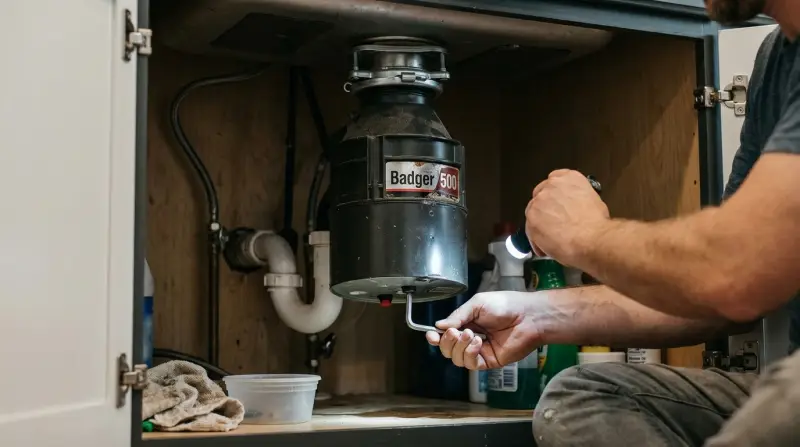
Before reaching for the phone, it helps to know what could be causing the issue. Here are the most frequent reasons:
Power Supply Issues
The disposal needs electricity to run. If it’s not turning on at all, check if it’s plugged in securely and if the outlet is working. Sometimes, a loose plug or faulty power strip can cause the disposal to lose power unexpectedly, so always check these connections first.
Tripped Reset Button
The Badger 500 has a reset button on the bottom. If the disposal overheats or jams, this button pops out and shuts off the unit. Many users overlook this simple fix, but it’s often the fastest way to restore function.
Jammed Flywheel Or Impeller
Sometimes, a hard object (like a bone or metal) gets stuck, stopping the blades from spinning. Even small items like bottle caps or utensils can cause jams that prevent the disposal from operating.
Clogged Drain
When food or debris blocks the drain, water will back up, and the disposal may hum but not grind. This can happen if you put too much waste at once or if fibrous foods get tangled in the mechanism.
Faulty Switch
The wall switch that controls the disposal can wear out or break. If the switch feels loose or doesn’t “click” properly, it might be the source of the problem.
Worn Out Motor
If your unit is older, the motor itself may have failed. Motors can wear down over time, especially if the disposal has handled tough items or frequent use.
Step-by-step Troubleshooting Guide
Let’s go through each cause and how to fix it.
Check The Power Source
- Ensure the disposal is firmly plugged into the wall outlet under the sink.
- Test the outlet with another device (like a lamp).
- If the outlet doesn’t work, check your circuit breaker panel for a tripped breaker.
- Sometimes, outlets under the sink are connected to a GFCI (Ground Fault Circuit Interrupter). If yours has a reset button, press it to restore power.
Press The Reset Button
- Locate the red reset button underneath the unit.
- If it’s popped out, press it back in firmly.
- Wait a minute, then try running the disposal again.
- If the button pops out again after restarting, there may still be a jam or electrical issue that needs further attention.
Free A Jammed Flywheel
- Unplug the unit for safety.
- Use a flashlight to look inside the disposal.
- If you see an object, use pliers (not your hands) to remove it.
- If you can’t see anything, insert an Allen wrench (usually 1/4 inch) into the hole on the bottom and turn it back and forth to free the jam.
- Plug the unit back in, press the reset button, and test.
- Sometimes, turning the wrench can feel stiff at first. Keep turning gently until it moves freely, which means the jam is cleared.
Clear A Clogged Drain
- Turn off the disposal and unplug it.
- Use a plunger on the sink drain.
- If water still won’t drain, you may need to detach and clean the pipe trap under the sink.
- After clearing the trap, run water and check for improved drainage. Clogs can form from starchy foods like pasta or potato peels that expand and stick to pipes.
Test The Wall Switch
- If the disposal does nothing (no noise, no humming), the switch might be faulty.
- Try flipping the switch several times.
- If possible, test with a different switch or call an electrician.
- In some homes, the switch and outlet may be wired together. If neither works, the wiring may need repair.
Assess The Motor
- If you hear a loud humming but no grinding, and the above steps don’t help, the motor could be burned out.
- Motors are not usually repairable—replacement is the solution.
- A burned-out motor can sometimes produce a burning smell. If you notice this, unplug the unit immediately.
Key Features Of The Badger 500 Garbage Disposal
Understanding your disposal’s strengths helps you use it better and spot issues early.
- Continuous feed system: You can add food waste while it runs, making cleanup quicker and more efficient.
- 1/2 horsepower motor: Powerful enough for most household needs, but remember not to overload the unit.
- Stainless steel components: Durable and rust-resistant, which helps the disposal last longer even with frequent use.
- Compact size: Fits under most sinks, so you don’t need much space for installation or maintenance.
Here’s a quick comparison of the Badger 500 with similar models:
| Model | Motor Power | Feed Type | Noise Level | Warranty |
|---|---|---|---|---|
| Badger 500 | 1/2 HP | Continuous | Standard | 2 years |
| Badger 900 | 3/4 HP | Continuous | Quieter | 4 years |
| Evolution Compact | 3/4 HP | Continuous | Very quiet | 4 years |
Choosing the right model depends on your kitchen habits, how much food waste you produce, and your noise preferences.
When To Call A Professional
Not every problem can be fixed at home. Call a licensed plumber or electrician if:
- You smell burning or see smoke.
- The disposal leaks from places other than the bottom (could mean a seal or pipe issue).
- You tried all troubleshooting steps and nothing changes.
- There’s electrical sparking or shocks.
- The unit is making loud, unusual noises even after clearing jams.
Professionals have tools and experience that can prevent further damage. If you notice water leaking into your cabinet or electrical issues, prompt action can protect your kitchen and keep your family safe.
Preventing Future Badger 500 Problems
A little care goes a long way. Follow these tips to keep your disposal healthy:
- Always run cold water while the disposal is on. Cold water helps solidify any grease, making it easier for the disposal to chop and flush away.
- Avoid putting stringy, fibrous foods (like celery, corn husks) in the unit. These can wrap around the blades and cause jams.
- Never pour grease, oil, or fat down the drain. These substances harden and lead to stubborn clogs.
- Cut large scraps into smaller pieces. This helps the disposal work efficiently and reduces wear.
- Let the unit run for 30 seconds after grinding to clear the pipes. This extra step ensures all waste moves out of the system.
- Clean the disposal by grinding ice cubes and citrus peels occasionally. Ice sharpens the blades and citrus helps control odors.
- Some owners find that monthly maintenance (like running baking soda and vinegar through the unit) keeps it fresher and prevents buildup.
Two Non-obvious Insights For Owners
- Avoid Dishwasher Detergent Buildup: If your dishwasher drains into the same pipe as your disposal, detergent can build up and harden inside. Running hot water and occasionally flushing with vinegar helps prevent clogs that seem unrelated to food waste. Even though you might not see the buildup, it can cause slow drainage and odors.
- Check Air Gaps: If your sink has an air gap device (small cylinder near the faucet), food particles can clog it, causing backup and “mystery leaks.” Cleaning the air gap can solve drainage issues that don’t respond to plunging or pipe cleaning. This is a step many homeowners miss, but it’s an easy fix for drainage problems.
Real-world Example: Fixing A Jammed Badger 500
Maria noticed her Badger 500 just hummed when turned on. She unplugged it, checked inside, and found a small metal spoon stuck. Using pliers, she removed it, pressed the reset button, and the disposal worked perfectly again. This simple fix saved her a plumber visit.
In another case, a neighbor found a plastic toy stuck inside, and after removing it with pliers and resetting, their disposal returned to normal function. These stories show that jams are common and often easy to fix with careful attention.
Common Mistakes To Avoid
- Using your hands to remove jams (risk of injury).
- Running the disposal with hot water (can melt fats and clog pipes).
- Overloading the disposal with too much food at once.
- Ignoring unusual noises.
- Forgetting to reset after a jam.
- Another mistake: Cleaning the disposal with harsh chemicals. This can damage the internal parts and shorten the unit’s lifespan.
Cost Of Repair Vs. Replacement
Sometimes, replacing the unit is smarter than repairing. Here’s a general idea:
| Issue | Average Repair Cost | Replacement Cost |
|---|---|---|
| Unclogging/Reset | $60-$100 | — |
| Motor Replacement | $150-$250 | $100-$200 (new unit) |
| Leak Repair | $80-$150 | $100-$200 (new unit) |
If your Badger 500 is over 8 years old, replacement is often more cost-effective. Newer models are more efficient and may also be quieter, so upgrading could improve your kitchen experience.
Choosing A Replacement
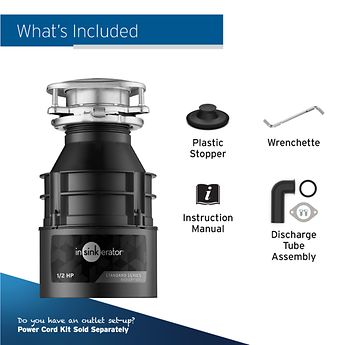
If you decide it’s time for a new disposal, consider:
- Motor size: More horsepower for larger households.
- Noise insulation: Newer models are much quieter.
- Warranty: Longer is better.
- Size: Make sure it fits under your sink.
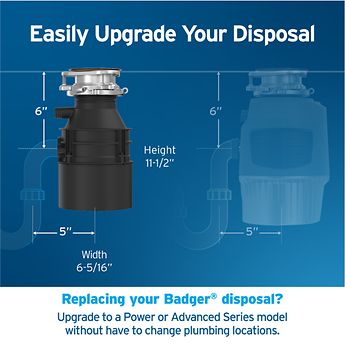
- Also, check if the new model is compatible with your existing plumbing and electrical setup. Some upgrades require minor modifications, but most are straightforward.
For more details on garbage disposal types and installation, check the Family Handyman guide.
Frequently Asked Questions
What Should I Do If My Badger 500 Makes A Humming Noise But Won’t Grind?
A humming noise usually means the unit is jammed. Unplug it, remove any visible debris, use an Allen wrench to turn the flywheel, and press the reset button before trying again. If the noise continues, check for hidden obstructions or consider a motor issue.
Can I Put Eggshells Or Coffee Grounds In My Badger 500?
It’s best to avoid eggshells and coffee grounds. They can create tiny particles that clog pipes over time. Some users mistakenly think eggshells sharpen blades, but they only increase the risk of blockages.
How Long Should A Badger 500 Garbage Disposal Last?
With proper care, the average lifespan is 8–12 years. Heavy use or poor maintenance can shorten this. Regular cleaning and correct use will help the unit last longer.
Why Does My Disposal Leak From The Bottom?
A leak from the bottom often means a failed internal seal. This usually requires replacing the unit, as seals are not easily repaired. If water is leaking from elsewhere, check the pipes and connections first.
Is It Safe To Use Chemical Drain Cleaners With My Badger 500?
No. Chemical cleaners can damage the disposal’s parts. Use a plunger or manual cleaning instead. If you need to clear a tough clog, try natural solutions like baking soda and vinegar.
Fixing a Badger 500 garbage disposal is usually simple if you follow these steps. Most problems are easy to diagnose and solve at home. Regular care and smart use will keep your kitchen clean and your disposal working for years. If you’re unsure or face electrical issues, don’t hesitate to call a professional. With just a little effort, you can enjoy a trouble-free kitchen and avoid expensive repairs.