
Toyota’s E-CVT transmission is famous for its smooth drive and fuel efficiency, especially in hybrid cars like the Prius, Camry Hybrid, and RAV4 Hybrid. Many owners love the quiet operation and low maintenance. However, every technology has its challenges. Some drivers report problems with the E-CVT system, and these issues can affect the driving experience, reliability, and repair costs.
This article will help you understand the common E-CVT problems, how to spot them early, and what to do if you face them. If you own or plan to buy a Toyota hybrid, knowing these details is important for making confident decisions and avoiding costly mistakes.
What Is Toyota E-cvt?
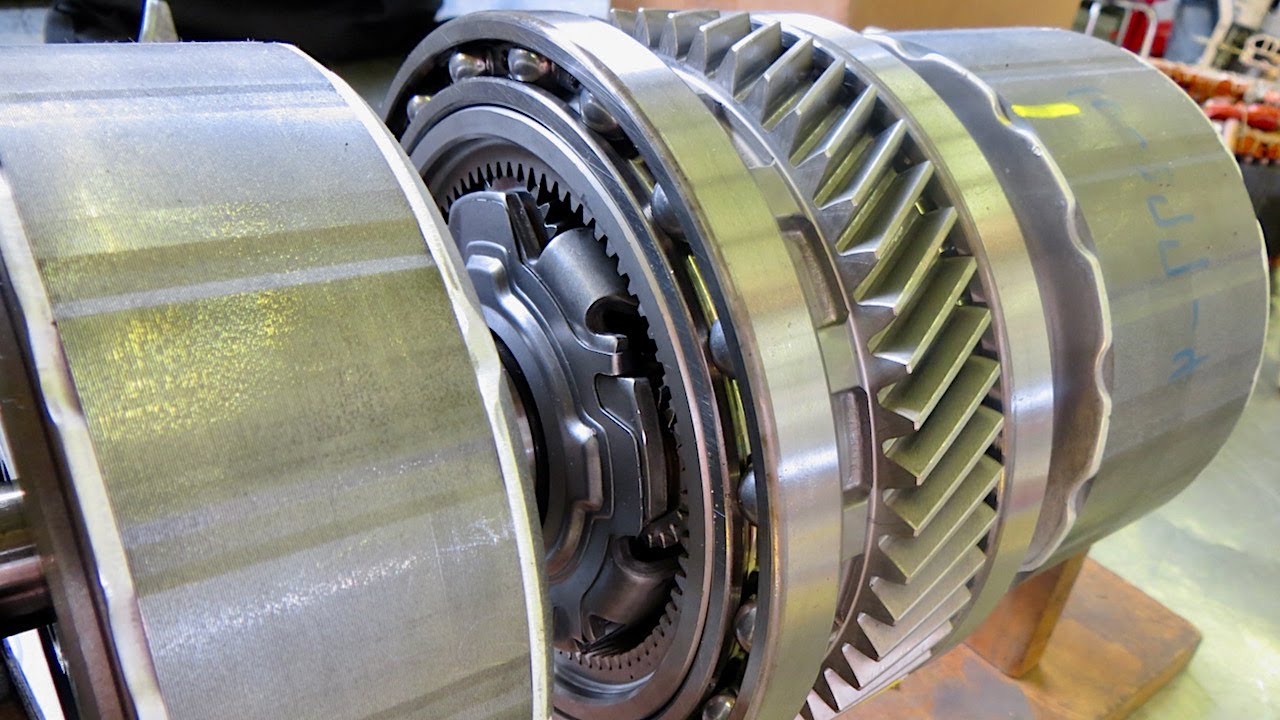
The E-CVT (Electronically Controlled Continuously Variable Transmission) is not a traditional CVT. It uses electric motors and a planetary gear system to combine power from the engine and the electric motor. Unlike regular transmissions, there are no belts or pulleys. The E-CVT is designed for seamless acceleration, better fuel economy, and lower emissions. It’s the heart of Toyota’s hybrid system.
How Does It Work?
The E-CVT blends engine and electric power. At low speeds, it uses the electric motor for silent, smooth driving. When you need more power, the gasoline engine joins in. The system decides how much power comes from each source, depending on speed, load, and battery charge.
| Feature | E-CVT | Traditional CVT |
|---|---|---|
| Power Source | Engine + Electric Motor | Engine Only |
| Gear Mechanism | Planetary Gears | Belts & Pulleys |
| Smoothness | Very Smooth | Moderate Smoothness |
| Maintenance | Low | Medium |
Common Toyota E-cvt Problems
Even though E-CVT is reliable, some issues appear as the car ages or under tough conditions. Understanding these problems can help you spot issues early and save money on repairs.
Strange Noises
Owners sometimes hear whining, grinding, or humming noises, especially when accelerating or slowing down. These noises can come from worn bearings, improper lubrication, or damage in the planetary gear system.
- Whining sound: Usually points to worn bearings.
- Grinding: May signal gear damage.
- Humming: Could indicate electric motor issues.
Delayed Response
A healthy E-CVT should respond quickly when you press the gas pedal. If the car hesitates or feels sluggish, it may be due to electrical faults, sensor errors, or software glitches. Sometimes, a failing battery can cause the delay.
Overheating
The E-CVT uses cooling systems to manage heat. If you notice a warning light or feel the car losing power after long drives, the transmission may be overheating. Overheating can damage internal parts and lead to expensive repairs.
Shuddering Or Jerking
While E-CVT is built for smoothness, some owners report shuddering or jerking during acceleration. This can be caused by:
- Faulty electric motor
- Bad sensor readings
- Software calibration errors
Reduced Fuel Efficiency
Hybrid cars promise excellent mileage. If you see a drop in your MPG, it could signal E-CVT issues or problems with the hybrid battery. Sometimes, dirty transmission fluid or worn gears affect the system’s ability to blend power smoothly.
Causes Behind E-cvt Problems
Wear And Tear
Even the best transmissions wear out over time. High mileage, frequent stop-and-go driving, and heavy loads speed up the process.
Lack Of Maintenance
Toyota recommends fluid changes and system checks. Skipping these can lead to lubrication failure, overheating, and gear damage.
Electrical Failures
The E-CVT relies on sensors, wiring, and software. Moisture, corrosion, or faulty connections can create unpredictable problems.
Battery Issues
A weak or damaged hybrid battery affects E-CVT performance. The system may not blend power correctly, causing jerks or delays.
Manufacturing Defects
Although rare, some Toyota models have experienced recalls due to defective parts in the E-CVT system.
Symptoms To Watch For
Spotting E-CVT problems early can prevent bigger repairs. Here are signs to look for:
- Unusual noises from the transmission area.
- Delayed acceleration or sluggish response.
- Transmission warning lights on the dashboard.
- Sudden drops in fuel economy.
- Jerking or shuddering during acceleration.
- Overheating signals after long drives.
Diagnosing E-cvt Problems
Diagnosing E-CVT issues requires special tools and knowledge. Toyota dealers have equipment to scan the system for error codes. If you suspect a problem:
- Use an OBD-II scanner to check for transmission codes.
- Listen carefully for unusual sounds.
- Watch for dashboard warnings.
- Check your fuel economy for sudden drops.
Diy Vs. Professional Diagnosis
Some basic checks—like fluid inspection and battery health—can be done at home. However, most E-CVT issues need professional help. Toyota technicians can run detailed diagnostics and software updates.
Repair And Replacement Costs
Repair costs depend on the problem and the model. E-CVTs are complex, so labor costs can be high. Here’s a comparison of typical costs:
| Repair Type | Estimated Cost | Notes |
|---|---|---|
| Bearing Replacement | $400–$1,000 | Depends on labor and part prices |
| Software Update | $100–$200 | Quick fix for some issues |
| Electric Motor Repair | $700–$1,500 | Usually dealer-only repair |
| Full E-CVT Replacement | $3,000–$5,000 | Rare, but expensive |
How To Prevent E-cvt Problems
Prevention is the best way to avoid costly repairs. Here are practical tips:
- Change transmission fluid as recommended by Toyota.
- Regularly check the hybrid battery’s health.
- Avoid aggressive driving—especially sudden stops and starts.
- Keep the cooling system in good shape.
- Get software updates when available.
Practical Insight: Early Fluid Changes
Many owners wait for the “lifetime” transmission fluid interval. However, changing fluid every 40,000–60,000 miles can extend E-CVT life. This is a non-obvious tip that many beginners overlook.
Battery Care
Weak hybrid batteries stress the E-CVT. If your battery is over five years old, have it checked every year. Some Toyota dealers offer battery health checks for free or a small fee.
Real-world Examples
A 2017 Prius owner reported whining noises after 80,000 miles. The dealer found worn bearings and replaced them for $900. Another Camry Hybrid driver experienced delayed response and fixed it with a $150 software update.
Not every problem means expensive repairs. Often, small fixes solve big issues.
Toyota E-cvt Vs. Other Hybrid Transmissions
Toyota’s E-CVT is different from other brands. Honda, Ford, and Hyundai use various hybrid transmission designs. Comparing these helps you understand E-CVT’s strengths and weaknesses.
| Brand | Transmission Type | Reliability | Repair Cost |
|---|---|---|---|
| Toyota | E-CVT | High | Medium-High |
| Honda | Single Motor Hybrid | Medium | Medium |
| Ford | PowerSplit Hybrid | Medium | High |
| Hyundai | Dual Clutch Hybrid | Medium | Medium |
Non-obvious Insights For Owners
- Software updates can fix many E-CVT problems. Always ask your dealer if there’s a new update for your car.
- Hybrid battery condition directly affects E-CVT performance. A weak battery can cause transmission symptoms even if the E-CVT is healthy.
Many owners overlook these points and spend money on unnecessary repairs.
Should You Buy A Toyota Hybrid With E-cvt?
If you’re considering a Toyota hybrid, E-CVT problems should not scare you away. Most issues are rare and manageable with good care. Toyota hybrids remain some of the most reliable cars on the market. However, always check the car’s service history, especially for transmission fluid changes and battery checks.
If buying used, ask for a detailed hybrid health report.
For deeper technical details, you can read about Toyota’s hybrid system at Wikipedia.

Frequently Asked Questions
What Is The Difference Between Toyota E-cvt And Regular Cvt?
The E-CVT uses a planetary gear system and electric motors, while a regular CVT uses belts and pulleys. E-CVT is smoother, needs less maintenance, and is designed for hybrid cars.
Can E-cvt Fluid Be Changed At Home?
It’s possible if you have basic tools and follow Toyota’s steps. However, some models need special procedures, so professional service is safer.
How Long Does A Toyota E-cvt Last?
With proper care, an E-CVT can last over 150,000 miles. Regular fluid changes and battery checks are key for longevity.
Are E-cvt Repairs Expensive?
Minor repairs like software updates or bearing replacement are affordable. Major repairs or full replacements can cost $3,000–$5,000.
What’s The Most Common E-cvt Problem?
Strange noises and delayed response are the most common issues. These often come from worn bearings, battery problems, or software faults.
Toyota’s E-CVT system is a strong part of their hybrid technology. Problems are rare but can affect your driving experience and wallet. Staying informed, keeping up with maintenance, and watching for early symptoms will keep your Toyota running smoothly for years.