
When you step into your bathroom, expecting a relaxing soak, and the bathtub water never gets hot, it’s more than disappointing. A lukewarm or cold bath ruins the moment and signals something is wrong in your home’s water system. For many, this problem appears suddenly, but for others, the water may have gradually lost heat over time. Either way, understanding why your bathtub is not getting hot water is the first step toward fixing it—and enjoying a comfortable bath again.
This guide explores the most common and hidden reasons why hot water doesn’t reach your tub. We’ll look at how your plumbing works, signs of trouble, troubleshooting tips, and when to call a pro. You’ll also find practical advice for both quick fixes and long-term solutions.
If you’re tired of cold baths, you’re in the right place.
How Hot Water Gets To Your Bathtub
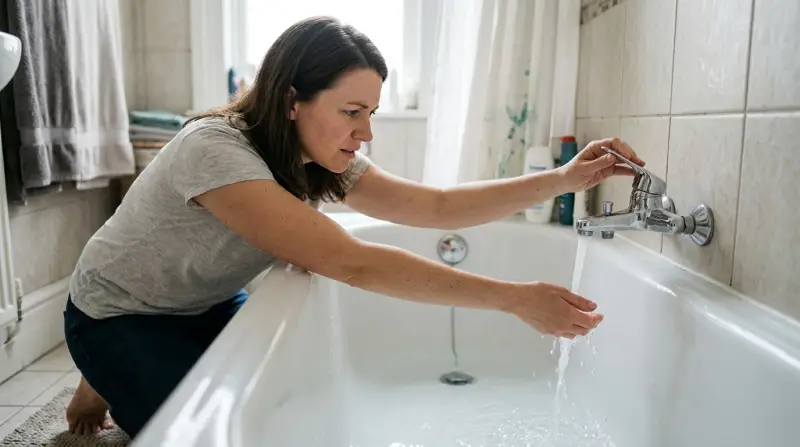
Before you start fixing, it helps to understand how hot water reaches your tub. Most homes use one of two systems:
- Tank water heaters: These heat and store water in a tank, keeping it ready for use.
- Tankless water heaters: These heat water instantly as you turn on the tap.
Hot water leaves the heater and travels through pipes to the bathtub faucet. A mixing valve (inside the faucet or behind the wall) controls how much hot and cold water blend together. The result is the water temperature you feel in your tub.
Key Components Involved
- Water heater (tank or tankless)
- Hot water supply pipe leading to the bathroom
- Mixing valve or shower cartridge at the tub
- Bathtub faucet/spout
A problem in any of these steps can stop hot water from reaching your bath.
Common Reasons Your Bathtub Isn’t Getting Hot Water
Let’s look at the main reasons for no hot water in the bathtub, from the simplest to the most complex.
1. Water Heater Problems
A. Temperature Set Too Low
If the water heater thermostat is set below 120°F (49°C), you might not get hot enough water. Sometimes, the default setting is lower for safety.
B. Failed Heating Element Or Burner
Electric heaters use heating elements; gas heaters use a burner. If these fail, only cold water comes out.
C. Broken Dip Tube
The dip tube sends cold water to the bottom of the tank for heating. If it breaks, cold water mixes with hot at the top, so you get lukewarm or cold water.
D. Sediment Buildup
Over time, minerals settle at the bottom of the tank, making it harder to heat water. This is common in areas with hard water.
E. Tankless Heater Issues
If the tankless heater is undersized or clogged, it won’t keep up with bathtub demand.
2. Plumbing Issues
A. Crossed Pipes
Sometimes, a plumbing error or old repair causes hot and cold pipes to cross, sending cold water into the hot line.
B. Distance From Heater
If the bathtub is far from the heater, the water cools as it travels. Old pipes can also lose heat faster.
C. Single Fixture Problem
If only the bathtub has no hot water (but sinks are fine), the issue is likely at the tub, not the heater.
3. Faucet Or Mixing Valve Faults
A. Faulty Mixing Valve
The mixing valve (or cartridge) blends hot and cold. If it’s stuck or broken, it may let in only cold water.
B. Anti-scald Setting
Many modern valves have an anti-scald (temperature limit) feature, which may be set too low, blocking hot water.
C. Mineral Or Debris Blockage
Mineral buildup can clog the valve, reducing or blocking hot water flow.
4. Supply Issues
A. Shared Usage
If someone is running the dishwasher, washing machine, or another shower, there might not be enough hot water left for the tub.
B. Water Pressure Problems
Low pressure or uneven pressure in the hot line can prevent hot water from reaching your tub.
5. Seasonal And Environmental Factors
A. Winter Temperatures
In cold months, incoming water is colder, and the heater may struggle to keep up.
B. Pipe Insulation
Uninsulated pipes lose more heat, especially in basements or crawl spaces.
Troubleshooting: Step-by-step Guide
Before calling a plumber, you can check a few things yourself. Here’s a safe, practical process to follow:
Step 1: Check Other Fixtures
- Run hot water at the bathroom sink and kitchen sink.
- If they get hot, the water heater is probably fine, and the issue is at the tub.
- If none get hot, the problem is at the heater or main supply.
Step 2: Test The Water Heater
- Look at the temperature setting. It should be at least 120°F (49°C).
- Listen for strange noises (rumbling or popping) that suggest sediment buildup.
- For gas heaters, check if the pilot light is on.
Step 3: Inspect The Bathtub Faucet
- Try moving the handle through the full hot-cold range.
- If the handle is stiff or has little resistance, the cartridge may be broken.
- Remove the faucet cover and look for mineral deposits.
Step 4: Look For Crossed Pipes
- Turn off the cold water supply to your house (or just to the bathroom, if possible).
- Turn on the hot water at the tub. If water still comes out, you may have a cross-connection problem.
Step 5: Check For Simultaneous Usage
- Make sure no one else is using hot water in the house.
- If the tub gets hot when other fixtures are off, your heater might be too small.
Step 6: Observe Water Temperature Changes
- Does the water start hot and turn cold quickly? This means the heater runs out of hot water too soon.
- Is it always lukewarm, never hot? This suggests a mixing or heater problem.
Step 7: Inspect For Pipe Insulation
- If pipes run through cold areas, check if they’re wrapped in pipe insulation.
- Uninsulated pipes can make hot water cool down before reaching your tub.
Practical Solutions For Each Problem
Once you identify the cause, you can try one or more of these solutions:
Fixing Water Heater Problems
- Raise the thermostat to 120–130°F, but not higher (risk of scalding).
- Flush the tank to remove sediment. Most manufacturers recommend doing this once a year.
- Replace the heating element (for electric heaters) or check the burner (for gas).
- Replace a broken dip tube if cold water is mixing with hot.
- For tankless heaters, descale (remove mineral deposits) as recommended in the manual.
Solving Faucet Or Mixing Valve Issues
- Replace the mixing valve or cartridge if it’s faulty or stuck.
- Adjust the anti-scald setting. This usually involves removing the handle and rotating a plastic limiter.
- Clean the valve to remove mineral deposits that block hot water.
Addressing Plumbing And Supply Problems
- Insulate pipes in cold areas with foam pipe covers.
- Upgrade the water heater if it’s too small for your family’s needs.
- Correct crossed pipes with professional help if you find them.
Handling Seasonal/environmental Factors
- In winter, wait a few minutes for the heater to recover between baths.
- Add or replace pipe insulation to reduce heat loss.
When To Call A Professional
Some plumbing jobs are best left to the experts. Here’s when you should call a licensed plumber:
- You suspect crossed pipes or complex plumbing errors.
- The mixing valve is inside the wall, not easily accessible.
- The water heater leaks or makes loud noises.
- You can’t restore hot water after basic troubleshooting.
A plumber has special tools to diagnose and fix hidden problems. They can also check for code violations or safety issues.
Comparing Water Heater Types For Bathtub Use
If you’re considering replacing your water heater, here’s how the main types compare:
| Type | Advantages | Disadvantages | Best For |
|---|---|---|---|
| Tank (Storage) | Simple, reliable, lower upfront cost | Can run out of hot water, uses more energy to keep water hot | Families, multiple bathrooms |
| Tankless | Endless hot water, more efficient, takes less space | Higher upfront cost, may struggle with simultaneous use | Small homes, energy savings |
| Heat Pump | Very energy efficient, eco-friendly | High cost, slower to heat, needs space | Eco-conscious users, warm climates |
Symptoms: What Each One Means
How your hot water problem acts gives clues to the cause. Here’s a quick reference:
| Symptom | Likely Cause |
|---|---|
| No hot water anywhere | Heater failure, power/gas issue |
| Bathtub only, sinks are hot | Faucet valve problem, pipe blockage |
| Water starts hot, turns cold | Heater too small, sediment buildup |
| Always lukewarm | Broken dip tube, mixing valve, crossed pipes |
| Water hot in summer, cold in winter | Poor pipe insulation |
Hidden Issues Beginners Often Miss
Some bathtub hot water problems are easy to overlook, especially if you haven’t dealt with plumbing before.
1. Anti-scald Devices
Many modern tubs have anti-scald devices hidden inside the faucet. If you moved into a new home or had recent bathroom work, the default setting may be too cold for your comfort. Adjusting this requires removing the handle and finding the temperature limiter.
2. Gradual Sediment Loss
Hot water may get less hot over months, not days. This slow change often points to sediment buildup in the tank. Many people ignore the first signs, but flushing the heater each year can prevent this.
3. Shared Water Lines
In some homes, the bathtub shares a line with laundry or other rooms. If hot water disappears only when the washer runs, you may need a larger heater or to stagger usage.
4. Aging Pipes
Old galvanized pipes can build up internal rust or scale. This can block hot water more than cold, especially in bathrooms far from the heater.
Maintenance Tips To Prevent Future Problems
With a few simple habits, you can avoid most bathtub hot water issues:
- Flush your water heater annually to remove sediment.
- Check and adjust the thermostat as needed.
- Clean faucet aerators and remove mineral buildup.
- Insulate pipes in unheated areas.
- Stagger hot water use if you have a small heater.
Regular checks help you spot small problems before they become big, expensive repairs.
Cost Of Repairs And Replacement
Understanding the cost helps you plan and avoid surprises.
Typical Costs
- Replace mixing valve/cartridge: $90–$250 (parts and labor)
- Flush water heater: $100–$200 (if done professionally)
- Replace heating element: $150–$350
- New water heater (tank): $800–$2,000 (installed)
- New water heater (tankless): $1,500–$3,000 (installed)
DIY can save money, but mistakes can be costly. If in doubt, hire a pro.
Energy And Water Savings
A properly working water heater saves energy and money. According to the U.S. Department of Energy, water heating accounts for about 18% of a typical home’s energy use. Fixing leaks and insulation issues can lower your bills.

Credit: www.schmuck-raum.de
Safety Warnings
Working with hot water systems and plumbing carries risks:
- Scalding: Never set the heater above 130°F.
- Electric shock: Turn off power at the breaker before opening an electric heater.
- Gas leaks: If you smell gas near a heater, leave the home and call the utility.
- Water damage: Shut off water before removing faucets or valves.
If you’re not sure, it’s safer to call a plumber.
Real-world Example
Let’s say you have hot water everywhere except the bathtub. Your kitchen and bathroom sinks work fine. You check the tub faucet, and the handle feels loose. After removing the cover, you see mineral buildup on the cartridge. You replace the cartridge (about $40 for parts), and hot water returns. This is a common fix for tub-only problems.
Another example: In winter, your bath water is never hot enough. You check under the house and find the hot water pipe is uninsulated and runs through a crawl space. Adding foam insulation sleeves (about $10 for 6 feet) makes a big difference.
Upgrading For Better Hot Water
If you’re remodeling or have an old heater, consider these upgrades:
- Install a recirculation pump to get hot water faster at distant tubs.
- Switch to a larger tank or a high-capacity tankless heater.
- Use thermostatic mixing valves for better control and safety.
These upgrades cost more upfront but pay off in comfort and energy savings.
How To Choose The Right Plumber
If you need professional help, here’s what to look for:
- Licensed and insured: Always ask for proof.
- Experience with your problem: Not all plumbers handle water heaters or mixing valves.
- Clear pricing: Get a written estimate before work starts.
- Good reviews: Check online ratings or ask neighbors.
- Warranty on repairs: This protects you if the fix fails.
Don’t be afraid to ask questions. A good plumber will explain the problem and your options.

Environmental Impact
Water heaters use a lot of energy. Fixing leaks, adding insulation, and upgrading to efficient models can help the environment. Tankless and heat pump heaters use less energy and lower carbon footprint. Even small steps, like insulating pipes, make a difference over time.
For more on water heating efficiency, see the U.S. Department of Energy.
Frequently Asked Questions
Why Does My Bathtub Only Get Lukewarm Water?
Lukewarm water in the tub is usually due to a faulty mixing valve, sediment in the water heater, or the anti-scald device set too low. It could also be a sign of a broken dip tube inside the heater.
Is It Safe To Increase My Water Heater Temperature?
You can safely set your water heater to 120°F (49°C). This is hot enough for bathing and helps prevent bacteria. Setting it higher can cause scalding. If you have small children or elderly family members, stick to 120°F.
How Often Should I Flush My Water Heater?
You should flush your water heater at least once a year to remove sediment. If you have hard water, consider flushing every 6 months. Regular flushing extends the life of your heater and keeps water hot.
Why Do I Lose Hot Water Faster In Winter?
In winter, incoming water is colder and pipes lose heat faster, especially if they run through unheated spaces. This makes your heater work harder. Insulating pipes and keeping the heater in a warm area can help.
Can I Fix A Bathtub Mixing Valve Myself?
If you’re handy, you can replace a mixing valve or cartridge with basic tools. Turn off the water, remove the handle and cover, and swap the old part for a new one. If the valve is behind the wall or you’re unsure, call a plumber.
Finding out why your bathtub is not getting hot water takes a bit of detective work, but the right steps can restore comfort and save energy. Whether it’s a simple valve replacement or a bigger upgrade, you’ll enjoy your next bath much more when hot water flows as it should.