
When your Bodum milk frother stops working, it can be frustrating—especially if you’re used to enjoying creamy cappuccinos and lattes at home. But before giving up on your favorite kitchen gadget, there are practical steps to troubleshoot, repair, and even prevent future issues. This article explains why Bodum milk frothers stop working, how to diagnose and fix common problems, and what you can do to keep your frother in top shape. Whether you have a manual or electric model, you’ll find clear solutions here.
How Bodum Milk Frothers Work
Understanding how your Bodum milk frother operates makes it easier to spot problems. Bodum offers several types:
- Manual frother (like Chambord): You pump a mesh plunger up and down to create foam.
- Electric frother (like Bistro): Heats and whisks milk automatically using a motor.
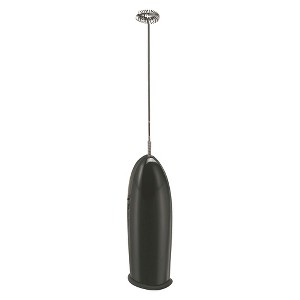
- Handheld frother: A battery-powered whisk for quick foaming.
All Bodum frothers rely on simple mechanics—either manual pumping or a small motor spinning a whisk. Electric models also have a heating plate to warm your milk.
Common Reasons A Bodum Milk Frother Stops Working
Most Bodum frother problems fall into a few categories. Here’s what often goes wrong:
- No power or doesn’t turn on (electric models)
- Whisk or plunger not spinning
- Milk not frothing properly
- Unit leaking or overflowing
- Unusual noises or burning smell
- LED indicator blinking or showing error
Let’s break down how to troubleshoot each issue.
Step-by-step Troubleshooting Guide
Electric Frother Won’t Turn On
First, check the basics:
- Power source: Plug another device into the same outlet. If it works, your Bodum isn’t getting power.
- Loose connections: Inspect the base and jug connection. Wipe contacts with a dry cloth.
- Lid sensor: Many Bodum models won’t start if the lid isn’t closed properly.
- Overheating protection: If the frother has been used repeatedly, let it cool for 10–15 minutes.
If none of these steps work, the issue may be with the power switch or internal wiring.
Whisk Or Plunger Not Spinning
- Manual model: Ensure the mesh/plunger is aligned and not bent. Wash off any dried milk residue.
- Electric model: Remove the whisk and check for milk buildup on the magnetic coupling. Clean thoroughly and reattach.
- Handheld frother: Replace the batteries. Check for corrosion in the battery compartment.
Frother Runs But Doesn’t Froth Milk
- Wrong milk type: Skim or non-fat milk froths best. Some plant-based milks need to be labeled “barista” for good foam.
- Too much or too little milk: Fill only to the marked “MAX” and “MIN” lines.
- Cold or overheated milk: Bodum frothers work best with cold milk (from the fridge).
- Dirty whisk: Even a thin film of milk can stop proper frothing. Disassemble and clean all parts.
Leaking Or Overflowing
- Overfilling: Stick to the fill lines on the jug.
- Damaged seal or lid: Inspect for cracks or tears. Replacement parts are available from Bodum.
- Improper assembly: Make sure all parts are fitted tightly and correctly.
Unusual Noises, Smell, Or Led Error
- Grinding noise: Indicates something is blocking the whisk or plunger. Clean immediately.
- Burning smell: Unplug and do not use until checked—may signal electrical failure.
- Blinking LED: Some Bodum models use blinking lights to show errors, like overheating. Let the unit cool and try again.
Table: Quick Troubleshooting Reference
Below is a handy reference for the most common Bodum frother problems and solutions.
| Problem | Likely Cause | Quick Fix |
|---|---|---|
| No power | Outlet, base, or power switch | Check outlet, clean contacts, reset |
| Whisk not spinning | Milk residue, misaligned parts | Clean and reassemble |
| No foam | Milk choice, dirty whisk | Use fresh, cold milk; clean parts |
| Leaking | Overfilled, broken seal | Reduce milk, replace seal |
| Burning smell | Overheating, electrical problem | Unplug, let cool, inspect |
Fixes For Manual Vs Electric Bodum Frothers
Manual Frothers
Manual models like the Bodum Chambord are simple, but even they can run into trouble:
- Foam not forming: Check for cracks in the mesh or plunger. Any break means air won’t be whipped into the milk.
- Sticky plunger: Dried milk can glue the mesh to the sides. Soak in warm water and scrub gently.
- Lid not sealing: If the lid is warped, foam escapes. Replacement lids are available.
Electric Frothers
Electric frothers (like Bodum Bistro) have more parts that can fail:
- Heating element issues: If milk stays cold, the heating plate may be faulty. This often requires professional repair.
- Magnetic whisk problems: The whisk is driven by a magnet. If the magnet is dirty or out of place, the whisk won’t spin.
- Auto shut-off not working: If the frother never stops, the sensor inside may be dirty or broken.
Table: Manual Vs Electric Bodum Frother Issues
Here’s a comparison of common problems between manual and electric Bodum frothers.
| Issue | Manual Frother | Electric Frother |
|---|---|---|
| Foam not forming | Mesh damaged or dirty | Dirty whisk, wrong milk |
| Unit not working | Rare (usually physical break) | Power, sensor, or motor problem |
| Leaking | Lid/seal issue | Seal or overfilling |
| No heating | Not applicable | Heating plate failure |
When To Replace Vs Repair
Sometimes, fixing a Bodum frother is simple. But not every problem is worth repairing. Here’s how to decide:
- Age of frother: If it’s over 3 years old and parts are worn out, replacement may be cheaper.
- Cost of parts: Bodum sells whisks, lids, and seals, but motors or heating elements often cost as much as a new unit.
- Type of problem: Electrical failures or burning smells should only be handled by professionals or replaced.
- Warranty: New Bodum products usually have a 1-year warranty. Contact Bodum support if your frother is still covered.
Preventing Bodum Frother Problems
With a little care, you can avoid most Bodum frother breakdowns. Here are practical tips:
- Clean after every use: Milk dries fast and can block moving parts.
- Use the right milk: Fresh, cold, non-fat, or barista-style plant milks foam best.
- Don’t overfill: Stick to the “MAX” line, even if you want more foam.
- Let it rest: Give electric frothers time to cool between uses.
- Inspect for damage: Check whisks, mesh, and seals weekly.
Many users forget that mineral deposits from hard water can affect electric frothers. If you see white chalky marks, wipe the base and inside with a little vinegar (then rinse well).
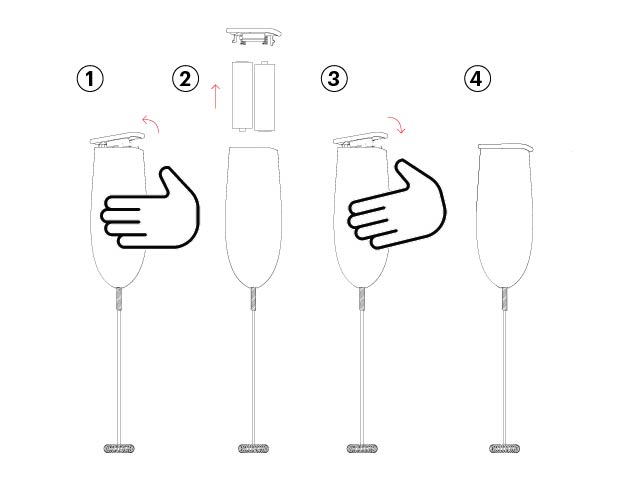
Table: Common User Mistakes To Avoid
New Bodum frother users often make simple mistakes that cause problems. Here are the top pitfalls and how to avoid them.
| Mistake | Result | Prevention |
|---|---|---|
| Using hot milk | Poor foam, overheating | Start with cold milk |
| Overfilling | Spills, leaks | Stay below MAX line |
| Not cleaning whisk | No foam, burnt smell | Rinse immediately |
| Wrong milk type | Flat, watery foam | Use non-fat or “barista” milk |
Non-obvious Tips For Troubleshooting
- Test with water first: If your Bodum electric frother isn’t heating or whisking, try running it with water. This helps you see if the problem is with the milk or the machine.
- Rotate the jug: Sometimes, the whisk connection is slightly off. Take out the jug, rotate it 180°, and reseat it on the base.
- Look for small blockages: Even tiny milk crusts on the whisk or sensor can cause major problems. Use a toothpick or pin to gently clean hard-to-reach spots.

When To Call For Professional Help
If your Bodum frother still doesn’t work after these steps, it may be time for professional repair or a new unit. Signs you need expert help:
- Electrical burning smell or smoke
- Whisk/motor turns but makes loud grinding
- Repeated error lights after resetting
- Heating plate stays cold or overheats
You can contact Bodum customer support through their official website or visit a local appliance repair shop. For more information on how milk frothers work and why they fail, see this Wikipedia page on milk frothers.
Frequently Asked Questions
Why Does My Bodum Frother Only Heat Milk But Not Froth It?
Most likely, the whisk is dirty or not attached correctly. Clean all parts thoroughly and reassemble. Also, check that you’re using milk that can foam well (non-fat or “barista” plant milk).
How Do I Clean A Bodum Milk Frother Properly?
For electric models, unplug and remove the jug. Wash the jug, whisk, and lid with warm soapy water. For manual models, disassemble the plunger and mesh and clean each part. Dry well before reassembling to prevent rust or mold.
What Does It Mean If My Bodum Frother’s Led Is Blinking?
A blinking LED usually means an error like overheating, blocked whisk, or a loose lid. Let the frother cool down, clean all parts, and try again. If it still blinks, consult the manual.
Can I Froth Non-dairy Milk In My Bodum Frother?
Yes, but results vary. Use “barista” versions of oat, soy, or almond milk for best foam. Regular non-dairy milks may not froth well.
Where Can I Buy Replacement Parts For My Bodum Frother?
Replacement whisks, lids, and seals are available from the Bodum website and major retailers. Check your model number to ensure compatibility.
A Bodum milk frother can last for years with proper care. By understanding the most common issues and following these troubleshooting steps, you can solve most problems at home—and enjoy perfect milk foam every time.