
Safe, soft water is something many homeowners want but few fully understand. Two of the biggest names in the water softening world—Culligan and Kinetico—often appear in the same conversation, but choosing between them isn’t as simple as picking a brand. The right system depends on your water quality, home size, budget, and what matters most to you: efficiency, maintenance, reliability, or advanced features.
This guide explains how Culligan and Kinetico compare in real-life scenarios. You’ll discover not just the technical specs, but what it’s like to own and use these systems. We’ll cover how each company’s approach affects installation, ownership costs, and results.
And you’ll learn where each brand truly shines—plus a few drawbacks that rarely get discussed. By the end, you’ll know which system best fits your needs and why.
The Brands: Culligan And Kinetico
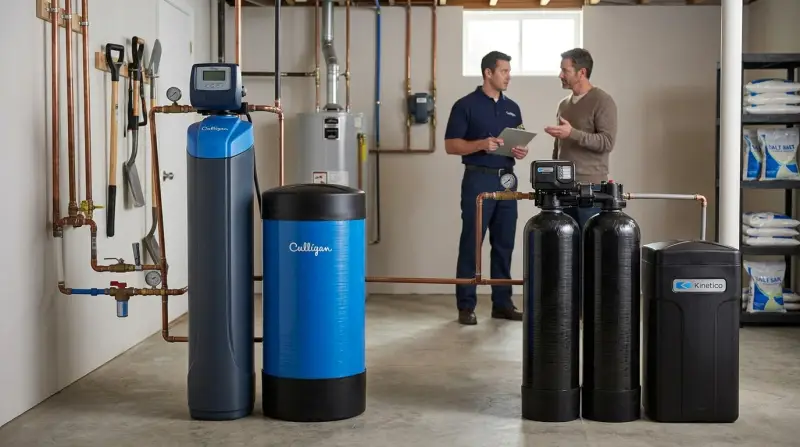
Before comparing specific systems, it’s important to understand the companies themselves. Both have long histories, but their philosophies and products are quite different.
Culligan: The Classic Water Solution
Culligan was founded in 1936 and has become a household name for water treatment. The company offers a wide range of water softeners, filtration systems, and drinking water products. Culligan systems are sold through a network of authorized dealers, who handle everything from water testing to installation and maintenance.
Culligan’s focus is on customized solutions. Their dealers test your water and recommend a system tailored to your home. Many Culligan products feature advanced controls, automatic regeneration, and salt-saving technology. However, the company tends to keep pricing private, requiring a home visit for a quote.
Kinetico: Non-electric Innovation
Kinetico started in 1970 and quickly made a name with its non-electric water softeners. The company’s unique twin-tank design uses water flow, not electricity, to power the softening process. Kinetico systems are also sold through local dealers, with a focus on efficiency and reliability.
Kinetico’s main selling point is simplicity: no timers, no electronics, and fewer things that can break. Their systems use less salt and water because they regenerate only when needed. Like Culligan, Kinetico does not post prices online, so a dealer visit is necessary for a quote.
How Water Softeners Work
Understanding the basics of water softening helps when comparing systems. Hard water contains minerals like calcium and magnesium, which cause scale buildup and reduce soap effectiveness. A water softener replaces these minerals with sodium or potassium, making the water “soft.”
Both Culligan and Kinetico use ion exchange to soften water, but their systems differ in how they regenerate (clean themselves), how much salt and water they use, and how they fit into your home.
Key Differences At A Glance
Here’s a quick comparison of Culligan and Kinetico water softeners:
| Feature | Culligan | Kinetico |
|---|---|---|
| Regeneration Method | Electric (timer or sensor-based) | Non-electric (water-powered) |
| Twin Tank Design | Available on select models | Standard on most models |
| Salt & Water Efficiency | High (with smart models) | Very high (demand-initiated) |
| Maintenance | Dealer or self-service | Primarily dealer |
| Warranty | 1–10 years (varies by model) | Up to 10 years (on main components) |
| Price Range (Installed) | $1,200–$3,500 | $2,000–$5,000 |
Comparing Softener Technology
The heart of any water softener is how it removes hardness and keeps itself running efficiently.
Regeneration: Electric Vs Non-electric
Culligan systems use electric controls to manage regeneration. Some models use simple timers, while newer units have sensors that regenerate based on actual water usage. This can save salt and water but depends on the model you choose.
Kinetico uses a non-electric, water-powered valve. The system regenerates only when one tank is depleted, switching to the second tank for continuous soft water. This approach means no programming, less risk of electrical failure, and often better salt efficiency.
One insight many people miss: Kinetico’s non-electric design means it works during power outages, while some Culligan models may not.
Single Vs Twin Tank
Both companies offer twin-tank designs, but Kinetico uses this setup as standard. Why does this matter? With two tanks, one can regenerate while the other continues softening water. This means you never run out of soft water, even during regeneration. Culligan’s twin-tank units (like the HE Twin) offer the same benefit but are usually more expensive.
Salt And Water Use
Salt efficiency affects both your wallet and the environment. Kinetico’s demand-initiated regeneration typically uses less salt and water because it regenerates only when needed—not on a fixed schedule. Culligan’s smart models are also efficient, but older or timer-based models can waste salt and water if not set up correctly.
If you have unpredictable water use (for example, guests some weekends), Kinetico’s system adapts automatically. With Culligan, you’ll want to make sure you have a smart model, or you may need to adjust the settings yourself.
Installation And Dealer Experience
Neither Culligan nor Kinetico sells direct-to-consumer. Instead, you work with a local dealer for water testing, recommendations, and installation. This approach offers benefits and drawbacks.
Dealer Network
Both brands have nationwide dealer networks in the US and Canada. Service quality can vary widely depending on the dealer’s experience and reputation. Some offer fast service and clear quotes, while others may use high-pressure sales tactics.
A tip most buyers miss: Ask neighbors or look up local reviews before choosing a dealer, as dealer quality often matters as much as the brand.
Installation Process
Dealers handle everything from water analysis to installation. Both brands require professional installation (especially for code compliance and warranty validity). The process typically takes 2–4 hours and may involve changes to plumbing.
A non-obvious insight: Kinetico’s non-electric design means it doesn’t need an electrical outlet, which can simplify installation in some homes.
Service And Maintenance Agreements
Dealers may offer service plans for salt delivery, filter changes, and checkups. Culligan is known for its “Rent or Buy” option, which lets you pay monthly and includes service. Kinetico typically sells systems outright but may offer maintenance contracts.
System Lifespan And Reliability
One area where Kinetico and Culligan both excel is durability. With proper care, either system can last 15–20 years or more.
Build Quality
Kinetico’s non-electric valve has fewer moving parts, which means less can go wrong. Their systems often have polymer resin tanks resistant to corrosion. Culligan’s build quality varies more by model—high-end models are solid, but some entry-level units use more plastic components.
Warranty Coverage
Culligan warranties range from 1 year on electronics to 10 years on tanks. Kinetico offers up to 10 years on main components, sometimes longer on specific parts. Always check the fine print: warranties may be void if you don’t use a dealer for maintenance.
Real-world Reliability
Kinetico systems often run for years without attention, while Culligan may require more regular maintenance for electric controls. However, finding replacement parts is usually easier with Culligan, thanks to their long history and large dealer network.
Cost: Upfront And Ongoing
Cost is one of the most important factors for homeowners. Let’s break down what you can expect.
Upfront Price
Neither brand publishes prices, but real-world quotes from homeowners and dealers show:
- Culligan: $1,200–$3,500 installed, depending on model and home size.
- Kinetico: $2,000–$5,000 installed, with twin-tank models at the upper end.
Why the big range? Factors include home size, local dealer pricing, plumbing complexity, and optional features like reverse osmosis.
Ongoing Costs
Both systems require salt (or potassium) and occasional service.
| Ongoing Expense | Culligan | Kinetico |
|---|---|---|
| Salt (annual) | $80–$200 | $60–$150 |
| Maintenance (annual, optional) | $100–$300 (if dealer service) | $100–$250 (if dealer service) |
| Repairs (rare) | $50–$400/incident | $50–$350/incident |
| Electricity | $5–$15/year | $0 (non-electric) |
A practical tip: Kinetico’s lower salt and water use can add up to hundreds of dollars saved over a decade, especially with hard water and high usage.
Water Quality And Performance
Ultimately, you want soft water—and both systems deliver, but with some differences.
Softening Effectiveness
Both Culligan and Kinetico remove up to 99% of hardness minerals. Water test results before and after installation typically show a dramatic drop in hardness—from 20+ grains per gallon to less than 1 grain.
Taste And Feel
Most users notice softer skin, cleaner dishes, and less scale on faucets within days. Some people report a “slippery” feel to soft water, which is normal and means the system is working. There’s no major difference in water taste between the two brands, as both use similar resin beads and processes.
Additional Filtration Options
Culligan and Kinetico both offer reverse osmosis and specialty filters for iron, chlorine, and other contaminants. These can be added to most softener setups.
A non-obvious insight: If your water has a strong odor or taste (from sulfur or iron), ask your dealer about combination systems that filter and soften at the same time—both brands offer these, but Kinetico’s “K5” and Culligan’s “Aqua-Cleer” are especially popular.
Smart Features And Connectivity
Today’s water softeners can do more than ever before, thanks to digital controls and connectivity.
Culligan Smart Technology
High-end Culligan models include Wi-Fi connectivity, letting you monitor salt levels, water usage, and maintenance alerts from your phone. Their “HE” series (High Efficiency) adjusts regeneration for maximum savings.
Kinetico Simplicity
Kinetico’s lack of electronics means no app or remote monitoring, but also fewer things that can break. Some newer models offer simple LED indicators for low salt or service needs, but you won’t find advanced connectivity here.
Is smart tech worth it? If you travel often or want alerts on your phone, Culligan is the clear winner. If you prefer a “set it and forget it” approach, Kinetico’s simplicity is an advantage.
Environmental Impact
Both brands have made strides in reducing water and salt use, but there are differences.
- Kinetico systems are among the most efficient, with some models using as little as 20 gallons of water per regeneration.
- Culligan HE models are also efficient, but timer-based models can waste water if not set up for your usage patterns.
Both companies offer salt-free alternatives, but these do not soften water—they simply reduce scale. If you’re concerned about salt discharge, ask your dealer about potassium chloride as an alternative, though it costs more.

Credit: www.reddit.com
Customer Service And Support
Because both Culligan and Kinetico use local dealers, your experience can vary.
Culligan: Big Network, Mixed Reviews
Culligan’s huge dealer network means you’re likely to find service anywhere in North America. Reviews vary widely: some praise fast service and knowledgeable techs, while others complain of aggressive sales tactics or unclear pricing. The best dealers are transparent and responsive.
Kinetico: Fewer Dealers, High Satisfaction
Kinetico dealers are less common but often have higher customer satisfaction. Many users cite “set and forget” reliability and quick service when needed. However, in rural areas, you may have to wait longer for parts or service.
What To Watch For
A common mistake: choosing based on brand alone. Always check local dealer reviews, and ask for references or to speak with existing customers.
Who Should Choose Culligan?
Culligan shines in several scenarios:
- You want advanced features like Wi-Fi monitoring or programmable schedules
- You value a “rent” option with included service
- You have a local dealer with strong reviews
- You want a wide range of add-on filters and drinking water systems
Culligan is especially popular with families who want full-service solutions and the latest technology.

Credit: waterquality-hub.com
Who Should Choose Kinetico?
Kinetico is a smart choice if:
- You want non-electric reliability (no power, fewer repairs)
- You want the lowest possible salt and water use
- You have very hard water or unpredictable usage patterns
- You value “set it and forget it” simplicity
Kinetico is a favorite for rural homes, off-grid applications, and anyone who dislikes complicated electronics.
Real-world Owner Experiences
Hearing from real owners can clarify the differences.
Culligan Owners
Many Culligan owners praise the custom setup and dealer support. One owner in Ohio said, “Our water went from leaving white spots on everything to crystal clear. The dealer checks it every year, so I never worry.” Some mention higher costs and aggressive sales, but most are happy with the water quality.
Kinetico Owners
Kinetico owners often buy for the non-electric, twin-tank design. A Texas homeowner said, “We’ve had ours 15 years and never had a problem, even with frequent power outages.” Some say the upfront price was higher, but the low maintenance and salt use made it worthwhile.
Head-to-head: Which Is Best For You?
There’s no single winner in the Culligan vs Kinetico debate—it depends on your needs.
| Best For | Culligan | Kinetico |
|---|---|---|
| High-Tech Features | ✔ | |
| Non-Electric Operation | ✔ | |
| Lowest Salt & Water Use | ✔ | |
| Set & Forget Simplicity | ✔ | |
| Wide Range of Filters | ✔ | ✔ |
| Largest Dealer Network | ✔ | |
| Rental Options | ✔ |
Common Mistakes When Choosing
Many homeowners make these mistakes—avoid them for the best results:
- Ignoring dealer reputation: The dealer’s skill affects installation, warranty, and service. Always check reviews.
- Choosing by price alone: The lowest bid may mean cut corners or less service.
- Not testing your water first: Know what’s in your water—hardness, iron, chlorine, etc.—before buying.
- Overlooking maintenance costs: Some systems cost more to service over time.
- Assuming all softeners are the same: Technology, efficiency, and reliability vary widely.
How To Decide: A Simple Checklist
To choose between Culligan and Kinetico:
- Test your water (let the dealer do it or use a home kit)
- Decide if non-electric operation matters to you
- Consider how much you value smart features and remote alerts
- Get quotes from both local dealers (ask for total price, not just system cost)
- Check dealer reviews on Google, Yelp, and the BBB
- Compare warranty terms and what’s covered
- Ask about service plans, salt delivery, and ongoing costs
- If you’re on well water, ask about iron or sulfur filters
The Bottom Line
Culligan and Kinetico are both industry leaders for a reason—they make reliable, effective water softeners that can transform your home’s water. Culligan offers more high-tech features, rental options, and a huge dealer network. Kinetico stands out for non-electric reliability, twin-tank efficiency, and “set it and forget it” simplicity.
The right choice depends on your priorities, your home, and your local dealer. Always test your water and get multiple quotes. A little research now can mean many years of hassle-free, soft water later.
For a deeper dive into water softening technology and home water treatment, you can visit the EPA’s WaterSense page.
Frequently Asked Questions
What Is The Main Difference Between Culligan And Kinetico Water Softeners?
Culligan uses electric controls (timers or sensors) for regeneration, while Kinetico systems are non-electric and use water flow to power the process. This makes Kinetico simpler and less prone to electrical problems, but Culligan offers more high-tech features.
Which System Is More Efficient With Salt And Water?
Kinetico is usually more efficient, thanks to demand-initiated regeneration and twin-tank design. However, Culligan’s high-efficiency models also perform well if set up correctly.
How Much Does Installation Cost For Culligan Vs Kinetico?
Culligan systems typically cost $1,200–$3,500 installed. Kinetico systems range from $2,000–$5,000 installed. Prices vary by home size, water hardness, and dealer rates.
Can Either System Handle Well Water With Iron Or Sulfur?
Yes. Both Culligan and Kinetico offer add-on filters for iron, sulfur, and other contaminants. Be sure to mention your specific water issues during testing, so the dealer can recommend the right setup.
Do I Need Regular Maintenance For These Systems?
Both brands recommend annual checkups to keep the system running well. Kinetico systems often need less attention, but both should be serviced by a dealer for warranty protection and best performance.