
A squeaking dishwasher door can be surprisingly annoying. It distracts from your kitchen’s calm, makes using the appliance less enjoyable, and sometimes hints at deeper problems. Many people ignore a squeak, thinking it’s harmless, but a noisy door can signal wear, poor maintenance, or even parts at risk of failing.
If you’re hearing that high-pitched noise each time you open or close the door, you’re not alone. This article will help you understand why dishwasher doors squeak, how to fix them, and what you can do to prevent the problem from coming back.
Whether you’re a homeowner, renter, or just someone who wants a quiet kitchen, you’ll find practical advice and clear steps here.
Why Dishwasher Doors Squeak
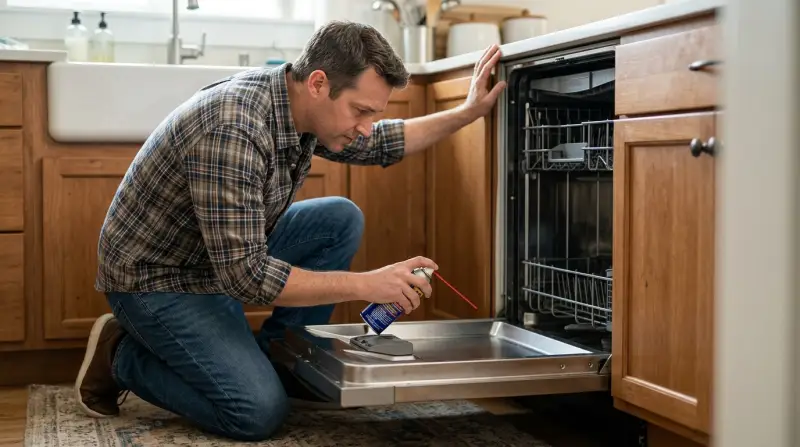
Most dishwashers are designed to operate quietly. When a door squeaks, it’s often a sign that something has changed. The noise usually comes from friction—two parts rubbing together in a way they shouldn’t. Let’s break down the most common causes:
- Hinge Wear: Dishwasher doors rely on sturdy hinges. Over time, these hinges can lose lubrication or become worn, leading to metal-on-metal squeaking.
- Spring Tension: Many doors use springs to help them open smoothly. If the spring is damaged, stretched, or rusty, it can squeak when the door moves.
- Seal Problems: The rubber or silicone seal around the door keeps water inside and helps with quiet operation. If the seal dries out or becomes cracked, it can create noise.
- Loose Screws or Bolts: When screws or bolts loosen, parts may move or vibrate more than they should. This extra movement can produce squeaks.
- Build-up of Dirt or Detergent: Grease, detergent, or mineral build-up near the hinges or seals can increase friction and cause squeaking.
- Material Expansion: Sudden changes in temperature or humidity can cause plastic and metal parts to expand or contract, sometimes resulting in temporary squeaks.
It’s important to note that sometimes squeaking is a combination of these factors. For example, a worn hinge and dried-out seal together can amplify the noise.
Identifying The Source Of The Squeak
Before fixing a squeaky dishwasher door, you need to know exactly where the sound comes from. Here’s how to diagnose:
- Listen Carefully: Open and close the door slowly. Pay attention to when the squeak happens—does it start immediately, or only at a certain angle? Try to pinpoint the area.
- Inspect Hinges And Springs: Look for visible signs of wear. Check for rust, corrosion, or dirt. Sometimes, hinges are hidden behind panels—if so, you may need to unscrew these panels to get a proper look.
- Examine The Door Seal: Run your fingers along the door seal. Is it cracked, hard, or sticky? If the seal doesn’t feel soft and flexible, it could be contributing to the noise.
- Check For Loose Parts: Gently wiggle the door. If it moves side-to-side or feels loose, check the screws and bolts holding the hinges and springs.
- Note Environmental Changes: If your kitchen recently became more humid, or you’ve had a sudden cold snap, remember that material expansion could be a factor.
A common beginner mistake is not listening closely enough. Sometimes, the squeak sounds like it’s coming from the door, but it’s actually from the frame or floor. Take your time during this step.

Common Solutions For A Squeaking Dishwasher Door
Once you know the cause, you can choose the right fix. Most solutions are simple and require only basic tools.
Lubricating Hinges
This is the most frequent solution. If the squeak comes from the hinges, lubricate them using:
- Silicone spray: Safe for metal and plastic, doesn’t attract dirt.
- WD-40: Common, but can attract dust if overused.
- White lithium grease: Good for metal hinges, lasts longer.
Apply a small amount to the hinge. Open and close the door several times to spread the lubricant. Wipe off any excess.
Tightening Screws And Bolts
If you notice loose screws or bolts:
- Use a screwdriver to tighten them.
- Don’t overtighten—this can strip the threads.
- If a screw is stripped, replace it with a new one.
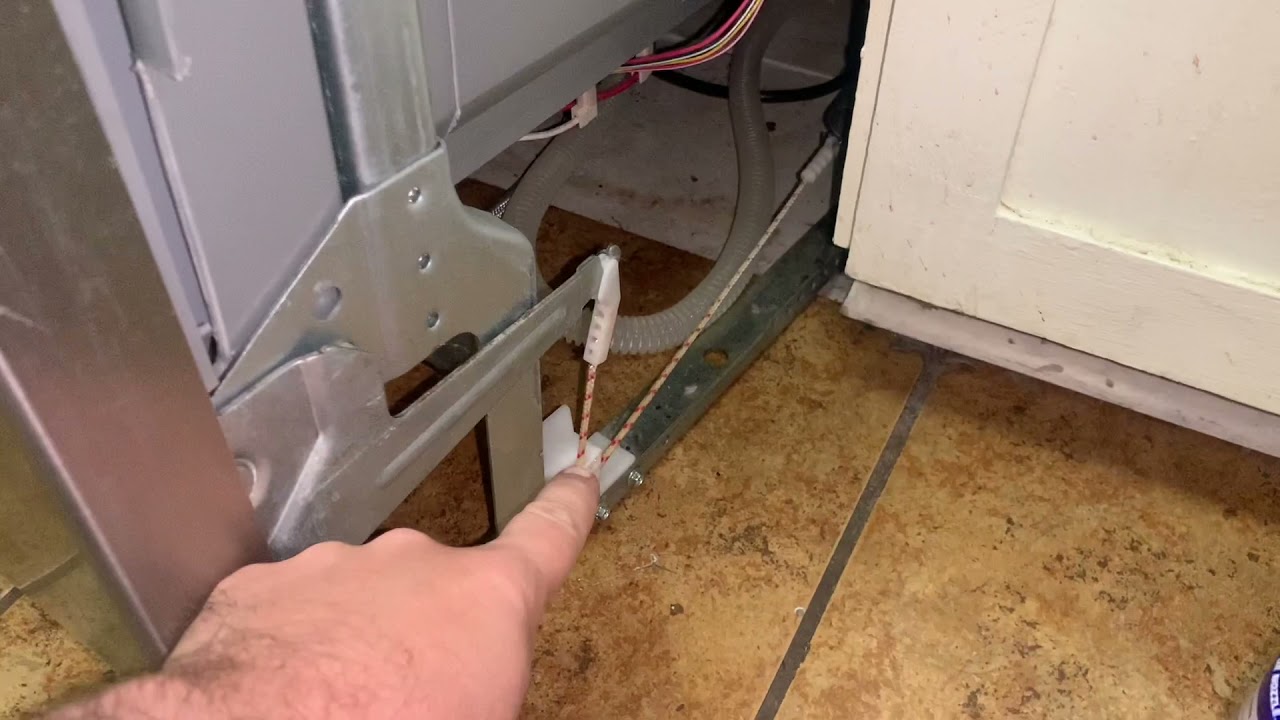
Replacing Or Repairing Springs
If the spring is damaged or rusty:
- Remove the old spring (usually requires pliers).
- Buy a replacement that matches your dishwasher model.
- Install the new spring, making sure it’s secured tightly.
Some dishwashers have two springs—replace both if one is bad. This keeps the tension even.
Cleaning Dirt And Detergent Build-up
Use a damp cloth or old toothbrush to clean around the hinges, springs, and seal. For stubborn grease, use a mild dish soap. Avoid harsh cleaners that might damage rubber or plastic.
Refreshing Or Replacing The Door Seal
If the seal is dried out:
- Wipe it with a damp cloth.
- Apply a thin layer of food-grade silicone lubricant.
If the seal is cracked or broken, order a replacement. Most seals are easy to fit—just pull out the old one and press the new one into place.
Handling Material Expansion
If you suspect expansion, wait a few days. Squeaks often disappear as humidity changes. If the sound persists, try lubricating the hinges.
Diy Steps To Fix A Squeaky Dishwasher Door
You can fix most squeaks yourself. Follow these steps for a safe, effective repair.
Step 1: Unplug The Dishwasher
Safety first. Disconnect the dishwasher from power before working near hinges or springs.
Step 2: Open The Door And Inspect
Open the door fully. Look for:
- Dirty hinges
- Rusty springs
- Cracked seal
- Loose screws
Step 3: Clean The Area
Use a cloth and mild cleaner to remove dirt. Pay special attention to hinges and springs.
Step 4: Apply Lubricant
Choose a safe lubricant. Spray or apply it to hinges and springs. Open and close the door several times.
Step 5: Tighten Screws
Check all screws and bolts. Tighten them with a screwdriver. If any are missing, replace them.
Step 6: Replace Damaged Parts
If you see damage, order replacements. Most seals, springs, and hinges can be replaced with basic tools.
Step 7: Test The Door
Plug the dishwasher back in. Open and close the door. If the squeak is gone, you’re finished.
Step 8: Repeat If Needed
Sometimes, squeaks return after a few days. Repeat the process, paying attention to any missed areas.
A non-obvious tip: Don’t use oil-based lubricants near rubber seals—they can cause the rubber to swell or break down.
When To Call A Professional
Some squeaks are easy to fix. Others require expert help. Consider calling a technician if:
- The squeak remains after multiple DIY attempts.
- You find broken parts you can’t replace.
- The door feels unstable or won’t close properly.
- Water leaks appear after fixing the door.
Professionals can diagnose hidden issues, like bent frames or electrical problems. If your dishwasher is under warranty, repairs may be free or discounted.
Preventing Dishwasher Door Squeaks
Prevention is better than cure. With simple habits, you can avoid future squeaks.
Regular Cleaning
Wipe down the hinges, springs, and seal every month. Remove dirt and detergent build-up.
Lubrication Schedule
Apply lubricant every six months. Use silicone spray for best results.
Check For Loose Parts
Inspect screws and bolts monthly. Tighten if needed.
Avoid Slamming The Door
Closing the door gently prevents strain on hinges and springs.
Monitor Humidity
If your kitchen is humid, use a dehumidifier. This reduces material expansion and contraction.
Upgrade Seals Periodically
Replace the door seal every 2–3 years, even if it looks fine. This keeps it soft and flexible.
Keep Detergent Away From Hinges
When loading detergent, avoid spilling it near the hinges. Detergent can dry out lubricant and cause friction.
Most people overlook regular lubrication. Doing this simple step can extend the life of your dishwasher by years.
Comparing Lubricants For Dishwasher Hinges
Choosing the right lubricant makes a big difference. Here’s a quick comparison:
| Lubricant | Durability | Safe for Rubber | Attracts Dirt | Cost |
|---|---|---|---|---|
| Silicone Spray | 6-12 months | Yes | No | Low |
| WD-40 | 3-6 months | No | Yes | Low |
| White Lithium Grease | 12+ months | No | Yes | Medium |
| Petroleum Jelly | 3-6 months | No | Yes | Very Low |
Silicone spray is best for most users. It lasts long, doesn’t attract dirt, and is safe for rubber seals.
Dishwasher Door Types And Their Squeak Risks
Not all dishwasher doors are the same. The design affects how often squeaks occur.
| Door Type | Common Squeak Cause | Ease of Repair | Average Lifespan |
|---|---|---|---|
| Drop-down (standard) | Hinge wear | Easy | 8-12 years |
| Drawer-style | Seal friction | Moderate | 7-10 years |
| Integrated panel | Spring tension | Hard | 10-15 years |
Standard drop-down doors are easiest to fix. Drawer-style doors may need special parts.
Squeak Severity: When Is It A Real Problem?
Not all squeaks mean trouble. Here are signs your squeaky dishwasher door needs urgent attention:
- Door won’t stay open or shut: This suggests hinge or spring failure.
- Squeak is loud and sudden: Often a sign of a broken part.
- Water leaks: May indicate a damaged seal.
- Visible rust or corrosion: Needs repair before it spreads.
If the squeak is soft and only occurs occasionally, it’s usually not urgent. If it’s loud or affects door function, act quickly.
Cost Of Fixing A Squeaky Dishwasher Door
Fixing a squeaky door is usually affordable. Here’s a breakdown of common costs:
| Repair Type | DIY Cost | Professional Cost | Time Needed |
|---|---|---|---|
| Lubrication | $5-$10 | $50-$75 | 10-15 min |
| Tightening Screws | $0 | $40-$60 | 5-10 min |
| Spring Replacement | $10-$20 | $80-$120 | 30-60 min |
| Seal Replacement | $15-$30 | $90-$150 | 20-30 min |
DIY repairs are much cheaper. Professionals charge more but can handle hidden issues.
Real-life Examples
Let’s look at some real stories:
- Anna, 34: Her dishwasher squeaked for weeks. She found the cause—dirty hinges—and fixed it with silicone spray. The noise disappeared, and the door felt smoother.
- Mike, 47: His dishwasher door started squeaking after a cold winter. He tried lubricating, but the noise returned. A technician discovered a broken spring. Mike replaced it, and the squeak stopped.
- Jia, 29: She noticed squeaking from her integrated dishwasher. Tightening the screws helped, but the sound returned. Jia replaced the seal and scheduled regular cleaning. The problem hasn’t come back.
These examples show that simple fixes can solve most squeaks, but sometimes deeper problems need professional help.
Non-obvious Insights For A Quiet Dishwasher
Many beginners miss these tips:
- Lubricate after cleaning: Always clean hinges before adding lubricant. Dirt can trap lubricant and make squeaks worse.
- Check for uneven flooring: If your dishwasher isn’t level, the door may rub against the frame, causing squeaks.
- Avoid overloading the door: Placing heavy items on the door while open strains the hinges.
- Use correct parts: Always buy manufacturer-approved springs and seals. Generic parts may not fit or last.
- Don’t ignore recurring squeaks: If the noise returns, it often means you missed a hidden cause.
The Impact Of Squeaky Doors On Dishwasher Performance
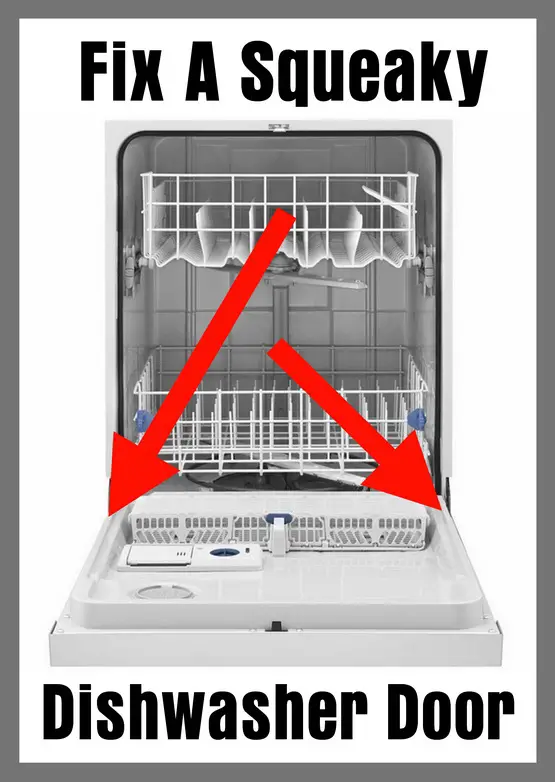
A squeaky door is more than a nuisance. It can affect:
- Door seal: If a squeak is due to a bad seal, water can escape, leading to leaks.
- Hinge alignment: Misaligned hinges can make the door hard to close, reducing cleaning performance.
- Spring tension: Broken springs make the door heavy, risking injury and poor function.
A squeak can be the first sign of bigger problems. Fixing it early prevents costly repairs.
Squeaky Doors In New Dishwashers
Sometimes, new dishwashers squeak. This can happen due to:
- Factory residue: Manufacturing oils or dust can cause friction.
- Improper installation: If installed incorrectly, the door may rub against the frame.
- Settling: New appliances take a few days to settle in place.
If your new dishwasher squeaks, clean and lubricate the hinges. If the problem continues, contact the manufacturer.
Environmental Factors
Your kitchen environment affects how often squeaks occur.
- Humidity: High humidity can dry out seals or cause rust.
- Temperature: Sudden changes make parts expand and contract.
- Water quality: Hard water leaves mineral build-up, increasing friction.
If your kitchen is prone to these factors, schedule more frequent maintenance.
Dishwasher Brands And Squeak Frequency
Some brands are known for quiet doors. Others may squeak more often. According to consumer reports:
- Bosch: Rarely squeaks, thanks to strong hinges.
- Whirlpool: Squeaks are common after 5 years.
- GE: Squeaks often due to weak springs.
- Samsung: Few squeaks, but hard to repair when they occur.
These differences are often due to design and materials. Choose a brand with a good reputation for quiet operation.
Frequently Asked Questions
Why Does My Dishwasher Door Squeak Only When Closing?
Usually, this happens because the spring tension changes as you close the door. A rusty or stretched spring can squeak only during certain movements.
Can I Use Cooking Oil As A Lubricant?
No. Cooking oil can attract dirt and break down rubber seals. Always use silicone spray or white lithium grease.
Is It Safe To Keep Using A Squeaky Dishwasher?
Yes, but it’s best to fix the squeak soon. A squeaky door may lead to bigger problems like leaks or broken parts.
How Often Should I Lubricate My Dishwasher Hinges?
Lubricate every six months or whenever you hear squeaks. Clean hinges before applying lubricant for best results.
What If My Dishwasher Is Still Under Warranty?
If your appliance is under warranty, contact the manufacturer. Many offer free repairs for squeaky doors. Check your warranty terms for details. For official information, visit Consumer Reports.
A quiet dishwasher door is more than comfort it’s a sign of a healthy, well-maintained appliance. By understanding why doors squeak, learning how to fix and prevent the problem, and knowing when to ask for help, you keep your kitchen running smoothly.
If you follow the steps and tips in this article, you’ll enjoy a silent, reliable dishwasher for years to come.