
If you’ve ever opened your dishwasher to find a warped plastic container or a melted lid, you’re not alone. Dishwasher melting plastic is a common problem in many homes. Not only can it ruin your containers, but it can also cause lingering odors and make cleaning up much harder. Sometimes, melted plastic even sticks to the dishwasher’s heating element, causing smoke and possible damage. Understanding why plastic melts in dishwashers—and how to prevent it—can save you money, frustration, and even protect your appliance.
Why Does Plastic Melt In The Dishwasher?
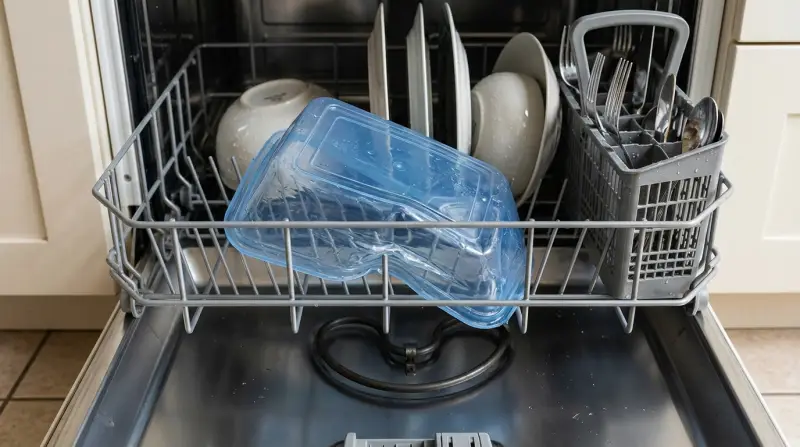
Many people assume that all kitchen plastics are safe for the dishwasher, but that’s not always true. The main reason plastic melts is because of high temperatures. Dishwashers use hot water—often up to 150°F (65°C) or higher. The drying cycle uses even hotter air or a heating element, sometimes reaching up to 170°F (77°C).
Not all plastics can handle these temperatures. Some will soften or warp, while others can completely melt if they come into direct contact with the heating element. Even if the plastic is labeled “dishwasher safe,” it can sometimes get damaged if placed incorrectly.
Types Of Plastic And Their Heat Tolerance
Different plastics have different heat tolerances. Here’s a quick comparison of common plastics used in kitchenware:
| Plastic Type | Common Use | Max Safe Temp | Dishwasher Safe? |
|---|---|---|---|
| Polypropylene (PP) | Food containers, lids | 210°F (99°C) | Usually |
| Polyethylene (PE) | Bags, wraps | 160°F (71°C) | Rarely |
| Polycarbonate (PC) | Bottles, pitchers | 250°F (121°C) | Yes, but with caution |
| Polystyrene (PS) | Cups, takeout boxes | 150°F (65°C) | No |
Notice that some plastics, like polystyrene, can soften at the same temperatures as a dishwasher’s water. Always check the container’s label for dishwasher safety.
Common Causes Of Dishwasher Melting Plastic
Understanding the specific reasons why plastic melts can help you avoid future problems.
1. Placing Plastic Near The Heating Element
Many dishwashers have a heating element at the bottom. Plastic items that fall or touch this element can melt quickly, leaving a mess and sometimes a burnt smell.
2. Using The Wrong Rack
The bottom rack is usually much hotter than the top rack. Most manufacturers recommend placing plastic items only on the top rack, away from direct heat.
3. High-temperature Settings
Some dishwashers have a sanitize mode or extra-hot drying cycle. These settings are useful for glass and metal, but can be too much for many plastics.
4. Thin Or Low-quality Plastic
Disposable containers or cheap plastics are not designed for repeated high-heat exposure. They’re more likely to melt, warp, or crack.
5. Overcrowding The Dishwasher
When the dishwasher is too full, plastic items can get knocked out of place and end up near the heating element.
How To Prevent Plastic From Melting In The Dishwasher
You don’t have to stop washing plastic altogether. With a few smart habits, you can protect your containers and your dishwasher.
- Check for “Dishwasher Safe” Labels: Only put items in the dishwasher if they are clearly marked as dishwasher safe.
- Use the Top Rack: Always place plastic on the top rack, far from the heating element.
- Secure Lightweight Items: Use a rack guard or place heavier dishes on top to keep plastics from flipping over.
- Avoid High-Heat Cycles: Skip the sanitize or extra-hot dry cycles when washing plastic.
- Don’t Overload: Make sure each item is secure and has space, so it doesn’t move during the wash.
- Hand Wash Thin Plastics: Single-use or very thin plastics are better washed by hand.
Here’s a quick visual comparison of dishwasher racks and their typical temperatures:
| Dishwasher Area | Average Temp (°F) | Plastic Suitability |
|---|---|---|
| Top Rack | 120–140 | Most plastics |
| Bottom Rack | 140–170 | Heat-resistant only |
| Near Heating Element | 170+ | Avoid all plastics |
What To Do If Plastic Melts In Your Dishwasher
Accidents happen, even if you’re careful. If you find melted plastic in your dishwasher, it’s important to act quickly.
Step 1: Turn Off And Unplug
If you catch the melting as it happens, turn off and unplug the dishwasher. This prevents further heating and reduces risk.
Step 2: Let The Element Cool
Never touch the heating element or melted plastic until everything is cool. Hot plastic can cause burns.
Step 3: Remove Large Pieces
Once cool, gently peel or scrape away as much melted plastic as possible. Use a wooden or plastic tool to avoid scratching the element.
Step 4: Use Ice To Harden Stubborn Plastic
If plastic is stuck, place ice cubes in a bag and rest it on the melted area. This hardens the plastic, making it easier to chip off.
Step 5: Clean The Area
Wipe with a damp cloth. For any lingering residue, use a baking soda paste (mix water and baking soda) to scrub gently.
Step 6: Run An Empty Cycle
After cleaning, run the dishwasher empty with a cup of vinegar or baking soda. This removes odors and small bits you missed.

Long-term Effects Of Melting Plastic In Your Dishwasher
Melted plastic can have more impact than you might think:
- Odor Transfer: The smell of burnt plastic can linger, affecting future wash cycles and even making dishes smell strange.
- Element Damage: Repeated melting can damage the heating element, leading to expensive repairs.
- Dishwasher Clogs: Small bits of plastic can clog filters and pumps, reducing performance.
- Health Concerns: Some plastics, when melted, can release chemicals. This is why it’s important to clean up thoroughly and not reuse melted containers.
Choosing The Right Plastics For Your Dishwasher
Not all plastic containers are created equal. Here are some tips for choosing dishwasher-friendly plastics:
- Look for Temperature Ratings: Some containers list a maximum temperature. Choose those rated above 150°F (65°C).
- Check Recycling Codes: Plastics with the recycling codes #2 (HDPE), #4 (LDPE), and #5 (PP) are often more heat-resistant.
- Avoid #6 and #7 Plastics: These are usually polystyrene or mixed materials, which can warp or melt easily.
- Buy from Reputable Brands: Well-known brands test their products for dishwasher safety.
The Science Behind Plastic Melting
Plastics are made of long-chain molecules called polymers. When exposed to heat, these chains can move and slide past each other, causing the plastic to soften or melt. Some plastics, like polypropylene, have higher melting points because their chains are tightly packed.
If a plastic’s glass transition temperature (the point where it starts to soften) is lower than your dishwasher’s temperature, it will warp or melt. This is why not all plastics survive the same washing conditions.
Hidden Risks: Chemicals And Food Safety
Many people worry about more than just the look of melted plastic. When plastic melts, it can release chemicals such as BPA or phthalates. While most modern food containers are BPA-free, melting any plastic can create unknown compounds that may not be safe.
A 2011 study found that even “BPA-free” plastics can release estrogen-like chemicals when stressed by heat. This is another reason to only use containers designed for high temperatures and avoid reheating or washing them if they’re damaged.
If you’re concerned about chemical exposure, consider using glass or stainless steel containers for food storage and reheating.
Real-life Examples
- A family in Texas found their plastic baby bottles melted onto the bottom rack after using the sanitize cycle. The dishwasher had to be professionally cleaned, and the bottles replaced.
- A college student melted a plastic takeout container, which clogged the dishwasher’s filter and caused water to back up. The repair cost nearly $200.
- A busy parent melted a lid, leaving a burnt smell for weeks. Running the dishwasher empty with vinegar helped, but the lid’s residue took several cleanings to fully remove.
These stories show that even small mistakes can cause real inconvenience and expense.
When To Replace Plastic Kitchenware
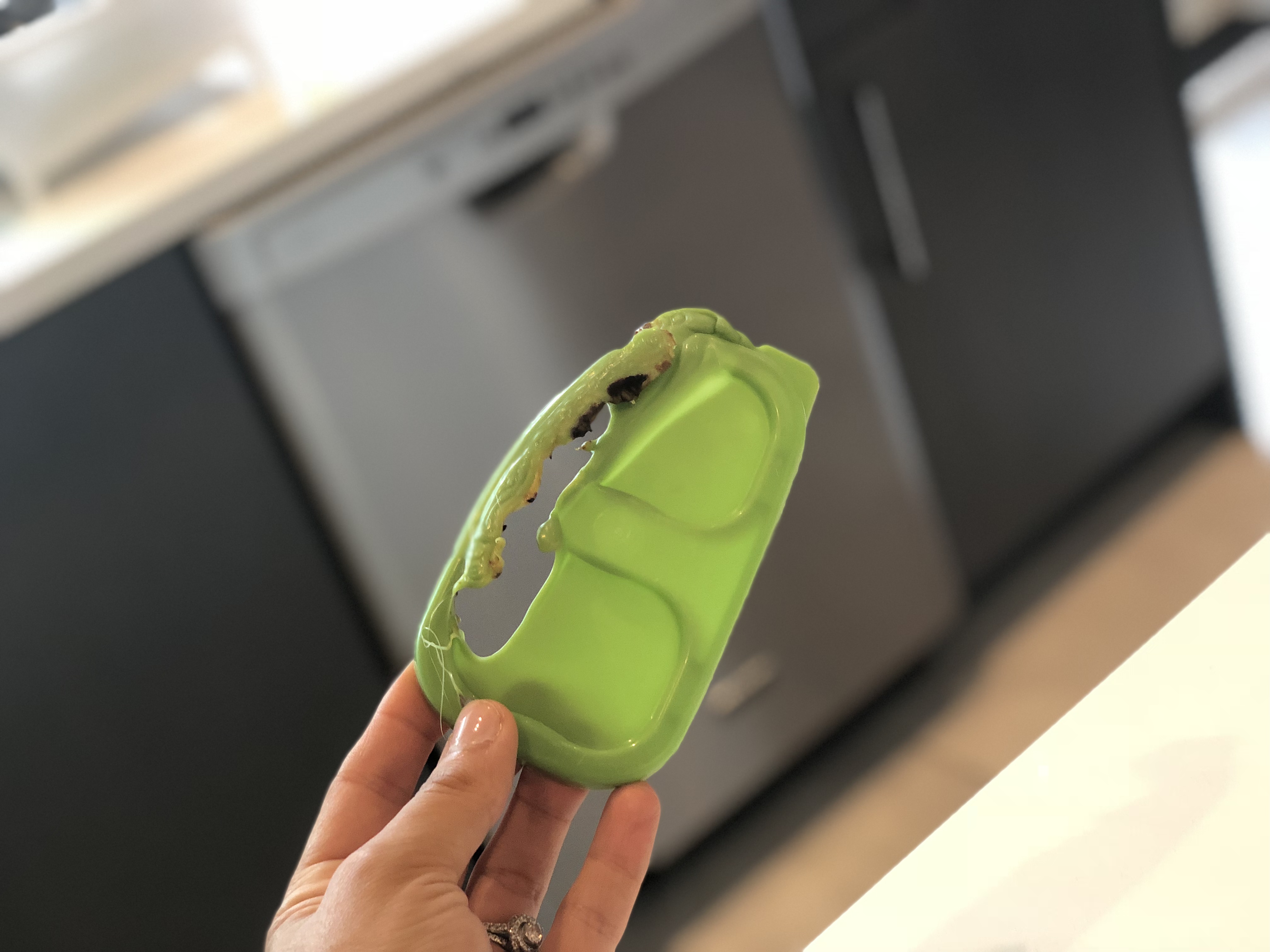
Even if your plastic items survive the dishwasher, they don’t last forever. Over time, repeated washing can create cracks, cloudiness, or rough edges. Replace any plastic container that:
- Is warped or misshapen
- Has deep scratches or cracks
- Feels sticky after washing
- Has a strong odor that doesn’t wash out
Old or damaged plastics are more likely to leach chemicals and are harder to clean.
Alternatives To Plastic In The Dishwasher
If you’re tired of worrying about melted plastic, try switching to:
- Glass containers: Safe for both dishwasher and microwave, and don’t retain odors.
- Stainless steel: Durable and long-lasting, though not always microwave-safe.
- Silicone: Most silicone kitchenware is dishwasher safe and heat resistant up to 428°F (220°C).
These materials can cost more upfront, but they last much longer and are safer for repeated washing.
Frequently Asked Questions
Why Does My Dishwasher Melt Only Some Plastic Items And Not Others?
Different plastics have different heat tolerances. High-quality, dishwasher-safe plastics can handle hot water and drying cycles, while cheaper or thin plastics may warp or melt even on the top rack.
Is Melted Plastic In My Dishwasher Dangerous?
Yes, melted plastic can release chemicals and damage your appliance. Always remove melted plastic as soon as possible, and avoid reusing any melted containers for food.
Can I Use The Dishwasher After Plastic Has Melted Inside It?
You should clean out all visible plastic and run an empty cycle before using the dishwasher again. This removes residue and odors that might affect your next load.
Are All “dishwasher Safe” Plastics Really Safe In The Dishwasher?
Most are tested to handle typical dishwasher cycles, but some can still warp if exposed to very high heat or if placed near the heating element. Top rack placement is always safest for plastic.
What Should I Do If Plastic Melts Onto The Heating Element?
Wait until the element is cool, then gently remove as much as possible. For stubborn plastic, use ice to harden it or a baking soda paste to clean. Avoid metal tools, which can damage the element. If you’re unsure, consult your dishwasher’s manual or contact a professional.
Being careful with plastic in your dishwasher can save you frustration, money, and help keep your food safe. By understanding which plastics are safe and how to load your dishwasher correctly, you can avoid most problems before they start. For more on plastic safety and recycling codes, check the official guidance from the U.S. Environmental Protection Agency.
A little extra attention today can help you enjoy clean, safe dishes—and keep your dishwasher running smoothly for years to come.