
A dishwasher that won’t start can quickly become a headache. You press the button, but nothing happens. Dishes pile up, and you wonder what’s wrong. Many people think fixing a dishwasher is complicated, but often, the problem is simple and easy to solve.
In this article, you’ll learn the most common causes, how to check them, and practical ways to get your dishwasher running again. Even if you’re not an expert, you can follow these steps. By the end, you’ll understand what to look for and what to do, saving you time and money.
Common Reasons Why A Dishwasher Won’t Start
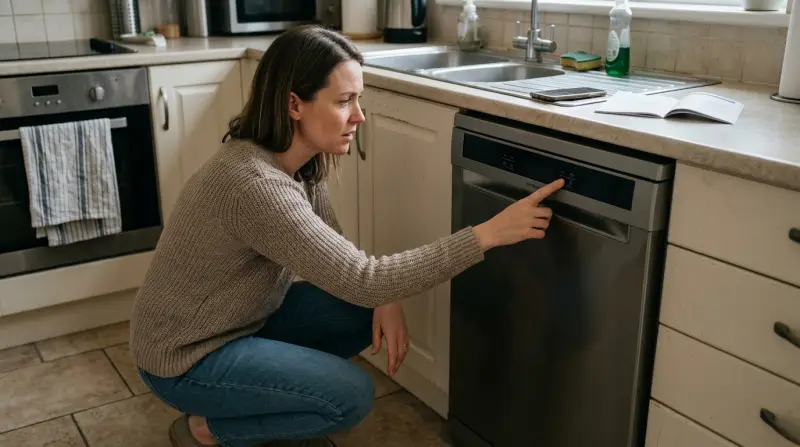
When your dishwasher won’t start, the problem usually falls into a few main categories. Let’s explore each, with examples and tips.
1. Power Supply Issues
Most dishwashers need a steady power supply. If the machine isn’t getting power, it simply won’t turn on.
- Plug and Outlet: Check if the dishwasher is plugged in securely. Sometimes, vibrations or moving the appliance can loosen the plug. Also, inspect the outlet. Try plugging in another device, like a lamp, to see if the outlet works.
- Circuit Breaker: Dishwashers are often on their own circuit. Look for tripped breakers in your home’s electrical panel. Reset if needed.
- Power Cord Damage: Inspect the cord for cuts or burns. A damaged cord must be replaced—never use electrical tape as a permanent fix.
2. Door Latch Problems
Dishwashers won’t start unless the door is fully closed and latched.
- Latch Sensor: Modern dishwashers have sensors to detect if the door is closed. If the sensor fails, the machine won’t start. Wiggle the door gently and listen for a click.
- Misaligned Door: Sometimes, the door is slightly out of alignment. Try closing it firmly. If it still doesn’t latch, check for obstructions like utensils or racks sticking out.
- Broken Latch: If the latch feels loose or makes no sound, it may be broken. Replacing a latch is usually simple and costs $10–$30.
3. Control Panel And Settings
The control panel is the brain of the dishwasher. If it fails, the machine may not respond.
- Locked Controls: Many dishwashers have a child lock feature. Look for a small padlock symbol or flashing lights. Check your manual for unlocking instructions.
- Faulty Buttons: If buttons stick or don’t respond, clean the panel gently with a soft cloth. Avoid water, as moisture can damage electronics.
- Error Codes: Some dishwashers display codes when something is wrong. Search the code online or in your manual to find the cause.
4. Water Supply Problems
Dishwashers need water to run. If water isn’t flowing, the machine won’t start.
- Valve Shut Off: Check the valve under your sink. Make sure it’s open.
- Kinked Hose: Look behind the dishwasher for the water hose. If it’s bent or twisted, straighten it.
- Low Water Pressure: If your home has low water pressure, the dishwasher may not start. You can test this by turning on the sink and seeing how strong the water flows.
5. Internal Component Failure
Sometimes, a part inside the dishwasher fails. These are less common but possible.
- Thermal Fuse: The thermal fuse protects the dishwasher from overheating. If it blows, the machine won’t start. Replacing a fuse costs $15–$40.
- Motor and Pump: If you hear humming but no action, the motor may be stuck or burned out. Motors usually last 7–10 years.
- Wiring Issues: Wires inside the dishwasher can loosen over time. This often happens after moving the appliance.
How To Troubleshoot Step By Step
Fixing a dishwasher starts with simple checks. Here’s a practical, step-by-step guide:
- Check Power: Make sure the dishwasher is plugged in and the outlet works.
- Inspect Door Latch: Close the door firmly. Look for any obstruction.
- Check Control Panel: Look for locked controls or error codes. Try resetting the dishwasher by unplugging it for 5 minutes.
- Inspect Water Supply: Make sure the valve is open and hoses are straight.
- Test Internal Parts: Listen for humming or unusual noises. If the dishwasher is silent, suspect a fuse or wiring issue.
- Call a Technician: If you’ve tried all steps and the dishwasher still won’t start, it’s time to call a professional.
Common Mistakes
Many beginners make these mistakes:
- Ignoring Error Codes: Always check and research the error code if present.
- Forcing the Door: Never force a stuck door. This can break the latch or hinges.
- Skipping Basic Checks: Always start with power and water supply before looking at expensive parts.

Credit: codysappliancerepair.com
Comparing Dishwasher Brands And Reliability
Some dishwasher brands are more reliable than others. Let’s compare three popular brands based on start-up issues reported by owners.
| Brand | Startup Failure Rate (%) | Average Lifespan (Years) | Common Problems |
|---|---|---|---|
| Whirlpool | 5.2 | 9 | Latch, Fuse |
| Bosch | 3.5 | 10 | Door Sensor |
| GE | 6.4 | 8 | Control Panel |
As you can see, Bosch tends to have fewer startup issues, while GE reports more control panel problems. This can help you decide when buying a new dishwasher or troubleshooting your current one.
Diy Fixes Vs Professional Repair
Should you try to fix your dishwasher yourself, or call an expert? Here’s a quick comparison.
| Repair Type | Typical Cost ($) | Skill Level | Recommended For |
|---|---|---|---|
| DIY (Latch, Fuse, Hose) | 10–40 | Beginner | Simple problems |
| Professional (Motor, Wiring) | 100–350 | Advanced | Complex issues |
For simple issues like a broken latch or blown fuse, DIY is safe and cheap. For complex wiring or motor problems, a professional is best.

Credit: justintimeappliance.com
Preventing Future Dishwasher Startup Problems
Keeping your dishwasher in good shape can help avoid startup issues. Here are practical tips:
- Clean the Door and Latch: Wipe the door edge and latch area regularly. Food buildup can block sensors.
- Check Hose and Valve: Every 6 months, inspect hoses for kinks and valves for leaks.
- Avoid Overloading: Too many dishes can keep the door from closing properly.
- Use Surge Protectors: Protect electronics from power spikes.
- Read the Manual: Each dishwasher is different. Learn the warning signs and codes for your model.
Non-obvious Insights
- Humidity Can Affect Sensors: In humid climates or after running the dishwasher often, moisture can build up inside the control panel. Letting the dishwasher air dry for an hour before use can sometimes fix startup issues.
- Hard Water May Cause Valve Sticking: If your home has hard water, minerals can clog the inlet valve. Use a dishwasher cleaner once a month to prevent buildup.
When To Replace Your Dishwasher
Sometimes, fixing isn’t worth it. Here are signs you may need a new dishwasher:
- Age Over 10 Years: Most dishwashers last 8–12 years. If yours is older, replacement may be smarter.
- Frequent Repairs: If you’ve had two or more repairs in a year, the costs add up.
- Major Component Failure: If the motor or control board fails, replacement is often cheaper.
Cost Comparison: Repair Vs Replace
| Repair Type | Cost ($) | Replacement Cost ($) |
|---|---|---|
| Minor Fix (Latch/Fuse) | 10–40 | 400–800 |
| Major Fix (Motor/Board) | 150–350 | 400–800 |
If the repair cost is more than half the price of a new dishwasher, consider replacing.

Real-life Examples
Let’s look at two stories:
- Anna’s Whirlpool Dishwasher: Anna’s dishwasher wouldn’t start. She checked the power, but everything looked fine. After reading her manual, she found an error code. The fix was simple—unlocking the child lock feature. Her dishwasher started again.
- Mike’s GE Dishwasher: Mike’s machine was silent. He checked the latch and water supply. The problem turned out to be a blown thermal fuse. Replacing the fuse cost $25 and took 20 minutes.
Both examples show that small checks and fixes can save time and money.
Frequently Asked Questions
Why Does My Dishwasher Make A Humming Noise But Won’t Start?
A humming sound usually means the motor is trying to start, but something is blocking it. Check for stuck parts or debris in the motor area. If the noise continues, the motor may need repair.
How Can I Reset My Dishwasher?
Most dishwashers can be reset by unplugging them for 5–10 minutes, then plugging them back in. Some models have a reset button; check your manual for details.
Is It Safe To Repair A Dishwasher Myself?
Simple repairs like changing the latch or fuse are usually safe. For electrical or motor problems, it’s best to call a technician. Never work on the dishwasher while it’s plugged in.
What Are Error Codes And How Do I Find Them?
Error codes are numbers or letters displayed on the control panel. They tell you what’s wrong. Check your manual or search online for your model’s error codes. Many manufacturers list codes on their official websites, like Bosch’s official site.
Will Hard Water Affect My Dishwasher Starting?
Yes. Hard water can cause mineral buildup, especially in the inlet valve. This can prevent water from flowing, stopping the dishwasher from starting. Using a cleaner monthly helps reduce this problem.
A dishwasher not starting can be frustrating, but most issues are simple to fix. Start with basic checks power, door latch, control panel, water supply and move to internal parts only if needed. Regular maintenance helps prevent problems. If your dishwasher is old or needs expensive repairs, replacement may be best.
By following these steps and tips, you can solve most startup issues quickly and confidently.
1 thought on “Dishwasher Won’t Start: Top Troubleshooting Tips to Fix Fast”