
If your dryer clicks but won’t start, it can be frustrating especially when you need clean, dry clothes fast. This problem is surprisingly common, and the clicking noise often gives you hope that the dryer is about to run. Instead, nothing happens. Understanding why this occurs can save you time, money, and stress. With a little knowledge, you can often fix the issue or know when to call a professional. In this guide, you’ll learn the most common causes, how to troubleshoot safely, and what steps to take to get your dryer working again.
Understanding The Dryer Clicking Issue
A dryer that clicks but doesn’t start usually means power is reaching the control system, but something is preventing the motor from running. The click you hear is often the relay or the start switch engaging. However, the drum doesn’t turn, and the machine stays silent after that. This scenario points to a few specific problems, most of which can be checked without advanced skills.
Dryers are simple machines at heart: they use heat, air, and a rotating drum to dry clothes. If any part of this process fails, the dryer won’t start. Knowing the likely causes will help you troubleshoot faster and avoid guessing.
Main Causes Of Dryer Clicking But Not Starting
Several parts could be responsible for the issue. Let’s explore the key suspects:
Faulty Door Switch
The door switch is a safety feature that prevents the dryer from running when the door is open. If this switch breaks or malfunctions, the control board thinks the door is always open and won’t let the dryer start.
Signs of a bad door switch:
- The light inside the drum stays on or off at the wrong times
- The click is heard, but nothing else happens
- The door feels loose or doesn’t latch properly
Replacing a door switch is usually inexpensive and straightforward.
Bad Start Switch
The start switch signals the dryer to begin its cycle. If it fails, you may hear a click, but the motor won’t get power.
Testing tip: Use a multimeter to check for continuity in the start switch. If there’s no continuity when pressed, it needs replacing.
Blown Thermal Fuse
The thermal fuse protects the dryer from overheating. If your dryer overheats, this fuse will blow and cut power to the motor. The click often comes from the relay, but the motor can’t run.
Common reasons for a blown fuse:
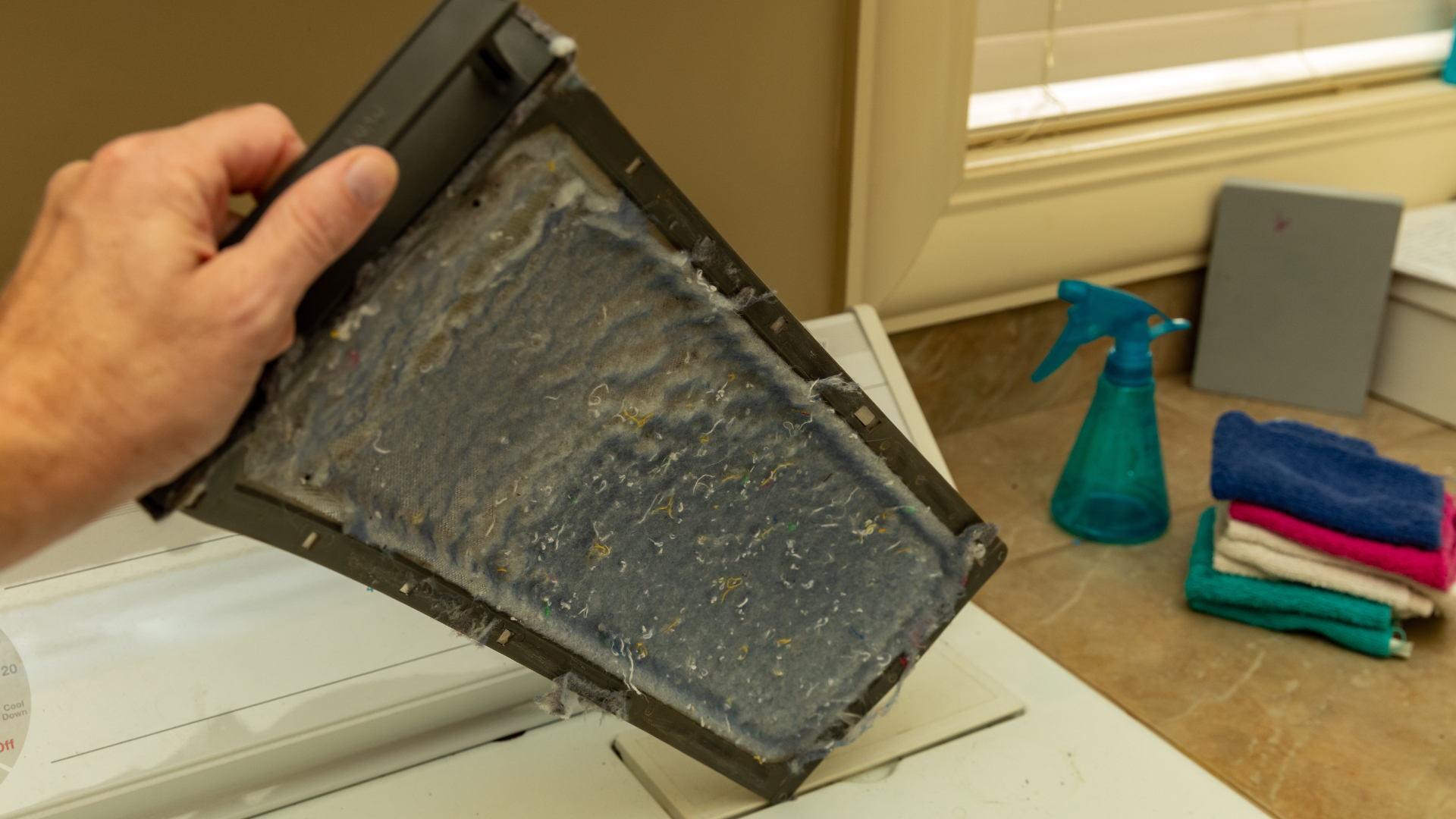
- Blocked vent or lint trap
- Overloaded dryer
Thermal fuses are single-use—once blown, they must be replaced.
Defective Drive Motor
The drive motor turns the drum and blower. If the motor is faulty, the dryer may click but won’t spin.
Symptoms of a bad drive motor:
- A humming or buzzing sound after the click
- Dryer drum does not turn at all
Drive motors are more expensive and harder to replace. Check other parts first.
Broken Belt Or Belt Switch
Many dryers have a belt switch that stops the motor if the drum belt breaks. If the belt is snapped or the switch is faulty, the dryer will refuse to start.
Inspect the belt for wear and listen for any loose or flapping sounds when you turn the drum by hand.
Control Board Problems
A faulty control board or timer can prevent the dryer from starting. This is less common, but possible, especially in electronic models.
Signs:
- Random lights or error codes
- Unusual beeping or unresponsive buttons
Control board issues often need a technician.
How To Troubleshoot A Dryer That Clicks But Won’t Start
Safety first: Unplug the dryer before any inspection or repair.
Step 1: Check Power Supply
Many dryer problems start with something simple. Make sure:
- The dryer is plugged in securely
- Circuit breaker is not tripped
- Outlet is working (test with another device)
Dryers use a lot of power, so even a small electrical issue can stop them.
Step 2: Inspect The Door Switch
Open and close the dryer door. Listen for a clicking sound. If you don’t hear a click, the switch may be bad. You can also:
- Look for a small plastic lever near the door frame
- Gently press it with your finger
- If it feels loose or doesn’t click, replace it
Step 3: Test The Start Switch
Remove the control panel (check your manual first). Use a multimeter to check the start switch for continuity. No continuity means it’s defective.
Step 4: Examine The Thermal Fuse
The thermal fuse is usually behind the back panel, close to the exhaust vent. Use a multimeter to test for continuity. If it’s blown, replace it and clean the vent before using the dryer again.
Step 5: Look At The Belt And Motor
Remove the top or front panel. Inspect the drum belt for breaks. Try spinning the drum by hand—if it moves too easily, the belt may be broken. If the belt is fine, listen for a humming noise when you try to start the dryer. This suggests a bad motor.
Step 6: Consider The Control Board
If all else fails, the problem may be electronic. This usually requires professional help, as control boards are complex and expensive.
Comparing Common Dryer Issues
Understanding how a “clicks but won’t start” problem compares to other dryer faults can help you narrow down the cause. Here’s a quick comparison:
| Symptom | Possible Cause | Typical Fix |
|---|---|---|
| Clicks, won’t start | Door switch, start switch, thermal fuse, belt, motor | Replace faulty part |
| No power at all | Outlet, breaker, main fuse | Check power supply |
| Runs, but no heat | Heating element, thermostat, thermal fuse | Replace heating element/thermostat |
| Stops mid-cycle | Thermal overload, control board, timer | Check venting, replace board/timer |
When To Diy And When To Call A Professional
Some dryer problems are easy to fix at home. Others are best left to experts. Here’s how to decide:
- DIY: Replacing door switches, start switches, or belts is safe if you unplug the dryer first. These parts are not expensive and are widely available.
- Professional help: If you suspect the motor or control board, or if you see sparks or smell burning, call a technician.
Many people make the mistake of replacing parts without proper testing. This can waste money and create new problems. Always test or visually inspect each part before replacing it.
Cost Comparison For Common Dryer Repairs
Understanding repair costs helps you decide if it’s worth fixing your dryer or buying a new one.
| Part/Repair | DIY Cost (Parts Only) | Professional Cost |
|---|---|---|
| Door switch | $10–$30 | $80–$150 |
| Start switch | $15–$40 | $90–$160 |
| Thermal fuse | $10–$20 | $80–$120 |
| Drive motor | $60–$200 | $200–$450 |
| Belt replacement | $15–$40 | $100–$175 |
| Control board | $100–$250 | $250–$500 |
If repair costs are more than 50% of a new dryer’s price, consider replacing the appliance.
Common Mistakes When Fixing A Dryer
Even careful people can make errors. Watch for these common mistakes:
- Skipping the power check: Always confirm the outlet and breaker work before opening the dryer.
- Ignoring the vent system: Blocked vents cause overheating and blown fuses.
- Replacing parts without testing: Guessing costs money. Use a multimeter or visual check.
- Forgetting to unplug: Even “off” dryers can shock you. Always unplug before repairs.
- Not cleaning lint: Lint buildup is the top reason dryers overheat or catch fire.
Preventing Future Dryer Problems
Prevention is easier than repair. Here’s how to keep your dryer running smoothly:
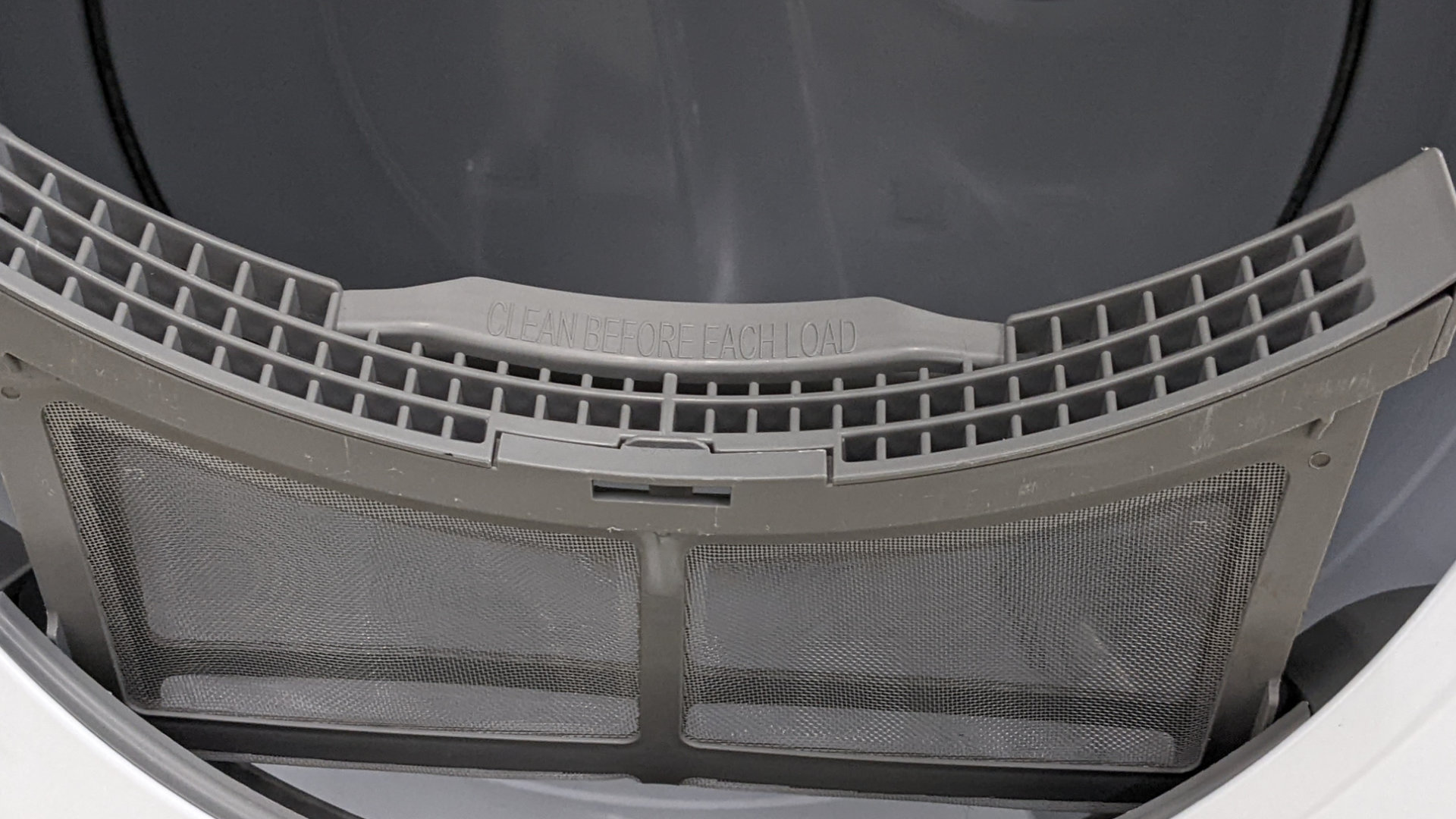
- Clean the lint filter after every load. This boosts airflow and prevents overheating.
- Check and clean the vent pipe every 6–12 months. Lint in the vent can block airflow and damage the dryer.
- Don’t overload the dryer. Too many clothes strain the motor and can blow the fuse.
- Listen for new sounds. Clicking, humming, or squealing may be early signs of trouble.
- Replace worn belts or switches quickly. Early action keeps small issues from becoming big ones.
A well-maintained dryer lasts longer and uses less energy. Many people are surprised how much smoother their dryer runs after a simple vent cleaning.

Real-world Example
A family in Chicago noticed their four-year-old dryer clicked but wouldn’t start. First, they checked the outlet and breaker—both were fine. Next, they noticed the drum light stayed on after closing the door. They replaced the door switch for $15. The dryer started working again.
In another case, a college student ignored lint buildup for months. The thermal fuse blew, and the dryer stopped starting. After replacing the fuse and cleaning the vent, the problem was solved.
These examples show that small, overlooked details often cause big problems.
What To Do If Your Dryer Still Won’t Start
If you’ve checked all the easy fixes and your dryer still won’t start, try these steps:
- Double-check your work: Did you reconnect all wires? Did you use the right replacement part?
- Read the user manual: Some dryers have special reset steps.
- Look for error codes: Newer dryers display codes to help diagnose problems.
- Call a professional: If the motor or control board needs replacement, expert help is safest.
For more technical details on dryer repairs, you can visit the Family Handyman guide.
Frequently Asked Questions
Why Does My Dryer Just Click And Not Start?
The most common reasons are a faulty door switch, blown thermal fuse, or bad start switch. Each prevents the motor from getting power, even if you hear a click.
How Do I Know If My Dryer’s Thermal Fuse Is Blown?
Test the fuse with a multimeter for continuity. If it fails the test, it’s blown and must be replaced. The dryer will not start with a blown fuse.
Is It Safe To Fix A Dryer Myself?
Many repairs, like replacing switches or belts, are safe if you unplug the dryer first. For electrical or motor problems, call a professional to avoid injury.
How Much Does It Cost To Fix A Dryer That Won’t Start?
Simple parts (like switches or fuses) cost $10–$40 to fix yourself. Professional repairs can range from $80 to $500, depending on the part.
Can Lint Cause My Dryer Not To Start?
Yes, lint can block vents, cause overheating, and blow the thermal fuse. Always clean the lint trap and vent to prevent this problem.
When your dryer clicks but won’t start, don’t panic. With careful troubleshooting and attention to small details, you can often solve the problem yourself. Regular maintenance will keep your dryer working for years, saving you money and hassle.