
A dryer is one of those appliances that quietly does its job—until it doesn’t. When your dryer makes noise when tumbling, it can be annoying, worrying, and sometimes even alarming. Many people ignore strange sounds, hoping they’ll go away, but noisy dryers often signal a problem you shouldn’t overlook. If you’re hearing thumping, squealing, grinding, or rattling during the drying cycle, you’re not alone. These noises can range from mild to loud, and they usually point to an issue that needs fixing.
This article will help you understand what causes these noises, how to diagnose them, and what you can do about it. Whether you’re a homeowner, renter, or someone who works with appliances, you’ll find practical advice, clear explanations, and actionable steps.
We’ll cover common causes, warning signs, repair options, maintenance tips, and even when it’s time to call a professional. You’ll also see comparison tables and answers to frequently asked questions. Let’s dive in and solve your noisy dryer problems for good.
Why Is Your Dryer Making Noise When Tumbling?
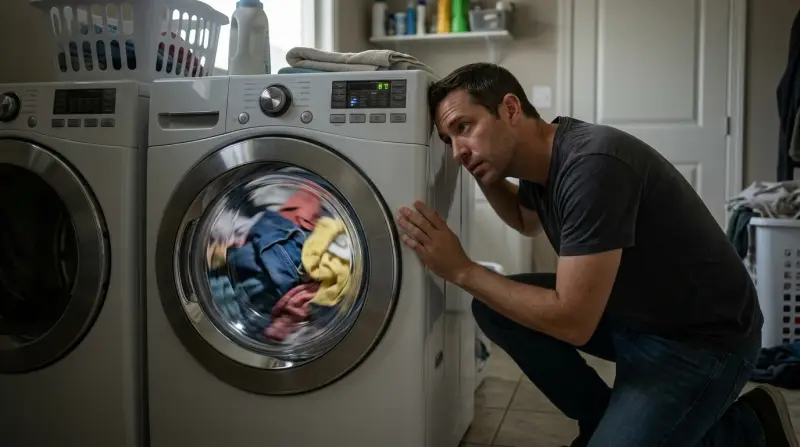
Dryers are designed to operate quietly. When you hear unusual noises, something inside is likely loose, worn, or broken. Identifying the exact cause helps prevent bigger issues and costly repairs. Here are the most common reasons your dryer might be noisy during tumbling:
Worn Drum Rollers
Most dryers use drum rollers to support the drum as it spins. Over time, these rollers can wear out, causing a rumbling or thumping sound. If the rollers are damaged, the drum may not rotate smoothly.
Damaged Drum Bearings
Drum bearings help the drum turn easily. When bearings fail, you may hear a grinding or squealing noise. Bearings often wear out after years of use.
Loose Or Broken Belt
The dryer belt wraps around the drum and motor. If it’s loose, cracked, or broken, you might hear slapping or thumping sounds. A broken belt usually stops the drum from spinning altogether.
Blower Wheel Issues
The blower wheel moves air through the dryer. If it’s loose, clogged, or damaged, it can produce a humming, rattling, or vibration noise.
Idler Pulley Problems
The idler pulley keeps the belt tight. If it wears out, it may squeal or squeak. Sometimes, the pulley can become misaligned, leading to repeated noises.
Foreign Objects In The Drum
Coins, buttons, or other small items left in pockets can tumble inside the drum, creating clicking, banging, or rattling sounds.
Loose Screws Or Mounts
If screws or mounting brackets inside your dryer become loose, you may hear vibrations or banging as the drum rotates.
Faulty Motor
A failing dryer motor can produce loud hums, squeals, or even a burning smell. Motors rarely fail, but when they do, you need to replace them.
Types Of Dryer Noises
Different noises point to different problems. Here’s a quick guide to help you identify what each sound could mean:
- Thumping: Drum rollers or belt issues
- Squealing/Squeaking: Drum bearings or idler pulley
- Grinding: Drum bearings or motor
- Rattling: Loose screws, blower wheel, or foreign objects
- Humming: Motor or blower wheel
- Banging: Large foreign objects or drum imbalance
Diagnosing Dryer Noises: Step-by-step
Before you can fix the problem, you need to find out what’s causing the noise. Here’s how to do it safely and effectively:
- Unplug The Dryer: Always unplug your dryer before inspecting it. Safety first.
- Empty The Drum: Remove all clothes and items from the drum. Loose objects make diagnosis harder.
- Spin The Drum By Hand: Open the dryer door and spin the drum manually. Listen for noise. If you hear squeaks or thumps, the problem is likely inside the drum.
- Check For Foreign Objects: Look for coins, buttons, or other items stuck inside. Remove them.
- Inspect Drum Rollers And Bearings: Remove the dryer’s front or rear panel (follow your model’s instructions). Check rollers and bearings for wear or damage.
- Examine The Belt And Pulley: Look for cracks, fraying, or looseness. The belt should be tight and smooth.
- Inspect The Blower Wheel: Open the blower housing and check for debris, damage, or looseness.
- Look For Loose Screws And Mounts: Tighten any loose screws or brackets.
- Test The Motor: If you hear a loud hum or burning smell, the motor may be failing. Motors require professional replacement.
Example: Diagnosing A Squealing Noise
Imagine you hear a high-pitched squeal every time the dryer runs. You unplug the dryer, empty the drum, and spin it by hand. The squeal persists. After removing the panel, you see the idler pulley is worn and misaligned. This is a common cause of squealing.
Repair Options For Noisy Dryers
Once you diagnose the problem, you have several repair choices. Some fixes are simple and safe for DIY, while others need professional help.
Diy Repairs
- Replace Drum Rollers: Remove the panels, take out the old rollers, and install new ones. Drum rollers are inexpensive and widely available.
- Change Drum Bearings: Drum bearings are more complicated but doable for handy people. Follow the manual closely.
- Replace The Belt: Remove the drum, slide off the old belt, and loop on a new one. Make sure the belt is aligned.
- Clean Or Replace Blower Wheel: Remove debris or replace the wheel if it’s damaged.
- Fix Or Replace Idler Pulley: Remove the pulley, check for wear, and replace if needed.
- Remove Foreign Objects: Check inside the drum and blower housing for coins, buttons, or other items.
- Tighten Screws And Mounts: Use a screwdriver to secure loose screws or brackets.
Professional Repairs
Some repairs need a trained technician:
- Motor Replacement
Dryer motors are complex and expensive. If your motor is faulty, call a pro.
- Electrical Issues
If you suspect electrical faults, don’t try to fix them yourself.
- Complex Drum Repairs
If your drum is cracked or severely damaged, professional repair is best.
Cost Comparison
Let’s look at typical costs for common dryer noise repairs.
| Repair Type | DIY Cost (USD) | Professional Cost (USD) | Difficulty |
|---|---|---|---|
| Drum Rollers | $15–$40 | $80–$150 | Medium |
| Drum Bearings | $20–$60 | $100–$200 | Hard |
| Belt Replacement | $10–$30 | $70–$120 | Medium |
| Blower Wheel | $15–$35 | $90–$140 | Medium |
| Idler Pulley | $10–$25 | $60–$110 | Easy |
| Motor Replacement | N/A | $180–$350 | Expert |
Many people attempt easy repairs like tightening screws or replacing belts. For harder jobs, such as bearings or motors, hiring a technician is safer.
Real-life Example
A customer noticed a loud thumping noise during each cycle. After inspecting, he found the drum rollers were flat on one side. He replaced the rollers himself for $25, and the dryer became quiet again. This is a common fix for older dryers.
Preventing Dryer Noise: Maintenance And Tips
Keeping your dryer quiet starts with regular care. Here’s how to prevent noise problems:
- Clean The Lint Filter: A blocked lint filter causes extra strain, making the dryer louder. Clean it after every load.
- Inspect Drum And Belt Yearly: Check for wear and tear once a year. Early detection saves money.
- Remove Foreign Objects Before Drying: Empty pockets before loading clothes.
- Lubricate Moving Parts: Some dryers need lubrication on rollers or pulleys. Check your manual.
- Tighten Screws Regularly: Vibration can loosen screws over time. Tighten them every few months.
- Balance The Dryer: A dryer that isn’t level will vibrate and make noise. Use a spirit level and adjust the feet.
- Keep The Area Clean: Dust and debris can build up around the dryer. Clean the space regularly.
- Replace Worn Parts Early: If you notice minor noises, fix them before they get worse.
Maintenance Schedule
Here’s a sample schedule for keeping your dryer in good shape.
| Task | Frequency | Estimated Time |
|---|---|---|
| Clean lint filter | Every load | 1 minute |
| Inspect drum & belt | Yearly | 15 minutes |
| Lubricate rollers/pulleys | Yearly | 10 minutes |
| Tighten screws | Every 6 months | 10 minutes |
| Level dryer | As needed | 5 minutes |
| Clean area | Monthly | 10 minutes |
Following this schedule can help your dryer run quietly for years.
When To Replace Your Dryer
Sometimes fixing a noisy dryer isn’t worth it. If your dryer is old or needs expensive repairs, replacement may be smarter. Here’s how to decide:
- Age Of Dryer: Most dryers last 10–13 years. If yours is older, consider replacing.
- Cost Of Repairs Vs. Replacement: If repairs cost more than half the price of a new dryer, it’s time to upgrade.
- Frequent Breakdowns: If your dryer keeps breaking, it’s less reliable.
- Energy Efficiency: Newer dryers use less electricity. Upgrading can save money long-term.
- Safety Concerns: If you notice burning smells or electrical problems, replace your dryer.
Comparing Old Vs. New Dryers
Here’s a quick comparison of old and new dryers.
| Feature | Old Dryer (10+ years) | New Dryer |
|---|---|---|
| Noise Level | Often loud | Quiet |
| Energy Use | High | Low |
| Repair Frequency | Frequent | Rare |
| Safety Features | Basic | Advanced |
| Cost to Operate | $100/year | $65/year |
If your dryer is noisy and old, upgrading brings both peace and savings.
Non-obvious Insights About Dryer Noise
Beginners often overlook these two points:
- Dryer Noise Can Signal Safety Risks: Unusual noises can sometimes mean a serious issue, like a failing motor or electrical problem. If you smell burning or see smoke, turn off the dryer immediately and call a professional.
- Ignoring Small Noises Can Lead To Bigger Repairs: Many people wait until the noise gets loud. By then, minor fixes often turn into expensive repairs. Fixing small problems early saves both money and hassle.
Choosing A Professional Repair Service
If you decide to hire a technician, choose carefully. Here’s what matters most:
- Experience: Look for technicians with at least five years’ experience.
- Certifications: Check for certifications from organizations like National Appliance Service Technician Certification (NASTC).
- Reviews And Ratings: Read online reviews on sites like Yelp or Google.
- Guarantees: Choose companies that guarantee their work.
- Transparent Pricing: Ask for upfront pricing before repairs.
Comparing Professional Services
Not all repair services are equal. Here’s a quick comparison:
| Service Feature | Good Provider | Poor Provider |
|---|---|---|
| Experience | 5+ years | 1–2 years |
| Certifications | Certified | None |
| Reviews | 4–5 stars | 2–3 stars |
| Guarantee | Yes | No |
| Pricing | Transparent | Hidden |
Choosing the right technician helps you fix the noise quickly and safely.
Energy Efficiency And Dryer Noise
Did you know noisy dryers often use more energy? Here’s why:
- Worn Parts Increase Friction
When rollers, bearings, or belts are damaged, the motor works harder, using more electricity.
- Blocked Airflow Makes Dryer Loud and Inefficient
A clogged blower wheel or vent leads to noise and longer drying times.
- Newer Dryers Are Quieter and More Efficient
Modern dryers are designed for low noise and low energy use.
Practical Example
If your dryer is making a grinding noise, it could be a worn bearing. The motor uses extra power to overcome friction, increasing your electric bill.

Common Mistakes When Fixing Dryer Noise
Many people make errors when trying to repair their dryers. Avoid these common mistakes:
- Ignoring The Problem: Noise often gets worse over time. Don’t wait.
- Using The Wrong Parts: Always use manufacturer-approved parts for repairs.
- Forgetting To Unplug: Never work on the dryer while it’s plugged in.
- Not Following Instructions: Each dryer model is different. Follow the manual closely.
- Skipping Professional Help: If you’re unsure, call a technician. DIY repairs can sometimes make things worse.
Benefits Of A Quiet Dryer
A silent dryer isn’t just about comfort. Here are some real benefits:
- Peaceful Home
No more annoying noises during laundry.
- Better Sleep
If your laundry room is near bedrooms, a quiet dryer won’t disturb sleep.
- Longer Appliance Life
Fixing problems early helps your dryer last longer.
- Lower Energy Bills
Efficient dryers use less power.
- Improved Safety
Quiet operation means no hidden faults.

Real-world Statistics About Dryer Noise
- According to the U.S. Consumer Product Safety Commission, over 15,000 dryer fires occur annually, many linked to mechanical failures and noise issues.
- Most dryer repairs cost between $100 and $250.
- Dryers older than ten years are twice as likely to make noise and break down.
For more information on dryer safety and maintenance, see the U.S. Department of Energy.
Frequently Asked Questions
Why Does My Dryer Make A Loud Thumping Sound When Tumbling?
A thumping noise usually means the drum rollers are worn out or flat. It can also happen if the drum is not balanced or if there’s a foreign object inside. Inspect the rollers and drum for damage.
Is It Safe To Use A Noisy Dryer?
It depends on the cause. If the noise is mild and you know it’s from a small object, it’s safe. If the noise is loud or there’s a burning smell, stop using the dryer and have it inspected. Noisy dryers can sometimes indicate safety risks.
How Much Does It Cost To Fix A Noisy Dryer?
Most repairs cost between $60 and $200. Simple fixes like replacing rollers or belts are cheaper. Motor replacements are more expensive, often $180–$350. DIY repairs are less costly if you’re confident.
Can I Fix Dryer Noise Myself?
Yes, many noise problems are easy to fix if you follow instructions and safety guidelines. You can replace rollers, belts, and pulleys yourself. For electrical or motor issues, it’s best to call a professional.
How Can I Prevent My Dryer From Making Noise In The Future?
Keep your dryer clean, inspect moving parts yearly, and replace worn components early. Make sure the dryer is level, and always remove foreign objects before drying. Regular maintenance prevents most noise problems.
Noisy dryers can be frustrating, but understanding the cause helps you fix the issue quickly. With proper care, your dryer will run quietly and efficiently for years. By following the steps above, you can save money, improve safety, and enjoy a peaceful laundry experience.