
Choosing the right stair nose is important for both safety and style when finishing a staircase. Two popular types are flush stair nose and overlap stair nose. Many people are confused about which one to pick for their flooring project. The choice affects not only how the stairs look, but also how they perform over time. Let’s break down the differences, uses, and key considerations to help you make a confident decision.
What Is Stair Nose And Why Does It Matter?
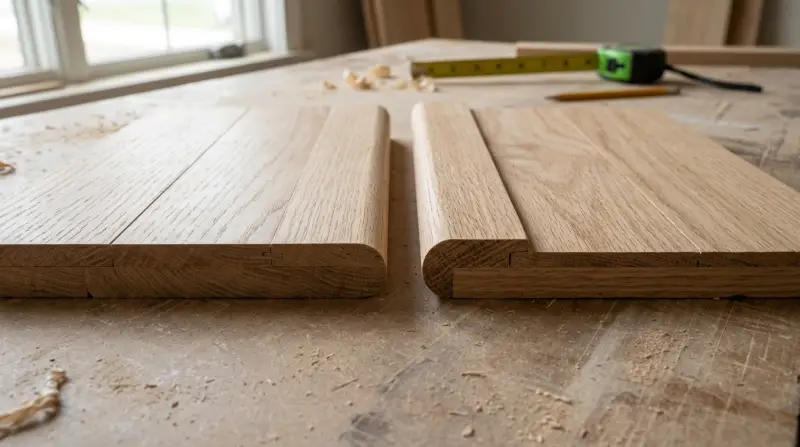
A stair nose is the edge piece where each stair tread meets the riser. It creates a smooth transition between the horizontal (tread) and vertical (riser) parts of the step. Stair noses protect the edge of the stair, provide better grip, and finish the look.
Without a proper stair nose, the edge of flooring can chip, peel, or create a tripping hazard. A well-chosen stair nose makes stairs safer and extends the life of your flooring. It also helps stairs blend nicely with the rest of the floor, creating a seamless appearance.
Flush Stair Nose: Features And Benefits
A flush stair nose sits level with the surface of the flooring. The edge of the stair nose and the floor are at the same height, making a flat, even step.
Key Features
- Smooth transition: No raised edge; the stair nose and flooring form one flat surface.
- Best for glue-down or nailed floors: Works well with hardwood, engineered wood, or laminate installed tightly against the stair nose.
- Modern look: Offers a clean, continuous appearance—ideal for contemporary designs.
Main Benefits
- Safety: With no raised lip, there is less chance of tripping.
- Aesthetics: Many people prefer the flush look, especially with hardwood stairs.
- Durability: Because the nose sits flush, it reduces the risk of cracking or breaking from foot traffic.
Where It Works Best
- Hardwood stairs (solid or engineered)
- Laminate stairs (when glued down)
- Floating floors (if allowed by manufacturer and installation is secure)
Practical Example
If you are installing engineered hardwood stairs in a modern home, a flush stair nose provides a neat, seamless finish. It’s popular in upscale homes and commercial spaces where a continuous look is desired.

Overlap Stair Nose: Features And Benefits
An overlap stair nose has a small lip that sits over the edge of the flooring plank. The nose slightly overlaps the edge of the stair tread, creating a visible step down.
Key Features
- Visible lip: A small edge (usually 1/4″ to 1/2″) covers the floor edge.
- Best for floating floors: Works well with laminate, vinyl plank, or engineered wood that is not glued or nailed down.
- Allows floor movement: The overlap design lets floating floors expand and contract without gaps or buckling.
Main Benefits
- Accommodates expansion: Floating floors need space to move; the overlap design covers this gap.
- Easier installation: More forgiving for DIY installers, as it hides minor cutting mistakes.
- Versatility: Can be used with various floor thicknesses.
Where It Works Best
- Floating laminate or vinyl floors
- Stairs with expansion needs
- Remodel projects where matching old and new floors is tricky
Practical Example
If you are adding luxury vinyl plank on stairs that match a floating floor, an overlap stair nose is often the safest choice. It lets the floor move naturally and hides the expansion gap.
Flush Vs Overlap Stair Nose: Direct Comparison
Understanding the differences is easier with a side-by-side view. Here’s a simple comparison:
| Feature | Flush Stair Nose | Overlap Stair Nose |
|---|---|---|
| Level with Floor | Yes | No (slight step down) |
| Best For | Glued/Nailed Floors | Floating Floors |
| Look | Modern, seamless | Visible lip, defined edge |
| Installation | Requires precise cuts | More forgiving |
| Expansion Space | No (tight fit) | Yes (covers gap) |
| Tripping Hazard | Lower | Higher (minor) |

Installation Process: Flush Vs Overlap
Both types have their own installation steps and challenges. Knowing what to expect helps you plan better.
Flush Stair Nose Installation
- Subfloor must be clean and level
- Flooring is cut to fit tightly against the stair nose
- Stair nose is glued or nailed down
- Precise measurement is crucial
Common mistake: Not leaving enough room for the stair nose, causing gaps or uneven steps.
Overlap Stair Nose Installation
- Flooring is cut short, leaving an expansion gap
- Overlap stair nose is placed over the edge and glued down
- The lip covers the expansion gap
Common mistake: Not aligning the nose properly, leading to a visible offset or loose fit.
Pros And Cons: What Should You Know?
To decide between flush and overlap stair nose, it helps to weigh the main pros and cons.
| Type | Pros | Cons |
|---|---|---|
| Flush | – Seamless look – Safer (less tripping) – Strong edge | – Harder to install – Not for floating floors – Can show gaps if not cut perfectly |
| Overlap | – Covers expansion gap – Easier for DIY – Works with floating floors | – Slight tripping hazard – Lip can collect dust – Not as modern-looking |
When To Use Flush Vs Overlap: Key Scenarios
Sometimes the choice is clear based on your flooring type and the way you install it.
Choose Flush Stair Nose When:
- Installing glued down or nailed hardwood
- You want a flat, smooth stair profile
- Matching stairs to a modern hardwood floor
Choose Overlap Stair Nose When:
- Flooring is floating (not attached to subfloor)
- You need to allow for expansion and contraction
- You want a simple DIY install
Non-obvious insight: Some manufacturers make stair noses that look like flush, but have a very slight overlap for floating floors. Always check your flooring brand’s recommendations before buying.
Cost And Availability
Pricing can vary based on material, finish, and brand.
- Flush stair noses are usually a bit more expensive, especially in hardwood, because they require precise manufacturing.
- Overlap stair noses are often cheaper, especially in laminate or vinyl.
The price difference is usually $5–$15 per linear foot, depending on the material and finish. Availability is good for both types at major flooring stores.
Don’t try to use a flush stair nose on a floating floor unless the manufacturer clearly allows it. This is a common mistake that can void warranties.
Real-world Performance: Durability And Safety
Both types are designed to protect the edge of your stairs, but performance can differ:
- Flush stair noses tend to stay in place better since they are glued or nailed down tightly.
- Overlap stair noses can sometimes become loose if not installed carefully, especially on high-traffic stairs.
Stat: Most flooring failures on stairs come from poor stair nose installation, not the type of nose chosen. Proper prep and fitting matter more than the style in the long run.
Design And Aesthetic Considerations
Your choice affects how your stairs look and feel.
- Flush stair noses blend into the floor, making stairs look like an extension of the main floor.
- Overlap stair noses create a visible border, which can be good for traditional or rustic designs.
Example: In a modern condo with wide-plank engineered oak, a flush stair nose creates a high-end, designer feel. In a family home with busy kids, an overlap stair nose on a floating laminate floor is practical and safe.
Maintenance And Cleaning
- Flush stair noses are easier to sweep and mop because there is no lip to catch dirt.
- Overlap stair noses can collect dust and crumbs along the lip, needing extra attention.
For both types, use a damp mop and avoid soaking the area. Check for loose pieces every few months—especially with overlap types.
Common Myths And Mistakes
Myth 1: Overlap Stair Noses Always Look Cheap
Not true. High-quality overlap pieces can look great, especially when matched well with the floor color and finish.
Myth 2: Flush Stair Noses Are Always Safer
While flush noses are less likely to trip someone, a poorly installed flush nose can actually be more dangerous than a well-installed overlap.
Mistake: Ignoring Manufacturer Instructions
Using the wrong stair nose for your flooring type can cause cracks, buckling, or warranty issues. Always follow the floor brand’s advice.
Data Snapshot: Stair Nose Types Popularity
A recent survey by the National Wood Flooring Association found:
- 60% of hardwood stair installations use flush stair nose
- 80% of floating laminate/vinyl stair installations use overlap stair nose
This shows that most pros match the stair nose type to the flooring installation method.
Final Tips For Choosing
- Know your floor type: Floating or glued/nail-down?
- Match your design style: Modern or classic?
- Follow manufacturer guidelines: For safety and warranty.
- Plan your cuts: Especially with flush noses, precision counts.
- Test fit before gluing: Dry-fit pieces to ensure a perfect look.
Frequently Asked Questions
What Is The Main Difference Between Flush And Overlap Stair Nose?
The main difference is that a flush stair nose sits level with the flooring, creating a smooth, even step, while an overlap stair nose has a lip that covers the edge of the floor, allowing for floor movement and expansion.
Can I Use A Flush Stair Nose On A Floating Floor?
Usually, no. Most floating floors require an overlap stair nose to allow for expansion and contraction. Always check the manufacturer’s instructions before deciding.
Which Type Is Better For Diy Installation?
An overlap stair nose is usually easier for DIY projects. It’s more forgiving if your cuts are not perfect, and it hides small gaps.
Do Both Types Come In All Flooring Materials?
Most flooring brands offer both types in common materials like hardwood, laminate, and vinyl. However, you may find fewer flush options for floating floors.
Where Can I Find More Detailed Installation Guides?
For step-by-step guides and visuals, visit the National Wood Flooring Association website. They offer trusted, up-to-date information on stair nose installation.
Choosing between flush and overlap stair nose might seem like a small detail, but it has a big impact on your floor’s look and function. By understanding the key differences and matching the right nose to your flooring type, you’ll achieve a beautiful and long-lasting staircase.
Always take the time to plan, measure, and follow product instructions—your safety and satisfaction depend on it.