
Freightliner trucks are trusted on highways across America, known for their strength and reliability. But even the best trucks face challenges—especially when it comes to automatic transmission problems. For drivers and fleet owners, transmission issues can mean lost time, unexpected costs, and safety risks. If you own or operate a Freightliner with an automatic transmission, understanding these problems is crucial. This guide explores common issues, what causes them, how to spot trouble early, and ways to fix or prevent transmission failures. Whether you’re a beginner or have years behind the wheel, you’ll find practical advice and real-world examples to help you keep your Freightliner running smoothly.
Common Freightliner Automatic Transmission Problems
Automatic transmissions make driving easier, but they can be complex and sensitive. Freightliner trucks, especially popular models like the Cascadia and M2, sometimes face the same transmission troubles as other brands. Here are the most frequent problems:
- Slipping gears: The transmission shifts unexpectedly, or fails to stay in gear. This can reduce power and make driving unsafe.
- Delayed shifting: The truck takes too long to change gears, especially when accelerating or decelerating.
- Failure to engage: The transmission does not move into drive or reverse, leaving the truck stuck.
- Erratic shifting: Gears change at the wrong time, or the transmission jumps between gears.
- Transmission overheating: Excess heat can damage internal parts and cause the system to shut down or fail.
- Fluid leaks: Transmission fluid leaks lead to low levels, which cause damage and poor performance.
- Warning lights: Dashboard lights like “Check Transmission” or “Service Transmission” may signal deeper issues.
These problems can appear suddenly or develop over time. Some are easy to spot, while others may only show up under heavy loads or in extreme weather.
Causes Of Automatic Transmission Issues
Understanding the causes helps prevent breakdowns and costly repairs. Freightliner automatic transmissions fail for several reasons:
- Low Or Contaminated Fluid: Transmission fluid cools and lubricates moving parts. If levels drop or the fluid gets dirty, friction increases, leading to overheating and gear problems. Many drivers overlook fluid checks, but this simple task can prevent most failures.
- Faulty Sensors And Electronics: Modern Freightliner trucks use sensors and computers to control shifting. If a sensor fails or wiring gets damaged, the transmission may shift incorrectly or refuse to engage. Common sensor issues include speed sensors, temperature sensors, and the transmission control module (TCM).
- Wear And Tear: Heavy loads, stop-and-go driving, and long distances put stress on transmission parts. Clutch packs, gears, and solenoids wear out after thousands of miles. Delaying maintenance speeds up this process.
- Improper Maintenance: Skipping regular service leads to dirt buildup, worn parts, and missed warning signs. Even new trucks need routine checks especially for fluid quality, filter changes, and software updates.
- Driving Habits: Aggressive driving, towing heavy loads, or driving in extreme conditions can overwork the transmission. Many beginners don’t realize that smooth driving and careful gear changes protect the system.
Signs Your Freightliner Transmission Is Failing
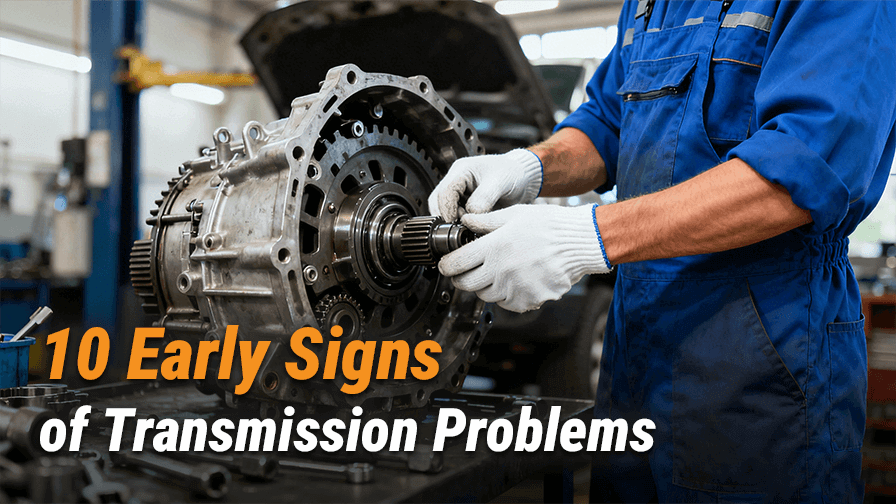
Catching problems early saves money and prevents breakdowns on the road. Watch for these warning signs:
- Grinding or shaking during gear changes
- Burning smell from overheating fluid
- Unusual noises like whining or clunking
- Difficulty accelerating or loss of power
- Dashboard warning lights
- Visible fluid leaks under the truck
If you notice any of these, act quickly. Ignoring symptoms can turn a minor issue into a major repair.
Diagnosing Freightliner Transmission Problems
Professional mechanics use advanced tools, but you can check for basic issues yourself. Here’s how:
Step 1: Check Fluid Levels
Use the dipstick to inspect transmission fluid. It should be clear or reddish and at the right level. If it’s dark, smells burnt, or is low, there’s a problem.
Step 2: Scan For Error Codes
Most Freightliner trucks have an onboard diagnostic (OBD) port. Plug in a scanner to read fault codes. Codes like P0700 or P0730 often point to transmission trouble.
Step 3: Inspect For Leaks
Look under the truck for wet spots or puddles. Transmission fluid leaks are usually red or brown.
Step 4: Test Driving
Drive the truck and pay attention to how it shifts. Delays, slipping, or rough transitions suggest internal damage.
Step 5: Check Electrical Connections
Loose or corroded wires can cause electronic issues. Inspect connections to sensors and the control module.
Step 6: Compare Data
Below is a comparison showing the difference between normal and problematic transmission signs:
| Normal Transmission | Problematic Transmission |
|---|---|
| Smooth gear changes | Rough or delayed shifts |
| No unusual noises | Whining or clunking sounds |
| Fluid clear, no smell | Dark fluid, burnt odor |
| Stable acceleration | Loss of power or slipping |
Solutions: Repair And Prevention
Fixing transmission problems depends on the cause. Here are practical solutions:
- Fluid Replacement: If fluid is low or dirty, change it immediately. Use the type recommended by Freightliner. Regular fluid changes every 30,000 to 50,000 miles prevent most failures.
- Sensor And Module Repair: Replace faulty sensors or update the transmission control module software. If you’re unsure, a mechanic can diagnose electronic issues quickly.
- Mechanical Repairs: For worn parts like clutch packs or gears, professional repair is required. Costs vary based on the model and damage. Minor repairs might be under $1,000, but a full rebuild can cost $3,000–$6,000.
- Preventive Maintenance: Follow Freightliner’s service schedule. Simple habits checking fluid, inspecting for leaks, and updating software extend transmission life.
- Driving Adjustments: Avoid sudden stops, heavy towing, or harsh acceleration. Smooth driving reduces stress on the transmission.
- Fleet Management Practices: For fleets, track maintenance records and train drivers. Using telematics systems can alert managers to early warning signs.
Cost Comparison
Here’s a table comparing average costs for common transmission repairs:
| Repair Type | Average Cost (USD) | Time Required |
|---|---|---|
| Fluid Change | $150–$300 | 1–2 hours |
| Sensor Replacement | $250–$600 | 2–3 hours |
| Minor Mechanical Repair | $800–$1,500 | 1–2 days |
| Full Transmission Rebuild | $3,000–$6,000 | 3–7 days |
Real-world Examples
Understanding real experiences can help you avoid common mistakes. Here are two cases:
Example 1: A fleet owner in Texas noticed his Freightliner trucks were slipping gears during long hauls. After checking fluid levels, he found contamination—water had entered the transmission during heavy rain. Replacing the fluid and sealing the system fixed the issue, saving thousands in repair costs.
Example 2: A solo driver reported delayed shifting and a burning smell. The problem was a failed speed sensor, which caused overheating. Early diagnosis with an OBD scanner prevented a full transmission failure.
These examples show that quick action and regular checks can make a big difference.
How To Prevent Transmission Problems
Prevention is always cheaper than repair. Use these strategies:
- Check fluid monthly, especially before long trips
- Keep records of all maintenance
- Train drivers on smooth shifting and avoiding overloading
- Use only recommended fluids and parts
- Update software regularly
- Inspect sensors and wiring during routine service
- Address dashboard warnings immediately
Many beginners miss the importance of software updates. Freightliner often releases updates for the transmission control module. These updates can fix shifting issues and improve reliability. Ask your dealer or mechanic about the latest versions.
Choosing The Right Transmission Repair Shop
Not all mechanics are equal. When your Freightliner needs transmission work, choose a shop with:
- Certified technicians experienced with Freightliner trucks
- Access to genuine parts and fluids
- Advanced diagnostic tools
- Clear warranties on repairs
Ask for a written estimate and compare prices. Avoid shops that skip diagnostics or use generic parts these can cause repeat failures.
Freightliner Transmission Models: Reliability Comparison
Freightliner uses several automatic transmission models, each with strengths and weaknesses. Here’s a quick comparison:
| Transmission Model | Common Issues | Reliability (1–5 stars) |
|---|---|---|
| Allison 3000 | Sensor failures, fluid leaks | ★★★★ |
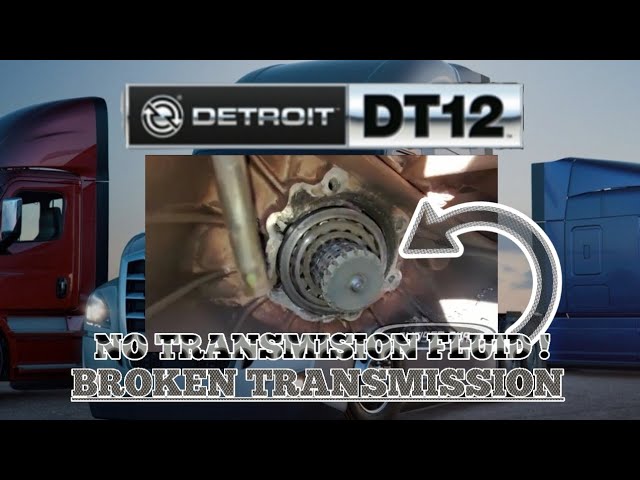
| Detroit DT12 | Software glitches, delayed shifting | ★★★½ |
| Eaton Fuller UltraShift | Clutch wear, erratic shifting | ★★★ |
This comparison helps you understand which models may need more attention and maintenance.
When To Replace Vs. Repair
Sometimes, repairing a transmission is not enough. If your Freightliner:
- Needs frequent repairs
- Has more than 500,000 miles
- Shows signs of multiple internal failures
It may be smarter to replace the transmission. New units offer better performance and warranty coverage. Discuss options with your mechanic and compare costs.

Expert Tips For Beginners
Many new drivers and owners overlook two important details:
- Transmission fluid type: Using the wrong fluid can cause major damage. Always check your owner’s manual.
- Software updates: Regular updates can fix shifting and reliability problems, especially on newer models.
These small steps prevent big headaches down the road.
Where To Find Reliable Information
Always use trusted sources for maintenance advice. The official Freightliner website and truck forums offer detailed guides. For technical details, visit Freightliner Official Site.
Frequently Asked Questions
What Causes Slipping Gears In Freightliner Automatic Transmissions?
Slipping gears are often caused by low or dirty fluid, worn clutch packs, or faulty sensors. Aggressive driving and heavy loads can also stress the transmission.
How Often Should I Change Transmission Fluid?
Freightliner recommends changing transmission fluid every 30,000 to 50,000 miles. Check fluid monthly, especially if you drive in harsh conditions.
Can I Drive With A Transmission Warning Light On?
It’s risky to drive with a transmission warning light. This signal means there is a problem that could lead to breakdown or expensive repairs. Get the truck checked as soon as possible.
Are Software Updates Important For Freightliner Transmissions?
Yes. Software updates can fix shifting issues and improve reliability. Always ask your dealer or mechanic about the latest updates for your transmission model.
What Is The Average Cost For Repairing Freightliner Automatic Transmission?
Repair costs vary. Fluid changes cost $150–$300, sensor replacements $250–$600, minor repairs $800–$1,500, and full rebuilds $3,000–$6,000. Get a written estimate before starting repairs.
Keeping your Freightliner’s automatic transmission in top shape takes attention and regular care. By understanding common problems, their causes, and how to prevent or fix them, you protect your truck and your business. Use this guide to stay ahead of trouble, and drive with confidence.