
A microwave oven is a vital part of many kitchens. It heats food quickly and saves time. But what if your Frigidaire microwave keeps tripping the breaker? This is more than just a small annoyance—it can interrupt your cooking, damage your microwave, or even hint at electrical dangers. Understanding why this happens and how to fix it is important for safety and convenience. In this article, you’ll learn the reasons behind this problem, how to troubleshoot it, and what steps to take to prevent it in the future.
Why Does A Frigidaire Microwave Trip The Breaker?
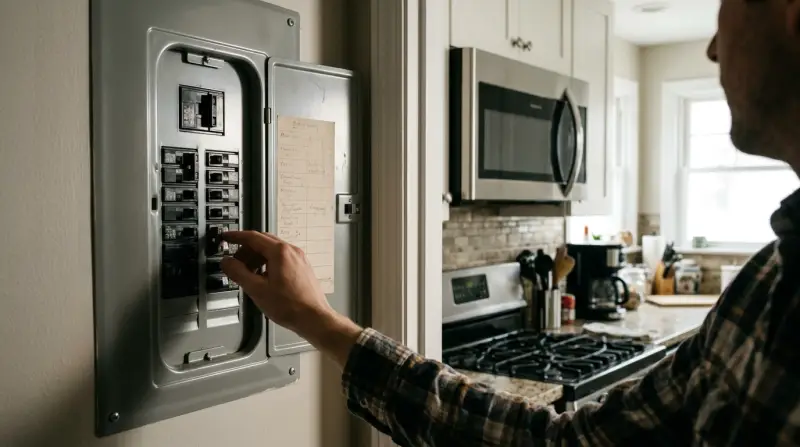
When a breaker trips, it means too much electricity is flowing or there’s a dangerous problem. For microwaves, the most common reasons include electrical overload, short circuits, or faulty components inside the unit. Let’s break down each cause:
Electrical Overload
Microwaves use a lot of power, usually between 800 and 1500 watts. If your kitchen circuit also powers other devices—like toasters, blenders, or lights—the total demand can become too high. Most home circuits are 15 or 20 amps. If your microwave and other devices together use more than this, the breaker will trip to protect the wiring.
Short Circuit
A short circuit happens when electricity takes an unintended path, often because wires touch or insulation fails. This can make a breaker trip instantly. In microwaves, shorts often come from damaged cords, burned-out parts, or water getting inside the unit.
Faulty Microwave Components
Inside every microwave are several parts that could fail:
- Magnetron: Generates the microwaves to cook food. When faulty, it may draw too much power.
- High-voltage capacitor: Stores electrical energy and can short out.
- Door switch: If broken, may cause the microwave to work incorrectly or not at all.
Even a small fault in these areas can lead to excess power draw and a tripped breaker.
Gfci Or Afci Breakers
Some homes use special breakers called GFCI (Ground Fault Circuit Interrupter) or AFCI (Arc Fault Circuit Interrupter). These are extra sensitive to certain problems. If your Frigidaire microwave is on one of these circuits, it may trip even when older models wouldn’t.
How To Diagnose The Problem
Before fixing anything, you need to know the real cause. Here’s a step-by-step approach:
- Unplug Other Appliances: Remove other devices from the same outlet or circuit. Try running the microwave alone. If the breaker does not trip, an overload was likely the problem.
- Check the Outlet: Plug the microwave into another outlet (on a different circuit). If it works fine, the first circuit may be overloaded or faulty.
- Inspect the Power Cord: Look for cuts, burns, or loose connections. Damaged cords can cause shorts.
- Listen for Unusual Noises or Smells: A burning smell or buzzing sound from the microwave means a possible internal fault. Stop using it immediately.
- Test the Microwave on a Dedicated Circuit: The best practice is to have large appliances on their own circuit. This helps avoid overloads and makes diagnosis easier.
- Breaker Type: If your breaker is GFCI or AFCI, check if it trips with other appliances. If so, the breaker itself may be too sensitive or faulty.
If after these checks your Frigidaire microwave still trips the breaker, the problem is likely inside the microwave.
Common Microwave Issues That Cause Tripped Breakers
Microwaves are complex. Here are the most common internal faults that cause this issue:
Magnetron Failure
The magnetron uses high voltage to create microwaves. If it becomes faulty, it may draw much more power than normal. This can instantly trip a breaker, especially during startup.
Faulty Door Switch
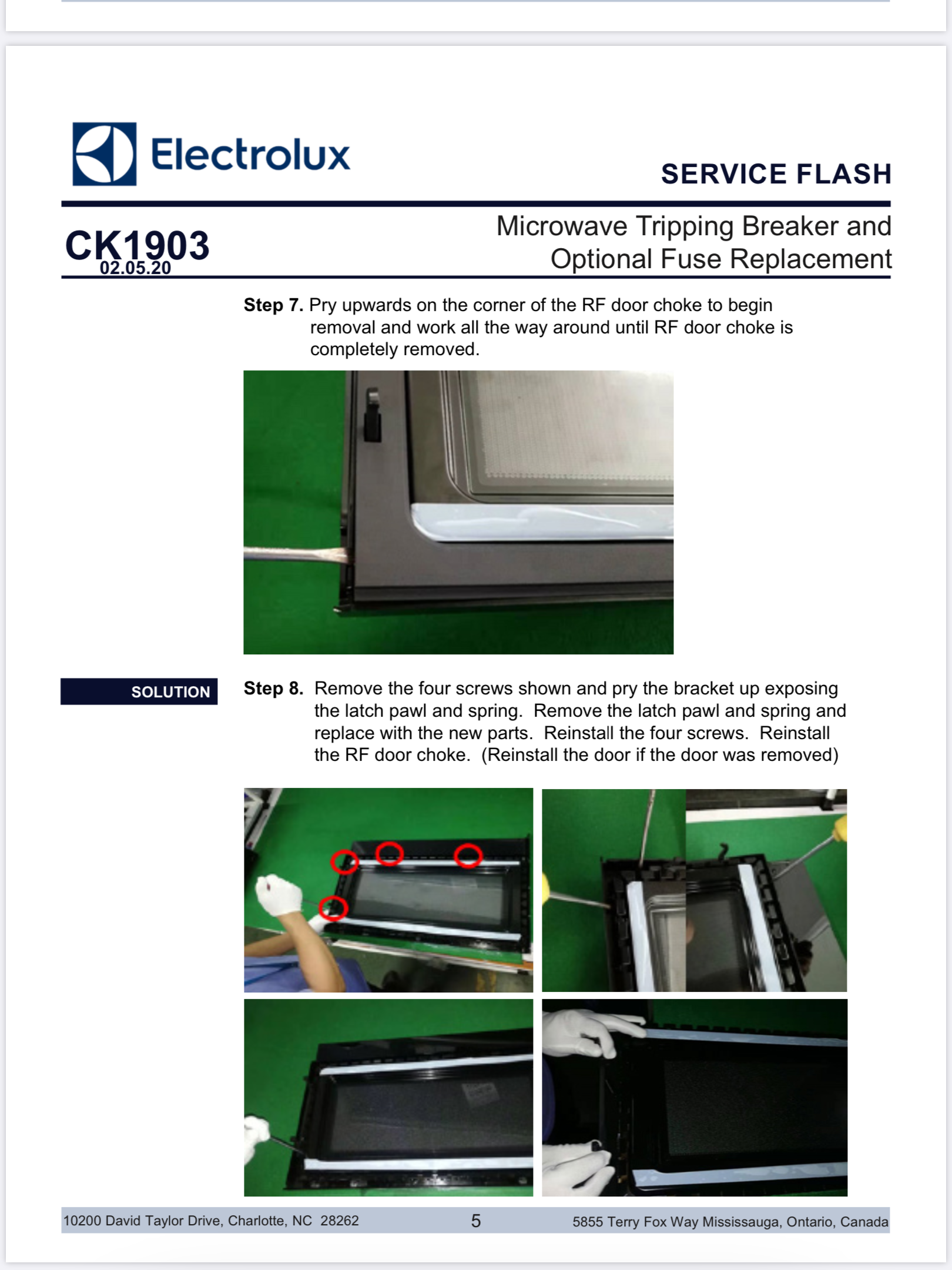
Microwaves have safety switches in the door. These stop the microwave from running when the door is open. If a switch fails or sticks, it can create a short circuit or cause the microwave to work incorrectly.
High-voltage Capacitor Short
A high-voltage capacitor stores energy to power the magnetron. If it shorts out, it can pull a huge current and trip the breaker.
Internal Wiring Problems
Wires inside the microwave can become loose, frayed, or burnt. This can lead to shorts or arcing, which are both dangerous.
Moisture Or Water Damage
Sometimes, water or steam gets inside the microwave, especially if it’s placed near the stove or sink. Moisture can create a path for electricity to take the wrong route, leading to a breaker trip.
How To Fix A Frigidaire Microwave That Trips The Breaker
Some solutions are simple and safe for most people. Others require an electrician or appliance repair expert. Here’s what you can do:
Steps You Can Safely Try
- Move the Microwave to a New Circuit: Plug it into an outlet on a different circuit, ideally one with no other high-power appliances. This can solve an overload problem.
- Replace or Repair the Power Cord: If you see damage on the cord, replace it. Never use a microwave with a frayed or burnt cord.
- Clean the Microwave: Water and food debris can cause trouble. Wipe the inside and outside, especially around the door.
- Reset the Breaker: After making changes, reset the breaker by switching it off and on again.
When To Call A Professional
Some repairs are not safe for non-experts. High-voltage parts inside a microwave can cause shock, even when unplugged. Call a repair technician or electrician if:
- The breaker still trips after all your checks
- You smell burning or see smoke
- The microwave is old and has had other problems
It’s often more cost-effective to replace a microwave if it is over 8-10 years old and repairs are expensive.
How To Prevent Microwave Breaker Trips
Prevention is always better than repair. Here are some tips to keep your microwave running safely:
- Use a Dedicated Circuit: Have an electrician install a separate circuit just for your microwave.
- Don’t Overload Outlets: Avoid using extension cords or plugging in many devices together.
- Regular Cleaning: Keep the inside and outside clean to avoid moisture and debris.
- Check Cords and Plugs: Look for signs of wear and replace them as needed.
- Avoid Slamming the Door: Gentle use helps protect the door switches.
Here’s a comparison of circuit types and their suitability for microwaves:
| Circuit Type | Typical Amp Rating | Best For Microwave? |
|---|---|---|
| Shared Kitchen Circuit | 15-20A | No |
| Dedicated Circuit | 20A | Yes |
| GFCI/AFCI Circuit | 15-20A | Maybe (depends on sensitivity) |
Frigidaire Microwave Vs Other Brands: Tripping Breakers
Is this problem unique to Frigidaire? Not really. All brands can face this issue, but here’s how Frigidaire compares to two other common brands:
| Brand | Power Usage (Watts) | Reported Breaker Issues | Average Lifespan (Years) |
|---|---|---|---|
| Frigidaire | 1000-1200 | Occasional, often due to overload or faulty magnetron | 8-10 |
| Samsung | 900-1100 | Rare, but can happen with old units | 7-9 |
| GE | 950-1200 | Similar frequency as Frigidaire, sometimes due to door switches | 8-10 |
As you can see, Frigidaire is not especially prone to this problem compared to other well-known brands.
Real-world Example
One homeowner found their Frigidaire microwave would trip the breaker only when the kitchen lights and toaster were on. By moving the microwave to a dedicated circuit, the problem disappeared. Another user had an older unit that suddenly began tripping breakers.
A technician found a burned-out magnetron, which was replaced, and the issue stopped.
Non-obvious insight: Sometimes, a breaker can become weaker after many trips. If you’ve had repeated breaker trips, the breaker itself may need replacement, even if the microwave is fine.
When Should You Replace Your Microwave?
If your Frigidaire microwave is older than eight years, or the cost to repair is more than half the price of a new one, replacement is usually better. Newer models are more energy-efficient and safer.
Here’s a cost comparison:
| Repair Type | Estimated Cost | Worth Repairing? |
|---|---|---|
| Replace power cord | $30-$60 | Yes |
| Replace door switch | $50-$100 | Yes |
| Replace magnetron | $100-$200 | Maybe (if microwave is newer) |
| Replace high-voltage capacitor | $80-$150 | Depends on age |
| New microwave | $120-$400 | Yes (if repairs are costly) |

Credit: www.youtube.com
Safety Tips For Dealing With Tripped Breakers
- Never open a microwave’s back panel unless you’re trained. High voltage can stay even when unplugged.
- If you smell burning, unplug the unit immediately.
- Don’t use extension cords for microwaves—they can overheat and cause fires.
- If your breaker trips often, consult an electrician.
A common mistake is thinking a tripped breaker is a small issue. In fact, it’s a warning of possible danger, so never ignore it.

Frequently Asked Questions
Why Does My Frigidaire Microwave Trip The Breaker Only Sometimes?
This usually means the total power on that circuit sometimes goes over the limit, depending on what other devices are running. Try using the microwave on a dedicated circuit.
Is It Dangerous If My Microwave Keeps Tripping The Breaker?
Yes, it can be. Repeated breaker trips can mean electrical overload or an internal fault, which can lead to fire risk. Always investigate and fix the problem.
Can I Repair A Microwave Myself If It Trips The Breaker?
You can check and replace the cord, clean it, and try different circuits. But never open the microwave’s internal parts unless you are trained. High-voltage parts are dangerous.
Will A Surge Protector Help Prevent Breaker Trips?
No, surge protectors are not designed for high-power appliances like microwaves. In fact, using one can be unsafe. Always plug the microwave directly into the wall.
Where Can I Get More Information About Electrical Safety?
You can read more about electrical safety at the Electrical Safety Foundation International.
If your Frigidaire microwave keeps tripping the breaker, don’t ignore it. Use the tips above to find the cause and fix it safely. Sometimes, simple changes can solve the problem. In other cases, it’s time to call a professional or replace the unit. Your safety and your kitchen’s smooth operation depend on it.