
When you turn on your gas oven to bake or roast, you expect it to heat up quickly. But sometimes, the gas oven takes forever to preheat. This is not just annoying—it can ruin recipes, waste energy, and make you doubt your oven’s performance. If you notice your oven takes much longer than usual, it’s important to understand why and how to fix it. This article explains the causes, solutions, and what to check when your gas oven is slow to preheat. With clear advice and practical examples, you’ll learn how to get your oven working efficiently again.
How Long Should A Gas Oven Take To Preheat?
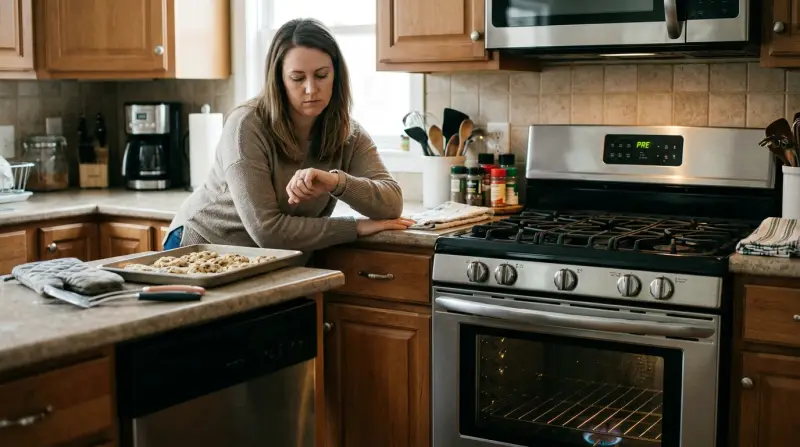
Most gas ovens reach their set temperature in about 10–15 minutes. For example, to reach 350°F, a typical gas oven should preheat in 12 minutes or less. If yours takes 30 minutes or more, something is wrong.
Here’s a quick comparison of normal preheat times for different oven types:
| Oven Type | To 350°F | To 450°F |
|---|---|---|
| Gas Oven | 10–15 min | 15–20 min |
| Electric Oven | 12–18 min | 18–25 min |
| Convection Oven | 8–12 min | 12–16 min |
If your gas oven regularly takes more than 20 minutes to reach 350°F, it’s time to investigate.
Common Causes Of Slow Gas Oven Preheating
Several things can make a gas oven heat up slowly. Let’s look at the most frequent reasons:
- Weak Igniter: The igniter is the part that lights the gas. If it’s old, dirty, or not working well, it can delay heating.
- Faulty Thermostat: A broken thermostat can misread temperatures, making the oven heat longer than needed.
- Dirty Burner: Grease, food spills, or dust can block the gas flow to the burner.
- Oven Door Seal Damage: If the door seal is torn or loose, heat escapes and the oven cannot heat efficiently.
- Incorrect Rack Placement: If racks block air flow, the heat spreads unevenly and slowly.
- Gas Supply Issues: Low gas pressure or a partially closed valve reduces heating speed.
- Hidden Problems: Sometimes, issues like a malfunctioning control board or sensor cause slow preheating.
Let’s break down these causes and how to fix them.
Diagnosing The Problem: Step-by-step
Finding the reason your gas oven takes forever to preheat is easier if you follow a simple process. Here’s how:
1. Observe The Igniter
The igniter should glow bright orange within seconds. If it’s weak or takes more than a minute, it may need replacement.
2. Check Oven Temperature
Use a reliable oven thermometer. Place it in the center and compare the display with the oven’s actual temperature.
3. Inspect The Door Seal
Look for cracks or gaps in the rubber seal around the door. Close the door and see if it fits tightly.
4. Examine Burner And Racks
Remove racks and check for debris or grease buildup on the burner. Make sure racks aren’t blocking air flow.
5. Test Gas Supply
If you smell gas or notice weak flame, the supply may be restricted. Ensure the gas valve is fully open.
6. Review Settings
Check if you’re using the right mode. Some ovens have “preheat” or “rapid preheat” settings—using wrong modes can slow heating.
Solutions For Slow Preheating
Once you know what’s causing the issue, you can fix it. Here are practical solutions:
Replace A Weak Igniter
Igniters lose strength over time. If yours is slow, replace it with the right model for your oven. Many users report that a new igniter reduces preheat time by half.
Clean The Burner
Turn off the oven and let it cool. Remove the burner cover and clean with a brush or mild detergent. Avoid using water directly on electrical parts.
Fix Or Replace Door Seal
A new door gasket costs around $20–$40 and can be installed in minutes. This helps keep heat inside and speeds up preheating.
Adjust Rack Placement
Arrange racks so air can move freely. Avoid placing racks too close to the burner or blocking vents.
Check Gas Supply
If you suspect low gas pressure, contact your gas supplier. For homes with propane tanks, check for leaks or blockages.
Repair Thermostat
If your oven heats unevenly or takes too long, the thermostat might be faulty. A professional can test and replace it if needed.
Clean Sensor And Control Board
Some ovens have temperature sensors and electronic boards. Dust or grease can affect readings. Carefully clean these parts or call a technician.

Credit: www.youtube.com
How To Maintain Your Gas Oven For Fast Preheating
Regular maintenance keeps your oven working well and prevents slow preheating. Here are some easy tips:
- Clean the interior monthly
- Wipe the door seal and check for damage
- Clean burners and racks regularly
- Check igniter every 6–12 months
- Test oven temperature with a thermometer
- Use oven self-cleaning feature (if available)
These simple habits help avoid most preheating problems.
Gas Oven Preheat Time Vs. Electric Oven
You might wonder if gas ovens are slower than electric ones. In reality, gas ovens generally heat up faster because the flame delivers instant heat. However, electric ovens can be more consistent and even.
Here’s a quick comparison:
| Feature | Gas Oven | Electric Oven |
|---|---|---|
| Preheat Speed | Faster | Slower |
| Heat Distribution | Less Even | More Even |
| Moisture | Retains Moisture | Dries Out Faster |
| Common Issues | Igniter, Burner, Gas Pressure | Heating Element, Thermostat |
If your gas oven is suddenly slower than an electric model, it’s not normal—check for the problems listed above.
How Preheating Affects Cooking Results
Slow preheating isn’t just inconvenient. It can ruin your food. Here’s how:
- Uneven baking: If the oven isn’t hot enough, cakes and breads rise poorly.
- Dry or undercooked food: Meat and vegetables may not cook through.
- Burned edges: Long preheating can make the edges burn while the inside stays raw.
- Wasted energy: Longer preheat times use more gas.
For best results, always preheat until the oven reaches the exact temperature. Use an oven thermometer for accuracy.
Real-world Examples: How People Solved Slow Preheat
Let’s look at some true cases:
Case 1: Maria’s oven took 40 minutes to reach 400°F. She found her igniter glowed weakly. Replacing the igniter fixed the issue.
Case 2: John noticed a gap in his oven door seal. Heat escaped, causing slow preheating. A new seal cut preheat time by 10 minutes.
Case 3: Priya cleaned her burner after a spill. The oven started preheating faster immediately.
Most slow preheating cases are solved by fixing these common issues.

When To Call A Professional
Sometimes, the cause is not obvious or safe to fix yourself. Call a professional if:
- You smell gas or suspect a leak
- The oven doesn’t light at all
- The control board or thermostat is broken
- You’re unsure how to replace parts
Professional repairs cost more, but they guarantee safety and reliability.
Preventing Slow Preheating: Smart Tips
Avoid future problems with these smart tips:
- Don’t overload the oven with heavy pans or trays during preheating.
- Check door seal every few months for cracks.
- Clean burners and racks after spills.
- Use correct rack placement for good air flow.
- Test oven temperature with a thermometer once a year.
- Schedule maintenance for older ovens.
These steps save time and help your oven last longer.

Credit: www.connersappliance.com
Frequently Asked Questions
Why Does My Gas Oven Take So Long To Preheat?
A slow preheat is usually caused by a weak igniter, dirty burner, faulty thermostat, or damaged door seal. Check these parts first. Sometimes, low gas pressure or a control board issue can also be the cause.
How Can I Speed Up Gas Oven Preheat Time?
Clean the burner and racks, replace a weak igniter, fix the door seal, and make sure the gas supply is strong. Also, use the right rack placement and preheat mode.
Is It Safe To Use The Oven If It Takes Too Long To Preheat?
It depends on the cause. If you suspect a gas leak or smell gas, do not use the oven. For other issues like a weak igniter or dirty burner, it’s usually safe but not efficient. Fix the problem as soon as possible.
Can A Slow Preheat Affect Cooking Results?
Yes. Slow preheating can cause uneven baking, undercooked food, and burned edges. It also wastes energy. Always preheat to the correct temperature before cooking.
How Often Should I Check My Gas Oven For Slow Preheating?
Test your oven’s preheat time every few months, especially if it’s older than five years. Regular checks help spot problems early and keep your oven working well.
Solving a gas oven that takes forever to preheat isn’t difficult if you know what to look for. Most problems are simple to fix—like replacing an igniter or cleaning the burner. Regular maintenance keeps your oven fast and reliable. If you’re not sure about a repair, call a professional for help. For more details on oven safety and maintenance, you can visit Consumer Reports. By following these steps, you’ll enjoy better cooking and save time every day.