
There’s a certain comfort in preheating your oven and preparing for a meal. But if you notice a gas smell coming from the oven when preheating, that comfort can quickly turn to concern. Many people experience this, especially with older or recently installed gas ovens. Is a faint gas odor normal? When should you worry? And what should you do if it happens? Knowing the facts can keep your kitchen safe and your mind at ease.
Understanding why you smell gas during preheating is important for your safety. Not all gas smells mean danger, but ignoring them could risk a fire or health hazard. This article will explain the common causes, when to take action, and how to prevent problems.
You’ll also find data, examples, and expert advice so you can make smart choices about your appliance and your home safety.
Why Gas Smell Happens When Preheating
How Gas Ovens Work
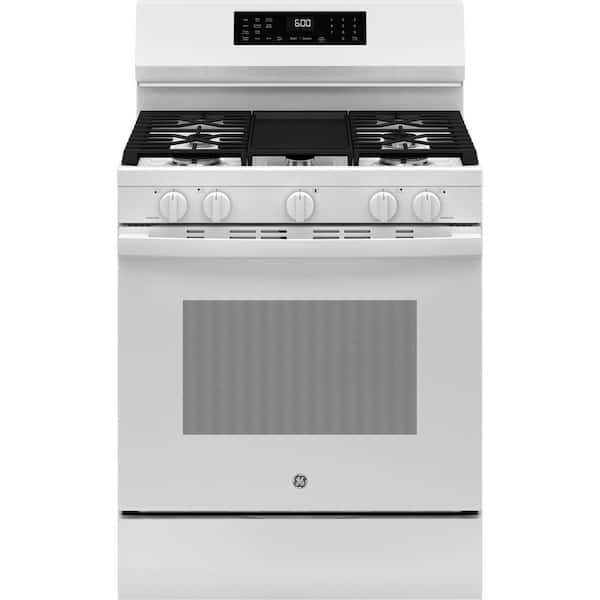
A gas oven uses natural gas or propane as fuel. When you turn the oven on, the gas flows to a burner. An igniter or pilot light sparks the gas, creating a steady flame. The oven then heats up to your chosen temperature.
During this process, a small amount of unburned gas may escape before the flame ignites. This is usually burned off quickly and is not dangerous if everything is working correctly. However, if you notice a strong or lingering gas smell, something may be wrong.
Normal Vs. Abnormal Gas Odor
It’s common to notice a brief whiff of gas when you first turn on your oven. This can happen as the igniter warms up and before the burner lights. Most manufacturers state that a faint smell for a few seconds is normal.
But if the smell:
- Lasts more than a few minutes
- Is strong or makes you feel dizzy or sick
- Happens every time you use the oven
- Is present even when the oven is off
Then it’s time to investigate further.
Types Of Gas Used
Most US homes use natural gas (methane) for ovens, but some use liquefied petroleum gas (propane). Both are odorless, so manufacturers add a chemical called mercaptan that smells like rotten eggs. This makes it easier to notice leaks or unburned gas.
Common Causes Of Gas Smell During Preheating
Several issues can lead to a gas odor when starting your oven. Some are simple, while others need expert repair.
Delayed Ignition
If the oven’s igniter is weak or faulty, it may take longer to light the gas. This allows more unburned gas to escape before burning, making the smell noticeable.
Signs of delayed ignition:
- A few seconds of clicking or buzzing before the flame appears
- A small “whoosh” sound as the gas finally ignites
Faulty Igniter
A worn-out igniter is one of the most common reasons for gas smells. Modern ovens use a hot surface igniter that glows red-hot to light the gas. Over time, it can lose power and fail to ignite quickly.
Symptoms:
- The oven takes much longer to preheat
- The gas smell is stronger than before
Pilot Light Issues
Older ovens use a pilot light instead of an electronic igniter. If the pilot is weak, dirty, or goes out, gas may leak into the oven or kitchen.
What to look for:
- The pilot flame is very small or yellow
- You have to relight it often
Burner Problems
Blocked or dirty burners can prevent gas from burning completely. Food debris, grease, or rust can clog the holes, letting unburned gas escape.
Clues:
- Uneven flames
- Yellow or orange flames instead of blue
- Popping or hissing sounds
Gas Valve Malfunctions
A malfunctioning gas valve may leak even when the oven is off or allow too much gas into the burner area. This is rare but can be dangerous.
Poor Installation Or Loose Connections
If your oven was installed recently, a loose gas line or poor seal can allow gas to escape. Always have new appliances installed by a licensed professional.
Ventilation Issues
A kitchen with poor airflow can trap gas odors, making them seem stronger. Good ventilation helps keep air fresh and safe.
When Is A Gas Smell Dangerous?
Not every gas smell is an emergency, but some are. Know the difference to protect yourself and your family.
Mild, Brief Odor
If you notice a faint, short-lived gas smell right as the oven turns on, this is usually safe—especially if it disappears in a minute or two.
Strong, Lingering, Or Repeated Odor
A strong smell that lasts or repeats means unburned gas is escaping. This can be dangerous. Symptoms of a gas leak include:
- Headache or dizziness
- Nausea
- Lightheadedness
- Difficulty breathing
Gas Leak Data
According to the National Fire Protection Association (NFPA), gas leaks cause over 4,200 home fires each year in the US. The main sources are cooking equipment, heating systems, and gas leaks in appliances.
Quick Comparison: Normal vs. Dangerous Gas Smell
| Situation | Smell Duration | Action Needed |
|---|---|---|
| Brief smell at start | Few seconds | No action (normal) |
| Strong, lasts several minutes | More than 2-3 minutes | Investigate, ventilate, call a pro |
| Smell when oven is off | Any time | Shut off gas, call gas company |
What To Do If You Smell Gas During Preheating
Step-by-step Safety Actions
If you notice a gas smell while preheating your oven, take these steps:
- Turn off the oven immediately.
- Open windows and doors to ventilate the room.
- Do not use matches, lighters, or electrical switches. A spark can ignite gas.
- If the smell is strong or you feel sick, leave the house and call your gas company or 911 from outside.
- If the smell is mild and goes away quickly, monitor for repeated issues. If it returns, contact an appliance technician.
When To Call A Professional
Some problems require expert help. Call a licensed technician if:
- The gas smell is strong or lasts more than a few minutes
- You hear hissing near the oven or gas line
- You notice flames are yellow or orange
- The oven takes much longer to heat up than before
What Not To Do
- Don’t try to repair gas lines yourself
- Don’t ignore repeated gas smells
- Don’t use the oven again until it’s checked
Diagnosing The Problem
To solve a gas smell, you need to find the cause. Sometimes, simple observation can help.
Visual Inspection
- Check for food debris or grease around the burner area.
- Look for signs of rust or corrosion.
- Make sure the oven is clean and the door seals tightly.
Igniter Function Test
- Turn on the oven and watch the igniter (through the bottom panel, if visible).
- It should glow bright orange or red within 30-60 seconds.
- If not, or if it takes much longer, the igniter may be failing.
Burner Flame Check
- Blue flames are normal.
- Yellow or orange flames mean incomplete burning, which can produce more gas smell.
Gas Line And Valve Inspection
- Listen for hissing noises near the connections.
- Smell for gas around the oven, not just inside.
How To Prevent Gas Smells In The Future
Regular Maintenance
Keeping your oven clean and well-maintained reduces the risk of gas smells. Here’s a simple maintenance checklist:
- Clean burners and igniters monthly.
- Wipe away spills as soon as the oven cools.
- Check for food debris near the pilot light or igniter.
- Schedule a yearly professional inspection.
Use Appliances Properly
Follow the manufacturer’s instructions for starting and using your oven. Do not block vents or use the oven for heating your home.
Install A Carbon Monoxide Detector
While natural gas itself is not poisonous, incomplete burning can produce carbon monoxide, which is deadly. Install a detector in your kitchen and test it regularly.
Know Your Oven’s Signs
Every oven has its own “personality. ” Pay attention to changes in preheating time, flame color, or any new noises or smells.
Replace Faulty Parts Quickly
If you suspect the igniter or burner is failing, replace it. Delaying repairs can make problems worse and more expensive.
Professional Vs. Diy: What Can Homeowners Safely Do?
Some oven maintenance is safe for homeowners. Other tasks should only be handled by a professional.
Safe for Homeowners:
- Cleaning burners, racks, and oven floor
- Inspecting for visible debris
- Checking for obvious loose knobs or panels
Call a Professional For:
- Replacing igniters or gas valves
- Fixing gas leaks or loose lines
- Adjusting flame size or color
- Any electrical repairs
Example: Replacing an igniter often requires disconnecting the gas and wiring. One slip can cause a leak or shock. Always call a pro unless you are trained.
Cost Of Repair And Replacement
Knowing the typical costs can help you budget and decide between repair and replacement.
Average Repair Costs in the US:
| Repair Type | Average Cost (USD) |
|---|---|
| Igniter replacement | $120 – $250 |
| Gas valve repair | $150 – $350 |
| Burner cleaning/service | $80 – $180 |
| Professional inspection | $75 – $130 |
| New oven installation | $700 – $2,500 |
If your oven is more than 15 years old and repair costs are over half the price of a new unit, replacement may be the smarter long-term choice.
Real-world Example: Gas Smell Case Study
Sarah, a homeowner in Texas, noticed a strong gas smell every time she preheated her 12-year-old oven. She waited a few weeks, assuming it was normal. Eventually, the oven took nearly 20 minutes to preheat and the smell got worse.
A technician found the igniter was barely glowing, causing delayed ignition. He replaced the igniter for $175, and the problem disappeared. The technician noted that if Sarah had waited longer, she could have risked a dangerous build-up of gas.
Insight: Don’t ignore a worsening gas smell or changes in how your oven works. Small repairs can prevent bigger, costlier problems.
Oven Brands And Gas Smell Complaints
Some oven brands have more complaints about gas smell during preheating. This can be due to design, quality, or even installation errors.
Example Data: Common Brands and Customer Complaints
| Brand | Common Complaint | Ease of Repair |
|---|---|---|
| GE | Delayed ignition, igniter wear | Moderate |
| Whirlpool | Weak burner flames, gas odor | Easy |
| Frigidaire | Loose connections after installation | Easy |
| Samsung | Electronic control faults | Complex |
| LG | Improper venting, odor | Moderate |
Always check your oven’s manual for troubleshooting tips specific to your model.
Non-obvious Insights Most People Miss
- Your kitchen’s air pressure can influence gas odor. Running exhaust fans or opening windows can create negative pressure, pulling small amounts of gas from the oven into the room. This doesn’t mean a leak, but it can make smells more noticeable.
- Gas supply issues in your neighborhood can affect your oven. If local gas pressure drops, your oven may not light as quickly, causing more gas odor. Contact your supplier if you notice changes across multiple appliances.
- The “first use” gas smell is often normal. New ovens may emit a stronger gas or “burn-in” smell as factory oils burn off. This should go away after a few uses.
- Improper conversion from natural gas to propane (or vice versa) can cause gas smell problems. Always use a qualified technician for conversions.
- Pets can detect gas leaks before humans. Dogs and cats may act anxious or avoid the kitchen if there’s a leak. Watch for unusual animal behavior.
Myths And Misunderstandings About Gas Ovens
Many people worry about gas ovens, but not all fears are based on fact. Let’s clear up some common myths.
- Myth: “Any gas smell means a leak.”
*Fact:* A brief smell at start-up is usually normal.
- Myth: “Gas ovens always waste gas.”
*Fact:* Modern ovens are efficient. Waste usually comes from poor maintenance.
- Myth: “You can always hear a gas leak.”
*Fact:* Small leaks may not make noise. Trust your nose.
- Myth: “Opening the oven door during preheat is dangerous.”
*Fact:* It’s safe, but it can let heat out and slow preheating.
Gas Oven Safety Tips
To keep your kitchen safe, follow these best practices:
- Have your oven professionally installed and inspected every year.
- Never use the oven to heat your home.
- Keep flammable items away from the oven.
- If you smell gas, act quickly don’t wait.
- Teach all family members what to do if they smell gas.
- Install a carbon monoxide detector near your kitchen.
- Know where your home’s main gas shut-off valve is located.
Frequently Asked Questions
What Should I Do If I Always Smell Gas When Preheating My Oven?
If you regularly notice a gas smell that lasts more than a minute or two, turn off the oven and ventilate your kitchen. Do not use electrical switches or open flames. Contact a qualified technician to inspect the oven before using it again.
Is It Normal To Smell Gas When The Oven Is Preheating?
A very brief, faint gas odor can be normal as the oven starts. However, a strong, lingering, or repeated smell is not normal and should be checked by a professional.
Can A Gas Smell From The Oven Make Me Sick?
Yes. Breathing in unburned gas can cause headaches, dizziness, nausea, and fatigue. Incomplete burning can produce carbon monoxide, which is even more dangerous. Always act quickly if you feel unwell.
How Often Should I Have My Gas Oven Inspected?
Experts recommend a professional inspection and cleaning once a year. This helps prevent problems and keeps your oven working efficiently and safely.
Where Can I Find More Information About Gas Oven Safety?
For more details and safety advice, visit the U.S. Consumer Product Safety Commission.
A gas smell coming from your oven when preheating is not something to ignore. While a brief odor can be normal, any strong or lasting smell needs attention. Understanding the causes, taking quick safety steps, and keeping your oven well maintained will help you cook safely and confidently.
If you ever feel unsure, don’t guess—call a professional for help. Staying alert keeps your kitchen a safe, welcoming place for you and your family.