
Glacier Bay toilets are popular for their affordability and simple design. Many homeowners and landlords choose them because they’re easy to install and cost less than premium brands. But, like any plumbing fixture, Glacier Bay toilets can develop issues over time. If you’re experiencing Glacier Bay toilet problems, you’re not alone. This guide will help you understand common issues, their causes, and practical ways to fix them. Whether you’re a DIY enthusiast or just want to know what’s happening in your bathroom, you’ll find clear answers and helpful tips here.
Common Glacier Bay Toilet Problems
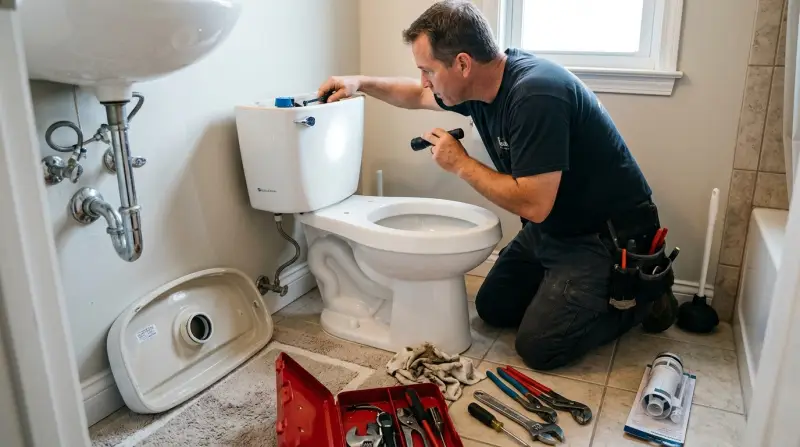
Every toilet can have troubles, but Glacier Bay models have some specific issues that show up more often. Let’s look at the most frequent problems, why they happen, and how you can solve them.
1. Weak Flushing Power
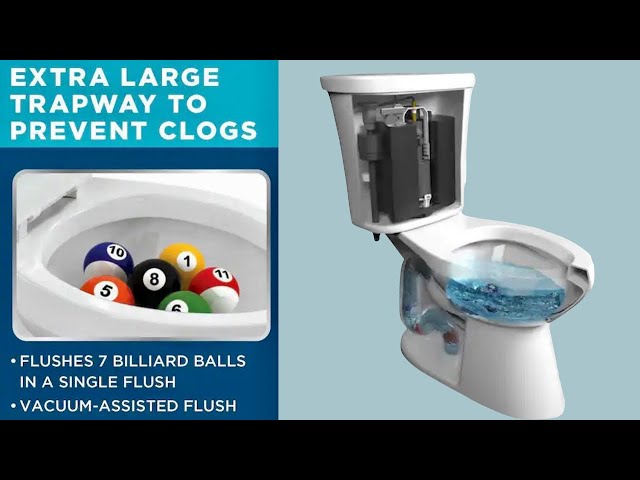
One of the most reported problems is weak flushing. You press the handle, but the waste doesn’t clear. This can be frustrating and embarrassing, especially in a busy home.
Reasons:
- Low water level in the tank
- Clogged rim holes under the bowl edge
- Faulty flapper that doesn’t open fully
- Poor design of the flush valve
Quick Fixes:
- Check that the water level in the tank is about an inch below the overflow tube.
- Clean the rim holes with a wire or brush.
- Replace the flapper if it’s worn or doesn’t seal well.
Practical Insight: Many people overlook the rim holes. If they’re blocked by mineral deposits, the flush won’t have enough force. Cleaning them can restore power without replacing parts.
2. Toilet Running Constantly
A running toilet wastes water and raises your bill. Glacier Bay toilets can run nonstop if the internal parts don’t work correctly.
Reasons:
- The flapper doesn’t seal
- The fill valve is stuck or misaligned
- The float is set too high
Quick Fixes:
- Replace the flapper if it’s old or warped.
- Adjust or replace the fill valve.
- Lower the float to stop water from reaching the overflow.
Non-Obvious Tip: Sometimes, the chain between the handle and the flapper is too short or too long. Adjusting the chain length can solve running issues.
3. Leaking At The Base
If you see water around the bottom of your toilet, it’s a sign of a leak at the base. This can damage floors and cause odors.
Reasons:
- Wax ring under the toilet is broken
- Toilet bolts are loose
- Cracks in the porcelain
Quick Fixes:
- Tighten the bolts gently (don’t over-tighten).
- Replace the wax ring (requires removing the toilet).
- Inspect for cracks; replace the toilet if needed.
Non-Obvious Insight: Many leaks are caused by uneven floors. If your toilet rocks slightly, the wax ring can fail faster. Use shims to stabilize the base before installing a new ring.
4. Slow Tank Refill
After you flush, the tank should refill within a minute. Glacier Bay toilets sometimes refill slowly.
Reasons:
- Fill valve clogged with debris
- Low water pressure
- Faulty supply line
Quick Fixes:
- Clean or replace the fill valve.
- Check water pressure in your home.
- Inspect the supply line for kinks or clogs.
5. Toilet Not Flushing At All
If nothing happens when you press the handle, your toilet won’t flush.
Reasons:
- The handle is broken
- The chain is disconnected
- The flapper is stuck
Quick Fixes:
- Reconnect or replace the chain.
- Replace the handle if it’s loose or broken.
- Free the flapper and make sure it moves easily.
Comparing Glacier Bay Toilet Problems To Other Brands
Are Glacier Bay toilets more problematic than other brands? Here’s a quick comparison:
| Brand | Common Problems | Average Repair Cost | User Satisfaction |
|---|---|---|---|
| Glacier Bay | Weak flush, running, leaks | $25–$100 | Moderate |
| Kohler | Clogs, noisy fill valve | $40–$120 | High |
| American Standard | Slow refill, handle issues | $35–$110 | High |
| Toto | Rare leaks, tough installation | $50–$140 | Very High |
Glacier Bay toilets are usually easier and cheaper to fix, but they can develop more issues if not maintained.

Diagnosing Glacier Bay Toilet Problems
Before fixing anything, you need to identify what’s wrong. Here’s a simple step-by-step guide to diagnose common Glacier Bay toilet problems.
- Check for visible leaks: Look around the base and inside the tank.
- Listen for running water: If you hear water flowing after the flush, the toilet is running.
- Test the flush: Does the bowl clear with one flush? Is the handle loose?
- Inspect inside the tank: Look for broken or worn parts (flapper, fill valve, chain).
- Look for clogs: If water drains slowly, the trap or drain may be blocked.
Practical Tip: Use food coloring in the tank. If color leaks into the bowl without flushing, your flapper isn’t sealing.
Repairing Glacier Bay Toilet Issues
Most Glacier Bay toilet problems can be fixed at home with basic tools and parts. Here’s how to handle the most common repairs.
Replacing The Flapper
The flapper is a rubber part that seals the tank. If it’s old or damaged, your toilet will run or flush weakly.
Steps:
- Turn off the water supply (valve under the tank).
- Flush the toilet to empty the tank.
- Remove the old flapper by disconnecting it from the chain and overflow tube.
- Attach the new flapper.
- Reconnect the chain and turn the water back on.
Fixing A Leaky Base
If you need to replace the wax ring, follow these steps:
- Turn off water and drain the tank.
- Unscrew the bolts at the base.
- Lift the toilet carefully (get help if needed).
- Remove old wax ring and clean the flange.
- Set new wax ring and lower toilet onto it.
- Tighten bolts evenly.
- Reconnect water supply.
Always use a new wax ring—never reuse the old one.
Cleaning Rim Holes
Mineral deposits block rim holes, making the flush weak.
Steps:
- Use a small wire or stiff brush to poke each hole under the bowl edge.
- Flush several times to clear debris.
- For tough buildup, use vinegar and let it sit for an hour before cleaning.
Replacing Fill Valve
If your tank refills slowly, the fill valve might be clogged.
Steps:
- Turn off water supply.
- Remove the old fill valve (usually a nut under the tank).
- Install new valve and adjust the height.
- Turn water back on and test.
Credit: www.youtube.com
Preventing Glacier Bay Toilet Problems
Regular maintenance will help your Glacier Bay toilet run smoothly and last longer. Here are some simple habits that prevent problems:
- Clean the bowl and tank monthly.
- Inspect the flapper, fill valve, and handle every six months.
- Avoid using harsh chemicals—use mild cleaners.
- Don’t flush anything except toilet paper and waste.
- Tighten bolts gently if you notice movement.
Non-Obvious Tip: Hard water can cause mineral buildup. Installing a simple water softener can reduce clogs and keep parts working longer.
Cost Of Repairs And Parts
Glacier Bay toilets are budget-friendly, and most parts are cheap and easy to find. Here’s a look at typical repair costs:
| Repair Type | DIY Cost | Professional Cost | Time Needed |
|---|---|---|---|
| Flapper replacement | $8–$15 | $60–$90 | 10–20 minutes |
| Fill valve replacement | $12–$25 | $75–$120 | 15–30 minutes |
| Wax ring replacement | $5–$10 | $80–$150 | 30–60 minutes |
| Handle replacement | $7–$20 | $40–$80 | 5–15 minutes |
DIY repairs save money, but always call a plumber if you’re unsure or the problem is serious.
When To Replace Your Glacier Bay Toilet
Sometimes, fixing the toilet isn’t enough. Here are signs it’s time to buy a new one:
- Multiple cracks in the bowl or tank
- Frequent leaks that won’t stop
- Parts are no longer available
- Toilet uses too much water (older models)
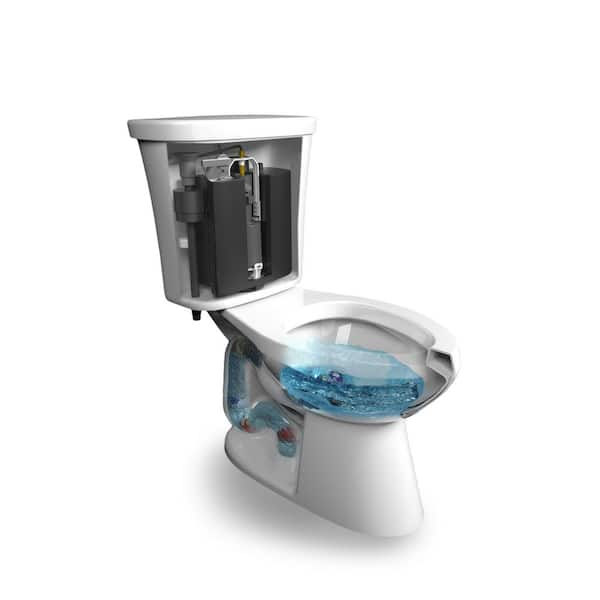
Glacier Bay toilets are affordable, so replacement is often cheaper than constant repairs. Newer models also use less water (1. 28 gallons per flush), saving money over time.
Where To Find Parts And Help
Glacier Bay toilets are sold at Home Depot and other major retailers. Most replacement parts are available online and in stores. If you need help, Home Depot offers guides and support for Glacier Bay products. For more technical information, visit the official manufacturer’s site or check plumbing forums.
For additional details on toilet maintenance, you can refer to the EPA WaterSense guide.
Frequently Asked Questions
What Causes Weak Flushes In Glacier Bay Toilets?
Weak flushes are usually caused by low water level, blocked rim holes, or a worn flapper. Cleaning the rim holes and adjusting the water level often restores flushing power.
Why Is My Glacier Bay Toilet Running Constantly?
A running toilet happens when the flapper doesn’t seal or the fill valve is faulty. Replacing these parts and adjusting the float can fix this issue.
How Can I Stop Leaks At The Base Of My Glacier Bay Toilet?
Leaks are mostly due to a damaged wax ring. Replacing the wax ring and tightening the bolts will stop leaks. Ensure the toilet sits firmly and the floor is level.
Are Glacier Bay Toilets Easy To Repair?
Yes, most Glacier Bay toilet problems can be fixed with basic tools and parts. Common repairs like flapper, fill valve, and handle replacements are simple for DIY homeowners.
Where Can I Find Glacier Bay Toilet Parts?
You can buy parts at Home Depot, online retailers, or plumbing supply stores. Always check your model number to get the correct replacement part.
Glacier Bay toilets offer good value, but like any fixture, they need care and attention. Understanding the most common problems and their solutions will help you keep your toilet working smoothly and avoid costly repairs. If you follow the steps and tips in this guide, you’ll save time, money, and frustration.