
The GM 3.6 V6 engine, known as the High Feature V6 or “LFX”, is a popular engine in many General Motors vehicles. Since its debut in 2004, it has powered cars, SUVs, and trucks across brands like Chevrolet, Cadillac, Buick, and GMC. Many drivers appreciate its balance of power and fuel efficiency. However, as the miles add up, certain problems are reported more often than others. Some of these issues are minor annoyances, but a few can lead to expensive repairs if ignored.
If you own a car with the GM 3.6 V6, or you’re thinking about buying one, it’s smart to know about these common problems. This article explains the 6 most frequent issues, what causes them, how to spot them early, and what you can do to avoid surprises. You’ll also find practical tips, real-world examples, data tables, and answers to common questions. With this guide, you can make better decisions and keep your engine running longer.
Timing Chain Problems
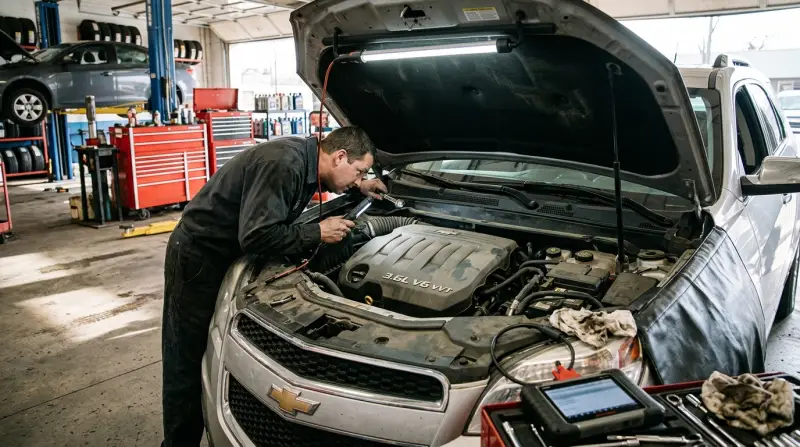
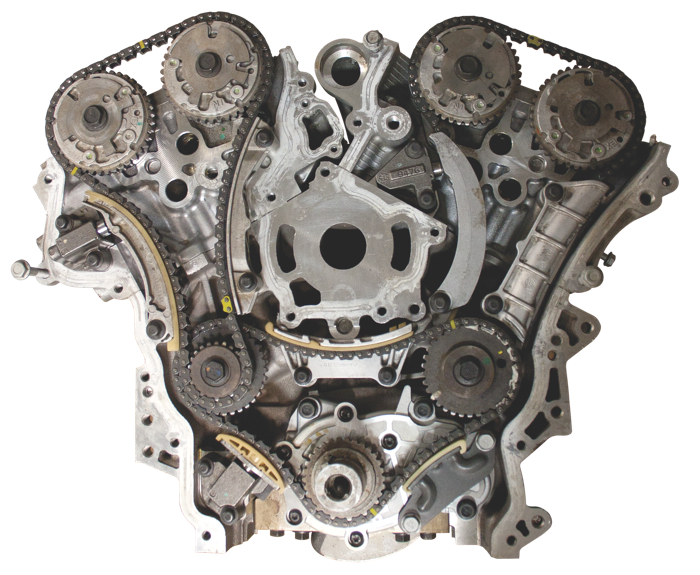
One of the most talked-about issues with the GM 3.6 V6 is timing chain wear and failure. This engine uses a timing chain instead of a belt, which should, in theory, last the life of the engine. However, many owners have experienced chain stretch or failure much earlier than expected—sometimes before 100,000 miles.
What happens? As the timing chain stretches, the engine’s timing becomes inaccurate. This can cause a rough idle, poor acceleration, or even engine misfires. If the chain jumps teeth or breaks, serious engine damage may occur, sometimes requiring a complete rebuild.
Why does it happen? The main reason is oil-related. If oil changes are delayed, or the engine uses low-quality oil, the tensioners and guides can fail, speeding up chain wear. Some early GM 3.6 V6 engines had poorly designed chain tensioners that wore out quickly.
How to spot the problem: Listen for rattling noises at startup, check-engine lights, or trouble codes like P0008, P0016, or P0017. These codes indicate the timing is off.
Prevention: Use high-quality synthetic oil and change it regularly—more often than the factory recommendation if you do a lot of city driving. Some mechanics suggest every 5,000 miles.
Timing Chain Failure Data
Here’s how the timing chain issue compares to other common engine problems in frequency (per 100 GM 3.6 V6 engines):
| Problem | Engines Affected | Average Repair Cost |
|---|---|---|
| Timing Chain Failure | 18% | $1,500–$2,500 |
| Oil Consumption | 10% | $600–$1,000 |
| Water Pump Leak | 8% | $400–$900 |
Excessive Oil Consumption
Another common complaint is high oil consumption. Owners notice that their oil level drops between changes, even when there are no visible leaks.
What causes it? The GM 3.6 V6 uses low-tension piston rings for better fuel economy, but these can let oil slip past and burn in the cylinders. Worn valve seals or stuck piston rings (from infrequent oil changes) can make it worse.
Signs to watch: You may see the oil light come on, or smell burning oil from the exhaust. Checking the dipstick regularly is important—letting the oil get too low can ruin the engine.
What can you do? Change your oil often and use the recommended viscosity. Some owners find that switching to a high-mileage or synthetic blend oil helps. If the problem is severe, a mechanic may need to clean or replace piston rings and valve seals.
A non-obvious insight: Even if the oil consumption seems minor, running low even once can speed up timing chain problems or cause camshaft wear. Always keep oil at the correct level.
Water Pump Failure
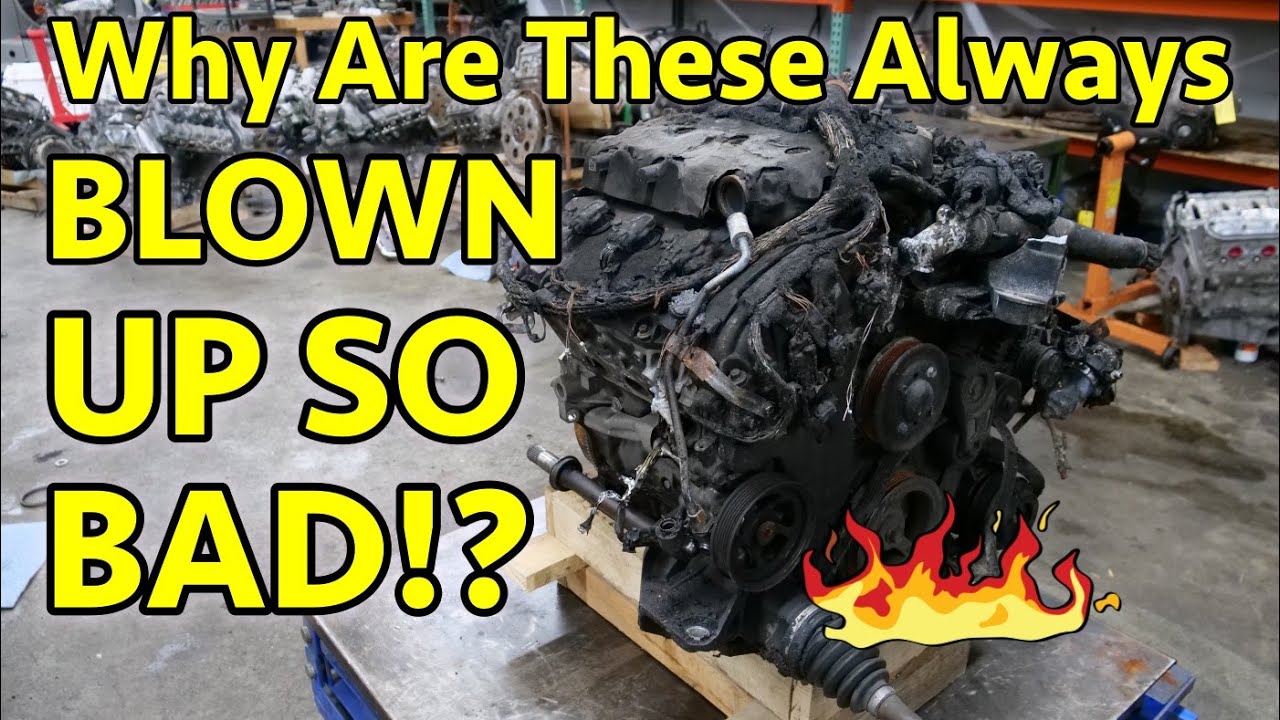
Water pump leaks are another issue that can lead to overheating and engine damage if ignored. The water pump circulates coolant through the engine to keep it at the right temperature.
Why does it fail? The GM 3.6 V6 water pump uses a seal that can wear out, especially if the coolant is not changed often or the engine overheats. Leaks may start small but can get worse quickly.
Warning signs: Puddles of coolant under the car, high engine temperature, or a sweet smell under the hood are common clues. Sometimes, you’ll see steam from the radiator area.
Prevention and repair: Replace coolant at least every 5 years or 100,000 miles, whichever comes first. If you see leaks, replace the pump promptly—driving with low coolant can warp the cylinder heads.
Water Pump Problem Comparison
Here’s how the GM 3.6 V6 compares to similar engines for water pump failure:
| Engine Model | Common Water Pump Failure Mileage | Repair Difficulty |
|---|---|---|
| GM 3.6 V6 | 60,000–100,000 | Moderate |
| Ford 3.5 V6 | 80,000–120,000 | Moderate |
| Toyota 3.5 V6 | 100,000–150,000 | Easy |
Stretched Camshaft Actuators
The GM 3.6 V6 features variable valve timing (VVT) for better performance and efficiency. This system uses camshaft actuators, which adjust the timing of the valves. Unfortunately, the actuators can fail, especially when oil quality is poor.
What happens? If an actuator stretches or sticks, you might notice rough idling, hesitation, or lower gas mileage. A check engine light will usually appear, sometimes with codes P0011 or P0014.
Root cause: Dirty or old oil is the main culprit. The tiny oil passages that control the actuators can get clogged, causing slow or failed response.
How to avoid it: Regular oil changes are crucial. If you buy a used GM 3.6 V6, ask for proof of good maintenance. If the actuators fail, they’re not cheap to replace—so prevention is key.
A practical tip: If you notice power loss at certain RPMs or roughness only when the engine is hot, camshaft actuator issues are likely.
Pcv System Issues
The Positive Crankcase Ventilation (PCV) system helps remove engine gases and reduce emissions. In the GM 3.6 V6, the PCV system can clog, especially in cold climates or with infrequent oil changes.
Symptoms: Blue smoke from the exhaust, rough idle, and increased oil consumption. Sometimes, the engine may stall or run poorly.
Why it happens: The PCV orifice can freeze or get blocked by sludge, sending oil into the intake. This not only burns oil but can damage the catalytic converter over time.
Prevention: Keep up with oil changes and use the right oil. In very cold regions, letting the engine warm up gently helps prevent condensation and sludge.
A non-obvious insight: If you replace the PCV valve, always check the related hoses and orifices. A clogged passage can make a new valve fail quickly.
Thermostat Failure
A less dramatic but still important issue is thermostat failure. The thermostat controls coolant flow and helps the engine warm up quickly. On the GM 3.6 V6, thermostats can stick open (engine runs too cool) or closed (engine overheats).
What to look for: If your temperature gauge takes forever to rise, or you notice poor heat from the vents in winter, the thermostat may be stuck open. If it’s stuck closed, the engine can overheat quickly, risking damage.
Why does it happen? Over time, the thermostat’s spring or seal fails, often because of old coolant or debris.
Repair: Thermostat replacement is usually affordable, but ignoring the problem can cause head gasket failure. If you replace the thermostat, flush the coolant to remove debris.
Thermostat Failure Data
A quick look at average thermostat lifespan and replacement costs for several V6 engines:
| Engine | Average Thermostat Life (miles) | Replacement Cost |
|---|---|---|
| GM 3.6 V6 | 70,000–110,000 | $250–$500 |
| Honda 3.5 V6 | 100,000–140,000 | $180–$400 |
| Nissan 3.5 V6 | 80,000–130,000 | $220–$450 |
Carbon Buildup
Finally, carbon buildup inside the intake valves and ports is a known problem for the GM 3.6 V6, especially in direct-injection versions. Over time, soot and carbon accumulate, affecting airflow and engine performance.
Symptoms: You may notice rough idle, hesitation, lower fuel economy, or even misfires. The check engine light might come on, with codes related to misfires or fuel trim.
Why it happens: Unlike older engines, direct injection sprays fuel directly into the cylinder, so the intake valves don’t get “washed” with gasoline. Oil vapor from the PCV system sticks to the valves, and carbon builds up.
Prevention and cleaning: Using high-quality fuel and following oil change intervals helps. For engines with heavy buildup, a professional cleaning called walnut blasting removes the deposits.
A practical insight: Adding a catch can to the PCV system can capture oil vapor before it reaches the intake, slowing down carbon buildup.
Frequently Asked Questions
What Years Of The Gm 3.6 V6 Are Most Affected By Timing Chain Problems?
The 2007–2013 GM 3.6 V6 engines are most likely to have early timing chain issues. GM improved the design in later years, but regular oil changes remain critical for all models.
How Can I Tell If My Gm 3.6 V6 Is Burning Oil?
Watch for low readings on the oil dipstick, blue smoke from the exhaust, or the oil pressure warning light. Checking your oil every 1,000 miles is a good habit, especially for higher-mileage engines.
Is Water Pump Failure Covered Under Gm’s Powertrain Warranty?
In many cases, yes—if the vehicle is still within the 5-year/60,000-mile powertrain warranty. Always check with your dealer for your specific coverage and keep records of all maintenance.
What Are Signs Of A Bad Camshaft Actuator?
Rough idle, loss of power, check engine light (often with P0011 or P0014 codes), and increased fuel consumption are common symptoms. The problem usually gets worse over time.
Is The Gm 3.6 V6 A Reliable Engine Overall?
With proper maintenance—especially regular oil and coolant changes—the GM 3.6 V6 can run well for over 200,000 miles. Most major problems can be prevented or caught early. For more technical details, see this Wikipedia page.
The GM 3. 6 V6 is a modern, powerful engine with lots of good qualities, but it does have a few weak spots. If you stay on top of maintenance and watch for early signs of trouble, you can avoid expensive repairs and enjoy many miles of driving.
Knowing these six common problems—and how to address them—gives you an edge as an informed car owner.