
Many people walk into their home and suddenly notice a sharp, chemical smell. It’s strong, like nail polish remover, and unpleasant. This odor can be alarming, especially if you haven’t used nail polish remover recently. Why does your house smell like nail polish remover? Is it dangerous? Is it a sign of something serious?
A home that smells like nail polish remover isn’t just annoying; it could mean hidden problems. Sometimes, it’s a simple issue like spilled acetone. Other times, it can signal gas leaks, mold, or even health risks. If you’re worried, you’re not alone.
Many homeowners face this mystery, and understanding the cause is the first step to fixing it.
In this guide, you’ll learn the most common reasons for this smell, how to find the source, and what to do next. You’ll also discover tips for removing the odor and keeping your home safe. Whether you’re a renter, homeowner, or just visiting, this article will help you take control and breathe easier.
Why Does My House Smell Like Nail Polish Remover?
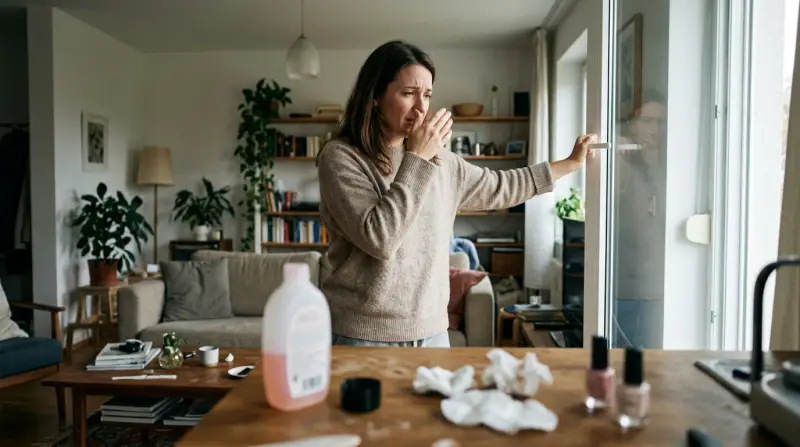
The scent of nail polish remover is sharp, sweet, and chemical. Most nail polish removers contain acetone, which is a clear, volatile liquid used to dissolve nail polish. Acetone has a distinct smell that’s hard to miss. But if you haven’t used nail polish remover, where does this odor come from?
Common Sources Of Acetone-like Smells
Spilled Nail Polish Remover Or Nail Products
If you use nail products, sometimes a spill or leftover cotton pad can cause the smell to linger. Acetone evaporates quickly, but small amounts can stick around.
Cleaning Supplies And Chemicals
Many cleaning products contain solvents similar to acetone. If you’ve recently cleaned with strong chemicals, the smell may be left over.
Paints, Paint Thinners, And Adhesives
Some paints and thinners include acetone or similar substances. Renovation work, art supplies, or home repairs can release these odors.
Refrigerant Leaks
A surprising source is refrigerant leaks from fridges, freezers, or air conditioners. Some refrigerants release a smell like nail polish remover when they leak.
Sewer Gas Or Plumbing Issues
Broken pipes or faulty traps can let sewer gas into your home. Sometimes, this gas smells sweet or chemical, similar to acetone.
Mold Or Bacteria
Certain molds and bacteria produce volatile organic compounds (VOCs). These compounds can smell like nail polish remover or paint thinner.
Gas Leaks
While natural gas is odorless, additives give it a smell. In rare cases, a gas leak can resemble acetone’s scent.
Medical Or Biological Causes
People with certain medical conditions, such as diabetes, can produce acetone in their breath or urine. This is rare but possible if someone in your home is ill.
Why Is Acetone Smell So Noticeable?
Acetone evaporates fast and spreads through the air easily. Even a small amount can fill a room. The human nose is sensitive to this smell, so it stands out quickly.
Data: Common Household Sources Of Acetone-like Odors
| Source | Smell Strength | Duration | Risk Level |
|---|---|---|---|
| Nail polish remover | High | Short | Low |
| Cleaning chemicals | Medium | Medium | Medium |
| Refrigerant leak | Medium | Long | High |
| Mold growth | Low | Long | High |
| Sewer gas | Medium | Long | High |
How To Identify The Source Of The Nail Polish Remover Smell
Finding the cause of a chemical smell in your house takes patience and careful checking. Rushing can lead to missed clues or unnecessary worry.
Step-by-step Guide
Check For Nail Products And Spills
Look for nail polish remover bottles, nail polish, or cotton pads. Even a small spill can create a strong smell.
Review Recent Cleaning
Think about recent cleaning. Did you use any strong cleaners or solvents? Check for open bottles, spills, or damp rags.
Inspect Paints, Thinners, And Adhesives
If you recently painted or repaired something, check storage areas. Sometimes, containers leak or aren’t sealed well.
Check Appliances For Leaks
Go to your refrigerator, freezer, and air conditioner. Listen for hissing sounds, check for oily residue, and smell around the back and sides.
Look For Plumbing Problems
If the smell is near sinks, toilets, or drains, it could be a plumbing issue. Run water in all drains. If the smell gets stronger, check for leaks or dry traps.
Search For Mold And Damp Areas
Look for water stains, peeling paint, or damp spots. Mold often grows in hidden places like behind walls or under floors.
Ask About Health Issues
If the smell seems to come from a person or pet, consider medical causes. This is rare but can happen.
Check For Gas Leaks
If you suspect a gas leak, leave the house and call your gas company. Gas leaks are serious and can be dangerous.
Practical Tips For Locating The Source
- Use your nose, but also look for visual clues.
- Check rooms one by one, starting where the smell is strongest.
- Open windows to see if the smell fades. If it stays, it’s likely a persistent source.
- Don’t forget closets, basements, and storage areas.
- If you can’t find the cause, consider calling a professional.

Health Risks Linked To Acetone-like Odors In Your Home
Breathing in acetone or similar chemicals isn’t always safe. The risks depend on the cause, how strong the smell is, and how long you’re exposed.
Short-term Effects
- Headache
- Dizziness
- Nausea
- Throat and eye irritation
These symptoms usually go away when you leave the area or air it out.
Long-term Effects
- Respiratory problems
- Skin irritation
- Fatigue
- In rare cases, organ damage
Long exposure to chemical smells can be harmful, especially for children, elderly, or people with asthma.
Specific Risks By Source
Nail Polish Remover And Cleaning Products
Most household products are safe in small amounts. However, acetone can irritate your skin and lungs if you breathe it for a long time.
Refrigerant Leaks
Some refrigerants are toxic. If you suspect a leak, don’t try to fix it yourself. Exposure can cause serious health issues.
Sewer Gas
Sewer gas contains hydrogen sulfide, methane, and other chemicals. Breathing these gases is dangerous and can lead to poisoning.
Mold
Mold produces mycotoxins and VOCs. These can cause allergies, asthma, and even neurological symptoms in severe cases.
Data: Health Risk Comparison
| Source | Health Risk | Common Symptoms | Action Needed |
|---|---|---|---|
| Nail polish remover | Low | Headache, nausea | Ventilate |
| Refrigerant leak | High | Dizziness, breathing issues | Call technician |
| Sewer gas | High | Fatigue, poisoning | Call plumber |
| Mold | Medium | Allergy, asthma | Remove mold |
Non-obvious Health Insights
- Children and pets are more sensitive to chemical odors. Even if adults feel fine, young ones can show symptoms first.
- If you notice the smell only at certain times (like after turning on appliances or after rain), the source might be hidden and more dangerous.
What To Do If Your House Smells Like Nail Polish Remover
Once you’ve found the source, act quickly to remove the smell and protect your health. The right steps depend on the cause.
Immediate Actions
- Ventilate The Area: Open windows and doors. Use fans to blow air outside.
- Remove The Source: Throw away spilled nail products, rags, or cleaners. Seal paint and solvent containers tightly.
- Clean Surfaces: Wipe up spills with soap and water. Don’t use harsh chemicals unless needed.
- Check Appliances: If you suspect a refrigerant leak, unplug the appliance and call a technician.
- Address Plumbing Problems: Run water in all drains to fill traps. If the smell stays, call a plumber.
- Remove Mold: Clean small mold patches with bleach or vinegar. For large areas, call a mold removal expert.
- Seek Medical Advice If Needed: If someone feels sick or you suspect a medical cause, contact a doctor.
When To Call A Professional
- If the smell is strong, persistent, or gets worse
- If you suspect a gas or refrigerant leak
- If you find mold covering more than 10 square feet
- If you can’t find the source after checking everything
Common Mistakes To Avoid
- Ignoring the smell or hoping it goes away
- Using strong air fresheners (they only cover the smell)
- Trying to fix gas or refrigerant leaks yourself
- Not checking hidden areas like crawl spaces or attics

How To Remove Nail Polish Remover Smell From Your Home
Getting rid of the chemical odor takes more than just airing out your house. Here are practical steps:
Ventilation
- Open windows in every room.
- Use ceiling fans and portable fans.
- If possible, create a cross-breeze.
Deep Cleaning
- Wash surfaces with soap and water.
- Clean carpets, curtains, and furniture.
- Use baking soda on carpets to absorb odors.
- Mop floors with a mixture of water and white vinegar.
Odor Absorbers
- Place bowls of baking soda, activated charcoal, or coffee grounds in the affected area.
- Leave them overnight to soak up smells.
Air Purifiers
- Use HEPA air purifiers to remove VOCs and particles.
- Change filters regularly for best results.
Replace Filters
- Change HVAC, furnace, and air conditioner filters.
- Dirty filters can hold and spread chemical smells.
Data: Odor Removal Methods Comparison
| Method | Effectiveness | Cost | Time Required |
|---|---|---|---|
| Ventilation | High | Low | 1–2 hours |
| Baking soda | Medium | Low | 8–12 hours |
| Air purifier | High | Medium | 2–4 hours |
| Deep cleaning | High | Medium | 2–6 hours |
Non-obvious Odor Removal Tips
- Don’t forget to clean under furniture and inside closets. Smells can hide in fabric and dust.
- If you have pets, wash their bedding and toys. Chemical odors can stick to porous materials.
Preventing Nail Polish Remover Smell In The Future
Prevention is easier than dealing with a persistent chemical smell. Follow these steps to avoid problems:
Store Chemicals Properly
- Keep nail products, cleaners, and solvents in sealed containers.
- Store them in cool, dry places away from children and pets.
Regular Home Maintenance
- Check appliances for leaks every 6 months.
- Clean drains and run water in unused sinks weekly.
- Inspect for mold in damp areas after heavy rain.
Improve Indoor Air Quality
- Use air purifiers and ventilate often.
- Avoid using harsh chemicals unless necessary.
- Choose low-VOC paints and cleaners.
Schedule Professional Checks
- Have your HVAC, plumbing, and appliances checked by a technician yearly.
- If you’re renting, ask your landlord for regular inspections.
Practical Example
Imagine you spilled nail polish remover in your bathroom. You cleaned the floor, but the smell stayed. After checking, you found a cotton pad under the sink. Removing it and airing out the room solved the problem.
But if you smell acetone near your fridge and it doesn’t fade, you may have a refrigerant leak. Call a technician right away; don’t try to repair it yourself.
When Is The Smell Dangerous?
Sometimes, the smell is just annoying. Other times, it’s a warning sign.
Warning Signs To Watch For
- The smell is strong, doesn’t fade, or gets worse
- You feel sick: Headaches, dizziness, trouble breathing
- You find leaks, mold, or plumbing problems
- The smell is near appliances or gas lines
- Pets or children are affected
If any of these happen, take action quickly.
What Experts Say
According to the Centers for Disease Control and Prevention, strong chemical smells can signal dangerous air quality. Long exposure to VOCs and gases can harm your health. Always investigate unknown odors and fix problems fast.
Real-life Examples Of Houses Smelling Like Nail Polish Remover
Example 1: Nail Product Spill
A college student spilled nail polish remover behind her dresser. She cleaned the visible spill, but the smell lingered for days. After moving the dresser, she found a soaked carpet patch. Cleaning and airing out solved the problem.
Example 2: Hidden Mold
A family noticed a sweet chemical smell in their basement. No nail products were present. After searching, they found mold behind a wall due to a slow leak. Removing the mold and fixing the plumbing stopped the odor.
Example 3: Refrigerant Leak
A couple smelled acetone near their fridge. The odor was strongest after running the ice maker. A technician found a refrigerant leak. Repairing the fridge removed the smell and protected their health.
Example 4: Sewer Gas Issue
A homeowner smelled chemical odors near the bathroom. Running water in the sink made it worse. A plumber found a dry trap and fixed it. The smell vanished.
Example 5: Medical Cause
In rare cases, a diabetic person’s breath can smell like acetone. A family noticed this and sought medical help. Treating the illness stopped the odor.
Frequently Asked Questions
What Causes A House To Smell Like Nail Polish Remover?
The most common cause is acetone from nail polish remover or nail products. Other sources include cleaning chemicals, refrigerant leaks, mold, sewer gas, and even medical issues.
Is The Smell Dangerous?
It depends on the source. Small spills are usually safe. But strong, persistent smells from leaks, mold, or sewer gas can be dangerous. If you feel sick or the smell doesn’t fade, act fast.
How Can I Find The Source Of The Smell?
Start by checking for nail products and spills. Look at cleaning supplies, paint, and adhesives. Inspect appliances and plumbing. Search for mold and ask about health issues. If you can’t find it, call a professional.
What Should I Do To Remove The Smell?
Ventilate your home, clean surfaces, use odor absorbers like baking soda, and check appliances and plumbing. If the smell stays, get expert help.
How Can I Prevent This Smell In The Future?
Store chemicals safely, check appliances and plumbing regularly, clean drains, and improve air quality. Yearly professional inspections help catch problems early.
Takeaway
A house that smells like nail polish remover is more than a minor nuisance. It’s a sign to investigate and protect your health. While the cause is often harmless, it can point to hidden leaks, mold, or even medical issues.
By following the steps in this guide, you can find the source, fix the problem, and keep your home safe.
Don’t ignore unexplained chemical odors. Take action, ask for help if needed, and keep your living space healthy and comfortable. If you want more information about indoor air quality and health risks, visit the CDC Healthy Homes page.
Remember, your nose knows. If you smell nail polish remover and can’t find the cause, trust your instincts, investigate, and act. Your home—and your health—are worth it.