
Keeping your Frigidaire ice maker clean is one of the best ways to ensure your ice tastes fresh and your machine runs smoothly. Many people forget that ice makers need regular care, just like any kitchen appliance. Over time, minerals from water, dust, and even small food bits can build up inside your machine. This can lead to cloudy, odd-tasting ice—or worse, a machine that stops working. Cleaning your ice maker isn’t difficult, but it does require a few careful steps. By learning how to clean your Frigidaire ice maker the right way, you’ll save money, avoid repairs, and enjoy crisp, clean ice every day.
Why Regular Cleaning Matters
Most Frigidaire ice makers use tap water, which often contains minerals and impurities. As water freezes and melts, these minerals can collect on the machine’s internal parts. This build-up is called “scaling.” Over time, scaling can block water flow, make your ice cloudy, or even cause the unit to break down. In fact, according to appliance experts, regular cleaning can extend the life of your ice maker by up to 40%.
Besides scaling, mold and bacteria can also grow in moist environments. Dirty ice makers can sometimes give off a bad smell or taste. If you notice your ice smells odd or melts quickly, it’s probably time for a cleaning.
When To Clean Your Frigidaire Ice Maker
Most manufacturers recommend cleaning your ice maker every three to six months. However, you may need to clean more often if:
- Your water is hard (contains lots of minerals)
- You use the ice maker heavily, such as in a large family or small business
- The ice tastes or smells strange
If you see white powdery deposits, notice cloudy ice, or hear the machine working harder than usual, these are also signs you should clean it soon.
Gathering The Right Supplies
Before you start, it helps to have everything ready. Here’s what you’ll need:
- Soft sponge or cloth
- Warm water
- Mild dish soap (avoid harsh chemicals)
- White vinegar or a commercial ice machine cleaner
- Small soft brush (like a toothbrush)
- Towel for drying
- Gloves (optional, for sensitive skin)
For some Frigidaire models, you may also need a screwdriver to open certain parts. Always check your user manual for any special instructions or warnings.
Preparing The Ice Maker For Cleaning
Safety is the first step. Unplug the ice maker or turn off its power supply. This prevents any electrical accidents and allows the machine to defrost. If your unit is built into your fridge, you may need to unplug the entire appliance.
Next, remove all ice from the bin. Throw away any ice, as it may contain dirt or cleaning chemicals. If there’s a lot of ice stuck together, let it melt naturally or use warm water to speed up the process.
Step-by-step Cleaning Process
Disassemble Removable Parts
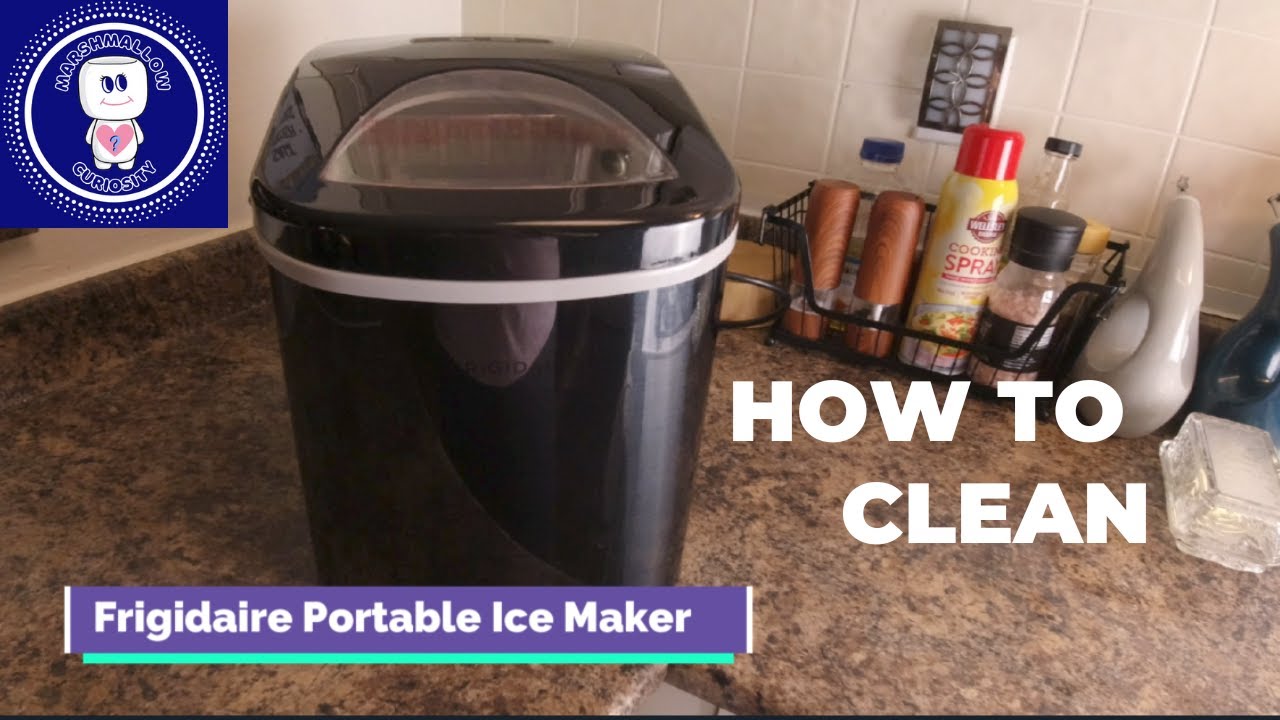
Most Frigidaire ice makers have parts you can take out, such as the ice bin, water reservoir, and sometimes the ice scoop or tray. Remove these carefully. If you’re unsure which parts are removable, check the manual or look for small release buttons.
Clean Removable Parts
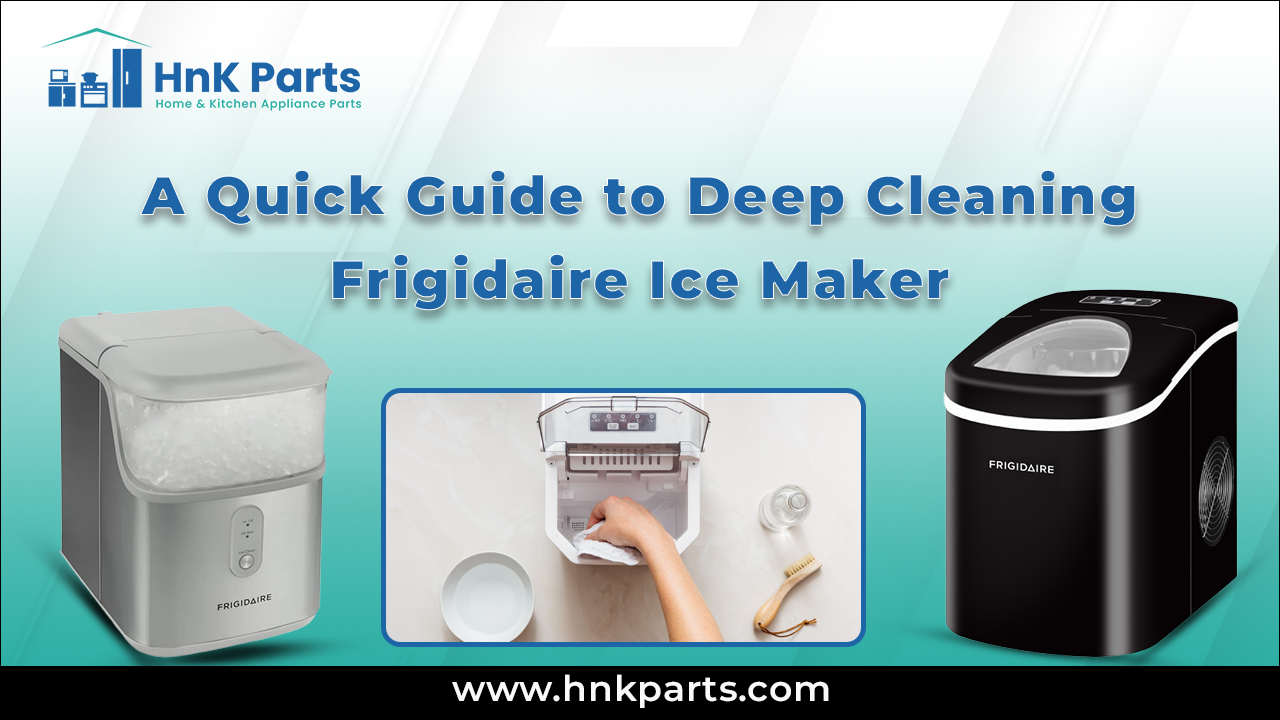
Wash the ice bin and other removable parts with warm, soapy water. Use a soft sponge to avoid scratching plastic. Rinse thoroughly to remove all soap. For extra freshness, you can wipe down with a mix of one part vinegar to three parts water, then rinse again.
Wipe Down The Interior
With the removable parts out, look inside the ice maker. Use a damp cloth or sponge with mild soap to clean the walls, corners, and any visible surfaces. For stubborn spots or mineral build-up, a soft toothbrush works well.
If you see white chalky deposits, they’re likely mineral scale. Wipe these areas with a solution of one part vinegar to one part water. Vinegar helps break down minerals safely.
Clean The Water Lines (if Applicable)
Some Frigidaire models have water lines you can access. If you notice poor ice production or strange-tasting ice, it may help to flush these lines. Fill the reservoir with a vinegar-water mix (1:1 ratio) and run the ice cycle once. Discard all ice made during this cycle. Then, run two cycles with plain water to rinse out any remaining vinegar.
Reassemble And Dry
After cleaning, dry all parts with a towel. Make sure everything is completely dry before putting it back in place. This helps prevent mold growth.
Plug In And Restart
Once you’ve reassembled the machine, plug it back in or turn on the power. Let the ice maker run for one or two cycles, then discard the first batch of ice to ensure no cleaner or vinegar remains.
How To Deep Clean For Tough Build-up
Sometimes regular cleaning isn’t enough. If you’ve never cleaned your ice maker before, or if there is heavy scaling, a deep clean may be needed. Here’s how to handle tough build-up:
- Use a commercial ice machine cleaner, which is stronger than vinegar but safe for appliances. Follow the instructions on the package closely.
- Soak removable parts in the cleaner for 10–15 minutes, then rinse well.
- For very hard deposits, let vinegar sit on the area for 5–10 minutes before scrubbing.
- Avoid using metal brushes or abrasive pads, as these can damage plastic and metal surfaces.
Comparing Cleaning Solutions
It’s important to choose the right cleaning solution. Here’s a comparison between vinegar, dish soap, and commercial cleaners:
| Solution | Effectiveness | Safety | Cost | Smell |
|---|---|---|---|---|
| White Vinegar | Good for mineral build-up | Very safe, non-toxic | Low | Mild, fades quickly |
| Mild Dish Soap | Good for general cleaning | Very safe | Low | Neutral |
| Commercial Cleaner | Excellent for tough build-up | Safe if used as directed | Medium to high | Some chemical odor |
For most people, vinegar and dish soap are enough. Only use commercial cleaners if you have tough scale or mold.
Signs Your Ice Maker Needs Cleaning
It’s not always obvious when to clean. Besides regular maintenance, watch for these warning signs:
- Cloudy or small ice cubes
- Strange odors or tastes
- Decreased ice production
- Visible dirt or mold inside
- White or green residue
These symptoms mean it’s time for a thorough cleaning.
Mistakes To Avoid When Cleaning
Many people make simple errors that can damage their ice maker or leave it less clean. Avoid these common mistakes:
- Using bleach or harsh chemicals, which can damage parts and leave harmful residue
- Scrubbing with steel wool or abrasive pads
- Skipping the rinse step, which can leave soap or vinegar taste in your ice
- Not drying parts fully before reassembly, which encourages mold growth
Maintenance Tips For Long-lasting Performance
Regular cleaning is just one part of keeping your ice maker in top shape. Here are more tips to help your Frigidaire ice maker last longer:
- Use filtered water – This reduces minerals and keeps ice clear.
- Empty the ice bin if you’re not using ice often. Old ice absorbs freezer smells.
- Check the water filter every six months. A clogged filter affects ice quality.
- Keep the freezer temperature at 0°F (-18°C) for best ice production.
- Wipe spills quickly to prevent sticky residue in and around the ice maker.
Comparing Manual Vs. Self-cleaning Models
Some newer Frigidaire ice makers offer a self-cleaning function. Here’s how manual cleaning compares to automatic cleaning:
| Cleaning Method | Effort Required | Effectiveness | Best For |
|---|---|---|---|
| Manual Cleaning | High | Thorough, can remove tough build-up | Older models, heavy use, visible build-up |
| Self-Cleaning | Low | Good for regular upkeep, not for heavy scale | Modern models, light to moderate use |
Even with a self-cleaning feature, you should still check and clean removable parts by hand every few months.
Real-world Example: Cleaning Frequency And Results
A family of four using their Frigidaire ice maker daily may notice cloudy ice after just two months. After cleaning with vinegar and soap, ice cubes become clearer and the machine works quieter. In another case, a small office noticed a musty smell after six months of heavy use.
A deep clean removed the odor, and the ice maker produced more ice per day.
What Most People Miss When Cleaning
Many beginners forget to clean the ice chute and the water reservoir. These areas are easy to overlook but can collect dirt and mold quickly. Another missed spot is under the ice bin, where water can pool and cause odors. Take a few extra minutes to check these hidden areas.
Also, some people forget to discard the first batch of ice after cleaning. This is important because it can contain traces of cleaner or vinegar.
Trusted Resources For More Information
For more details on safe cleaning solutions, the U.S. Environmental Protection Agency (EPA) offers guidelines on food-safe cleaners. You can find more at EPA Safe Pest Control.
Frequently Asked Questions
How Often Should I Clean My Frigidaire Ice Maker?
Most people should clean their ice maker every 3–6 months. If you use it heavily or notice changes in taste, clean it more often.
Can I Use Bleach To Clean My Ice Maker?
It’s best to avoid bleach. Even small traces left behind can affect ice taste and may not be food-safe. Stick with vinegar, mild soap, or a cleaner made for ice machines.
Why Does My Ice Smell Funny After Cleaning?
If your ice smells odd after cleaning, you may not have rinsed out all the soap or vinegar. Run two cycles with plain water and discard the ice before using the machine again.
What Happens If I Don’t Clean My Ice Maker?
Dirt and mineral build-up can make ice taste bad, slow down production, or cause the machine to break. Regular cleaning prevents these problems and extends your machine’s life.
Are Commercial Ice Machine Cleaners Safe For Home Use?
Yes, as long as you follow the instructions. Choose a cleaner labeled for home appliances and always rinse thoroughly after use.
Keeping your Frigidaire ice maker clean is simple but vital. With regular care, you’ll avoid strange flavors, slow production, and costly repairs. By following these steps, you’ll enjoy fresh, clean ice whenever you need it.