
When your humidifier stops misting, it can feel frustrating—especially if you rely on it for comfort or health. Dry air makes your skin itchy, worsens coughs, and even damages wooden furniture. But when a humidifier runs without producing mist, you lose all those benefits. The good news is: this problem is usually fixable at home with a little knowledge and the right steps. Let’s dive into why your humidifier isn’t misting and how to get it working again.
Common Reasons A Humidifier Is Not Misting
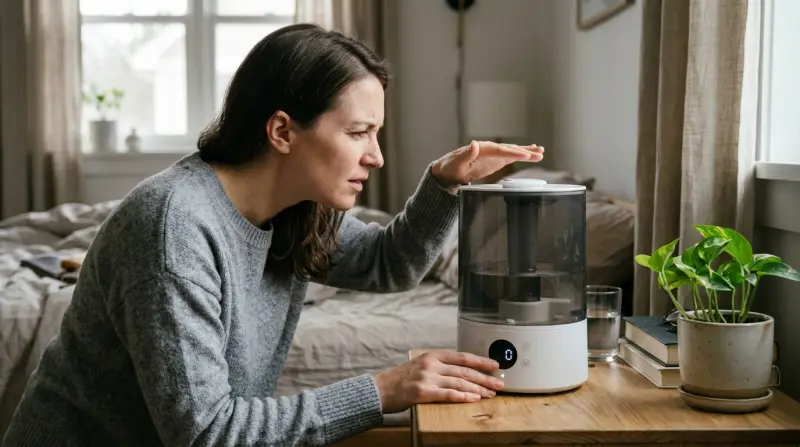
Several things can make a humidifier stop producing mist. Understanding these common causes helps you solve the issue faster.
- Empty Water Tank: The most obvious reason is sometimes overlooked. Without water, your humidifier cannot make mist.
- Mineral Buildup: Tap water leaves behind minerals inside your machine. Over time, these deposits clog the parts that create mist.
- Dirty Filter or Wick: Many humidifiers have a filter or wick. When it’s dirty or old, mist production slows or stops.
- Malfunctioning Ultrasonic Plate: Ultrasonic humidifiers use a small vibrating plate. If it’s dirty or faulty, no mist appears.
- Blocked Nozzle or Outlet: Dust, minerals, or even mold can block the nozzle where mist comes out.
- Incorrect Settings: Some units have adjustable mist levels or timers. If set incorrectly, you might think the machine is broken.
- Power Issues: Faulty plugs, dead outlets, or loose wires can stop a humidifier from working.
- Overfilled or Underfilled Tank: Many models need a certain water level. Too much or too little water can trigger safety shut-offs.
- Room Temperature: If the room is too cold, some humidifiers struggle to make visible mist.
- Component Failure: Sometimes, an internal part like a fan or circuit fails—especially after years of use.
How Different Humidifier Types Mist
Humidifiers come in a few main types, and each produces mist in a different way. Knowing your model helps you troubleshoot better.
| Type | Misting Method | Common Issues |
|---|---|---|
| Ultrasonic | Vibrates water with a ceramic plate to make mist | Mineral buildup, plate failure |
| Evaporative | Fan blows air through a wet wick/filter | Dirty filter, weak fan |
| Steam/Vaporizer | Heats water to produce steam | Scale deposits, heating element failure |
| Impeller | Rotating disk flings water into droplets | Clogged disk, motor issues |
Ultrasonic humidifiers are popular because they’re quiet and energy-efficient, but they’re sensitive to mineral buildup. Evaporative models need regular filter changes. Steam types can stop working if hard water creates scale on the heating element. Each type needs a slightly different approach for troubleshooting.
Step-by-step Troubleshooting
If your humidifier is running but not misting, follow these steps to diagnose and fix the problem. You’ll need a soft brush, vinegar, and a few minutes.
1. Check Water Level And Placement
Always start with the basics. Ensure the tank is filled to the correct line—most units won’t work if underfilled or overfilled. Place the humidifier on a flat, stable surface. Many models have safety switches that won’t activate if tilted.
2. Inspect Power And Settings
Is the power cord firmly plugged in? Try another outlet to rule out electrical problems. Review the settings: is the mist output level high enough? Is there a timer or sleep mode that’s turned on?
3. Clean Mineral Buildup
Minerals from tap water often clog humidifiers. If you see white dust or rough patches, it’s time to clean.
- Unplug the unit and remove the tank.
- Mix equal parts white vinegar and water.
- Soak the base, nozzle, and any removable parts for 30 minutes.
- Use a soft brush to gently scrub buildup.
- Rinse thoroughly and air dry.
For ultrasonic models, gently wipe the ceramic plate with a cotton swab and vinegar solution. Never use sharp objects—they can damage the plate.
4. Replace Filter Or Wick
If your humidifier uses a filter or wick, check if it’s dirty, moldy, or discolored. Most filters need replacement every 1-2 months, depending on use and water quality. A clogged filter blocks mist and can even breed bacteria.
5. Examine The Nozzle And Mist Outlet
The small hole where mist exits can collect dust and minerals. If you see blockage, clear it gently with a toothpick or soft cloth. Be careful not to push debris further inside.
6. Test Room Conditions
A humidifier works best in normal room temperatures (60-75°F). If your space is very cold, mist may not be visible, or the unit may shut off. Try moving the humidifier to a warmer spot.
7. Reset Or Reassemble
Some newer models have reset buttons or need to be reassembled properly after cleaning. Check your user manual for reset instructions.
8. Look For Faulty Components
If you’ve tried everything and still no mist, a part may have failed. Common culprits include:
- Ultrasonic plate
- Fan (in evaporative models)
- Heating element (in steam models)
Replacement parts are sometimes available, but for budget models, repair may cost more than a new unit.
Preventing Future Misting Problems
Simple maintenance can keep your humidifier working well for years.
- Use Distilled Water: This prevents minerals from clogging your machine and leaves less dust in your room.
- Clean Weekly: Rinse and scrub all removable parts every week. Deep clean with vinegar monthly.
- Replace Filters Regularly: Mark your calendar and keep spares on hand.
- Store Dry: If you put your humidifier away for the season, dry all parts first to prevent mold.
- Monitor Humidity: Use a hygrometer to keep indoor humidity between 30-50%. Too much humidity encourages mold growth; too little makes the air uncomfortable.
- Ventilate the Room: Good airflow keeps the mist from settling and reduces risk of condensation.
Real-life Example: Fixing A Stubborn Ultrasonic Humidifier
Maria’s ultrasonic humidifier stopped producing mist after a few months. She checked the water level—full. The light was on, and the fan sounded normal. But the air stayed dry.
She noticed a white powder inside the tank and around the mist outlet. After unplugging the unit, she soaked the parts in vinegar and gently cleaned the ceramic plate with a cotton swab. When she reassembled the humidifier and refilled it with distilled water, the mist returned—stronger than before.
This story shows how regular cleaning, especially in hard-water areas, solves most problems.
Comparing Tap, Filtered, And Distilled Water For Humidifiers
Your choice of water affects both mist quality and maintenance needs.
| Water Type | Pros | Cons |
|---|---|---|
| Tap Water | Cheap, convenient | High mineral content, more cleaning needed |
| Filtered Water | Fewer minerals than tap water | Still leaves some deposits |
| Distilled Water | No minerals, best for humidifiers | More expensive, less convenient |
Distilled water is ideal, but if you use tap water, clean your humidifier more often to prevent clogs.
When To Repair Or Replace Your Humidifier
Not every humidifier is worth fixing. Here’s how to decide.
- Age of Humidifier: If it’s over 3-5 years old and the misting plate or motor fails, parts may be hard to find.
- Cost of Parts: Check the price of a new unit versus replacement parts.
- Recurring Issues: If you constantly battle clogs or leaks, a new humidifier saves time and hassle.
- Warranty Coverage: If under warranty, contact the manufacturer before trying to repair it yourself.
| Issue | Repairable? | Replace? |
|---|---|---|
| Mineral buildup | Yes, with cleaning | No |
| Broken ultrasonic plate | Sometimes (if part available) | Often best option |
| Burned-out motor | Rarely | Yes |
| Dirty filter | Yes, replace filter | No |
Two Key Insights Beginners Often Miss
- Humidity May Be High Even Without Visible Mist: Sometimes, a humidifier is working but you don’t see much mist. Use a hygrometer to check the actual humidity. If it’s already above 50%, the humidifier may cycle off automatically for safety.
- Water Quality Affects Air and Machine: Hard water not only damages the humidifier but can also spread mineral dust into your room. This fine powder settles on furniture and electronics. Using distilled water reduces this problem.

Safe Usage Tips
- Never add essential oils or aroma liquids unless your humidifier is designed for them. Oils can damage ultrasonic plates or filters and even void your warranty.
- Keep away from electronics and direct sunlight. Moisture can damage devices and cause uneven misting.
- Regularly check for mold or bacteria—especially if you or your family have allergies or asthma.
When To Call A Professional
If you’ve cleaned and checked everything but your humidifier still won’t mist, and it’s a high-end or medical-grade unit, contact a professional repair service or the manufacturer. For most home models, however, replacement is more cost-effective.
For more technical details about humidifier care and troubleshooting, see this Wikipedia article on humidifiers.

Frequently Asked Questions
Why Is My New Humidifier Not Misting?
New humidifiers sometimes have shipping locks or packing materials inside. Remove all stickers, protective films, and check the manual for setup instructions. Also, ensure you’ve added enough water.
How Often Should I Clean My Humidifier?
Clean your humidifier at least once a week. If you use tap water or run it daily, clean more often to prevent mineral buildup and bacteria growth.
Can I Use Tap Water In My Humidifier?
You can use tap water, but it increases the risk of mineral deposits and white dust. Distilled water is better for your humidifier’s lifespan and your indoor air quality.
Is It Safe To Run A Humidifier All Night?
Yes, running a humidifier all night is safe if you keep it clean and use it correctly. Avoid over-humidifying, as too much moisture encourages mold and dust mites.
My Humidifier Is Working But The Mist Is Not Visible. Why?
Not all humidifiers make visible mist, especially at lower settings or in warm rooms. Check the humidity with a hygrometer if the level is rising, your machine is working.
When your humidifier stops misting, it’s rarely the end of its life. With the right troubleshooting and care, you can restore its performance and enjoy comfortable, healthy air again. Regular maintenance and using the right water are your best tools for a long-lasting, reliable humidifier.
1 thought on “Humidifier Not Misting? Top Fixes to Restore Moisture Fast”