
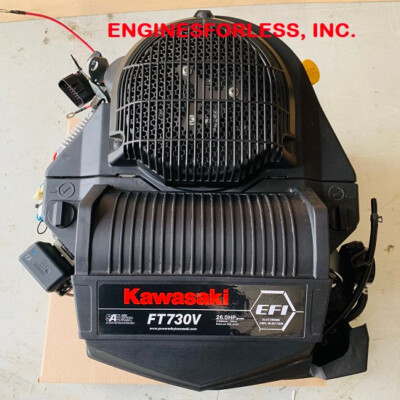
The Kawasaki FT730V EFI engine is a popular choice for commercial mowers and other heavy-duty equipment. It uses electronic fuel injection (EFI) technology, which improves fuel efficiency and performance. However, like any advanced engine, it sometimes faces unique problems that can affect reliability and operation. Owners and technicians often search for practical guidance to solve these issues quickly, especially when downtime means lost productivity.
Understanding the common problems of the Kawasaki FT730V EFI, their causes, and effective solutions can save both time and money. This guide will help you identify the most frequent difficulties, explain how EFI systems work, and provide clear troubleshooting advice.
We’ll also highlight mistakes beginners often make, show how this engine compares to others, and answer the most-asked questions.
How Efi Works In The Ft730v
The EFI system is the main difference between the FT730V and older carburetor models. Instead of mixing air and fuel mechanically, EFI uses sensors and a computer to deliver the right amount of fuel for each condition. This results in:
- Better fuel economy
- Smoother starting
- Lower emissions
- Improved power
The FT730V EFI has a throttle body, fuel injectors, an ECU (engine control unit), and several sensors (like temperature, oxygen, and crankshaft position). If any of these parts fail or give wrong readings, the engine can run poorly or not start.
Common Kawasaki Ft730v Efi Problems
The FT730V EFI is reliable, but certain problems come up more often. Here’s what owners and technicians encounter most:
- Hard Starting or No Start
- Often caused by sensor failures or weak battery.
- Rough Idle
- Can result from dirty injectors or faulty idle control.
- Loss of Power
- Sometimes due to clogged air filters or fuel supply issues.
- Surging or Hesitation
- Usually linked to air leaks or malfunctioning sensors.
- Engine Stalls
- May be caused by electrical issues or faulty fuel pumps.
- Check Engine Light
- Indicates the ECU has detected a problem.
These issues may overlap, so careful diagnosis is important.
Diagnosing Efi Problems
EFI engines use sensors and a computer, making diagnosis different from older engines. Here’s how to approach FT730V EFI trouble:
Visual Inspection
Start with a careful look at the engine. Check for:
- Loose wires
- Corroded connectors
- Damaged hoses
- Obvious leaks
Battery And Electrical
The EFI system depends on stable voltage. If the battery is weak, the ECU may malfunction. Always check:
- Battery voltage (should be above 12.5V)
- Ground connections
- Fuses
Sensor Testing
Sensors are common failure points. The most critical are:
- Crankshaft Position Sensor
- Throttle Position Sensor
- Oxygen Sensor
- Coolant Temperature Sensor
If a sensor fails, the engine may not start, or it may run poorly. Use a digital multimeter to check values against the manufacturer’s specs.
Efi Fault Codes
When the check engine light comes on, the ECU stores a fault code. Use a diagnostic scanner compatible with Kawasaki EFI. This tool will read the trouble codes and show which sensor or circuit is faulty.
Fuel System
Clogged injectors, blocked filters, or a weak fuel pump can cause many issues. Listen for the pump priming when you turn the key. If silent, check power to the pump and replace if needed.
Troubleshooting Steps
To fix FT730V EFI issues, follow a logical process:
- Check Battery and Connections
- Clean terminals and ensure strong voltage.
- Scan for Fault Codes
- Use a scanner to identify problems.
- Inspect Sensors
- Test with a multimeter and replace if needed.
- Clean Fuel System
- Replace filters, clean injectors, and check pump operation.
- Check for Air Leaks
- Inspect intake hoses and throttle body for cracks or loose fittings.
- Reset ECU
- Sometimes, clearing codes or resetting the ECU solves minor issues.
Many beginners skip the battery check, but low voltage is a common hidden cause.

Comparison: Efi Vs Carburetor Engines
To understand the FT730V EFI’s challenges, compare it to older carburetor models:
| Feature | EFI (FT730V) | Carburetor |
|---|---|---|
| Fuel Efficiency | Higher | Lower |
| Cold Starting | Easy | Harder |
| Maintenance | Requires electronics | Mechanical only |
| Emissions | Lower | Higher |
| Troubleshooting | Needs scanner | Manual checks |
EFI gives clear advantages, but troubleshooting can be more complex and needs special tools.
Data: Ft730v Efi Reliability
Owners report high satisfaction with the FT730V EFI, but some issues are more common after 300–500 hours of use. Here’s a summary of reported problems:
| Problem | % of Owners Reporting | Typical Solution |
|---|---|---|
| Hard Starting | 18% | Replace battery/sensor |
| Rough Idle | 12% | Clean injectors |
| Loss of Power | 9% | Replace air filter |
| Stalling | 7% | Repair electrical |
Most issues are solved with basic maintenance and sensor replacement.

Preventive Maintenance Tips
To avoid most FT730V EFI problems, follow these tips:
- Change the air filter every 100 hours.
- Replace the fuel filter every 200 hours.
- Clean injectors yearly.
- Check battery and charging system every season.
- Inspect wiring and connectors regularly.
Neglecting these steps often leads to preventable engine trouble.
Practical Example: Solving A No-start Problem
Suppose your FT730V EFI won’t start. Here’s a step-by-step approach:
- Check Battery Voltage
- If below 12.5V, charge or replace.
- Listen for Fuel Pump
- If silent, test for power and check fuse.
- Scan for Codes
- If code shows crankshaft sensor fault, test and replace sensor.
- Inspect Connections
- Make sure all wires are tight and clean.
- Try ECU Reset
- Disconnect battery for 10 minutes, reconnect, and try again.
Many beginners miss the importance of scanning for codes and waste time guessing. Using a scanner saves hours.
Comparing Ft730v Efi To Other Engines
How does the FT730V EFI stack up against similar engines from other brands? Here’s a comparison:
| Engine Model | EFI Reliability | Ease of Troubleshooting | Parts Cost |
|---|---|---|---|
| Kawasaki FT730V EFI | High | Moderate | Medium |
| Kohler Command EFI | High | Easy | Medium |
| Briggs Vanguard EFI | Medium | Moderate | Low |
Kawasaki’s EFI system is well-designed, but sometimes parts are harder to source and troubleshooting needs more knowledge than Kohler’s system.
Non-obvious Insights
Beginners often overlook these points:
- Ground Connections Matter: EFI systems are sensitive to bad grounds. Always check the battery and frame grounds, not just the positive cable.
- Sensor Interdependence: A faulty sensor can cause others to give wrong readings. For example, a failed coolant sensor might affect throttle response.
- ECU Updates: Sometimes, Kawasaki releases firmware updates for the ECU. Ask your dealer about updates if you have recurring problems.
When To Call A Professional
If your FT730V EFI engine has persistent issues after basic checks, or if the ECU shows multiple fault codes, it’s wise to consult a technician. Advanced diagnosis may need factory tools or software updates. Also, if you notice fuel leaks or smell gasoline, stop using the equipment until the issue is fixed.
Where To Find Reliable Information
For official troubleshooting guides and maintenance schedules, visit the Kawasaki Engines website or trusted forums. If you need detailed technical info, the official service manual is essential. For general EFI theory, you can read more at Wikipedia.
Frequently Asked Questions
What Does The Check Engine Light Mean On The Ft730v Efi?
The check engine light signals that the ECU has detected a sensor or system fault. It’s important to scan for fault codes using a compatible diagnostic scanner. Codes will tell you which part needs attention, such as a sensor or fuel system component.
Can I Use Regular Fuel In The Ft730v Efi Engine?
Yes, the FT730V EFI is designed for regular unleaded gasoline (usually 87 octane). Using higher octane does not improve performance unless specified by Kawasaki. Always avoid fuel with more than 10% ethanol, as it can damage the EFI system.
How Often Should I Clean The Fuel Injectors?
Cleaning the fuel injectors once a year is usually enough for most users. If you operate in dusty or harsh conditions, consider cleaning them every 200–300 hours. Dirty injectors can cause rough idle, poor starting, and loss of power.
What Are The Signs Of A Bad Efi Sensor?
Common symptoms of a bad EFI sensor include hard starting, rough running, engine stalling, and the check engine light turning on. Diagnosis usually requires a scanner and multimeter to confirm the sensor is out of spec.
Is The Ft730v Efi More Expensive To Maintain Than Carburetor Engines?
The maintenance cost for EFI engines is slightly higher because of electronic parts and sensors. However, EFI engines use less fuel and have fewer mechanical adjustments. Over time, the savings from better fuel efficiency can offset the extra cost of parts.
The Kawasaki FT730V EFI engine combines power and efficiency, but it requires careful maintenance and troubleshooting. By understanding how EFI works, following clear diagnostic steps, and using the right tools, you can fix most problems quickly. Paying attention to preventive care and learning about sensor behavior will help your engine last longer and perform better.
If complex issues arise, don’t hesitate to seek expert help. With the right knowledge, you can keep your FT730V EFI running strong for years.