
A leaking kitchen faucet can be frustrating. Water pooling at the base often leads to slippery countertops, wasted water, and sometimes hidden damage to cabinets. Even a small leak may cost you money on your water bill. But why does a kitchen faucet leak at the base, and what can you do about it? Understanding the causes and solutions can help you fix the problem yourself or decide when to call for help. Let’s break down everything you need to know about this common kitchen issue.
Why Kitchen Faucets Leak At The Base
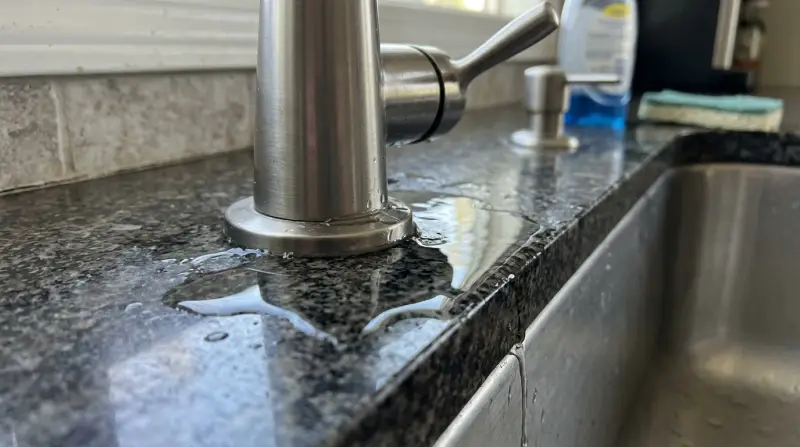
A leak at the base of your kitchen faucet usually means water is escaping where the faucet meets the sink or countertop. This is different from a leaky handle or spout. The main causes are:
- Worn O-rings or seals – These rubber parts keep water inside the faucet. Over time, they dry out or crack, letting water escape.
- Loose mounting nuts – The hardware that holds the faucet to the sink can loosen, creating gaps for water to seep through.
- Corroded or damaged parts – Metal components can rust or wear out, especially if your water has a lot of minerals.
- Improper installation – If the faucet wasn’t installed correctly, seals might not sit right or hardware could be missing.
- High water pressure – Too much pressure can force water past seals and joints.
Many people overlook the O-rings because they’re hidden inside the faucet body. Replacing them is often a simple fix that prevents bigger problems.
How To Identify The Leak Source
Before you start repairs, you need to know exactly where the water is coming from. Here’s how you can check:
- Dry the area: Use a towel to clean all water around the faucet base.
- Operate the faucet: Turn it on and off several times. Watch closely for water appearing around the base.
- Check the handle: Sometimes, leaks run down the faucet body from above. Feel for moisture higher up.
- Look under the sink: Use a flashlight. Drips under the countertop may show a loose connection below, not a problem at the base.
If you see water only when the faucet is running, it’s likely a problem with the seals or O-rings. If it leaks all the time, even when off, you might have a bigger issue with the supply lines or faucet body.

Tools And Materials Needed For Repair
Fixing a leaking kitchen faucet at the base doesn’t require many tools. Here’s what you’ll usually need:
- Adjustable wrench or basin wrench
- Screwdriver (flathead and Phillips)
- Replacement O-rings or seal kit (check your faucet’s model)
- Plumber’s grease
- Towel or sponge
- Bucket (to catch water)
- Flashlight
Some faucets need special tools. Always check your faucet’s manual if you have one.
Step-by-step Repair Guide
You don’t need to be a plumber to tackle a base leak. Follow these steps to repair most standard faucets:
- Turn Off Water Supply: Look under the sink for the shutoff valves. Turn them clockwise to stop water flow. Open the faucet to drain any remaining water.
- Remove The Faucet Handle: Most handles have a small screw, often hidden under a cap. Pry off the cap with a screwdriver, then unscrew and pull the handle away.
- Take Off The Faucet Body: Unscrew the retaining nut or collar with your wrench. Keep track of the order of parts for reassembly.
- Inspect And Replace O-rings: Look for O-rings around the faucet’s base. If they look worn or cracked, remove them carefully. Smear new O-rings with plumber’s grease and slide them into place.
- Check The Mounting Hardware: Under the sink, use your wrench to tighten the mounting nut. If it’s corroded or damaged, replace it.
- Reassemble And Test: Put everything back in the reverse order. Turn the water on slowly and check for leaks.
Common Mistake: Over-tightening
Many people tighten nuts too much, hoping to stop leaks. This can damage washers or crack the faucet. Turn nuts just enough to feel snug, not forced.

When To Repair Or Replace Your Faucet
It’s tempting to keep fixing an old faucet, but sometimes replacement is smarter. Here’s a quick comparison:
| Situation | Repair | Replace |
|---|---|---|
| Worn O-rings | ✔️ | |
| Loose mounting hardware | ✔️ | |
| Corroded faucet body | ✔️ | |
| Multiple leaks & repairs | ✔️ | |
| Faucet over 10 years old | ✔️ |
If your faucet is leaking from several places or has visible corrosion, a new faucet is usually the best investment. Modern faucets are more water-efficient and often come with better warranties.
The Cost Of A Leaking Faucet
Leaky faucets do more than annoy you. They can waste a surprising amount of water. The US Environmental Protection Agency (EPA) estimates that a leaky faucet dripping one drop per second can waste over 3,000 gallons of water per year. That’s enough water for 180 showers!
If water seeps under your sink, it can also damage wood and cause mold. Insurance rarely covers slow leaks that are not fixed right away.
Here’s a quick look at possible costs:
| Problem | Estimated Cost |
|---|---|
| Water wasted (annual, minor leak) | $20–$30 extra on water bill |
| DIY O-ring replacement | $5–$15 |
| Professional faucet repair | $100–$250 |
| Faucet replacement (parts + labor) | $150–$400 |
| Cabinet repair (from water damage) | $200–$600+ |
Fixing a leak early saves money and prevents bigger headaches later.

Different Types Of Kitchen Faucets And How They Leak
There are a few main types of kitchen faucets. The leak location and repair steps can be a bit different for each.
Compression Faucets
These use two handles (hot and cold). They often leak at the base from worn washers.
Ball Faucets
Common in kitchens. They have a single handle and a rounded cap. Leaks at the base are usually due to O-ring failure.
Cartridge Faucets
These can have one or two handles. The cartridge inside can wear out, causing leaks at the base or handle.
Ceramic Disc Faucets
Known for durability, but if the seals at the base wear out, leaks happen.
If you’re not sure which faucet you have, look for the brand name and model number. You can often find repair guides online for your specific type.
How To Prevent Future Leaks
A little care can keep your faucet working longer:
- Clean regularly: Wipe away mineral deposits and grime from the base and handle.
- Check for looseness: Gently wiggle the faucet every few months. Tighten mounting nuts if you feel movement.
- Replace O-rings every few years: They are cheap and easy to change before they fail.
- Avoid harsh cleaners: Bleach and strong chemicals can break down rubber parts.
- Monitor water pressure: High pressure increases wear. Consider a pressure regulator if your home’s water pressure is above 60 psi.
An insight many people miss: leaks often start small and get worse. If you notice even a little moisture, act quickly. Many leaks at the base can be stopped in under 30 minutes with a $10 kit.
When To Call A Professional
Most base leaks are easy to fix, but sometimes you need expert help:
- The leak comes from under the sink or deep inside the faucet.
- You see rust, heavy corrosion, or mold.
- The faucet is very old or has non-standard parts.
- You tried repairs, but the leak keeps coming back.
A professional plumber can also check for hidden damage. Sometimes, a leak at the base means there’s a bigger problem with your home’s plumbing.
Upgrading Your Faucet: Is It Worth It?
If your faucet is older or leaks often, you might wonder if it’s time to upgrade. Newer kitchen faucets offer features like:
- Pull-down or pull-out sprayers
- Touchless controls
- Water-saving aerators
- Stronger warranties
They’re designed to be easier to install and maintain. Investing in a good-quality faucet can reduce leaks and save water.
Here’s a quick comparison of common faucet materials and their durability:
| Material | Pros | Cons |
|---|---|---|
| Brass | Durable, resists corrosion | Higher cost |
| Stainless Steel | Modern look, resists stains | Can show water spots |
| Zinc Alloy | Affordable | Less durable, may corrode |
| Plastic | Very affordable | Least durable |
If you’re not sure what’s best for your kitchen, ask a plumber or check user reviews online. Brands like Moen, Delta, and Kohler are known for reliability.
Frequently Asked Questions
Why Does My Kitchen Faucet Only Leak At The Base When I Use It?
This usually means the O-rings or seals inside the faucet are worn. Water escapes only when it’s flowing through the faucet, and then leaks out at the base. Replacing the O-rings usually solves this problem.
Can I Use Any O-ring For My Faucet?
No, O-rings come in different sizes and materials. Using the wrong type may not seal properly or could wear out quickly. Check your faucet’s brand and model for the right O-ring, or take the old one to a hardware store for a match.
Is A Leaking Faucet Dangerous?
A small leak isn’t usually dangerous, but over time, water can cause mold, wood rot, or slip hazards. If water gets into electrical outlets or appliances, it could be risky. Fix leaks quickly to prevent these problems.
How Long Does It Take To Fix A Base Leak?
Most leaks at the base can be fixed in 30 to 60 minutes if you have the right tools and parts. Some repairs are faster, while complicated faucets may take longer.
Where Can I Learn More About Faucet Repair?
The EPA WaterSense program and many home improvement sites offer guides on faucet repair and water conservation. For more details, visit the EPA WaterSense page.
Solving a kitchen faucet leaking at the base is usually simple if you act quickly. With the right tools and a little patience, you can stop leaks, save water, and protect your kitchen from damage. If you’re unsure, don’t hesitate to ask a professional—fixing small leaks early saves money and stress in the long run.