
Many people turn to Linzess when they struggle with chronic constipation or irritable bowel syndrome with constipation (IBS-C). It’s a medicine that promises relief, but what if you’re taking it and nothing seems to change? When Linzess is not working, it can feel frustrating and confusing. You may wonder if you’re using it the right way, if your body is reacting differently, or if there are other issues at play. This article explores why Linzess might not be effective for you, what you can do about it, and how to work with your doctor to find a solution.
How Linzess Works In The Body
Linzess, or linaclotide, is designed to help people who suffer from certain types of constipation. It is a prescription medicine approved by the FDA for adults with chronic idiopathic constipation (CIC) and IBS-C. Linzess works by increasing the secretion of chloride and water in the intestines, which helps soften stools and stimulate bowel movements.
This is not a laxative that forces your bowels to move suddenly. Instead, it changes the way your gut handles fluids and signals, making your stool easier to pass. Results can be subtle and may take a few days or weeks to become noticeable.
Common Reasons Linzess May Not Work
Sometimes Linzess doesn’t seem effective, even when you take it as prescribed. Here are some of the most common reasons:
- Not Enough Time: Linzess can take up to two weeks to show results. Some people see improvements in a few days, but others need more time. If you’ve been using it for less than two weeks, your body may still be adjusting.
- Incorrect Use: Linzess must be taken on an empty stomach, at least 30 minutes before your first meal of the day. Eating too soon after taking it can reduce how well it works.
- Diet and Hydration: Low fiber intake or dehydration can slow down your digestive system. Even with Linzess, your body needs enough water and dietary fiber for regular movements.
- Other Medications: Some medicines, like opioids or iron supplements, can cause constipation and may counteract Linzess’s effects.
- Underlying Health Conditions: Problems like thyroid issues, diabetes, or neurological diseases can cause constipation that’s harder to treat.
- Tolerance or Individual Response: Not everyone responds to Linzess the same way. Some people simply don’t get relief, even if they follow all instructions.

Signs Linzess May Not Be Working For You
If you’re unsure whether Linzess is effective, look for these signs:
- No change in bowel movement frequency or consistency after two weeks
- Persistent abdominal pain or bloating
- Needing to use other laxatives often
- Feeling frustrated or anxious about ongoing constipation
If you notice these symptoms, it’s time to review your treatment plan with your doctor.
How To Take Linzess Properly
Correct use is key to success with Linzess. Here’s a quick reminder on how to take it:
- Take Linzess once daily, at least 30 minutes before eating
- Swallow the capsule whole with water; do not crush or chew
- If you can’t swallow capsules, you can open them and sprinkle contents on applesauce or in water (ask your pharmacist for clear instructions)
- Avoid food or drinks (except water) before taking your dose
Following these steps helps your body absorb and use the medicine more effectively.
When To Expect Results
Most people start to notice changes within the first week of treatment. For others, it may take up to two weeks. Studies show that about 20–30% of patients do not see a clear benefit, even after several weeks.
Typical Timeline
| Time After Starting | What to Expect |
|---|---|
| 1-3 days | Some people may notice softer stools or mild relief |
| 1 week | More regular bowel movements may begin |
| 2 weeks | Full effect in most people (if it’s going to work) |
| 3+ weeks | If no improvement, discuss other options with your doctor |
If you reach three weeks and see no change, don’t lose hope—there are other steps and options.
What To Do If Linzess Is Not Working
If you have followed the instructions for at least two weeks and still don’t see improvement, here are some steps you can take:
Review Your Routine
Go back and double-check how and when you take Linzess. Are you eating right after? Are you missing doses? Even small mistakes can make a big difference.
Check Your Diet And Fluids
A diet lacking in fiber or fluids can affect your gut. Try to drink at least 6–8 cups of water daily and eat fiber-rich foods like fruits, vegetables, and whole grains, unless your doctor gives other advice.
Watch For Interactions
Make a list of all your medicines and supplements. Some can cause constipation or interfere with Linzess. Bring this list to your doctor.
Discuss With Your Doctor
Don’t change or stop your medicine on your own. Share your experience with your healthcare provider. They may suggest:
- Increasing your water or fiber intake
- Adjusting other medicines
- Testing for other health problems
Consider Alternative Treatments
If Linzess truly isn’t working, your doctor may suggest other prescription medications or non-drug therapies. Some options include Amitiza, Trulance, or even newer drugs in clinical trials.
Possible Side Effects Mistaken For Lack Of Effect
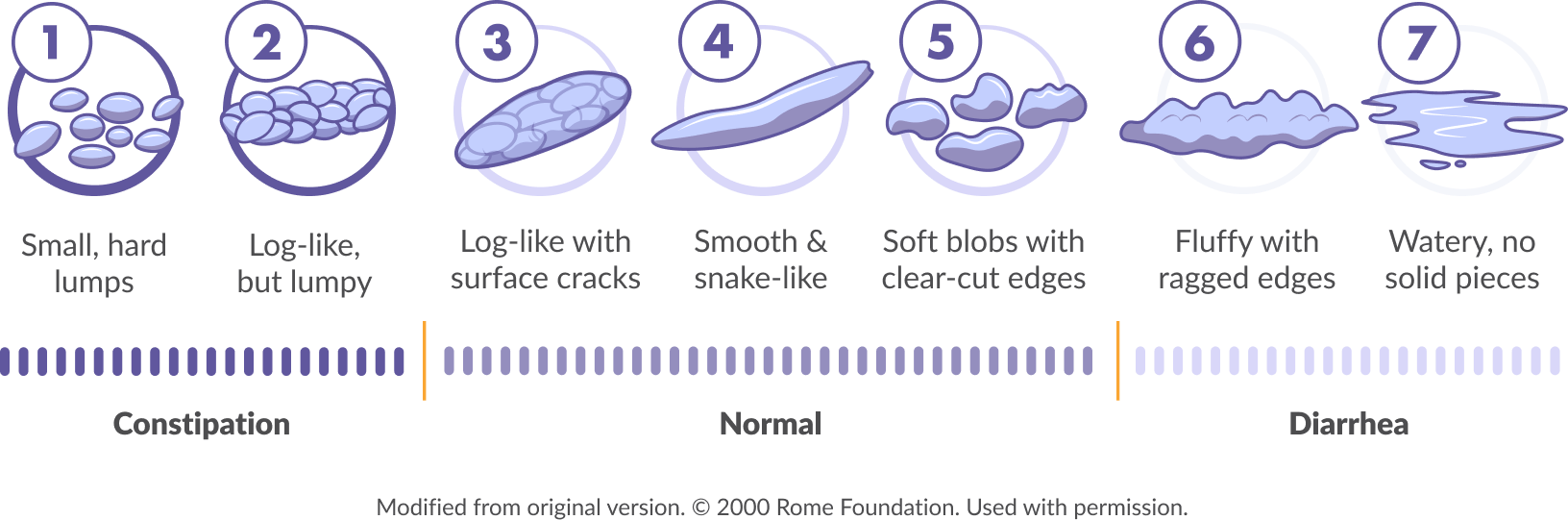
Some people feel side effects that confuse them about whether Linzess is working. The most common side effect is diarrhea. If you suddenly have loose stools, it may feel like your constipation is “fixed,” but this can be uncomfortable or even risky if severe.
Other side effects:
- Abdominal pain or cramping
- Gas and bloating
- Headache
It’s important to tell your doctor if you have diarrhea, especially if it is severe, as it can cause dehydration or other problems. Sometimes, adjusting your dose or routine can help balance benefits and side effects.
When To Seek Immediate Medical Help
While rare, some reactions need urgent attention. Seek help right away if you experience:
- Severe or ongoing diarrhea
- Bloody stools
- Signs of dehydration (dizziness, weakness, rapid heartbeat)
- Severe abdominal pain
These symptoms can signal a more serious problem.
Comparing Linzess To Other Treatments
If Linzess is not effective, you may need to try other treatments. Here’s a comparison of Linzess with two other common medicines for constipation:
| Medication | Main Use | How It Works | Common Side Effects |
|---|---|---|---|
| Linzess | CIC, IBS-C | Draws water into the gut | Diarrhea, gas, belly pain |
| Amitiza | CIC, IBS-C, opioid constipation | Increases fluid in intestines | Nausea, headache, diarrhea |
| Trulance | CIC, IBS-C | Acts like Linzess, similar method | Diarrhea, bloating, gas |
Each medicine works slightly differently. You may find one works better for your body than another.
Non-drug Strategies To Improve Constipation
Sometimes, medicine alone isn’t enough. Non-drug methods can support your digestive health and may help Linzess work better.
Tips For Better Results
- Exercise regularly: Physical activity can help your gut move.
- Set a routine: Try to use the bathroom at the same time every day.
- Don’t ignore the urge: Go when you feel the need—delaying can worsen constipation.
- Manage stress: Anxiety and stress can upset your digestive system.
Some people find that adding probiotics or gentle abdominal massages helps, but always talk to your healthcare provider before trying new methods.
Common Myths About Linzess
Many people have misunderstandings about Linzess, which can lead to misuse or disappointment.
- “Linzess works instantly.” In reality, it often takes days or weeks.
- “It will help with all types of constipation.” Linzess is not effective for constipation caused by other medical conditions, such as blockages.
- “More is better.” Taking extra doses can lead to dangerous side effects, not better results.
Understanding these facts can help you set realistic expectations.
When To Reconsider Your Diagnosis
If you’ve tried Linzess and several other treatments with no success, your doctor may look for other causes. Some conditions that mimic constipation include:
- Irritable bowel syndrome with mixed symptoms (IBS-M)
- Slow transit constipation
- Pelvic floor dysfunction
Special tests, such as a colon transit study or anorectal manometry, may be needed to find the real cause.
Real-world Example
Consider Maria, a 47-year-old woman with IBS-C. She started Linzess and saw no change after two weeks. After talking to her doctor, she realized she was taking Linzess after breakfast, not before. She switched to taking it 30 minutes before eating, and within a week, her symptoms improved. This shows how timing can make all the difference.
Data On Linzess Effectiveness
Clinical studies show that about 1 in 3 people with IBS-C will have at least three more complete bowel movements per week when using Linzess compared to placebo. However, that means 2 out of 3 may not see major changes or may need other support.
Here’s a look at the data:
| Group | Responded to Linzess (%) | Did Not Respond (%) |
|---|---|---|
| IBS-C Patients | 34% | 66% |
| CIC Patients | 16–27% | 73–84% |
Results vary by person. Even if Linzess works for some, it’s not the answer for everyone.
Next Steps And When To See A Specialist
If you’ve tried everything and Linzess is not working, ask your doctor about seeing a gastroenterologist (digestive specialist). They can do more tests and may offer advanced treatments, including physical therapy for pelvic muscles, biofeedback, or even surgery in rare cases.
Takeaway
Linzess is a helpful medicine for many people, but it doesn’t work for everyone. If you’re not seeing results, don’t give up. Check your routine, talk honestly with your doctor, and explore other treatments if needed. Managing constipation may take time and patience, but with the right approach, relief is possible.
For more on how Linzess works and its clinical data, see this Wikipedia page on Linaclotide.

Frequently Asked Questions
Why Is Linzess Not Working For Me?
There are several reasons. You may not be taking it correctly (such as not on an empty stomach), you may need more time, or you could have another condition causing constipation. Speak with your doctor to review your situation.
How Long Should I Wait To See Results From Linzess?
Most people see changes in 1–2 weeks. If you see no difference after three weeks, talk to your healthcare provider about other options.
Can I Take Other Laxatives With Linzess?
Some people may need short-term use of other laxatives, but this should only be done under a doctor’s guidance. Combining medicines can increase side effects.
What Should I Do If Linzess Gives Me Diarrhea Instead?
If diarrhea is mild, it may improve with time. If it’s severe or ongoing, contact your doctor. Never adjust your dose without medical advice.
Are There Alternatives To Linzess If It Doesn’t Work?
Yes. Other prescription medicines, such as Amitiza or Trulance, may help. Non-drug strategies and specialist care are also options if needed.
If you’re struggling with Linzess, remember that you’re not alone—and there are always other ways to find relief.