
Lyme disease is often recognized for its telltale rash and flu-like symptoms, but many people don’t realize it can also affect the lungs and breathing. For some, breathing problems are one of the most confusing and frightening complications of Lyme disease. If you or someone you care about is struggling to breathe and has (or might have) Lyme disease, this article is designed to offer clear answers, practical advice, and the latest information—without overwhelming medical jargon.
Understanding Lyme Disease

Lyme disease is an infection caused by the bacterium Borrelia burgdorferi. It’s spread by ticks, especially in the United States, Canada, and Europe. Most people know about the bull’s-eye rash and joint pain. However, Lyme disease can affect almost any part of the body, including the nervous system, heart, and lungs.
Each year, about 476,000 Americans are diagnosed and treated for Lyme disease, according to the CDC. Most recover fully with early antibiotics. But if Lyme is not caught early, it can cause serious, sometimes long-term, symptoms—including breathing problems.
How Lyme Disease Affects Breathing
Breathing problems in Lyme disease are less common than joint pain or fatigue, but they can be serious. The main ways Lyme disease can affect breathing include:
- Direct infection of the lungs
- Inflammation of the chest wall or diaphragm
- Nerve damage affecting breathing muscles
- Heart problems causing shortness of breath
- General weakness or fatigue
Direct Lung Involvement
Though rare, Lyme can cause pneumonia-like symptoms. This happens when the bacteria reach the lungs, leading to cough, chest pain, or trouble breathing. Doctors call this Lyme carditis or Lyme pneumonitis, depending on the structures involved.
Nerve And Muscle Complications
Lyme disease can attack nerves, including those that control the diaphragm (the main muscle for breathing). This can cause:
- Shortness of breath
- Difficulty taking a deep breath
- Sleep-related breathing problems
Some patients experience paralysis or weakness of the diaphragm, making every breath feel like hard work.
Heart-related Breathing Symptoms
Lyme disease can inflame the heart, a condition called Lyme carditis. This can cause irregular heartbeat or make it harder for the heart to pump blood. The result: you feel out of breath, especially with activity.
Anxiety And Breathing
Many with Lyme disease also suffer anxiety or panic attacks, which can trigger hyperventilation (fast, shallow breathing). This is not “just in your head”—the infection can change how your brain responds to stress.
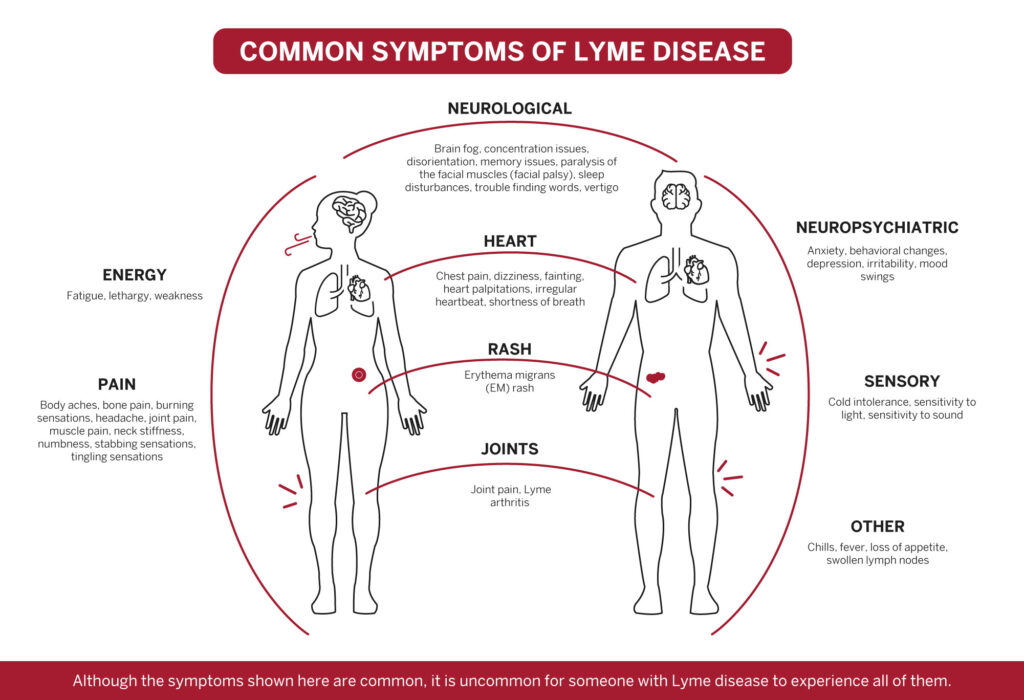
Common Breathing Problems In Lyme Disease
Symptoms can be mild or severe, and they often come and go. Common breathing-related symptoms include:
- Shortness of breath (with or without activity)
- Chest tightness or pain
- Cough (usually dry)
- Difficulty taking a deep breath
- Rapid or irregular heartbeat
- Wheezing or noisy breathing
Not everyone with Lyme disease will have these problems, but if you do, it’s important to get checked by a doctor.
Who Is Most At Risk?
Breathing problems are more likely if:
- Lyme disease is untreated or diagnosed late
- The infection spreads to the nervous system or heart
- You have other health issues (like asthma or heart disease)
- You are older or have a weak immune system
However, even young and healthy people can develop serious breathing issues with Lyme disease.
Diagnosing Lyme-related Breathing Problems
Doctors must consider many possible causes when someone with Lyme disease has trouble breathing. These include asthma, pneumonia, blood clots, and anxiety.
Typical Diagnosis Steps
- Medical history and symptom review
- Physical exam, including listening to lungs and heart
- Blood tests for Lyme and other infections
- Imaging (chest X-ray, CT scan) if pneumonia or lung problems are suspected
- EKG or heart monitoring if heart involvement is possible
- Pulmonary function tests if breathing muscles seem weak
Lyme disease is sometimes called the “great imitator” because its symptoms can look like many other conditions. Clear communication with your doctor is crucial.
Sample Diagnostic Pathways
Here’s how doctors might compare symptoms and tests:
| Symptom | Likely Cause | Key Tests |
|---|---|---|
| Sudden shortness of breath, chest pain | Pneumonia, Lyme carditis | Chest X-ray, EKG |
| Gradual shortness of breath, fatigue | Nerve/muscle involvement | Pulmonary function test |
| Breathlessness with palpitations | Heart rhythm problem | EKG, heart monitor |
Treatment Options
The main treatment for Lyme disease is antibiotics. Early treatment usually prevents severe complications, including breathing problems. However, if breathing is already affected, doctors may use additional therapies.
Antibiotic Therapy
- Common antibiotics: Doxycycline, amoxicillin, or cefuroxime
- Typical course: 2–4 weeks
- Severe cases (especially with heart or nerve symptoms): IV antibiotics in a hospital
Supportive Treatments
Depending on the cause of breathing problems, you might also need:
- Oxygen therapy if blood oxygen is low
- Medications for heart rhythm or chest pain
- Physical therapy to strengthen breathing muscles
- Steroids (rarely, and only if inflammation is severe)
- Anxiety management if panic or stress worsens symptoms
Close Monitoring
Some breathing issues can become emergencies. For example, if the diaphragm is paralyzed, you might need non-invasive ventilation (a breathing machine). If Lyme carditis causes a dangerously slow heartbeat, a temporary pacemaker may be needed.
Treatment Comparison Table
Here’s how treatments are matched to specific breathing problems:
| Problem | Main Treatment | Extra Support |
|---|---|---|
| Lung infection | Antibiotics | Oxygen, cough medicine |
| Diaphragm weakness | Antibiotics | Physical therapy, breathing support |
| Heart involvement | Antibiotics | Heart meds, pacemaker |
| Anxiety-related | Antibiotics (if active Lyme) | Counseling, breathing exercises |
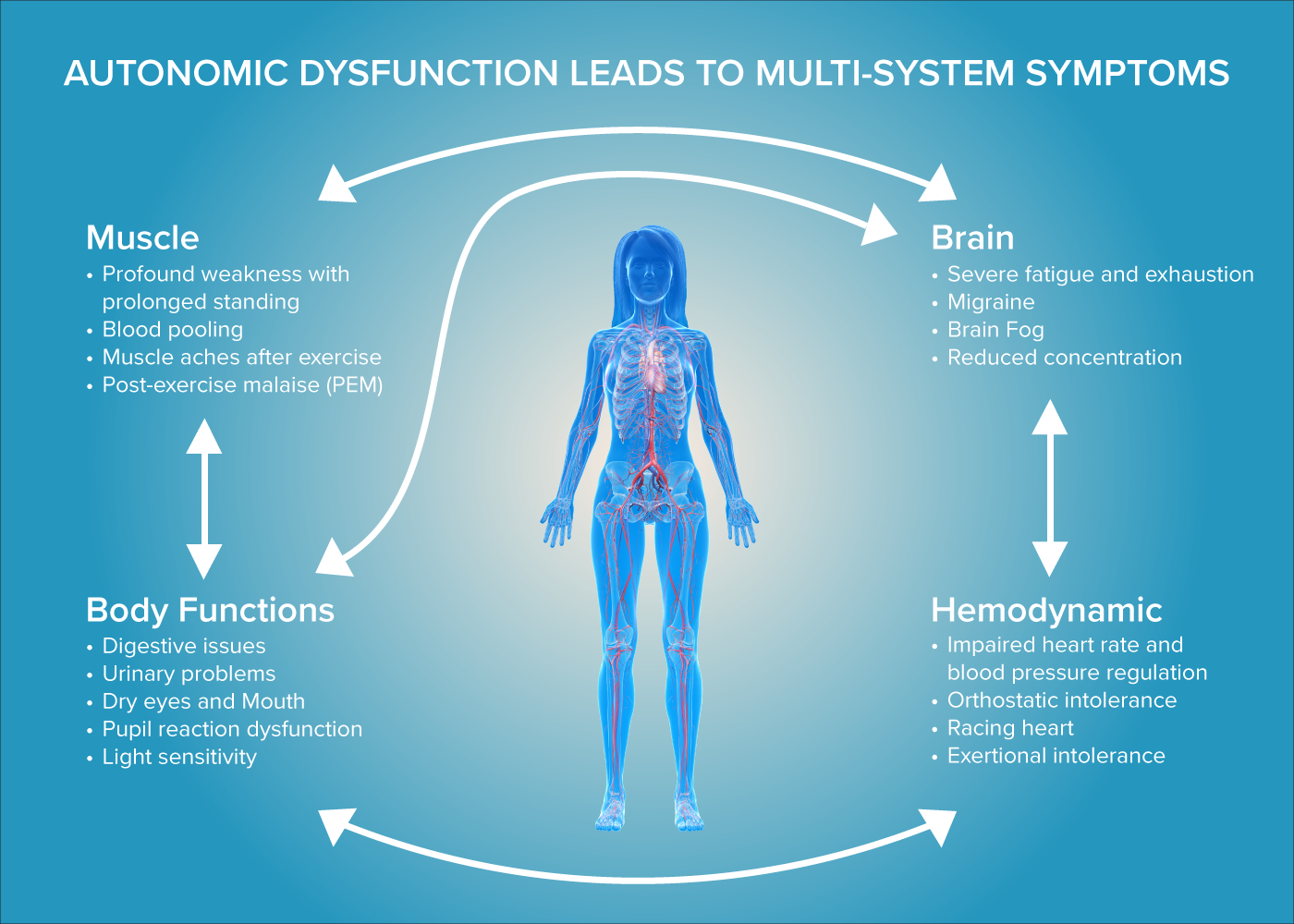
What To Do If You Have Breathing Problems
If you have Lyme disease and notice shortness of breath, don’t ignore it. Here’s what you should do:
- Sit upright and stay calm—panic can make things worse.
- Check for other symptoms: Chest pain, fainting, blue lips, or severe weakness require emergency care.
- Call your doctor promptly—even mild symptoms should be reported.
- Go to the ER if breathing becomes very hard, or you feel faint, confused, or your lips turn blue.
Non-obvious Insights For Patients
Many people with Lyme disease miss these two important points:
- Symptoms can be delayed: Breathing problems sometimes start weeks or months after the initial infection. If you have new symptoms and a history of Lyme, mention it—even if you feel “cured.”
- Relapses are possible: Some people experience cycles of improvement and worsening. Keeping a symptom diary helps doctors spot patterns and adjust treatment.
Living With Lyme-related Breathing Problems
Recovery can take time. Some people bounce back quickly after antibiotics, while others need weeks or months to feel fully normal. To help your body recover:
- Pace yourself: Avoid pushing through severe fatigue or breathlessness.
- Practice breathing exercises: Simple techniques like diaphragmatic breathing can strengthen muscles and reduce anxiety.
- Stay hydrated and eat well: Good nutrition supports healing.
- Watch for relapses: If symptoms return, see your doctor—don’t assume it’s “just stress.”
When To Seek Specialist Care
If breathing problems are severe or not improving, you may need to see a lung specialist (pulmonologist), heart doctor (cardiologist), or neurologist. Specialist tests can help pinpoint the cause and guide treatment.
Here’s a quick comparison of what different specialists offer:
| Specialist | Focus | Common Tests |
|---|---|---|
| Pulmonologist | Lungs and breathing muscles | Pulmonary function tests, chest imaging |
| Cardiologist | Heart and circulation | EKG, echocardiogram |
| Neurologist | Nerve and muscle function | Nerve conduction studies, MRI |
Preventing Breathing Problems With Lyme Disease
The best way to prevent serious complications is to treat Lyme disease early. See a doctor if you notice any possible symptoms after a tick bite, such as:
- Rash (especially a bull’s-eye pattern)
- Fever
- Muscle aches
- Unexplained fatigue
Early antibiotics usually prevent the infection from spreading to the lungs, heart, or nerves.
Other prevention tips:
- Remove ticks quickly if bitten
- Wear protective clothing outdoors
- Use tick repellents
- Check pets for ticks
For more prevention advice, the CDC offers a helpful overview at CDC Lyme Disease Prevention.
Frequently Asked Questions
What Are The Most Common Breathing Problems With Lyme Disease?
The most common issues are shortness of breath, feeling like you can’t take a deep breath, or chest tightness. These may be caused by the infection affecting nerves, the lungs, or the heart.
Can Lyme Disease Cause Asthma-like Symptoms?
Yes. Some people develop wheezing or tightness similar to asthma. However, the cause is usually different—it’s often due to nerve or muscle involvement, not airway inflammation.
How Long Do Breathing Problems Last After Lyme Disease?
For most, breathing problems improve within a few weeks of starting antibiotics. However, some people may experience symptoms for months, especially if diagnosis or treatment was delayed.
Are Breathing Problems In Lyme Disease Dangerous?
They can be. If the heart or breathing muscles are severely affected, it can be life-threatening. Always seek urgent care if you have severe breathlessness, chest pain, or fainting.
Can Breathing Exercises Help With Lyme-related Symptoms?
Yes. Diaphragmatic breathing and other exercises can strengthen weak muscles, improve oxygen flow, and reduce anxiety. Ask your doctor or a physical therapist for guidance.
Living with Lyme disease can be a challenge—especially when breathing is affected. The key is early treatment, clear communication with your doctor, and not ignoring new or unusual symptoms. With the right care and support, most people recover well and return to normal life.