
When you look inside an electrical panel, you often see rows of metal bars filled with wires. These bars are not just random pieces of hardware they play a critical role in keeping your home or building safe and your electricity working correctly. Two of the most important parts inside any panel are the neutral bar and the ground bar. At first glance, they may seem similar, but each serves a very different purpose. Understanding the difference isn’t just for electricians; it’s vital for anyone who wants to handle electrical systems safely or even understand what’s going on behind the scenes.
Let’s explore what each bar does, why their roles matter, and how mistakes can lead to serious safety risks. Along the way, you’ll see clear comparisons, real-world examples, and practical tips to help you feel confident about the basics of electrical panels—even if you’re not an expert.
What Is A Neutral Bar?
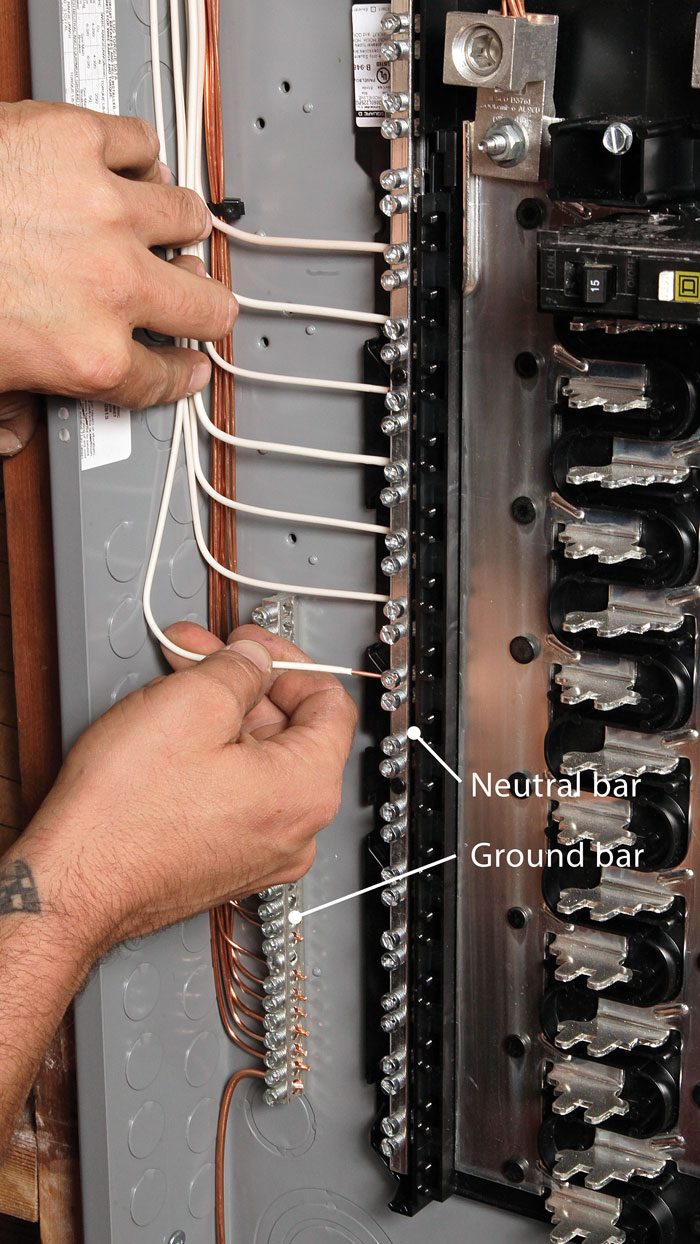
The neutral bar is a metal strip inside your electrical panel where all the neutral wires connect. These wires usually have white insulation. The neutral bar’s main job is to provide a return path for electricity after it’s used by devices and appliances. In simple terms, electricity flows from your panel to your devices through the “hot” wires, and then returns through the neutral wires. The bar collects all these returning currents and sends them back to the electrical source, usually a transformer outside your building.
A key point: The neutral bar is only for neutral conductors—not for ground wires or hot wires. The bar is insulated from the metal panel enclosure (except in the main service panel, where it might be bonded to ground). This insulation ensures that the return current doesn’t flow into the metal case, which could be dangerous.
Important Role In Electrical Systems
- The neutral bar balances the flow of electricity.
- It helps prevent voltage fluctuations that can damage electronics.
- It is crucial for the safe operation of circuit breakers and fuses.
If the neutral bar becomes loose or corroded, you might notice flickering lights or equipment behaving strangely. In rare cases, a bad connection can even create a fire hazard.
What Is A Ground Bar?
The ground bar is another metal strip in your panel, but it handles a different kind of wire: the ground wires (usually green or bare copper). The ground bar’s job is not to carry normal electrical current. Instead, it provides a safe path for stray electricity—such as current from a short circuit or lightning strike—to travel harmlessly into the earth.
When you touch a metal appliance, like a washing machine, you want to be sure it won’t shock you if there’s a wiring problem. The ground bar helps by connecting all those metal cases and appliance frames directly to the earth, using ground wires.
Key Purposes
- Protects people from electrical shock by providing a low-resistance path to earth.
- Helps circuit breakers detect faults and shut off power quickly.
- Reduces the risk of fire from stray current or surges.
Unlike the neutral bar, the ground bar is directly attached (bonded) to the metal panel enclosure. This means any stray current can flow straight into the panel and then to the earth.

Neutral Bar Vs Ground Bar: Core Differences
Many beginners confuse the neutral and ground bars because, in the main service panel, they are sometimes joined by a metal link. However, their roles, wiring, and installation rules are distinct.
Here’s a side-by-side look:
| Feature | Neutral Bar | Ground Bar |
|---|---|---|
| Main Function | Return path for normal current | Safety path for stray current |
| Type of Wire | Neutral (white) | Ground (green or bare) |
| Connection to Panel | Insulated (except main panel) | Bonded to metal enclosure |
| Normal Current Flow | Yes | No (except during faults) |
| Main Panel Bonding | Bonded to ground | Bonded to panel/earth |
| Subpanel Bonding | Not bonded to ground | Bonded only to panel |
Example Scenario
Imagine a home with a detached garage. The main panel inside the house has the neutral and ground bars bonded together. But in the garage subpanel, the neutral and ground bars must be kept separate. This prevents stray current from flowing on the ground wires, which could cause shocks.
Why Separation Matters
Keeping the neutral and ground bars separate (except in the main panel) is a strict rule in the National Electrical Code (NEC). When these bars are joined in a subpanel, current can return through any metal part in your house, including water pipes or gas lines. This creates a hidden shock hazard.
Hidden Dangers
- If the neutral bar touches the panel in a subpanel, the ground wires can carry current—a serious risk.
- Shock risk increases, especially for anyone touching metal plumbing or tools.
- Sensitive electronics may get unexpected voltage and fail early.
A common mistake is connecting both neutral and ground wires to the same bar in a subpanel. This is easy to overlook but dangerous.
Wiring And Installation Differences
Even though neutral and ground bars look alike, their wiring and installation have unique steps.
Neutral Bar Wiring
- Each neutral wire from a circuit connects to its own slot on the neutral bar.
- In the main service panel, the neutral bar is bonded to the ground bar.
- In subpanels, the neutral bar is isolated—no electrical connection to the metal panel or ground.
Ground Bar Wiring
- Each ground wire connects to the ground bar.
- The bar is screwed or bolted directly to the panel enclosure.
- In both main panels and subpanels, ground bars are bonded to the panel and, ultimately, the earth.
A practical tip: If you’re adding a subpanel, buy an extra ground bar kit. Most subpanels include only a neutral bar by default.
Main Panel Vs Subpanel: Neutral And Ground Bar Rules
It’s easy to get confused about where you should bond or separate these bars. Let’s clarify with a comparison:
| Panel Type | Neutral Bar | Ground Bar | Bonded Together? |
|---|---|---|---|
| Main Service Panel | Bonded to ground | Bonded to panel | Yes |
| Subpanel | Isolated from panel | Bonded to panel | No |
Key insight: In the main panel, the neutral and ground bars are joined so that the entire electrical system has one single connection to earth. In subpanels, keeping them separate stops dangerous currents from using the ground path.
Common Mistakes And How To Avoid Them
Even experienced DIYers and some electricians sometimes make errors with neutral and ground bars. Here’s what to watch for:
- Mixing Neutral And Ground Wires In Subpanels: Never place both neutral and ground wires on the same bar in a subpanel. Always use separate bars and make sure the neutral bar is not bonded to the panel box.
- Missing Ground Bar In Subpanels: Some subpanels ship with just a neutral bar. You must add a separate ground bar and bond it to the panel.
- Loose Connections: Over time, screws can loosen. Check connections every few years to prevent overheating and possible fire.
- Bonding In The Wrong Place: Only the main service panel should bond neutral to ground. In multi-panel systems, check local codes for exceptions.
- Using The Wrong Color Wires: White for neutral, green or bare for ground. Never mix these, as it creates confusion and safety risks.
Real-world Example: What Happens If You Get It Wrong?
Suppose you install a subpanel in your basement and accidentally bond the neutral and ground bars together. Now, part of your return current travels on water pipes, gas pipes, or even metal ductwork. If someone touches a pipe while standing barefoot on a damp floor, they could get a shock.
In another example, a loose connection on the neutral bar causes flickering lights and overheating. A fire starts in the panel, and investigators find the neutral bar was not tightened properly.
Non-obvious insight: Even if everything seems to work when wired incorrectly, problems often appear only during a fault or after many months of use.

How To Identify Neutral And Ground Bars In Your Panel
Not sure which bar is which? Here’s how to tell:
- Neutral Bar: Usually has white wires only. In the main panel, may be bonded to the enclosure. In subpanels, sits on plastic insulators.
- Ground Bar: Has green or bare wires. Always attached directly to the metal panel.
- Labels: Some panels label the bars, but not all. When in doubt, check the wiring diagram on the panel door.
If you’re unsure, always consult a licensed electrician. Never guess mistakes can be dangerous.
Why Does The Nec Require Only One Neutral-ground Bond?
The National Electrical Code requires that only one place—the main service panel—bonds the neutral and ground systems. This “single point” prevents stray currents from flowing through metal pipes or building frames. It’s a simple rule, but it’s one of the most important for electrical safety.
Non-obvious insight: In large commercial buildings, electricians sometimes install ground fault detectors to find stray currents caused by accidental bonds elsewhere.
To learn more, you can visit the Wikipedia article on earthing systems.
Comparison Table: Typical Home Panel Layout
Here’s a practical look at how wires are connected in a typical US residential panel:
| Wire Color | Connects To | Purpose |
|---|---|---|
| Black/Red (Hot) | Circuit Breaker | Delivers power |
| White (Neutral) | Neutral Bar | Returns current |
| Green/Bare (Ground) | Ground Bar | Safety path |
Never connect hot wires to the neutral or ground bars. This can cause fires or serious injury.
Frequently Asked Questions
What Happens If I Mix Up The Neutral And Ground Bars?
Mixing them can create dangerous shock hazards. Stray current may travel on pipes or metal objects, increasing the risk of electrocution or fire.
Can I Use The Same Bar For Both Neutral And Ground Wires?
Only in the main service panel. In all subpanels, you must keep them separate to follow code and ensure safety.
Why Do Neutral Wires Carry Current But Ground Wires Usually Don’t?
Neutral wires complete the normal electrical circuit, so they always carry return current. Ground wires only carry current during a fault or if something goes wrong.
How Do I Know If My Panel Is Wired Correctly?
Check if the neutral and ground bars are bonded only in the main panel. In subpanels, they must be separated. If you’re unsure, have a licensed electrician inspect your setup.
Are There Risks With Loose Connections On The Neutral Or Ground Bars?
Yes, loose connections can cause overheating, flickering lights, or even fires. Always tighten connections securely and check them regularly.
Both the neutral bar and ground bar keep your electrical system safe, but each has its own strict rules. Understanding their differences—and following safe wiring practices—can help you avoid costly and dangerous mistakes. If you ever feel uncertain, it’s always smart to consult a professional. Even small errors in your panel can lead to big problems down the road.