
If you’re suffering from a toothache, you might reach for Orajel hoping for fast relief. But sometimes, Orajel doesn’t work as expected. This can be frustrating, especially when the pain keeps you awake or affects your daily life. Understanding why Orajel might not be effective and learning about other solutions can help you manage dental pain more confidently.
Let’s explore the reasons behind Orajel’s limitations, what you can do if it fails, and when it’s time to see a dentist.
What Is Orajel And How Is It Supposed To Work?
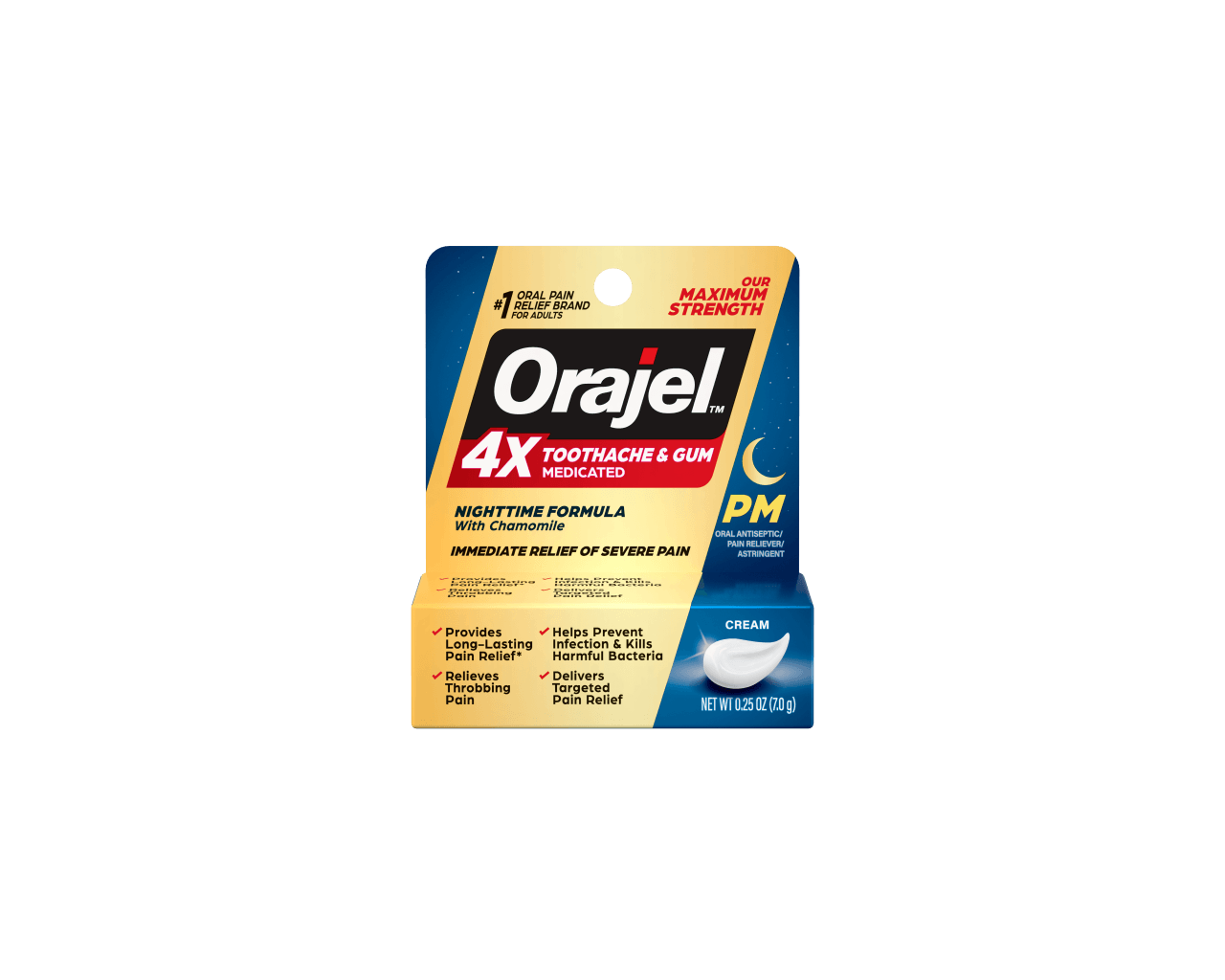
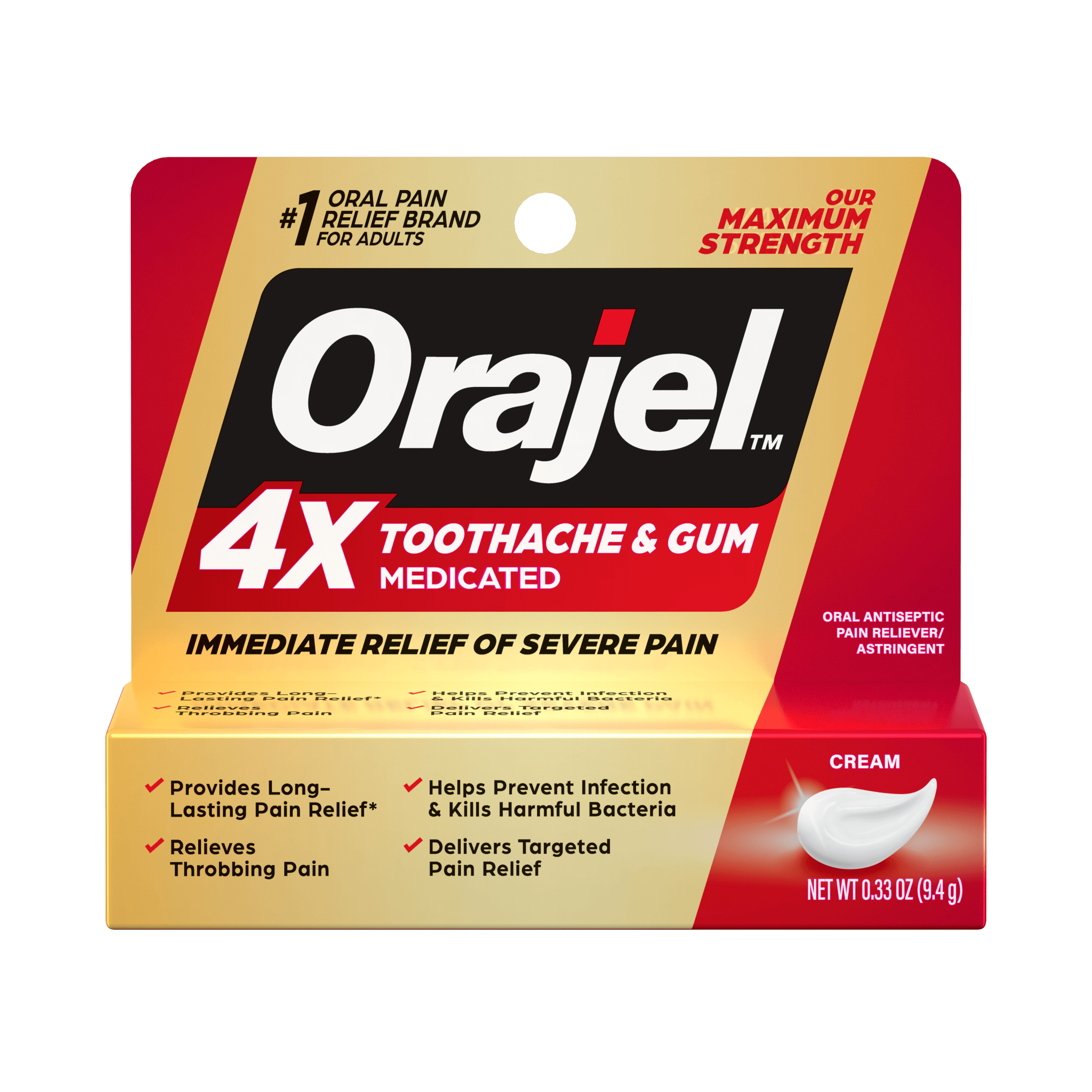
Orajel is a popular over-the-counter dental gel. Its main ingredient is benzocaine, a local anesthetic. Benzocaine works by blocking nerve signals in the area where it’s applied, which can help numb the pain temporarily. Orajel comes in gels, liquids, and swabs, and is commonly used for toothaches, mouth sores, and gum pain.
When you apply Orajel to a painful tooth or gum, you usually feel numbness within minutes. This effect can last anywhere from 15 to 45 minutes, depending on the formula and the severity of your pain. It’s simple, quick, and doesn’t require a prescription—which is why many people try it first for tooth pain.
Why Orajel May Not Work For Your Toothache
Many people expect immediate relief, but sometimes, Orajel seems to do very little. There are several reasons for this, and understanding them can help you choose the best way to manage your pain.
The Type Of Toothache Matters
Not all toothaches are the same. Some are caused by cavities, others by gum disease, cracked teeth, or even sinus infections. Benzocaine in Orajel works only on surface pain. If your pain is deep inside the tooth or below the gum line, Orajel often cannot reach the source.
Severity Of The Pain
If your toothache is intense or throbbing, the numbing effect from Orajel may be too weak. Severe infections or abscesses generate strong pain signals that a surface anesthetic cannot control.
Incorrect Application
For Orajel to work, it must be applied directly to the sore spot. If you put too little, or if you accidentally swallow it, the effect may be reduced. Saliva can also wash away the gel quickly, especially if you eat or drink right after applying.
The Formulation Used
There are several versions of Orajel. Some are made for cold sores or teething and may have lower benzocaine concentrations. Toothache gels usually have higher percentages (up to 20%). Using a weaker formula or an expired product can reduce effectiveness.
Tolerance And Frequent Use
If you use Orajel often, your body may become less sensitive to benzocaine. Over time, you might notice that you need more product for the same effect, or that it does not work at all.
Underlying Dental Problems
Sometimes, the pain is a symptom of a more serious issue, like a dental abscess, which Orajel cannot fix. Treating the surface pain without solving the real problem can delay proper care.
Key Data: Common Causes Of Toothache Vs. Orajel Effectiveness
| Toothache Cause | Orajel Likely to Help? | Additional Action Needed? |
|---|---|---|
| Cavity (surface) | Yes (temporary) | See dentist for filling |
| Deep cavity or abscess | No | Urgent dental care |
| Gum irritation | Yes (short-term) | Address gum health |
| Cracked tooth | No | Dental repair |
| Sinus infection | No | Medical treatment |

Risks And Limitations Of Orajel
Orajel may seem safe, but there are risks and limitations you should know about.
Short Duration
The numbing effect is very brief. This means you may need to reapply often, but frequent use increases the risk of side effects.
Possible Allergic Reaction
Some people are allergic to benzocaine or other ingredients in Orajel. This can cause swelling, itching, or rash in the mouth.
Methemoglobinemia Risk
A rare but serious side effect of benzocaine is methemoglobinemia. This condition reduces the blood’s ability to carry oxygen and can be life-threatening, especially in children under two years old. Symptoms include blue lips, shortness of breath, and fatigue.
Covering Up The Real Problem
Using Orajel may mask pain, but it does not fix the cause. This can delay necessary treatment and make the problem worse.
Not For Children Under 2
The U. S. Food and Drug Administration (FDA) warns against using benzocaine products in very young children because of the risk of serious side effects.
Comparison: Orajel Vs. Other Over-the-counter Pain Relief
Here is a comparison of Orajel and some common alternatives:
| Product | Main Ingredient | How It Works | Duration | Best For |
|---|---|---|---|---|
| Orajel | Benzocaine | Surface numbing | 15–45 mins | Mild gum pain |
| Ibuprofen | NSAID | Reduces inflammation | 4–6 hrs | Moderate/severe pain |
| Acetaminophen | Analgesic | Blocks pain signals | 4–6 hrs | General pain relief |
| Clove oil | Eugenol | Natural numbing | 30–60 mins | Tooth/gum pain |
What To Do If Orajel Doesn’t Work
If you’ve tried Orajel and your toothache is still strong, don’t panic. There are practical steps you can take to reduce pain and protect your health.
Try Other Over-the-counter Medications
Ibuprofen or acetaminophen are safe options for most adults. They work differently from Orajel and last longer. Make sure to follow the instructions on the label, and do not combine medicines unless your doctor says it’s safe.
Rinse With Warm Salt Water
Mix half a teaspoon of salt in a cup of warm water. Swish gently in your mouth for 30 seconds, then spit. This can reduce swelling and clean the area.
Use Cold Compresses
Hold a cold pack or ice wrapped in a towel against your cheek for 10-15 minutes. This helps numb the pain and decreases swelling.
Avoid Trigger Foods
Stay away from extremely hot, cold, sweet, or acidic foods and drinks, as these can make pain worse.
Try Clove Oil
Clove oil contains eugenol, which has natural numbing properties. Dab a small amount on a cotton swab and apply it to the sore tooth. Do not swallow.
Keep Good Oral Hygiene
Brush gently with a soft-bristled toothbrush and use dental floss to keep the area clean. Do not brush too hard near the sore spot.
Practical Tip
One detail many people miss: if your toothache worsens when you lie down, try sleeping with your head elevated. This reduces blood flow to the area and can ease throbbing pain.
When To See A Dentist
If Orajel and home remedies are not working, or if your pain is severe, persistent, or comes with other symptoms, it’s time to see a dentist.
Warning Signs You Should Not Ignore
- Swelling in your face or jaw
- Fever above 100.4°F (38°C)
- Difficulty swallowing or breathing
- Pus or bad taste in your mouth
- Pain lasting more than two days
These could mean a serious infection or abscess that needs urgent dental treatment. Delaying care can lead to worse pain, tooth loss, or even spread of infection to other parts of the body.
What The Dentist Will Do
Your dentist will examine your mouth and may take X-rays to find the cause. Depending on the diagnosis, you may need:
- A filling or crown for a cavity
- Root canal treatment for infection
- Draining of an abscess
- Extraction (removal) of a badly damaged tooth
Dentists can also prescribe stronger pain medicine or antibiotics if needed.
Example: Root Canal Success
Many people fear root canals, but in most cases, this is a highly effective way to stop tooth pain and save your tooth. Modern techniques make the procedure much less painful than in the past.
Non-obvious Insights For Toothache Sufferers
Many people overlook these two important details when managing a toothache:
- Pain can move: Sometimes, a problem with one tooth can cause pain in another area. Dentists call this “referred pain.” Don’t assume the sore spot is the real problem tooth.
- Dental pain at night feels worse: When you lie down, more blood flows to your head, increasing pressure and pain. Elevate your head with extra pillows to help reduce discomfort.
Preventing Future Toothaches
While you deal with current pain, it’s a good time to think about prevention. Here are some proven steps:
- Brush teeth twice a day with fluoride toothpaste
- Floss daily to remove food particles
- Limit sugary snacks and drinks
- Visit your dentist every 6 months for checkups
- Address small problems early before they become painful
Remember, even the best dental products like Orajel are only for short-term relief. The best way to avoid toothaches is to keep your teeth and gums healthy.
Frequently Asked Questions
What Should I Do If Orajel Is Not Helping My Toothache?
If Orajel is not working, try ibuprofen or acetaminophen for longer-lasting pain relief. Use warm salt water rinses and cold compresses. Avoid foods that trigger pain, and see a dentist if pain lasts more than two days or is severe.
Is It Safe To Use Orajel Many Times A Day?
No, frequent use of Orajel can increase the risk of side effects, especially methemoglobinemia. Always follow label instructions. If you need to reapply often, see a dentist for a better solution.
Can I Use Orajel For A Child’s Toothache?
Orajel should not be used for children under two years old due to safety risks. For older children, use only as directed and consult a dentist before use.
Will Orajel Fix My Toothache Permanently?
No, Orajel only numbs pain temporarily. It does not treat the cause of your toothache. Dental problems like cavities or infections require professional treatment for a permanent fix.
What Are Some Natural Alternatives If Orajel Doesn’t Work?
Clove oil is a popular natural option for numbing dental pain. Warm salt water rinses and cold compresses can also help. Remember, these are temporary solutions and a dentist should address the main problem.
Tooth pain can be overwhelming, but you’re not alone. If Orajel isn’t working, there are other ways to find relief while you arrange for professional care. Dental pain is your body’s signal that something needs attention—listen to it, act quickly, and you’ll be back to smiling soon. For more on dental pain management, you can visit the Mayo Clinic for expert advice.