
When you turn on your oven and notice that the control panel is getting hot, it can feel worrying. Is it normal? Is your oven safe? Many homeowners face this issue, but few understand why it happens or what it means for their appliance.
If your oven control panel gets hot, you’re not alone—but it’s important to know what causes this, how much heat is safe, and what to do if things don’t feel right.
This article explains the reasons behind a hot oven control panel, how to check if your oven is working safely, and practical steps to fix or prevent overheating. Whether you own a gas or electric oven, you’ll find clear answers and expert advice to help you make the right decisions.
Why Does The Oven Control Panel Get Hot?
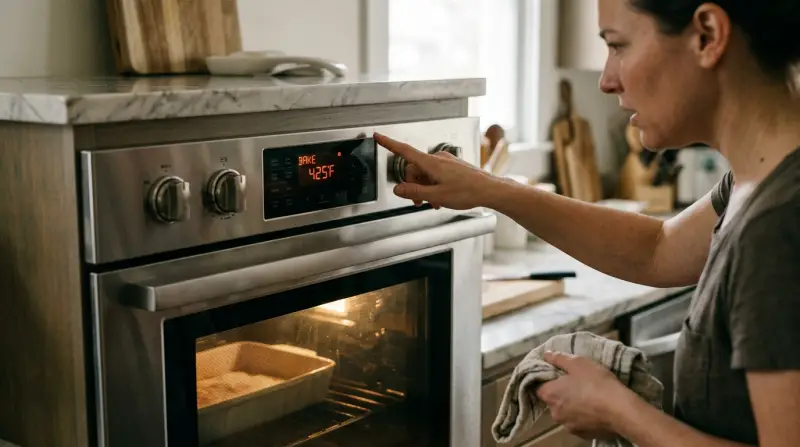
Most ovens are designed so that some heat escapes during use. The control panel sits above or beside the oven’s main cooking area, often close to heating elements or vents. This means the panel may get warm when the oven is on, especially during long cooking sessions or at high temperatures.
Common Causes
1. Heat Rising From The Oven Cavity
Hot air naturally moves upward. When you bake or roast, the heat from the oven’s interior rises and can warm the control panel.
2. Poor Insulation
Some ovens lack strong insulation between the cooking space and the control panel. If your oven is older or cheaper, this is more likely.
3. Vent Placement
Many ovens have vents to release steam and excess heat. If these vents are near the control panel, the panel may get hotter.
4. Faulty Fans Or Cooling Systems
Modern ovens often use cooling fans to keep electronic parts safe. If the fan is broken or blocked, the panel heats up more.
5. Design Choices
Some oven brands place controls closer to the heat source. While this saves space, it can cause warmer panels.
Normal Vs. Abnormal Heat
A warm control panel is usually normal. But if the panel is very hot—painful to touch, or hotter than 120°F (49°C)—it could signal a problem. Panels should be warm, not burning hot.
How Hot Is Too Hot? Measuring And Understanding Safe Temperatures
Most people don’t measure oven panel temperatures, but knowing what’s safe can protect your appliance and home.
Typical Temperature Ranges
- Normal Warmth: Up to 100°F (38°C)
- Mildly Hot: 100–120°F (38–49°C)
- Too Hot: Over 120°F (49°C)
If your panel feels like touching a mug of hot coffee, it’s probably safe. If it burns your fingers, turn off the oven and check for problems.
How To Check
- Use an infrared thermometer or digital temperature gun.
- Place your hand gently on the panel for a few seconds. If you must pull away quickly, it’s too hot.
Example Data
Studies show that most oven control panels stay below 110°F during regular use. Electric ovens tend to have cooler panels than gas ovens, due to better insulation.
| Oven Type | Average Panel Temp (°F) | Panel Location |
|---|---|---|
| Electric | 95 | Top |
| Gas | 110 | Front |
| Wall Oven | 98 | Side |
Risks Of An Overheated Control Panel
A hot control panel can cause several problems, from minor discomfort to serious damage.
Possible Issues
- Electronic Failure: Excess heat can damage circuit boards or touch screens.
- Plastic Melting: If the panel is made of plastic, it may warp or melt.
- Safety Hazards: High temperatures can increase fire risk, especially if dust or grease builds up.
- User Injury: Panels that are too hot can burn fingers or hands.
Long-term Effects
Repeated overheating can shorten the lifespan of your oven. Electronics may stop working, and repairs can become expensive.
Troubleshooting: What To Do If Your Oven Control Panel Gets Hot
If your control panel feels hotter than normal, follow these steps to fix the problem or reduce risks.
Step 1: Turn Off And Unplug
If the panel is dangerously hot, turn off the oven and unplug it. Let it cool before inspecting.
Step 2: Inspect The Oven
- Check vents for blockages (dust, grease, or food).
- Look for broken or noisy cooling fans.
- Inspect seals and insulation around the oven cavity.
Step 3: Test The Panel
Use a thermometer to measure panel temperature during use. Compare to the ranges in the previous section.
Step 4: Contact Support
If the panel is consistently hot, call the manufacturer’s customer service or a local appliance technician. Repairs may be needed.
Step 5: Avoid Common Mistakes
- Don’t cover oven vents with towels or pans.
- Don’t ignore burning smells or smoke.
- Don’t keep using the oven if the panel shows signs of melting or discoloration.

Preventing Control Panel Overheating
Simple habits and maintenance can keep your oven safer and more reliable.
Tips For Prevention
1. Clean Vents Regularly
Wipe vents and fans to remove dust and grease.
2. Don’t Block Airflow
Keep oven surroundings clear. Never stack items on top.
3. Check For Proper Installation
Wall ovens and built-ins need space for ventilation. Follow the manufacturer’s guidelines.
4. Use Lower Temperatures When Possible
Cooking at very high heat increases panel temperature.
5. Schedule Annual Maintenance
A professional can check insulation and electronics.
Comparison: Oven Models And Panel Heat
Different oven models handle heat differently. Here’s a look at three popular brands:
| Brand | Panel Material | Cooling System | Reported Panel Temp (°F) |
|---|---|---|---|
| GE | Plastic | Fan | 90–100 |
| Whirlpool | Glass | Fan + vents | 85–98 |
| Frigidaire | Metal | No fan | 110–125 |
Models with fans and better insulation usually keep panels cooler.
When To Call A Professional
Some problems can be fixed at home, but others need expert help.
Signs You Need Help
- Panel feels burning hot after short use
- Electronics stop working
- Burn marks or melted plastic
- Fan noise or failure
Don’t wait for serious damage. A technician can check wiring, insulation, and replace faulty parts.
Credit: www.ebay.com
Oven Control Panel Heat: Non-obvious Insights
Most people think only about the cooking area, but the control panel is also affected by how you use your oven.
1. Using The Broiler
The broiler produces more intense heat, often right below the control panel. Frequent broiler use can raise panel temperatures.
2. Self-cleaning Cycles
Ovens with self-cleaning features reach very high temperatures. During these cycles, control panels may get much hotter than during normal cooking. It’s best to check the panel and electronics after a self-clean cycle.
These insights show that even normal oven features can affect panel heat.
How Oven Design Changes Panel Heat
Modern ovens include features to reduce panel heat. Some brands use cooling fans, while others use heat shields or better insulation.
| Feature | Effect on Panel Heat | Common Brands |
|---|---|---|
| Cooling Fan | Reduces heat by 20–30°F | GE, Whirlpool |
| Heat Shield | Blocks heat from panel | Bosch, Samsung |
| Extra Insulation | Lowers panel temp | LG, KitchenAid |
If you’re shopping for a new oven, look for these features to avoid overheating.

What To Do If Panel Heat Is A Persistent Problem
If you try all the steps above and your oven panel still gets hot, consider these options:
- Upgrade to a newer model with better insulation or cooling.
- Install a heat shield above the oven cavity if possible.
- Limit broiler and self-cleaning use to reduce panel heat.
- Ask a technician about improving airflow in your kitchen.
If you rent your home, report the issue to your landlord. Persistent overheating can lead to bigger problems.
Oven Control Panel Gets Hot: Real-life Example
Sarah, a homeowner in Chicago, noticed her oven’s control panel was almost too hot to touch after baking bread at 450°F for an hour. She measured the panel at 130°F. After checking vents, she found them blocked by a pan.
Cleaning the vents reduced panel temperature to 105°F during her next baking session. This shows how small changes can fix overheating.
Frequently Asked Questions
Why Does My Oven Control Panel Get Hot?
The panel gets hot because heat rises from the oven cavity, especially if the insulation is weak or vents are nearby. This is common, but excessive heat may signal a problem.
Is It Safe To Use The Oven If The Control Panel Is Hot?
If the panel is only warm, it’s usually safe. If it’s burning hot, stop using the oven and check for issues. Hot panels can damage electronics or cause injury.
Can I Fix An Overheated Control Panel Myself?
You can clean vents, check for blockages, and measure temperatures. If the panel is still hot, call a technician to inspect insulation, fans, and wiring.
Does Oven Brand Or Model Affect Panel Heat?
Yes. Ovens with cooling fans, heat shields, and good insulation keep panels cooler. Older or cheaper models are more likely to overheat.
Should I Worry About Panel Heat During Self-cleaning?
Self-cleaning cycles make panels much hotter than usual. Check your oven’s manual for safe temperatures. If electronics fail after self-cleaning, contact support.
A hot oven control panel can be normal, but understanding the causes, safe temperatures, and prevention steps helps keep your kitchen safe. If you follow the advice above, you can enjoy cooking without worry. For more details on appliance safety and troubleshooting, visit Consumer Reports. Always trust your instincts—if something doesn’t feel right, take action before small problems become big ones.
1 thought on “Oven Control Panel Gets Hot: Causes, Fixes, and Safety Tips”