
Cats are famous for their bright, expressive eyes. But these beautiful eyes can also show signs of health problems. If you notice changes in your cat’s eyes, such as redness, cloudiness, or discharge, it’s important to understand what these signs mean. This article will help you recognize cat eye problems using pictures and clear explanations. You’ll learn how to spot common issues, understand their causes, and know when to seek help. Many cat owners miss early signs because they don’t know what to look for. With the right knowledge, you can keep your cat comfortable and healthy.
Common Cat Eye Problems: What To Look For
Cat eye problems are more frequent than many people think. Some problems are minor and easy to treat. Others can cause pain or even blindness if ignored. Here are the most common eye issues in cats, with descriptions of what you might see in pictures:
- Conjunctivitis (Pink Eye)
- You’ll notice redness in the white part of the eye, swelling, and sometimes a sticky yellow or green discharge. The eyelids may look puffy. Cats may squint or keep their eye closed. In pictures, conjunctivitis often shows as a red rim around the eye.
- Corneal Ulcers
- These look like cloudy spots or grayish areas on the clear front part of the eye. You may see tearing and increased blinking. In severe cases, the ulcer can appear as a white or yellow patch. Photos of corneal ulcers show uneven surfaces and dullness.
- Eye Discharge
- Discharge is common in many eye problems. It can be watery, thick, or colored. In images, you’ll see wet fur under the eye, crusty buildup, or staining on the face. Discharge may be clear, yellow, or green.
- Swollen Eyelids
- Eyelids can become thick, red, or puffy. Some cats develop lumps or bumps near the eyelid. In pictures, swelling is easy to spot—eyelids look larger than normal and sometimes close the eye completely.
- Cloudy Eyes (Cataracts)
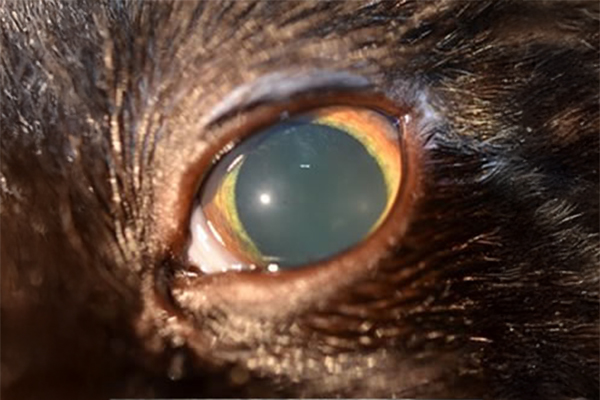
- Cataracts make the eye look milky or foggy. The pupil loses its dark color and turns white or bluish. In photos, cataracts look like a light spot in the center of the eye.
- Third Eyelid Showing
- Cats have a third eyelid that slides across the eye for protection. Normally, it’s hidden. In sick cats, this eyelid is visible as a white or pink membrane in the corner of the eye. Pictures show a distinct pale layer covering part of the eye.
- Eye Injuries
- Scratches, cuts, or bruises appear as red lines, blood spots, or missing fur. Injuries often look dramatic in photos, with clear marks or swelling.
- Glaucoma
- This condition causes the eye to bulge or look bigger. Sometimes the eye appears watery, with a blue or gray tint. In images, the affected eye is visibly larger and may look shiny.
- Uveitis
- Uveitis causes the eye to look red and sometimes cloudy. The cat may keep the eye shut or squint. Pictures show a deep redness and loss of clarity.
- Tumors or Growths
- Abnormal lumps in or around the eye may appear as raised spots, bumps, or colored masses. Photos show irregular shapes and sometimes distortion of the eyelid.
Visual Signs: Comparing Healthy And Problem Eyes
Looking at cat eyes closely helps you spot problems early. Here’s a simple comparison table to help you understand what healthy and unhealthy eyes look like:
| Feature | Healthy Cat Eye | Problem Cat Eye |
|---|---|---|
| Color | Clear, bright | Red, cloudy, dull |
| Discharge | None | Watery, yellow, green |
| Eyelids | Normal size, no swelling | Swollen, puffy, closed |
| Pupil | Round, black | Cloudy, misshapen, white |
| Third Eyelid | Not visible | Visible, pale membrane |
Pictures of healthy cat eyes show clear, shiny surfaces and alert expressions. Eyes with problems often look painful or tired. This visual guide makes it easier to compare your own cat’s eyes.
Causes Of Cat Eye Problems
Understanding the causes helps you prevent future issues and recognize what may be happening. Cat eye problems can come from:
- Infections: Viruses and bacteria are common. Feline herpesvirus is a frequent cause of conjunctivitis.
- Allergies: Dust, pollen, or chemicals can irritate the eyes.
- Injury: Scratches from fights or play can damage the eye.
- Genetics: Some cats are born with a higher risk, especially Persians and Himalayans.
- Age: Older cats develop cataracts and glaucoma more often.
- Environment: Poor hygiene, crowded living, or dirty litter boxes increase risk.
Not all causes are obvious. For example, stress can weaken a cat’s immune system, making infections more likely. Many owners overlook environmental factors like cigarette smoke or strong cleaning products, which can irritate cat eyes.
Diagnosing Cat Eye Problems With Pictures
Pictures are helpful but not a substitute for a vet’s diagnosis. Still, you can use photos to track changes and show your vet what’s happening. Here’s how to use pictures effectively:
- Take clear photos: Use good lighting and focus on the eye. Avoid flash, which can hide details.
- Compare over time: Take daily pictures if the problem changes. This helps your vet see progression.
- Note symptoms: Write down changes like discharge, color, and swelling.
- Show your vet: Bring pictures to the appointment. This helps with diagnosis, especially if the problem looks different each day.
Some eye problems look similar in photos, so don’t guess the cause based on pictures alone. Always seek professional advice if your cat’s eyes look abnormal.
Treating Cat Eye Problems: What Works
Treatment depends on the cause. Here’s a comparison of common treatments:
| Problem | Common Treatment | Recovery Time |
|---|---|---|
| Conjunctivitis | Eye drops, antibiotics | 1–2 weeks |
| Corneal Ulcer | Antibiotic drops, pain relief | 2–3 weeks |
| Cataracts | Surgery (rare in cats) | Varies |
| Eye Injury | Cleaning, antibiotics | 1–2 weeks |
| Glaucoma | Pressure-reducing meds | Ongoing |
| Uveitis | Anti-inflammatory drops | 1–3 weeks |
Most treatments require regular medication. Never use human eye drops unless your vet says they are safe. A common mistake is stopping treatment too soon. Finish all prescribed medicines, even if the eye looks better.
Prevention Tips For Healthy Cat Eyes
It’s easier to prevent eye problems than to treat them. Here’s how you can keep your cat’s eyes healthy:
- Clean environment: Wash bedding, keep litter boxes clean, and avoid strong chemicals.
- Routine vet checks: Annual eye exams catch problems early.
- Monitor stress: Cats under stress get sick more often.
- Vaccinations: Protect against viruses that cause eye problems.
- Groom regularly: Long-haired cats need help keeping fur away from their eyes.
Many cat owners forget about environmental hazards. For example, some plants, like lilies, are toxic and can cause eye irritation. Always check your home for hidden dangers.
Recognizing Emergency Signs
Some cat eye problems need urgent attention. Don’t wait if you see:
- Sudden blindness: Cat bumps into things or cannot find food.
- Bleeding: Blood from the eye or surrounding area.
- Extreme pain: Cat cries, hides, or paws at the eye.
- Rapid swelling: Eyelid swells quickly, closes the eye.
- Pupil changes: Pupils stay wide or do not react to light.
If you notice these signs, contact your vet immediately. Quick action can save your cat’s vision.
Cat Eye Problems In Different Breeds
Certain breeds are more likely to have eye problems. Here’s a comparison:
| Breed | Common Eye Issues | Prevention Tips |
|---|---|---|
| Persian | Tear staining, eyelid deformities | Daily cleaning, regular vet checks |
| Siamese | Glaucoma, cataracts | Monitor vision, early treatment |
| Himalayan | Conjunctivitis, tear duct issues | Clean eyes, avoid irritants |
| Maine Coon | Eye injuries | Safe play, monitor for scratches |
Flat-faced breeds, like Persians, often have problems with tear drainage. Their eyes may look watery in pictures. Owners should pay extra attention to these breeds.
Using Online Resources For Cat Eye Pictures
Many websites offer pictures of cat eye problems for reference. These images help owners spot issues and understand what’s normal. For reliable information, visit sites like the Cornell Feline Health Center. Avoid using random social media photos, as they can be misleading.
Online resources also include advice on cleaning, medication, and when to seek help. But remember, only a vet can give a true diagnosis.
Frequently Asked Questions
What Does Cat Conjunctivitis Look Like In Pictures?
Cat conjunctivitis shows as redness, swelling, and sticky discharge around the eye. In photos, you’ll see puffy eyelids and sometimes crusty buildup. The eye may appear half-closed or squinting.
How Can I Tell If My Cat Has Cataracts From A Picture?
Cataracts look like a cloudy spot in the center of the eye. The pupil turns white or bluish. In clear images, you’ll notice the eye is less shiny and loses its normal color.
Is It Dangerous If My Cat’s Third Eyelid Is Showing?
Yes, the third eyelid being visible can mean infection, pain, or other illness. If you see a pale membrane covering the eye in pictures, contact your vet. It’s not normal for healthy cats.
Can I Use Human Eye Drops For My Cat’s Eye Problem?
No, never use human eye drops unless your vet says they are safe. Some drops can harm cats. Always use medicine made for cats and follow your vet’s instructions.
How Often Should I Check My Cat’s Eyes?
Check your cat’s eyes daily for changes. Look for redness, swelling, discharge, or cloudiness. Early detection is the best way to prevent serious problems.
Keeping your cat’s eyes healthy is possible with careful attention and knowledge. Pictures are a helpful tool for spotting issues, but always trust your vet for diagnosis and treatment. With the right care, your cat can enjoy clear, comfortable vision for years to come.