
The Predator 3500 generator is a popular choice for people needing reliable backup power. It’s found in homes, campsites, and job sites across the US. The generator is known for its quiet operation and affordable price, but it’s not perfect.
Many owners run into problems—sometimes small, sometimes serious—that can affect performance and reliability. If you use or plan to buy a Predator 3500, understanding these issues will help you keep your generator running smoothly and avoid costly repairs.
Let’s dive into the most common problems with the Predator 3500 generator. You’ll find practical tips, real examples, and solutions that work. Whether you’re a first-time owner or an experienced user, you’ll learn how to fix and prevent these problems, saving time and money.
Power Output Issues
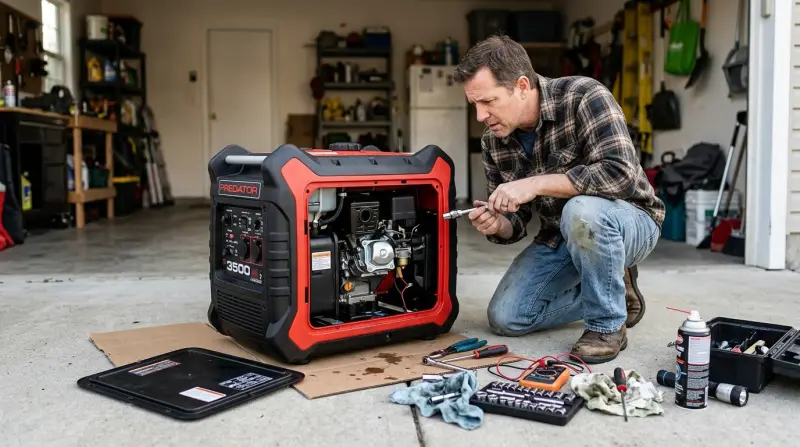
One of the main complaints about the Predator 3500 is inconsistent power output. Sometimes the generator doesn’t deliver the expected wattage, causing appliances to shut off or run poorly. This problem often shows up after several hours of use or if you try to run devices with high starting watt requirements.
Causes
- Overloading: Running too many devices at once
- Faulty inverter: Inverter failure reduces power quality
- Low oil level: Generator automatically lowers output to protect the engine
- Dirty air filter: Blocks airflow, lowering efficiency
Solutions
- Always check the total wattage needed before plugging in devices.
- Replace the inverter if you notice flickering lights or unstable output.
- Keep oil topped up and change it regularly.
- Clean or replace the air filter every 100 hours of operation.
Many users miss the importance of matching the generator’s rated power to their needs. For example, a refrigerator may need 600W to run but 1400W to start. If you ignore starting watts, you’ll experience power drops.
Starting Problems
Some Predator 3500 owners report trouble getting the generator started. This can happen with both electric and manual start. When you turn the key or pull the cord, nothing happens, or the engine struggles to fire up.
Common Causes
- Weak battery: Electric start won’t work with a low battery
- Stale fuel: Old gasoline causes poor ignition
- Spark plug issues: Fouled or damaged plugs prevent firing
- Choke position: Starting with the choke off makes it harder to start
Solutions
- Charge or replace the generator’s battery every season.
- Use fresh gasoline and add a fuel stabilizer if storing for months.
- Inspect and clean the spark plug after 50 hours of use.
- Make sure the choke is in the right position before starting.
A hidden insight: Many beginners forget to check the battery for electric start. The generator won’t start if the battery is dead, even if everything else is fine.

Credit: www.youtube.com
Fuel System Problems
The Predator 3500 uses gasoline, and its fuel system can develop issues over time. Common symptoms include rough running, stalling, or failure to start.
Causes
- Clogged fuel filter: Blocks fuel flow
- Dirty carburetor: Gummed-up carburetor prevents proper mixing
- Water in fuel: Causes misfires and stalls
Solutions
- Replace the fuel filter every year or after 200 hours.
- Clean the carburetor if the generator won’t run smoothly.
- Store the generator indoors or use a cover to prevent water contamination.
A surprising tip: Using ethanol-free gasoline helps prevent fuel system problems. Ethanol attracts moisture, which can cause rust and blockages.
Overheating
Overheating is a serious problem for the Predator 3500. If the generator gets too hot, it may shut off automatically or suffer engine damage.
Main Causes
- Blocked vents: Poor airflow causes heat buildup
- Running in hot weather: Ambient temperature increases engine stress
- Low oil level: Oil cools and lubricates the engine
Solutions
- Clean vents and cooling fins regularly.
- Keep the generator in shade when running outdoors.
- Monitor oil level and top up as needed.
Many users overlook the importance of ventilation. Placing the generator in a closed space or near walls increases the risk of overheating.
Noise And Vibration
The Predator 3500 is marketed as a “quiet” generator, but some owners find it louder than expected. Excessive vibration can also loosen parts and cause leaks.
Causes
- Loose bolts: Bolts vibrate loose with use
- Damaged muffler: Increases noise output
- Unbalanced load: Running uneven devices creates vibration
Solutions
- Tighten all bolts every few months.
- Inspect the muffler for cracks or holes.
- Distribute appliance load evenly across outlets.
A non-obvious insight: Using rubber mats under the generator reduces vibration and noise, especially on concrete surfaces.
Oil Consumption And Leaks
Some Predator 3500 generators burn more oil than expected, or develop leaks. If you notice oil stains or need to add oil often, pay attention.
Causes
- Worn seals: Seals degrade over time
- Loose drain plug: Plug vibrates loose
- Running at full load constantly: Increases oil consumption
Solutions
- Replace seals and gaskets every 300 hours.
- Check and tighten the drain plug regularly.
- Avoid running the generator at maximum load for long periods.
Owners often miss early signs of leaks. Check under the generator for oil stains after each use.
Electrical Problems
Electrical issues range from faulty outlets to failed circuit breakers. These problems can prevent you from using the generator safely.
Causes
- Worn outlets: Outlets wear out with repeated use
- Bad circuit breaker: Trips too easily or won’t reset
- Wiring faults: Internal wires loosen or break
Solutions
- Replace outlets after 500 hours of use.
- Swap the circuit breaker if it trips without load.
- Inspect internal wiring once a year.
The Predator 3500 doesn’t have GFCI outlets, which are safer for outdoor use. Consider adding a GFCI adapter if using outdoors.
Battery Charging Issues
The generator’s battery charges while running, but sometimes it fails to charge or loses power quickly.
Causes
- Faulty charging circuit: Circuit fails to deliver current
- Old battery: Battery loses capacity over time
- Low run time: Short runs don’t fully charge the battery
Solutions
- Replace the charging circuit if the battery doesn’t charge.
- Swap in a new battery every 2–3 years.
- Run the generator for at least 30 minutes to charge the battery.
A useful tip: Check battery voltage with a multimeter. It should read above 12.6V when fully charged.
Comparison Tables
To make things clear, here’s a table comparing the Predator 3500’s performance to similar models:
| Model | Rated Output (Watts) | Noise Level (dB) | Fuel Tank Size (Gallons) | Run Time (Hours) |
|---|---|---|---|---|
| Predator 3500 | 3000 | 57 | 2.6 | 11 |
| Honda EU3000iS | 2800 | 50 | 3.4 | 20 |
| Champion 3400 | 3100 | 59 | 1.6 | 7 |
Another table shows key maintenance intervals:
| Part | Check/Replace Interval | Estimated Cost ($) |
|---|---|---|
| Oil | 100 hours | 10 |
| Spark Plug | 50 hours | 6 |
| Air Filter | 100 hours | 8 |
| Fuel Filter | 200 hours | 12 |
Maintenance Tips
Regular maintenance is essential to prevent problems with the Predator 3500. Here are some tips:
- Change oil every 100 hours or once per season.
- Clean the air filter often, especially in dusty areas.
- Drain old gasoline before storage.
- Inspect spark plugs and replace if fouled.
- Tighten bolts and check for leaks after each use.
- Store indoors during winter or use a weatherproof cover.
Owners often neglect maintenance, leading to avoidable issues. Keeping a log of hours and service dates can help.
Safety Concerns
Safety is important when using any generator. The Predator 3500 has some risks you should know:
- Carbon monoxide: Never use the generator indoors or in enclosed spaces.
- Hot surfaces: The engine and muffler get very hot during operation.
- Electrical shock: Use proper extension cords and avoid wet conditions.
Always read the manual and follow safety instructions. Using a carbon monoxide detector is a smart move.
When To Call A Professional
Some problems are easy to fix, but others need expert help. If you notice:
- Engine knocking or loud banging
- Persistent leaks after seal replacement
- Electrical faults you can’t diagnose
It’s best to contact a certified technician. Attempting repairs beyond your skill can make things worse.
Credit: www.slashgear.com
Frequently Asked Questions
What Oil Type Is Best For Predator 3500?
The recommended oil is SAE 10W-30 for most conditions. In extremely cold weather, use 5W-30. Always check the manual for local climate recommendations.
How Often Should I Change The Spark Plug?
Replace the spark plug every 50 hours or once per season. If you notice hard starting or rough running, check it sooner.
Can I Use The Generator Indoors?
No. Never run the Predator 3500 indoors. It produces carbon monoxide, which is deadly. Always use it outside, far from windows and doors.
Why Does My Generator Shut Off After A Few Minutes?
If the generator shuts off, check for low oil, overheating, or fuel supply issues. Also, inspect the air filter and ventilation.
Where Can I Find Official Parts?
You can buy official parts from authorized dealers or visit the Harbor Freight website for genuine Predator parts and accessories.
Owning a Predator 3500 generator means you have a powerful tool, but it needs attention and care. By understanding these common problems and their solutions, you’ll keep your generator running safely and reliably for years. Proper maintenance, smart use, and knowing when to seek help can prevent most issues.
If you’re ready to invest time in upkeep, the Predator 3500 can deliver dependable power when you need it most.