
If you rely on a Procom heater to keep your home warm, you know how important it is for it to work smoothly, especially during cold weather. But like any appliance, Procom heaters can develop problems. Some issues are simple to fix, while others require more attention. Understanding common Procom heater problems and how to handle them can save you stress, money, and even keep your family safe.
This guide will walk you through the most frequent Procom heater problems, practical troubleshooting steps, and when to call a professional. You’ll also find helpful tables, real examples, and clear answers to the most common questions about Procom heaters. Whether you’re a new owner or have used these heaters for years, this article will give you useful, easy-to-follow advice.
Common Procom Heater Problems
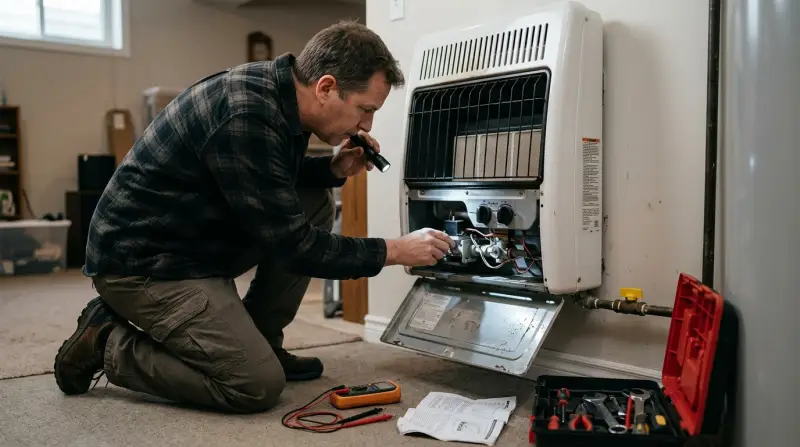
Most issues with Procom heaters fall into a few main categories. Knowing what to expect helps you react quickly and avoid bigger troubles.
- Heater Won’t Turn On
- The heater doesn’t start or shows no signs of power.
- Pilot Light Problems
- The pilot light won’t stay lit, flickers, or won’t ignite at all.
- Strange Noises
- Clicking, banging, or whistling during operation.
- Unusual Smells
- Odors like gas, burning, or mustiness when the heater runs.
- Heater Shuts Off Unexpectedly
- The unit turns off by itself, sometimes after only a few minutes.
- Heater Produces No Heat
- The fan runs, but there’s no warm air.
- Thermostat Issues
- The heater ignores the thermostat or cycles too often.
These issues can happen with natural gas, propane, or electric Procom heaters. The underlying causes range from simple (like a dirty pilot) to more serious (like a faulty thermocouple or gas leak).
Troubleshooting Procom Heater Problems
Before calling a repair service, you can try these troubleshooting steps. Many problems have simple solutions.
Heater Won’t Turn On
- Check the Power Source: Make sure the heater is plugged in or that the circuit breaker isn’t tripped.
- Inspect Batteries: If your model uses a remote or battery-operated ignition, test or replace the batteries.
- Reset the Unit: Some heaters have a reset button. Hold it for 5–10 seconds.
Pilot Light Won’t Stay Lit
- Clean the Pilot Orifice: Dust and debris often block the tiny pilot opening. Use compressed air or a soft brush.
- Check for Drafts: Open windows, fans, or even a strong breeze can blow out the pilot.
- Test the Thermocouple: This safety device may be dirty or worn out. If cleaning doesn’t help, it may need replacement.
Strange Noises
- Banging/Clicking: This may signal expanding metal, loose parts, or even air trapped in the lines.
- Whistling: Often caused by a dirty burner or restricted airflow. Cleaning the burner and checking for blockages can help.
Unusual Smells
- Gas Smell: Turn off the heater immediately. Open windows and leave the area. Call a professional—never ignore gas odors.
- Burning Smell: Dust burning off after long periods of no use is normal at first. Persistent smells could mean a wiring issue or debris inside the unit.
Heater Shuts Off Unexpectedly
- Overheating: Blocked vents or poor airflow can trigger safety shutoff.
- Faulty Thermostat: If the heater stops before reaching the set temperature, the thermostat may be malfunctioning.
- Low Gas Pressure: For gas models, supply issues can cause the heater to quit.
No Heat Produced
- Dirty Burners: Soot or dust can block flame production.
- Clogged Filters: Some models have air filters that need regular cleaning.
- Faulty Ignition: The igniter or ignition system may need attention.
Thermostat Issues
- Location: If the thermostat is near a draft or heat source, it may not sense the room temperature accurately.
- Wiring/Connections: Loose or corroded wires can cause erratic behavior.
Procom Heater Error Codes Explained
Many modern Procom heaters display error codes on a small screen. These codes help diagnose problems quickly.
| Error Code | Possible Meaning | Suggested Action |
|---|---|---|
| E1 | Overheat Protection | Check vents and airflow; let the unit cool |
| E2 | Ignition Failure | Inspect igniter, pilot, and gas supply |
| E3 | Thermostat Sensor Issue | Check sensor wiring or replace sensor |
| E4 | Flame Failure | Clean burners; confirm gas flow |
If your model doesn’t display error codes, use the troubleshooting steps above.
Maintenance Tips To Prevent Problems
Regular maintenance is the best way to avoid most Procom heater problems. Skipping these steps can lead to unexpected breakdowns or even safety hazards.
- Clean the Heater: Dust the outside and gently vacuum the vents and grills every few weeks.
- Inspect the Pilot and Burners: Look for soot, rust, or blockages. Clean with a soft brush or as recommended in your manual.
- Check for Gas Leaks: Use a soapy water solution on connections—bubbles mean a leak.
- Replace Batteries: For models with battery ignition, swap old batteries every heating season.
- Test the Thermostat: Compare the heater’s reading to a separate room thermometer.
Yearly Professional Inspection
At least once a year, have a licensed technician inspect your heater. They’ll check for deeper issues, including:
- Gas pressure and leaks
- Heat exchanger cracks
- Electrical connections
- Safety shutoff systems
Skipping this step is one of the most common mistakes—many problems develop slowly and are only spotted by a trained eye.
When To Call A Professional
Some heater problems should not be fixed by homeowners. If you notice any of these signs, call a certified technician right away:
- Persistent gas smell
- Repeated pilot light failure
- Visible sparks or electrical burning
- Heater trips the breaker repeatedly
- Unit is still under warranty
Trying to fix complex problems yourself can void the warranty or create safety risks.
Procom Heater: Gas Vs. Electric Models
Procom makes both gas (natural gas/propane) and electric heaters. While they share some issues, a few problems are unique to each type.
| Problem | Gas Heater | Electric Heater |
|---|---|---|
| Pilot won’t light | Common | Not applicable |
| Overheating | Possible | Possible |
| Fan not running | Rare | Common |
| Strange smells | Gas, burning, soot | Burning dust, wiring |
| Thermostat issues | Possible | Possible |
Non-obvious insight: Some owners think all heater problems are the same, but gas and electric models have unique risks. For example, a gas leak is never an electric heater problem, while electric models can face hidden wiring faults.
Safety Precautions For Procom Heaters
Heater safety is not just about comfort—it’s about protecting your home and family. Always follow these rules:
- Keep flammable items at least three feet from the heater.
- Install a carbon monoxide detector near gas heaters.
- Never block air vents; this can cause overheating and fires.
- Do not use extension cords for electric heaters.
- Check for recalls: Sometimes, specific models are recalled for safety reasons. Visit the manufacturer’s website or Consumer Product Safety Commission for updates.
User Mistakes That Cause Procom Heater Problems
Many heater issues are caused by common user mistakes, which can often be avoided:
- Neglecting maintenance: Dust, dirt, and lint block heaters over time.
- Ignoring error codes: These codes are warnings—don’t just reset the unit and forget.
- Covering the heater: Hanging clothes or placing items on top blocks airflow.
- Using the wrong fuel type: Never use propane in a natural gas heater, or vice versa.
- Skipping professional checks: DIY repairs may miss hidden dangers.
Non-obvious insight: Many people assume a burning smell is always harmless dust. However, repeated burning smells or smoke can signal a failing wire or component—a hidden fire risk.
Costs Of Repairing Procom Heaters
Repair costs vary by issue, but it helps to know what to expect before calling for help.
| Problem | Estimated Cost (USD) |
|---|---|
| Pilot light repair | $80–$150 |
| Thermocouple replacement | $90–$200 |
| Ignition system repair | $100–$250 |
| General cleaning/service | $70–$120 |
| Full diagnostic | $60–$100 |
These are general estimates and may vary based on your location and heater model.
How To Extend The Life Of Your Procom Heater
Want your heater to last for years? Here’s how to get the most from your investment:
- Run the heater at moderate settings. Avoid running at maximum heat for long periods.
- Follow the manual. Each model has unique care instructions—read yours carefully.
- Store the heater properly if you use it seasonally. Cover or wrap it to keep dust away.
- Use the right fuel. Never use substitutes or mix fuels.
- Replace worn parts early. Don’t wait for a breakdown.

Frequently Asked Questions
Why Does My Procom Heater Keep Shutting Off?
This usually happens due to overheating, blocked vents, or a faulty thermostat. Check for any airflow blockages and clean the unit. If the problem continues, the safety shutoff system may need professional repair.
Is It Safe To Use A Procom Heater Overnight?
Procom heaters are designed with safety features, but it’s safest to use them while awake and alert. Always keep a carbon monoxide detector near gas units and never leave the heater unattended for long periods.
What Should I Do If I Smell Gas From My Heater?
Turn off the heater, open windows, and leave the area immediately. Do not light matches or use electrical switches. Call your gas company or a professional technician right away.
How Often Should I Clean Or Service My Procom Heater?
Clean vents and surfaces every few weeks during use. Schedule a professional inspection and service at least once a year to keep the unit working safely and efficiently.
Can I Repair My Procom Heater Myself?
You can handle simple tasks like cleaning, changing batteries, or resetting the unit. For gas leaks, electrical issues, or repeated failures, call a certified technician. DIY repairs on gas lines or complex parts can be dangerous and may void your warranty.
If you use your Procom heater properly and keep up with regular maintenance, it should deliver reliable warmth for years. Always put safety first, and don’t hesitate to call for help when you need it. For more details on heater safety, see the Consumer Product Safety Commission site.