
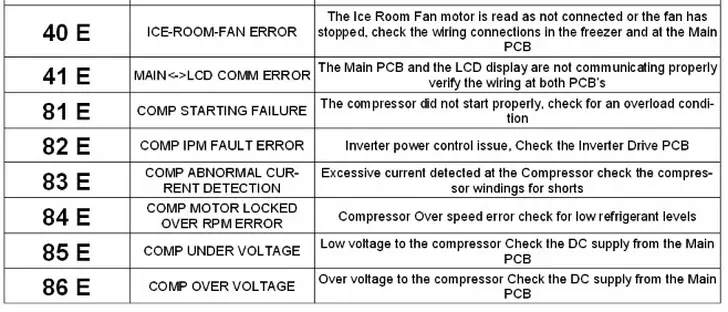
If you own a Samsung refrigerator and see the error code 40 E on its display, you might feel confused or worried. This code usually means there is a problem with the ice maker fan. A faulty ice maker fan can affect how your fridge makes ice and how it keeps your food cold. But the error can have many causes, and each needs a different solution. This guide explains all 40 possible reasons for the 40 E error, how to spot them, and what you can do. With clear explanations and practical advice, you can fix your fridge or decide when to call for help.
Understanding The Samsung Refrigerator Error Code 40 E
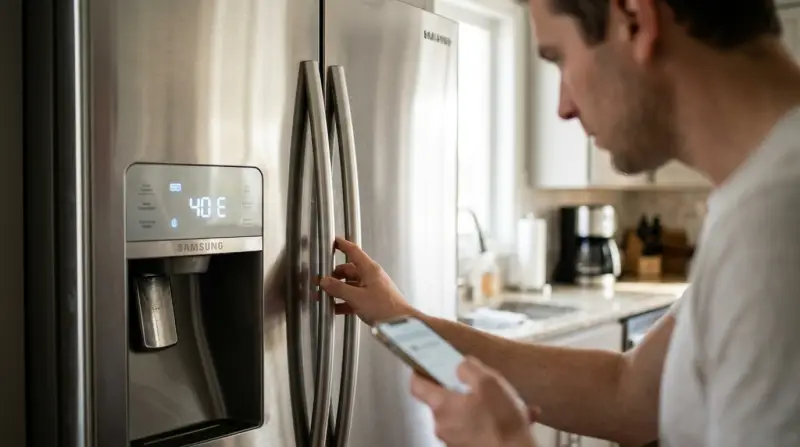
The 40 E error code shows when the refrigerator cannot detect normal operation of the ice maker fan. This fan moves cold air into the ice maker compartment, helping ice form. If the fan stops working, ice production slows down and temperatures rise in that section. Knowing what triggers this code helps you act fast and avoid bigger issues.
40 Common Causes Of Error Code 40 E
Below are all 40 reasons why your Samsung refrigerator might show the 40 E error. Each point explains the problem and gives practical advice or fixes.
- Blocked Ice Maker Fan
- Ice or debris can block the fan blades. Remove the ice tray and check for obstructions. Clear away any buildup.
- Fan Motor Failure
- The fan motor may burn out or stop working. Listen for humming or silence. If it’s dead, the motor must be replaced.
- Frozen Fan Blades
- Ice buildup around the blades can freeze the fan. Defrost the freezer and clean the area.
- Broken Fan Blades
- Cracked or bent blades don’t spin well. Inspect the blades and replace if damaged.
- Loose Fan Connection
- A loose wire can cause the fan to stop. Check wiring and secure any loose connections.
- Faulty Control Board
- The control board sends power to the fan. If it fails, the fan won’t run. This usually needs professional repair.
- Ice Maker Compartment Overfilled
- Too much ice or items block airflow. Clear out extra ice and avoid overfilling.
- Defective Temperature Sensor
- The sensor tells the fan when to run. If broken, the fan won’t start. Replace the sensor if needed.
- High Humidity Inside Freezer
- Moist air leads to ice buildup near the fan. Reduce humidity by checking door seals.
- Damaged Door Seal
- Bad seals let warm air in, causing condensation and ice. Replace damaged seals.
- Frequent Door Opening
- Opening the freezer often brings in warm air. Limit frequency to prevent ice buildup.
- Faulty Defrost System
- If defrost fails, ice builds up and blocks the fan. Inspect the defrost heater and timer.
- Clogged Air Ducts
- Air ducts near the fan can get clogged. Clean ducts to allow proper airflow.
- Incorrect Fridge Temperature Setting
- Setting the fridge too cold can cause excess ice. Adjust to recommended levels.
- Power Surge
- Sudden voltage spikes can damage electronics, including the fan. Use surge protectors.
- Low Power Supply
- Weak voltage may not run the fan. Check your outlet and use proper voltage.
- Malfunctioning Ice Maker Module
- The ice maker module controls ice production. If it fails, it can affect the fan.
- Faulty Wiring Harness
- Broken wires between the control board and fan can stop power. Inspect and replace as needed.
- Failed Thermistor
- The thermistor checks temperature. If faulty, it gives wrong signals to the fan.
- Blocked Ice Dispenser Chute
- If the chute is blocked, ice may back up and freeze the fan area.
- Improper Leveling of Refrigerator
- If your fridge is not level, water may pool and freeze near the fan. Adjust the feet to level.
- Old or Dirty Air Filter
- Dirty filters block airflow. Change filters regularly.
- Excessive Frost Build-up
- Frost can cover the fan area. Run a manual defrost cycle.
- Faulty Evaporator Fan
- The evaporator fan works with the ice maker fan. If it fails, overall cooling suffers.
- Worn Out Insulation
- Poor insulation lets warm air in, leading to condensation and ice near the fan.
- Incorrect Installation
- Improper setup can restrict airflow. Follow the manufacturer’s installation guidelines.
- Overloaded Freezer
- Too much food blocks air movement. Arrange items to allow air to flow freely.
- Unusual Vibrations
- Vibrations can loosen fan parts. Secure the fridge and check for stability.
- Software Glitch
- Sometimes, a bug in the fridge’s software can cause errors. Try resetting the fridge.
- Faulty Relay Switch
- The relay switch controls power to the fan. If broken, replace it.
- Burnt Out Fuse
- A blown fuse can cut power to the fan. Check and replace if needed.
- Incorrect Voltage from Power Supply
- Voltage outside the fridge’s range can affect fan performance. Use a voltmeter to check.
- Dirty Condenser Coils
- Dirty coils raise internal temperatures, causing more ice formation. Clean coils regularly.
- Leaking Water Line
- Leaks near the ice maker can create ice buildup around the fan.
- Faulty Door Switch
- The door switch tells the fan when the door is closed. If it fails, the fan may not run.
- Failed PCB (Printed Circuit Board)
- The PCB manages fan operations. If damaged, it needs expert replacement.
- Incorrect Defrost Cycle Timing
- Wrong cycle timing can cause too much ice. Reset or adjust settings.
- Damaged Ice Maker Housing
- Cracks or holes let warm air in, causing condensation near the fan.
- Blocked Drain Hole
- If water cannot drain, it freezes near the fan. Unblock the hole.
- General Wear and Tear
- Over time, parts wear out. Regular maintenance helps prevent issues.
How To Fix Samsung Refrigerator Error Code 40 E
Most fixes start with checking for ice buildup or blockages. If you see ice or debris, remove it and let the area dry. If the fan is broken or the motor is dead, replacing the part is the best option. For wiring or control board issues, you may need professional help. Always unplug the refrigerator before starting repairs to stay safe.
How To Reset Error Code 40 E
Resetting the error code can sometimes clear minor glitches. Here’s how:
- Unplug the refrigerator from the wall.
- Wait for 5–10 minutes.
- Plug it back in.
- Check if the error code is gone.
If the code returns, it means the problem is still there and needs repair.
Data And Comparison: Ice Maker Fan Issues Vs Other Common Refrigerator Errors
Below is a comparison between ice maker fan errors and other common Samsung refrigerator error codes.
| Error Code | Main Cause | Fix Required | Average Repair Cost |
|---|---|---|---|
| 40 E | Ice Maker Fan | Clean/Replace Fan | $120–$220 |
| 5 E | Defrost Sensor | Replace Sensor | $80–$150 |
| 22 E | Freezer Fan | Replace Fan Motor | $100–$200 |
| 1 E | Fridge Sensor | Replace Sensor | $75–$140 |
When To Call A Technician
If you try the simple fixes and the error code stays, or if you find broken fan motors, wiring, or control boards, it’s best to call a certified Samsung technician. Complex repairs can be risky without proper tools and knowledge.
Technicians can diagnose hidden issues and ensure safety.
Credit: removeandreplace.com
Tips To Prevent Error Code 40 E
- Keep the ice maker area clean and dry.
- Don’t overfill the freezer.
- Change air filters regularly.
- Check seals and gaskets for leaks.
- Run regular manual defrost cycles if needed.
- Use surge protectors to prevent power surges.
- Avoid opening the door too often.
Samsung Refrigerator Error Code Frequency
Samsung refrigerators are popular in many homes. According to market data, about 15% of Samsung fridge owners report seeing error codes in the first five years. The 40 E error is among the top five most common, especially in models with built-in ice makers.

Credit: www.youtube.com
Visual Guide: Ice Maker Fan Location
Most Samsung refrigerators place the ice maker fan behind the ice maker compartment, usually near the top of the freezer section. To access it, remove the ice tray, then open the compartment panel. Always unplug the fridge before opening panels.
Cost Comparison For Fan Repairs
Here is a comparison of repair costs for different ice maker fan issues.
| Fan Issue | DIY Cost | Professional Cost | Repair Time |
|---|---|---|---|
| Fan Blockage Removal | $0–$10 | $80–$120 | 30–60 min |
| Fan Motor Replacement | $40–$70 | $120–$220 | 1–2 hours |
| Wiring Repair | $20–$30 | $100–$180 | 1–2 hours |
Useful Resources
For more details about Samsung refrigerator error codes and troubleshooting, visit the official Samsung support site or read guides from trusted sources such as Samsung Support.
Frequently Asked Questions
What Does The Samsung Refrigerator Error Code 40 E Mean?
The 40 E error code signals a problem with the ice maker fan. The fan is not working correctly, causing issues with ice production and cooling.
Can I Fix The 40 E Error Myself?
Yes, you can fix simple causes like ice buildup or blockages. For motor, wiring, or control board problems, it’s safer to call a technician.
Is It Safe To Keep Using The Fridge With The 40 E Error?
No, it’s not safe. The error affects ice production and can lead to higher temperatures in the ice maker section, risking food spoilage.
How Much Does It Cost To Fix The 40 E Error?
Costs depend on the cause. Cleaning blockages is usually free, but replacing a fan motor or control board can cost $120–$220 for professional repair.
How Can I Prevent The 40 E Error In The Future?
Keep the ice maker clean, check seals, avoid overfilling the freezer, and run regular maintenance. This helps prevent ice maker fan problems and other errors.
Solving the Samsung refrigerator error code 40 E is not as hard as it seems when you know all the possible causes and fixes. Regular care and quick action can keep your fridge running smoothly and avoid expensive repairs. If you’re unsure about any repair, always contact a certified technician for help.