
Many people trust Samsung refrigerators for their modern features and reliability. But what happens when the fridge section stops cooling, while the freezer remains cold? This is a confusing problem for many homeowners. Food in the fridge spoils, drinks are warm, but ice cream in the freezer is perfectly fine.
If you face this problem, you’re not alone this is a common issue. Let’s explore why it happens, how to identify the cause, and what you can do to fix it.
How A Samsung Refrigerator Cools: Basic Overview
Understanding the cooling system will make troubleshooting easier. A typical Samsung refrigerator uses one cooling system to chill both the fridge and the freezer. The compressor and evaporator coil (usually located in the freezer) produce cold air. A fan then blows cold air from the freezer into the fridge compartment through vents.
So, when the freezer is working but the fridge is not, the problem is likely somewhere between the freezer and the fridge airflow. Recognizing this helps you focus your efforts.
Common Causes: Fridge Not Cooling, Freezer Fine
Several issues can cause the refrigerator section to lose cooling while the freezer keeps working. Here are the most frequent causes:
- Blocked Air Vents: Cold air moves from the freezer to the fridge through vents. If these are blocked by food or ice, the fridge won’t cool.
- Evaporator Fan Failure: The fan pushes cold air into the fridge. If it fails, the freezer stays cold but the fridge warms up.
- Frost Build-Up or Ice Blockage: Excess frost can block airflow. The freezer works, but the fridge doesn’t get cold air.
- Defrost System Problem: If the defrost system fails, ice builds up and blocks airflow.
- Damper Control Issue: The damper controls how much cold air enters the fridge. If it’s stuck closed, the fridge won’t cool.
- Thermistor or Temperature Sensor Fault: If the sensor is bad, the fridge may not know to cool.
- Main Control Board Problem: If the control board malfunctions, it may not direct the fan or compressor correctly.
Step-by-step Troubleshooting Guide
Let’s walk through what you can check and fix yourself before calling a professional. Most of these steps are safe for the average homeowner.
Check For Blocked Vents
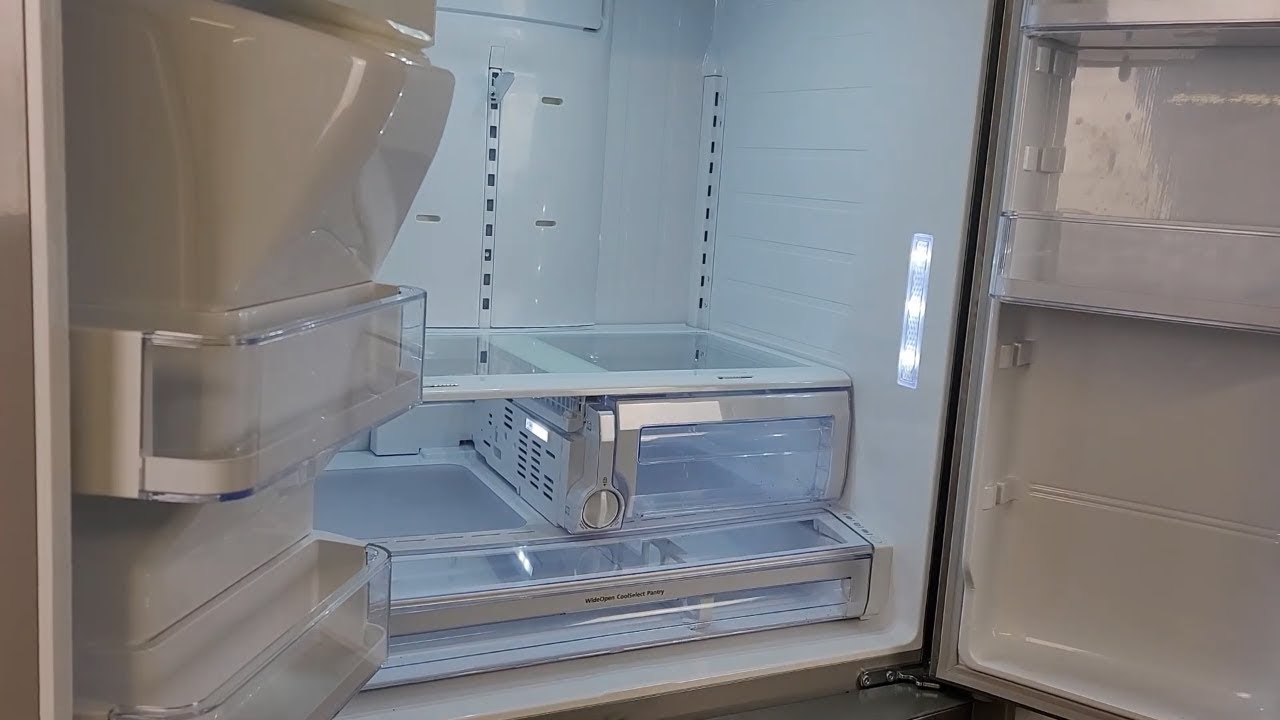
Open your refrigerator and freezer. Look for air vents—these are usually at the back, sides, or top of the fridge section. Are they blocked by bags, boxes, or containers? Move any items away from the vents.
Air needs space to circulate. Always leave a few inches of space around vents for best cooling.
Listen For The Evaporator Fan
Open the freezer door. Do you hear a small fan running? If not, the evaporator fan may have failed. This fan should run whenever the compressor is running and the door is closed.
How to check: Press and hold the door switch (which turns the light on/off) to simulate a closed door. If the fan does not run, it may be faulty.
Inspect For Frost Or Ice Build-up
Remove the freezer drawers and shelves. Look at the back panel. If you see a thick layer of frost or ice, your fridge may have a defrost system problem.
What to do: Unplug the fridge and let it thaw for 24–36 hours. This will melt the ice and may restore airflow, but it’s a temporary fix. The underlying problem may return.
Check The Damper Control
The damper is a small door that opens and closes to let cold air into the fridge. Find it (often near the top back of the fridge compartment). Is it stuck or closed? Gently move it to see if it opens and closes freely.
Test The Thermistor (temperature Sensor)
The thermistor reads the temperature and tells the control board when to cool. If it fails, the fridge may not cool at all. You’ll need a multimeter to test it, or you may need a technician’s help.
Main Control Board Issues
If all else fails, the main control board could be the culprit. This is a more advanced repair, best left to professionals.
Quick Comparison: Easy Fixes Vs. Professional Repair
Here’s a simple table to help you decide if you can fix the issue or need expert help:
| Problem | DIY Fix | Professional Needed? |
|---|---|---|
| Blocked Air Vents | Yes | No |
| Evaporator Fan Failure | No | Yes |
| Ice/Frost Build-Up | Temporary Thaw | Yes (if recurring) |
| Damper Control Jammed | Sometimes | Yes (if broken) |
| Thermistor or Board Fault | No | Yes |
Signs You Need A Technician
Some problems are best handled by a skilled appliance repair person. Consider calling for help if:
- The evaporator fan does not run even after you press the door switch.
- Frost builds up again soon after thawing.
- The damper control is broken or won’t move.
- The control board or thermistor seem faulty.
- You’re uncomfortable with electrical tests.
Bonus insight: Many people overlook the importance of the refrigerator’s serial number and model information. This info is needed when ordering parts or asking for support. You can find it on a sticker inside the fridge or behind the lower kick plate.
Hidden Factors That Beginners Miss
Even careful homeowners miss these two factors:
- Room Temperature: If your kitchen is very hot or cold, the fridge may not work as expected. Refrigerators are designed for normal indoor temperatures (typically 60–90°F). Extreme heat can stress the cooling system, while extreme cold can confuse the thermostat.
- Door Gasket Leaks: If the rubber door seal is damaged, air leaks out, making the fridge work harder. Check for cracks, tears, or dirt on the gasket. Clean it with warm soapy water, or replace it if it’s damaged.
Samsung Refrigerator Error Codes
Many Samsung models show error codes on the control panel. These codes can give clues to the problem. For example:
- 5E, SE: Defrost error
- 22E, 22C: Fan error
- 88 88 or 83E: Main PCB error
If you see an error code, check your user manual or search online for the meaning. This can save time and guesswork.
Preventing Future Cooling Problems
Once you fix the problem, take steps to keep your fridge working well:
- Don’t overload shelves or block vents.
- Check and clean door seals monthly.
- Defrost the freezer if ice builds up.
- Keep the fridge and freezer at proper temperatures (fridge: 37–40°F, freezer: 0°F).
- Clean condenser coils every 6 months.
Real-world tip: Sometimes, a simple power reset fixes electronic glitches. Unplug the fridge for 5 minutes, then plug it back in.
Real Example: User Experience
A Samsung fridge owner noticed her milk was spoiling quickly, but her ice cream stayed solid. She checked the air vents and found them blocked by a big cake box. After moving it, the fridge cooled properly again in a few hours.
Lesson: Always check for simple solutions first. Many issues have easy fixes.
Data: How Common Is This Problem?
According to appliance repair data from the US, about 30% of refrigerator service calls are for “fridge not cooling, freezer cold” problems. Samsung is not alone—this issue happens with many brands that use a single cooling system with air vents.
Cost Comparison: Diy Vs. Professional Repair
Wondering about repair costs? Here’s a quick look:
| Repair Type | DIY Cost | Professional Cost |
|---|---|---|
| Thaw Ice Blockage | $0 (time only) | $100–$200 |
| Replace Evaporator Fan | $40–$90 (part only) | $200–$400 |
| Replace Damper | $30–$80 (part only) | $150–$300 |
| Replace Main Board | $80–$200 (part only) | $300–$600 |
DIY saves money, but only if you’re comfortable working with appliances.
When To Replace Vs. Repair
If your Samsung refrigerator is over 10 years old and repair costs are high, it may be smarter to replace it. Newer models are more energy efficient and often come with better warranties. If you need more information on energy ratings, check out this Energy Star guide.

How To Keep Your Food Safe
While your fridge is not cooling, move perishable food (like milk, meat, eggs) to a cooler with ice or to a neighbor’s fridge. Food can spoil quickly above 40°F. Use a thermometer to check temperatures if you’re not sure.
Frequently Asked Questions
Why Is My Samsung Fridge Warm But The Freezer Is Cold?
Usually, there’s a problem with airflow. Cold air from the freezer isn’t reaching the fridge section. Check for blocked vents, ice build-up, or a failed evaporator fan.
How Long Does It Take For The Fridge To Get Cold Again After A Fix?
After clearing a blockage or resetting the fridge, it can take up to 24 hours for the fridge to return to normal temperature. Keep the doors closed as much as possible.
What Temperature Should My Samsung Fridge And Freezer Be Set To?
Set your fridge to 37–40°F and your freezer to 0°F for best results. These settings keep food safe and energy use low.
Is It Safe To Eat Food That Was Stored In A Warm Fridge?
If food was above 40°F for more than 2 hours, it may not be safe, especially dairy, meat, and leftovers. When in doubt, throw it out to avoid food poisoning.
Can I Reset My Samsung Fridge To Fix Cooling Problems?
Yes, sometimes a power reset helps. Unplug the fridge for 5 minutes, then plug it back in. If this doesn’t help, other repairs may be needed.
A Samsung refrigerator that’s not cooling but has a working freezer can be frustrating, but most problems have clear solutions. Start with simple checks, like blocked vents and frost build-up. If you need help, don’t hesitate to call a professional especially for electrical parts.
Regular cleaning and smart use can help prevent future problems and keep your food safe.