
A home safe can bring peace of mind. You trust it to protect your valuables, documents, and sometimes even memories. Among the most popular choices is the Sentry Safe with a keypad lock. These safes are everywhere in homes, offices, and even small shops. But what happens when the keypad fails? Suddenly, your secure box feels like a trap. Many people have faced this issue, and it can be frustrating, confusing, and sometimes expensive to fix. If you are dealing with a Sentry Safe keypad failure, you are not alone. This article will help you understand why it happens, how to troubleshoot, and what steps you can take to regain access without panic. By the end, you will have a clear plan for both prevention and action, plus answers to the most common questions people ask.
How Sentry Safe Keypads Work
Understanding how a Sentry Safe keypad functions helps you spot problems faster. These keypads are electronic locks powered by batteries. When you enter your code, the keypad sends a signal to release the locking mechanism inside the safe. If the code is correct, the safe opens. If not, it remains locked.
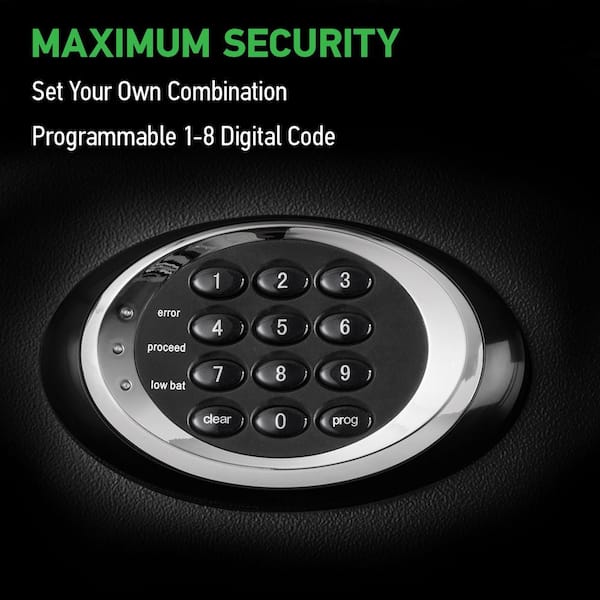
A typical Sentry Safe keypad system has:
- Battery compartment (usually inside or under the keypad)
- Keypad circuit board
- Locking solenoid or motor
- Manual key override (on many models)
Most safes use a 4-6 digit code. Some allow multiple codes or even temporary guest codes. The electronics handle code entry, error checking, and (in some models) lockout after too many wrong attempts.
Common Signs Of Keypad Failure
Knowing what to look for helps you act quickly. Here are some typical symptoms of a failing Sentry Safe keypad:
- No response when pressing buttons
- Flashing or dim lights on the keypad
- Beeping sounds that are different from normal
- Error messages or repeated lockouts
- Safe won’t open even with the correct code
Some failures are sudden—one day it works, the next it doesn’t. Others show warning signs, like buttons becoming less responsive or the safe taking longer to open.
Why Sentry Safe Keypads Fail
Electronic keypads make life easier, but they are not perfect. Here are the main reasons why they stop working:
- Dead Or Weak Batteries: The most common cause of keypad failure is battery issues. Even if the keypad lights up, weak batteries can send unstable power to the electronics. This causes glitches, slow response, or total failure. Sentry Safe recommends using fresh, high-quality alkaline batteries (not rechargeable or generic brands).
- Battery Corrosion: Batteries left too long can leak. Corrosion inside the battery compartment can break connections and damage the circuit board. Signs include white or green powder, rust, or sticky residue. This can stop the keypad from working, even with new batteries.
- Worn Out Keypad Buttons: Frequent use wears out the membrane switches under the buttons. Over time, some numbers may stop registering. This is more common in older safes or those in busy locations.
- Damaged Circuit Board: A circuit board inside the keypad processes your code. Power surges, battery leaks, or moisture can cause it to fail. When this happens, the keypad might behave erratically, or not at all.
- Lockout Mode: If the wrong code is entered too many times, the safe may enter lockout mode. The keypad may beep, flash lights, or simply not respond. This is a security feature, not a true failure, but it feels like one.
- Mechanical Jam: Sometimes, the issue is not the keypad itself. A jammed bolt mechanism inside the safe can prevent it from unlocking, even if the keypad works. This can be due to rough handling, overstuffing, or wear.
- Water Or Humidity Damage: Sentry Safe keypads are not waterproof. High humidity, spills, or direct exposure to water can cause short circuits or corrosion on the electronics.
- Manufacturing Defects: In rare cases, a new safe may have a faulty keypad or wiring from the factory. These issues often appear within the first year and may be covered by warranty.

Troubleshooting A Sentry Safe Keypad Failure
If your Sentry Safe keypad has stopped working, don’t panic. Many problems can be fixed without special tools or locksmiths. Here’s a step-by-step guide to diagnosing the issue.
Check The Batteries
- Remove the battery cover (usually under or behind the keypad)
- Replace with new, high-quality alkaline batteries
- Make sure the batteries are inserted in the correct direction
- Wait 10-15 seconds and try your code again
Batteries can look new but still be weak. Always use fresh, unopened batteries for testing.
Inspect For Corrosion
- Look inside the battery compartment for white, green, or powdery residue
- If you see corrosion, carefully clean with a cotton swab and a little white vinegar or baking soda solution
- Dry thoroughly before inserting new batteries
If corrosion is severe, the contacts may be damaged beyond home repair.
Test The Keypad Buttons
- Press each number and listen/feel for a click
- Try entering your code slowly and watch for any stuck or unresponsive buttons
- Some models beep or flash when a button is pressed—note any odd behavior
If some buttons don’t work, the keypad membrane may be worn out.
Watch For Error Codes Or Lockout
- If the safe beeps or flashes after a wrong code, wait for a few minutes before trying again
- Some safes lock out for 5–15 minutes after too many wrong tries
Consult your safe’s manual for error indicators specific to your model.
Try The Manual Key
Most Sentry Safes come with a manual override key. If the keypad fails, you can usually open the safe with this key. The keyhole is sometimes hidden behind the logo or a removable panel.
- Insert the key and turn slowly—don’t force it
- If the key doesn’t turn, the bolts may be jammed or misaligned
Never try to drill the lock or use excessive force; you can cause more damage.
Listen For Sounds
When entering the code, listen for clicks, whirring, or beeps. No sound can mean the keypad isn’t getting power. A click but no unlock may point to a jammed bolt.
Check For Moisture
If your safe is in a humid area (like a basement), open the battery compartment and look for moisture or rust.
Try A Power Reset
Some Sentry Safe models reset if you remove the batteries and press the “#” or “*” button for 10 seconds (check your manual). After that, reinsert the batteries and try again.
Consult The Manual
Each Sentry Safe model has its own features. Your manual may list unique error codes or reset steps. If you’ve lost the manual, most are available on the Sentry Safe website.
When To Call A Locksmith Or Sentry Safe Support
Some keypad failures are too complex for home fixes. Here’s when you should get professional help:
- The keypad is totally unresponsive after new batteries and cleaning
- You see severe corrosion or broken components inside
- The manual override key is lost or does not work
- The bolt or door seems stuck even when the code is correct
- You suspect a factory defect (contact Sentry Safe if the safe is under warranty)
A professional locksmith or Sentry Safe’s support team can often help without damaging the safe or its contents.
Cost Of Professional Help
Service costs vary. A basic locksmith call can range from $75 to $200, depending on your location and the complexity of the safe. Sentry Safe may send replacement parts for free if your model is under warranty. Always ask for a quote before agreeing to service.
Comparing Sentry Safe Keypad Issues With Other Brands
How does Sentry Safe stack up against competitors? Here’s a comparison of common keypad failure rates and support experiences among popular safe brands.
| Brand | Keypad Failure Rate (Est.) | Average Support Response | Manual Key Override? |
|---|---|---|---|
| Sentry Safe | Medium (reports of battery/contact issues) | 24–72 hours | Yes (most models) |
| Honeywell | Medium-Low | 48–96 hours | Yes |
| Barska | Medium-High (more electronic failures) | 24–48 hours | Yes |
| AmazonBasics | High (battery door issues) | Unknown | Yes |
Sentry Safe’s keypad issues are not unique. Most brands use similar components, but battery life and contact quality seem to be slightly better on some higher-end models. One area where Sentry Safe stands out is the availability of manuals and support resources online.
Preventing Sentry Safe Keypad Failures
Prevention is always better (and cheaper) than repair. Here’s how to reduce the risk of keypad failure:
- Use Quality Batteries: Always choose name-brand alkaline batteries (like Duracell or Energizer). Change them at least once a year, even if the safe seems fine. Avoid mixing old and new batteries.
- Keep The Safe Dry: Place your safe in a dry, low-humidity area. If you must use it in a basement or near water, consider using silica gel packs inside to absorb moisture.
- Don’t Overstuff: Overloading the safe can strain the locking bolts and make the mechanism jam. Leave enough space for the door to close easily.
- Clean The Keypad: Wipe the keypad with a dry or slightly damp cloth every few months. Avoid harsh cleaners or soaking the buttons.
- Test Regularly: Open and close the safe at least once a month to check the keypad and locking mechanism. This helps you spot problems early.
- Replace Worn Parts: If you notice buttons becoming unresponsive, contact Sentry Safe for replacement parts before the problem gets worse.
- Record Your Code And Key Location: Keep your combination and manual key in a safe place—not inside the safe. Many people forget their code or lose the key, making a small problem much bigger.
- Avoid Diy Electrical Repairs: Attempting to fix circuit boards or wiring without experience can make things worse. If you suspect an internal electronic failure, call for professional help.

Real-life Experiences: What People Face With Sentry Safe Keypad Failures
Reading user experiences can help you avoid common mistakes. Here are some real situations people have reported:
- Locked out after a vacation: One user returned home after a month, found the keypad dead, and realized the batteries had leaked. Luckily, they had the manual key.
- Batteries changed, still not working: Several people report replacing batteries, but the safe remains locked. Often, this is due to corrosion or poor contact—cleaning the battery terminals sometimes solves it.
- Keypad works, safe won’t open: In a few cases, the keypad lights up and accepts the code, but the door stays locked. This usually means a jammed bolt, not a keypad problem.
- Lost the manual key: Many people forget where they put the override key. Without it, a simple keypad issue can become a big headache.
- Humidity damage: Safes kept in damp areas sometimes show keypad errors or corrosion. Using silica gel and moving the safe helps prevent this.
A key insight: Most lockouts are preventable with regular battery changes and occasional checks.
Sentry Safe Keypad Models And Their Common Issues
Different Sentry Safe models use different types of keypads. Here’s a quick look at some popular models and the most reported problems.
| Model | Keypad Type | Common Issue | Manual Key? |
|---|---|---|---|
| SFW123GDC | Backlit digital keypad | Battery contact corrosion | Yes |
| X055 | Simple digital keypad | Worn out buttons | Yes |
| QAP1BE | Biometric + keypad | Fingerprint sensor failure | Yes |
| T6-331 | Standard keypad | Lockout after multiple incorrect tries | Yes |
Knowing your model helps when seeking replacement parts or technical support.
Should You Replace, Repair, Or Upgrade Your Safe?
When your Sentry Safe keypad fails, you have a few options. The right choice depends on the age, value, and importance of your safe.
Repair
If the safe is relatively new and the problem is minor (like battery corrosion or worn buttons), repair makes sense. Sentry Safe sells replacement keypads for many models, and a locksmith can fix mechanical jams.
Replace
If your safe is old or has repeated problems, it may be time for a new one. Continuous failures can risk your valuables and cause more stress. Modern safes sometimes have better seals, electronics, and power options.
Upgrade
If you are often locked out or need faster access, consider upgrading to a safe with biometric (fingerprint) access or a newer electronic lock. Some advanced models offer better battery life and tamper alerts.
Cost Comparison
Here’s a quick look at the typical costs for each option:
| Action | Approximate Cost | Typical Time to Fix |
|---|---|---|
| Battery replacement/cleaning | $5–$20 | 10–30 minutes |
| Keypad replacement | $35–$100 | 1–2 hours |
| Professional locksmith | $75–$200 | 30–90 minutes |
| New safe (similar size) | $100–$400 | Varies (shopping + install) |
Repair is often quickest and cheapest for simple failures. Replacement or upgrade is best for repeated or severe problems.
How Sentry Safe Keypad Failures Affect Security
When your safe’s keypad fails, your valuables are at risk in two main ways:
- You can’t access your items in an emergency. If you need documents or medication quickly, a failed keypad can be dangerous.
- Forced entry risks: Trying to force the safe open can damage both the lock and the safe, sometimes making it easier for thieves later.
A failed keypad is not just an inconvenience; it can be a real security risk. That’s why prevention and quick troubleshooting matter.
Non-obvious Insights About Sentry Safe Keypads
Most guides cover the basics, but here are two things many users miss:
- Battery Brand Matters: Some off-brand batteries are slightly shorter or have weaker contacts, which can cause intermittent failures. Always use top brands and check that the batteries fit snugly.
- Annual “Safe Day”: Setting a yearly reminder to check batteries, wipe the keypad, and test your override key can prevent most surprises. Many people wait until the keypad fails, but prevention is much easier than rescue.
A third point: If you move your safe often, wires can become loose inside the keypad. If you notice failures after moving, this may be the cause.
Sentry Safe Customer Support And Resources
Sentry Safe offers several ways to get help:
- Online manuals and troubleshooting guides are available at their official website.
- Replacement parts (keypads, keys) can be ordered directly or through some retailers.
- Warranty claims are typically honored for defects within the first year.
- Phone and email support: Response times are usually 1–3 business days.
One helpful resource is the Sentry Safe YouTube channel, which has video guides for battery changes and keypad fixes.
For more advanced troubleshooting or to order parts, visit the official Sentry Safe Support.
Frequently Asked Questions
What Should I Do If My Sentry Safe Keypad Is Not Responding At All?
First, replace the batteries with new, high-quality alkaline ones. Make sure the battery contacts are clean and free from corrosion. If the keypad still does not respond, try using the manual override key. If all else fails, contact Sentry Safe support or a trusted locksmith.
Can I Open My Sentry Safe If I Lost Both The Code And The Manual Key?
Without the code or the manual key, opening the safe becomes very difficult without professional help. You will need to contact Sentry Safe with proof of ownership. In most cases, a locksmith can open the safe, but this may involve drilling and can damage the lock.
How Often Should I Change The Batteries In My Sentry Safe Keypad?
It’s best to change the batteries at least once a year, even if the safe seems to work fine. For high-traffic safes or those in cold/hot environments, check every six months to avoid unexpected failures.
Why Does My Sentry Safe Enter Lockout Mode After A Few Wrong Attempts?
This is a security feature. After several incorrect code entries, the safe’s keypad will lock for a set period (usually 5–15 minutes) to prevent tampering. Wait for the lockout period to end before trying again with the correct code.
Are Sentry Safe Keypads Waterproof Or Suitable For Outdoor Use?
No, Sentry Safe keypads are not waterproof. Moisture can damage the electronics, so always use your safe in a dry, indoor location. If you must place it in a humid area, add moisture absorbers inside.
When a Sentry Safe keypad fails, it can feel like a major problem. But with a little knowledge, most issues are preventable or fixable. Remember to use quality batteries, check for signs of wear, and keep your manual key handy. Regular maintenance and quick action at the first sign of trouble can save you time, money, and stress. If all else fails, expert help is available—so your valuables stay safe, and you stay in control.