
A leaking Speed Queen washer can quickly turn laundry day into a headache. You might notice water pooling under the machine or a slow drip that builds over time. These leaks not only waste water but can also damage floors and walls, leading to expensive repairs. The good news is, most leaks have clear causes and can often be fixed with some basic troubleshooting.
Understanding why your Speed Queen washer is leaking is the first step toward a solution. This guide will walk you through common causes, practical fixes, and when to call in a professional. Whether you own a top-load or front-load model, you’ll find advice you can use right away.
Common Causes Of A Speed Queen Washer Leak
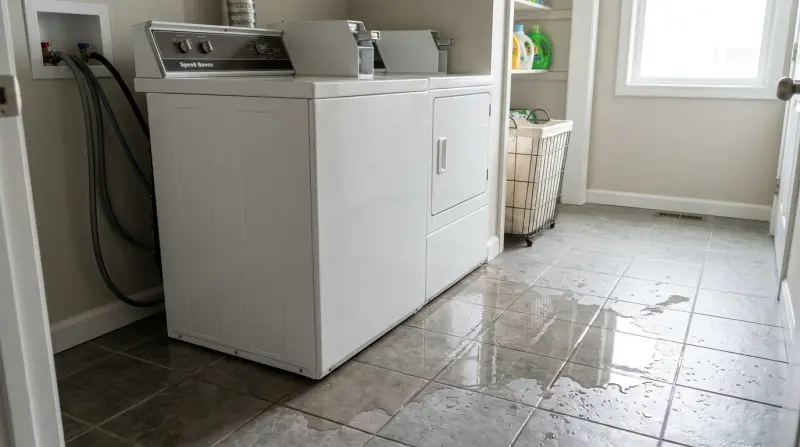
Several issues can cause a Speed Queen washer to leak. Each type of leak points to a different problem. Below are the most frequent reasons:
- Worn Door Seal: Front-load models use a rubber gasket to keep water inside. If the seal tears or wears out, water escapes, especially during a wash cycle.
- Loose or Damaged Hoses: Both the inlet and drain hoses can come loose, split, or crack over time. Even a small hole can leak a surprising amount of water.
- Overloading: Packing too many clothes into the washer stresses the drum and can cause water to spill over the sides.
- Blocked Drain Pump or Filter: A clogged drain pump can force water back into the tub, leading to overflow.
- Faulty Water Inlet Valve: If this valve fails, water may continuously enter the washer—even when not in use.
- Detergent Issues: Using too much detergent or the wrong type can cause excessive suds, which may leak out of the machine.
- Damaged Tub or Drum: Cracks or holes in the washer tub are rare but can cause persistent leaks.
- Improper Installation: If the washer isn’t level or the hoses aren’t securely attached, leaks can occur right from the start.
How To Identify Where The Leak Is Coming From
Pinpointing the source of the leak saves time and helps you choose the right fix. Here’s how you can locate the problem:
- Check Under the Washer: Look for water trails. If the leak is at the front, the door seal may be to blame. Leaks at the back often point to hose issues.
- Inspect the Hoses: Run your hand along the inlet and drain hoses. Wet spots or mineral deposits signal a leak.
- Observe During Cycles: Start a short wash and watch for leaks during fill, wash, and drain stages.
- Look at the Door Seal: For front-loaders, gently pull back the rubber gasket and look for tears, mold, or debris.
- Check the Detergent Drawer: Over-sudsing can cause leaks here, especially if you see water running down the front.
If you can’t locate the leak, place a dry towel under different parts of the washer, then check which towel is wet after a cycle.

How To Fix A Leaking Speed Queen Washer
Once you’ve found the source, you can often fix the leak yourself. Here are the most effective solutions, grouped by the problem area.
Fixing Door Seal Leaks
- Clean the Seal: Wipe away dirt, lint, and detergent buildup.
- Replace Damaged Seals: Order the correct gasket for your model. Removing and replacing the seal usually takes about 30–60 minutes.
- Check for Foreign Objects: Coins, buttons, or small socks can get stuck and damage the seal.
Securing Or Replacing Hoses
- Tighten Connections: Use pliers to gently tighten loose hose clamps. Don’t overtighten, as this can crack plastic fittings.
- Replace Old Hoses: If hoses are cracked or bulging, swap them out. Choose high-quality, reinforced hoses for better durability.
- Regularly Inspect: Check hoses every 6–12 months, especially if your washer is older.
Preventing Overloading
- Follow Load Guidelines: Check your user manual for load size recommendations.
- Leave Space: Don’t fill the drum more than three-quarters full. This protects the washer and ensures clothes get clean.
Clearing Clogs
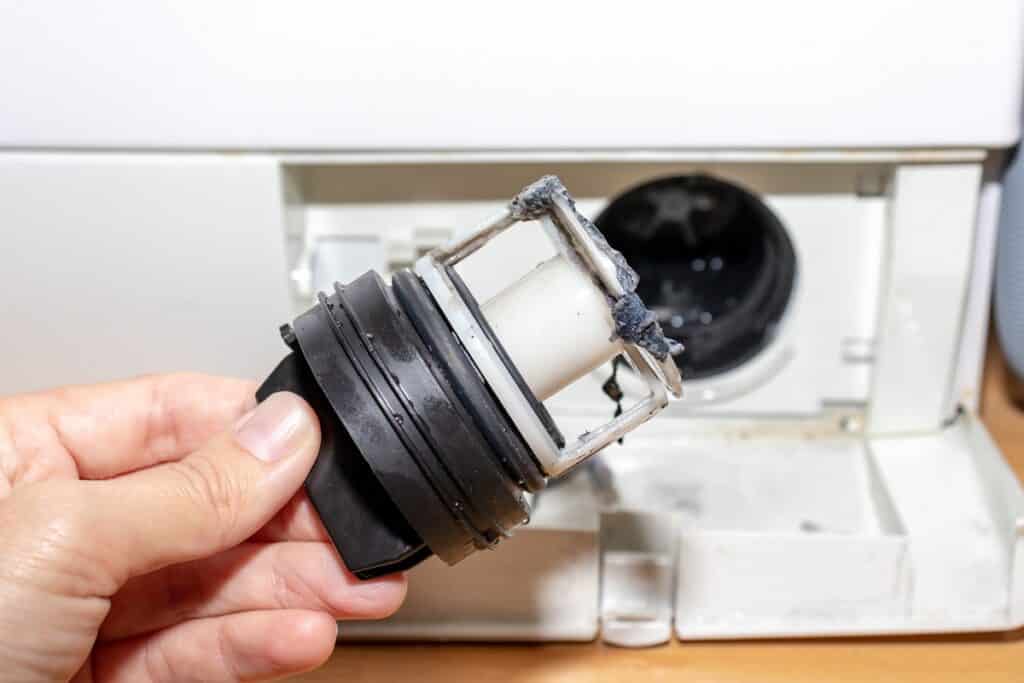
- Clean the Drain Pump Filter: Most Speed Queen washers have a filter behind a small door at the front or back. Turn off power, open the cover, and remove debris.
- Flush the Drain Hose: Disconnect it and run water through to clear any blockages.
Fixing The Water Inlet Valve
- Test the Valve: If water continues to flow into the washer when off, the valve needs replacement.
- Replace if Needed: Consult your manual for the correct part number. This fix usually takes 30–45 minutes.
Handling Detergent Issues
- Use HE Detergent: High-efficiency (HE) washers need low-sudsing detergent.
- Measure Carefully: More soap doesn’t mean cleaner clothes. Stick to the recommended amount.
Repairing A Damaged Tub
- Inspect for Cracks: If you see visible cracks, a professional repair or replacement is best.
- Avoid DIY Repairs Here: Tub fixes require special tools and skills.
Correcting Installation Mistakes
- Level the Washer: Adjust the feet so the washer sits flat. Use a bubble level if needed.
- Secure All Hoses: Double-check all connections before using the washer.
When To Call A Professional
Not every leak is a simple fix. Here are situations where expert help is safest:
- Persistent Leaks: If you fix one area but water keeps appearing, a hidden problem may exist.
- Electrical Issues: Water near wiring is dangerous. Never try to repair these yourself.
- Tub or Drum Repairs: These parts are heavy, complex, and often require special tools.
- Warranty Coverage: If your washer is under warranty, DIY repairs can void coverage. Check your policy before proceeding.
Professional repairs cost more, but they’re often faster and prevent further damage. Always ask for a written estimate before work begins.
Credit: www.handlerappliance.com
Cost Comparison: Diy Vs. Professional Repair
To help you decide, here’s a side-by-side look at typical costs for fixing common leaks:
| Repair Type | DIY Cost (USD) | Pro Cost (USD) |
|---|---|---|
| Door Seal Replacement | $30–$80 | $150–$250 |
| Hose Replacement | $10–$30 | $90–$180 |
| Water Inlet Valve | $25–$50 | $120–$200 |
| Drain Pump Cleaning | $0 | $90–$160 |
As you can see, DIY repairs often save money, but professional work comes with guarantees.
Preventing Future Washer Leaks
Stopping leaks before they start is the best approach. Here’s how to keep your Speed Queen washer in top shape:
- Inspect Hoses Regularly: Replace hoses every 3–5 years or at the first sign of wear.
- Clean the Door Seal: Wipe the rubber gasket weekly to prevent mold and buildup.
- Use the Right Detergent: Always use HE detergent if your washer requires it.
- Don’t Overload: Stick to recommended load sizes.
- Check Installation: Ensure the washer is level after moving it.
- Schedule Maintenance: Have a professional inspect your washer every few years.
Speed Queen Washer: Top-load Vs. Front-load Leak Risks
Different washer designs have different leak risks. Here’s a quick comparison:
| Feature | Top-Load | Front-Load |
|---|---|---|
| Door Seal | Less prone to leaks | Can wear out and leak |
| Detergent Drawer | Rarely leaks | Can leak if overfilled |
| Drain Pump | Clogs possible | Clogs possible |
| Hose Issues | Equally likely | Equally likely |
Front-loaders are more likely to have door seal leaks, while top-loaders are generally simpler to fix. Knowing your model helps you focus your troubleshooting.
Signs You Should Replace Your Washer
Sometimes, fixing a leak isn’t worth it. Here’s when replacement makes sense:
- Washer Age: Most washers last 10–14 years. If yours is older, a new unit may be more cost-effective.
- Frequent Repairs: If you’re calling for service every year, the costs add up.
- Visible Rust or Corrosion: This usually means more leaks are coming.
- Inefficiency: New washers use less water and energy, saving money long-term.
If you’re unsure, compare repair costs to the price of a new washer. Many appliance stores offer free estimates and recycling for your old unit.

Credit: www.youtube.com
What Most Owners Miss About Washer Leaks
Two things often surprise Speed Queen owners:
- Leaks Can Start Small: A tiny drip under the washer can mean a bigger problem inside. Even a little moisture should be checked right away.
- Hard Water Worsens Leaks: If you live in an area with hard water, mineral buildup can damage seals and hoses faster. Using a water softener or cleaning components regularly can extend your washer’s life.
Diagnosing Unusual Leaks
Sometimes, leaks happen during only one part of the cycle, like filling or spinning. Here’s how to narrow it down:
| Cycle Stage | Possible Cause | Fix |
|---|---|---|
| Filling | Inlet hose or valve | Tighten/replace hose or valve |
| Washing | Door seal, tub crack | Replace seal or call for repair |
| Draining | Drain pump or hose | Clean/replace pump or hose |
| Spinning | Overload, unbalanced load | Reduce load, redistribute clothes |
Observing *when* the leak occurs gives you a strong clue about *where* to look first.
Frequently Asked Questions
Why Does My Speed Queen Washer Leak Only During The Spin Cycle?
Leaks during the spin cycle often point to a loose or damaged drain hose or an unbalanced load. When the drum spins fast, water can escape if hoses are not secure or if too many clothes push water over the edge. Check and tighten all hose connections and avoid overloading.
Can Using The Wrong Detergent Make My Washer Leak?
Yes, using non-HE detergent or too much soap creates excess suds. These bubbles can push through seals and the detergent drawer, causing leaks. Always use the amount and type of detergent recommended by Speed Queen.
How Often Should I Replace Washer Hoses?
Most experts recommend replacing washer hoses every 3–5 years. Even if they look fine, hoses can weaken inside. If you notice any swelling, cracking, or leaks, replace them immediately.
Is It Safe To Use My Washer If It’s Leaking A Little?
It’s best to stop using the washer until you find and fix the leak. Even a small amount of water can cause electrical hazards or lead to mold growth. Address leaks early to avoid bigger problems.
Where Can I Find Genuine Speed Queen Replacement Parts?
You can order official Speed Queen parts through their website or authorized dealers. Buying genuine parts ensures proper fit and protects your warranty. For more information, visit the Speed Queen Support page.
Solving a Speed Queen washer leak quickly saves money, time, and stress. By knowing what to look for and how to respond, you’ll keep your laundry room safe and your washer running for years to come. If in doubt, don’t hesitate to call a trusted appliance professional.