
When your tankless water heater suddenly goes cold after a few minutes, it can be more than just uncomfortable it can be confusing and even worrying. Many people switch to these modern heaters expecting endless hot water, so it’s frustrating when showers turn icy halfway through. If you’re facing this, you’re not alone. This guide breaks down why this happens, what you can do, and how to prevent it. You’ll learn the most common causes, troubleshooting steps, maintenance tips, and when to call an expert.
Why Tankless Water Heaters Go Cold
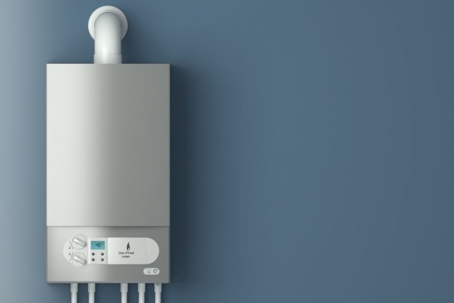
Tankless water heaters, sometimes called on-demand water heaters, are designed to provide hot water only when you need it. But unlike traditional tanks, they don’t store hot water they heat it as it flows through the unit. This means any problem with water flow, gas supply, or the heater’s sensors can lead to unexpected cold water. Here are the main reasons this happens:
- Overloaded Demand: If too many taps or appliances use hot water at once, the heater can’t keep up. Most units have a maximum flow rate, measured in gallons per minute (GPM). Exceeding this limit causes the heater to “drop out” or shut off, making the water go cold.
- Dirty or Clogged Filter: Sediment and mineral buildup can block water flow. Most units have small filters that can get dirty, especially in areas with hard water.
- Flame or Ignition Failure: If there’s a problem with the burner or ignition system (for gas models), the heater stops heating.
- Incorrect Temperature Settings: Setting the temperature too high can sometimes cause safety shut-offs.
- Cold Water Sandwich Effect: This is a quick burst of cold water between hot water cycles, common in tankless models due to how they operate.
- Sensor or Thermostat Issues: Faulty sensors may not detect water flow or temperature correctly, causing the heater to stop heating.
- Gas or Power Supply Interruptions: For gas models, any drop in gas pressure or power can cause the unit to stop heating.
Understanding these causes will help you target the right solution for your situation.
Troubleshooting Steps
Before you call a professional, there are several things you can check yourself. Follow these steps to narrow down the problem.
Check The Maximum Flow Rate
Most residential tankless heaters provide 2–5 GPM. If you open multiple hot water taps—like a shower and dishwasher together—you may exceed the limit. Try using only one tap at a time and see if the problem goes away.
Inspect The Water Filter
Locate the water filter (usually at the cold water inlet). Turn off the water supply, remove the filter, and rinse it under running water. If you see a lot of sediment, this could be the cause of your problem.
Test The Power Or Gas Supply
- For electric units, check the circuit breaker and make sure it hasn’t tripped.
- For gas units, check the gas valve and make sure it’s fully open. If you have other gas appliances, see if they’re working. A drop in gas pressure can cause the heater to shut off.
Review Error Codes
Most modern units have a display panel. If you see an error code, look it up in your manual. Codes can point to sensor failures, ignition problems, or flow issues.
Adjust Temperature Settings
Try lowering the temperature set-point by a few degrees. If the problem stops, your heater may have been overheating and shutting off for safety.
Look For The Cold Water Sandwich
If you get a burst of cold water only after turning the hot water on, then back off, it’s likely the cold water sandwich effect. This is normal for many tankless units, but if it’s frequent or long, your unit may need servicing.
Common Causes With Examples
Let’s look at some real-world scenarios to make things clearer.
Overloaded Demand Example
You’re showering while the washing machine is filling and someone else is washing dishes. The combined hot water flow exceeds 5 GPM, but your heater’s max is 4 GPM. The heater can’t keep up, so it shuts off temporarily, sending cold water to all taps.
Dirty Filter Example
You live in an area with hard water. Over months, minerals clog the inlet filter. The heater senses low water flow and shuts off heating, so the water goes cold after a few minutes.
Sensor Issue Example
Your heater displays “Error 11” (a common code for ignition failure). The flame sensor is dirty and can’t tell if the burner is lit, so the unit turns off heating as a safety feature.
Data: Tankless Vs. Tank Water Heaters
To understand the limits of tankless heaters, compare them with traditional tank-style heaters.
| Feature | Tankless | Tank |
|---|---|---|
| Hot Water Supply | Continuous (within flow limit) | Limited by tank size |
| Startup Delay | Short (few seconds) | Immediate |
| Flow Rate Limit | Yes | No (until tank empties) |
| Maintenance Needs | Filter cleaning, descaling | Less frequent |
Key Maintenance Tips
Regular maintenance can prevent most issues that cause your tankless heater to go cold. Here’s what you should do:
- Clean the Filter Every 6 Months: More often if you have hard water.
- Flush the System Annually: Use a vinegar solution to remove mineral buildup inside the heater. Some units have a special mode for descaling.
- Check Vents and Exhausts: For gas heaters, make sure nothing blocks the air intake or exhaust.
- Inspect Gas Lines: Look for leaks or kinks in the gas line.
- Update Firmware: Some modern units can update their software. Check the manufacturer’s website.
Always turn off the power and water supply before performing maintenance.
When To Call A Professional
Some problems are best left to trained technicians. Call for help if:
- You smell gas or suspect a gas leak.
- The unit shows repeated error codes you can’t fix.
- The heater is making unusual noises.
- Maintenance steps don’t solve the problem.
- You need to replace major components (like burners or control boards).
A professional can test for issues you can’t see, like faulty thermostats or wiring problems.
Selecting The Right Tankless Heater
If your unit often goes cold because it’s undersized, you may need a new heater. Here’s how to choose the right one:
| Factor | What to Consider |
|---|---|
| Flow Rate (GPM) | Add up the flow rates of all appliances you’ll use at once |
| Temperature Rise | Difference between incoming cold water and desired hot water temperature |
| Fuel Type | Electric or gas (gas usually heats faster) |
| Water Hardness | Hard water areas need frequent descaling |
Non-obvious insight: Many buyers pick a unit based only on the number of bathrooms, but your family’s habits (like running the dishwasher and shower at once) matter more.
Preventing Future Problems
Some simple steps can help keep your hot water steady:
- Stagger Hot Water Use: Don’t run showers, laundry, and dishwasher together.
- Install a Water Softener: This reduces mineral buildup in hard water areas.
- Upgrade for Capacity: If your heater is too small for your needs, consider a higher-flow model or install a second unit.
A little planning now can save you cold showers and costly repairs later.
Cost Of Repairs And Maintenance
Let’s break down typical costs for fixing a tankless heater that runs cold.
| Issue | DIY Cost | Pro Service Cost |
|---|---|---|
| Clean Filter | $0 (just time) | $75–$150 |
| Flush/Descale | $10–$30 (vinegar/kit) | $100–$250 |
| Replace Sensor | $20–$50 | $150–$300 |
| Gas Line Fix | Not recommended | $150–$400 |
Investing in regular maintenance costs less than emergency repairs.
Advanced Troubleshooting: What Beginners Miss
Many new owners miss two important details:
- Water Pressure and Flow Sensors: Tankless heaters need a minimum flow rate to trigger heating (often 0.5 GPM). If your faucet is half-open or your aerator is clogged, the heater may not “see” enough flow and won’t turn on.
- Venting and Air Supply: Gas models need fresh air for combustion. Even a partially blocked vent can cause the burner to shut off, leading to cold water. Check for lint, spider webs, or ice in outdoor vents.
Sometimes, the issue isn’t the heater itself but low water pressure from the main supply, or a faulty mixing valve at the tap.
Safety Reminders
- Never try to fix gas leaks yourself.
- Always follow the manufacturer’s instructions for maintenance.
- If in doubt, contact a licensed technician.
- Keep children away from the unit when doing repairs.
Additional Resources
For more in-depth information, you can visit the U.S. Department of Energy guide to tankless water heaters.

Frequently Asked Questions
Why Does My Tankless Water Heater Give Cold Water After A Few Minutes?
The most common reasons are overloaded demand, dirty filters, or sensor problems. If too many taps are open, or the filter is clogged with sediment, the heater can’t keep up and shuts off heating.
How Often Should I Clean My Tankless Water Heater Filter?
You should clean the filter every 6 months. If you have hard water, clean it more often every 3 months is best. A dirty filter is a frequent reason for sudden cold water.
Can A Tankless Water Heater Be Too Small For My Home?
Yes. If your unit’s maximum flow rate is less than your family’s simultaneous hot water needs, it will go cold during heavy use. Calculate your needs and compare to your heater’s GPM rating.
What Is A Cold Water Sandwich?
A cold water sandwich is a short burst of cold water between hot cycles, common in tankless units. It happens when hot water left in the pipes is used up before the heater starts reheating the new water.
When Should I Call A Professional For My Tankless Water Heater?
Call an expert if you smell gas, see repeated error codes, or DIY fixes don’t solve the problem. Major repairs like sensor replacement or gas line work should always be handled by a licensed technician.
Experiencing cold water from your tankless heater can be annoying, but with the right knowledge, most problems are easy to identify and fix. Regular maintenance and understanding your heater’s limits will help keep your showers warm and comfortable.