
A toilet bowl that slowly loses water is more than just a minor inconvenience. For many homeowners, it can cause confusion, discomfort, and even higher water bills. You might notice the water level in the bowl dropping over hours or days, only to refill when you flush. If you’ve ever wondered why this happens, you’re not alone. Understanding the reasons behind a toilet bowl losing water can help you fix the problem quickly and avoid extra costs.
In this guide, you’ll learn why your toilet bowl water disappears, how to diagnose the issue, and what you can do about it. We’ll cover both common causes and hidden factors most beginners overlook. By the end, you’ll have clear steps to restore your toilet’s performance and peace of mind.
How The Toilet Bowl Works
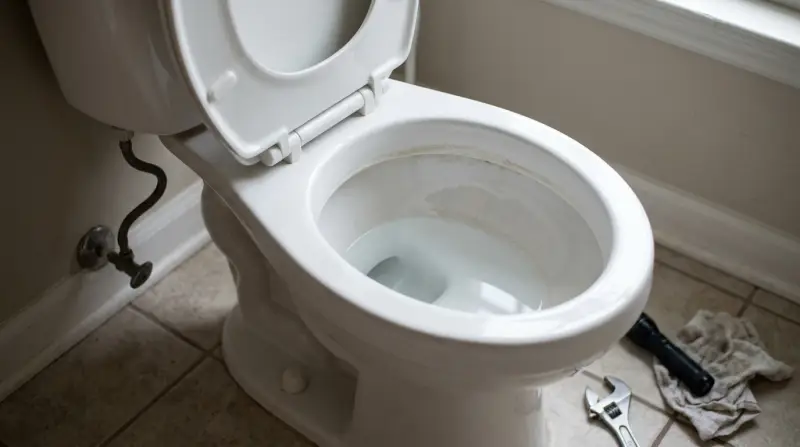
To spot problems, it’s helpful to know how a toilet bowl normally keeps water inside. After you flush, water fills the bowl and stays at a set level. This water acts as a seal, blocking sewer gases from entering your bathroom.
The water stays in the bowl because of the trapway—a curved pipe built into the toilet. Gravity and air pressure keep the water at a steady height. If something disturbs this balance, water can slowly disappear.
Common Causes Of Water Loss In Toilet Bowls
Several factors can cause the water in your toilet bowl to slowly drop. Here are the most frequent culprits:
- Cracked Toilet Bowl or Trap
- Tiny cracks in the ceramic or trapway let water leak out. These cracks are often hard to see but can cause steady loss.
- Evaporation
- In dry climates or rarely used bathrooms, water can evaporate over time. However, evaporation usually causes slow, small drops, not sudden loss.
- Blocked or Damaged Vent Pipe
- Plumbing vents allow air to flow through your pipes. If blocked, air pressure can drop and pull water out of the bowl.
- Siphoning from Other Fixtures
- When another fixture (like a sink or tub) drains, it can create suction that pulls water from the toilet bowl, especially if the plumbing isn’t correctly vented.
- Defective Wax Ring or Seal
- The wax ring under the toilet seals it to the floor. If damaged, water can seep out—not just from the tank, but sometimes from the bowl.
- Hidden Leaks in Plumbing
- A leak in the pipes beneath the toilet can cause bowl water to disappear slowly.

Diagnosing The Problem
Before you fix your toilet, you need to know what’s causing the water loss. Here are steps to help you diagnose:
- Visual Inspection: Look for visible cracks or damage in the bowl and base. Check the floor around the toilet for moisture. Inspect the wax ring for leaks.
- Water Level Observation: Mark the water level with a pencil or tape. Wait several hours. If the level drops, you know water is escaping.
- Vent Pipe Testing: Flush the toilet and watch for gurgling sounds or slow draining in other fixtures. These signs suggest a vent pipe problem.
- Siphon Test: Run water in nearby sinks or bathtubs. If the toilet bowl water moves or drops, you might have a siphoning issue.
- Leak Dye Test: Drop a few drops of food coloring in the bowl. Wait 30 minutes without flushing. If color appears on the floor or under the toilet, there is a leak.
Comparing Common Causes
Here’s a quick comparison of the most frequent reasons for water loss:
| Cause | Symptoms | Severity | Fix Difficulty |
|---|---|---|---|
| Cracked Bowl/Trap | Wet floor, water loss, visible cracks | High | Hard (replace toilet) |
| Evaporation | Slow loss, no leaks, dry climate | Low | Easy (just refill) |
| Blocked Vent Pipe | Gurgling, slow drains, water loss | Medium | Moderate (clear vent) |
| Siphoning | Water loss when other fixtures used | Medium | Moderate |
| Defective Wax Ring | Moisture at base, water loss | Medium | Moderate (replace ring) |
| Hidden Plumbing Leak | Water loss, possible floor damage | High | Hard |
How To Fix A Toilet Bowl Losing Water
Once you know the cause, you can choose the right solution. Here’s how to tackle each problem:
Fixing Cracks
If your toilet bowl or trap is cracked, you’ll need to replace the toilet. Ceramic repair kits don’t hold up under water pressure. It’s best to call a plumber for this job.
Stopping Evaporation
For unused toilets, simply flush them regularly to keep water in the bowl. In dry climates, placing a lid or plastic wrap over the bowl when not in use helps reduce evaporation.
Clearing Blocked Vent Pipes
A blocked vent pipe often needs professional cleaning. However, if you’re comfortable climbing on the roof, you can check for leaves or debris at the vent opening. Use a plumber’s snake to clear simple clogs.
Preventing Siphoning
If the bowl loses water when other fixtures drain, your plumbing may lack proper venting. Adding a vent or air admittance valve can solve this. For small issues, a plumber can adjust pipes to reduce siphoning.
Replacing A Wax Ring
To replace the wax ring:
- Turn off the water supply.
- Flush the toilet and remove excess water.
- Unscrew the bolts and lift the toilet off the floor.
- Remove the old wax ring, clean the area, and install a new one.
- Set the toilet back, tighten bolts, and turn water back on.
Repairing Hidden Leaks
Hidden leaks usually require a plumber. If you notice water damage on the floor or ceiling below the toilet, call a professional. Ignoring leaks can cause mold, rot, and expensive repairs.
Data: How Often Toilets Lose Water
Studies show that about 8% of homes report issues with toilet water levels each year. Most cases are due to vent pipe problems or wax ring failures. Cracks are rarer but more serious.
| Cause | % of Cases | Average Repair Cost |
|---|---|---|
| Blocked Vent Pipe | 40% | $150 |
| Defective Wax Ring | 35% | $120 |
| Cracked Bowl | 10% | $250 |
| Siphoning | 10% | $160 |
| Evaporation | 5% | $0 |
Advanced Tips Most Beginners Miss
Most articles talk about cracks and leaks, but two factors are often overlooked:
- Toilet Bowl Shape: Older toilets with deep bowls lose water more easily during siphoning. Newer designs with shallow bowls keep water levels steadier.
- Ambient Pressure Changes: If your home is at high altitude or has fast weather changes, air pressure can affect water levels. This happens rarely but can confuse diagnosis.
When To Call A Professional
It’s tempting to fix plumbing yourself, but some issues need expert help:
- You see water on the floor or ceiling below the bathroom.
- The bowl loses water quickly and you can’t find cracks.
- Multiple toilets or drains act strangely at the same time.
Professional plumbers have tools to spot hidden leaks and fix venting problems. They can also test your home’s air pressure and plumbing layout.

Preventing Water Loss In Toilet Bowls
Prevention is often easier than repairs. Here are ways to stop future water loss:
- Flush unused toilets weekly to keep the water seal strong.
- Check your bathroom for leaks, wet spots, and mold.
- Clean vent pipes every year (especially after storms or roof work).
- Use high-quality wax rings during installation.
- Watch for changes after new plumbing work or fixture upgrades.
Comparing Repair Options
Here’s a simple guide comparing repair choices for toilet bowl water loss:
| Fix | DIY? | Cost Range | Success Rate |
|---|---|---|---|
| Replace Wax Ring | Yes | $10–$30 | High |
| Clear Vent Pipe | Sometimes | $15–$150 | Medium |
| Replace Toilet | No | $150–$500 | High |
| Add Vent | No | $100–$300 | High |

Real-world Example
A family in Arizona noticed their guest bathroom toilet bowl lost water every month. After checking for leaks and cracks, they found the vent pipe blocked by bird nests. Clearing the vent restored normal water levels. This shows how even small blockages can cause big changes.
Environmental Impact Of Water Loss
Even slow leaks matter. Every drop lost increases your water bill and wastes resources. On average, a leaking toilet can waste up to 200 gallons per week. Fixing small leaks helps your wallet and the planet.
For more details on plumbing vent systems and water loss, visit Wikipedia.
Frequently Asked Questions
Why Does My Toilet Bowl Lose Water Overnight?
Most often, blocked vent pipes or siphoning cause overnight water loss. Sometimes, cracks or evaporation play a role. Check for leaks and test your vent pipe.
Can I Fix A Leaking Wax Ring Myself?
Yes, replacing a wax ring is a common DIY job. You need basic tools, but lifting the toilet can be heavy. If you see water damage, consider hiring a plumber.
Is Evaporation A Serious Problem?
Evaporation only matters if the toilet is unused for weeks or in dry climates. Regular use keeps the water seal strong. If evaporation is fast, check for other issues.
How Do I Know If My Vent Pipe Is Blocked?
Signs include gurgling sounds, slow drainage, and water loss in the bowl. You can check the vent opening for debris or use a plumber’s snake to clear simple clogs.
Does A Cracked Toilet Always Need Replacement?
Yes, a cracked bowl or trap cannot be safely repaired for long-term use. Small cracks can cause leaks and structural failure. Replacing the toilet is the safest choice.
A toilet bowl that slowly loses water is more than just a plumbing mystery. With the right knowledge, you can diagnose, fix, and prevent this problem. Regular checks and smart repairs keep your bathroom safe, efficient, and comfortable. If you’re unsure, don’t hesitate to seek professional help—your home’s health depends on it.