
When you flush the toilet, you expect water to go down quickly. But sometimes, the toilet water rises then slowly drains. This can be worrying, especially if you don’t know what causes it or how to fix it. Many homeowners face this problem, but most don’t understand what’s really happening inside the pipes. Let’s explore why toilet water behaves this way, what it means for your plumbing, and how to solve it confidently even if you’re not a plumbing expert.
Understanding The Toilet Flushing Process
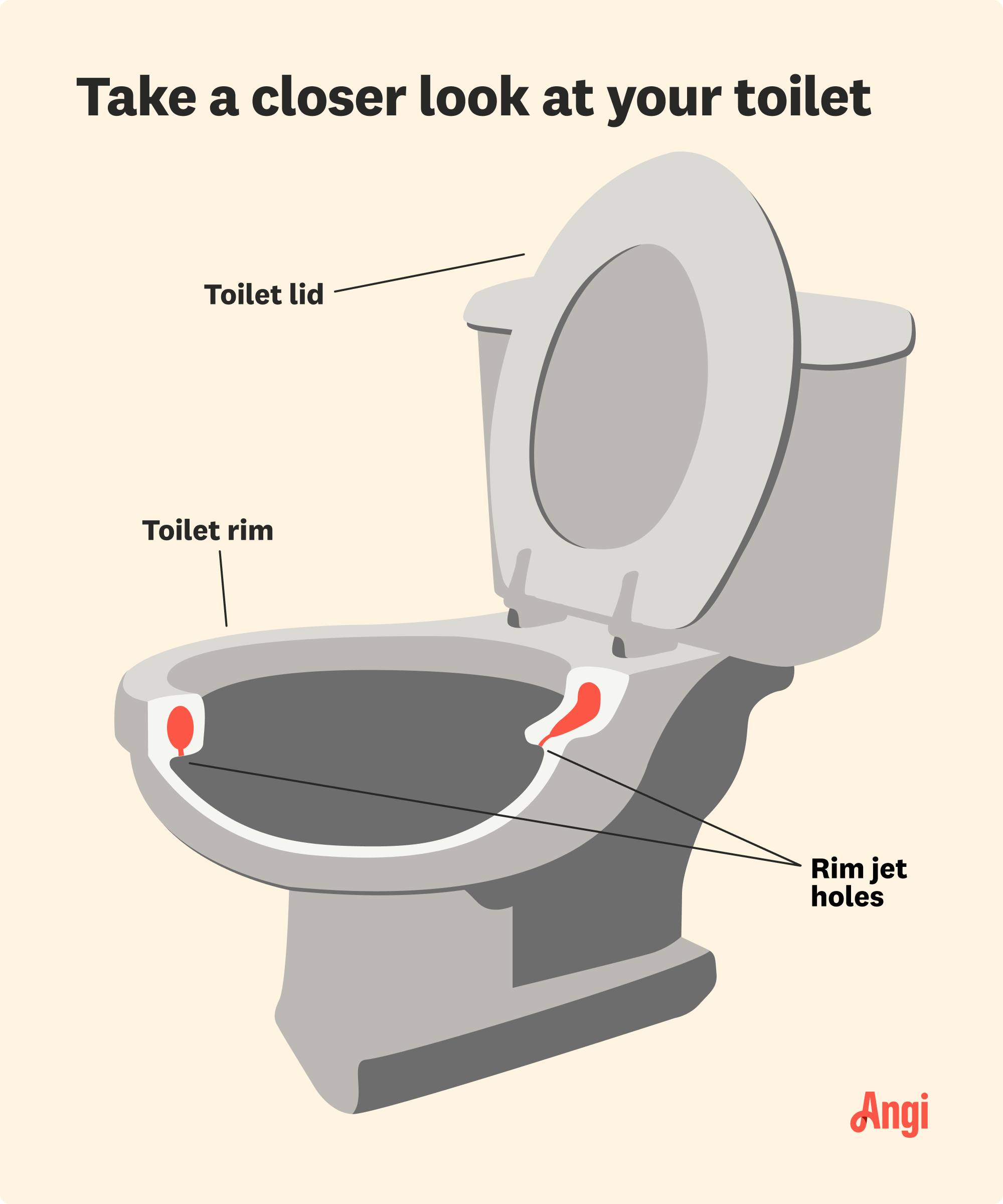
Toilets are simple on the surface but complex underneath. When you flush, water from the tank rushes into the bowl. This water pushes waste and old water through the trap (the curved pipe under the toilet) and down the drain.
The flushing process depends on three things:
- Water pressure from the tank
- Clear drain pipes
- Proper venting in the plumbing system
If any of these parts fail, the toilet will not flush as expected.
Why Toilet Water Rises Before Draining Slowly
When you see the water in the bowl rise after flushing, then slowly go down, it signals a problem. Here are the main causes:
- Partial blockage in the drainpipe: Something is stuck in the pipes. Water can pass, but not quickly.
- Vent pipe problems: Plumbing vents remove air and let water flow. If blocked, draining slows down.
- Low water pressure: Not enough force to push waste through.
- Faulty toilet design or old parts: Some toilets don’t flush well, especially older models.
Let’s look deeper into these causes.
Partial Blockage
Most often, a partial blockage is the culprit. Items like too much toilet paper, sanitary products, or small toys can get stuck. The water goes up because it cannot flow past the blockage easily. Eventually, gravity pulls it down, but much slower.
Vent Pipe Issues
Every plumbing system has vent pipes. They let air in and out, helping water move smoothly. If birds, leaves, or debris block the vent, air cannot escape. This makes water drain slowly and can even cause gurgling sounds.
Water Pressure And Toilet Design
Some toilets use less water to save money. But low water pressure can mean weak flushes. Old toilets or those with worn-out parts (like flappers or valves) may not push water fast enough.
Signs You Have A Plumbing Problem
The way your toilet behaves tells you a lot. Here’s what to watch for:
- Water rises after flush: Not normal unless the toilet is extra full.
- Water drains slowly: Should drain in seconds, not minutes.
- Gurgling sounds: Air trapped in pipes.
- Bubbling in other drains: Kitchen sink or shower bubbles when you flush.
- Toilet won’t flush fully: Waste remains in the bowl.
Each sign means your plumbing is struggling. Ignoring these can lead to bigger problems.
Common Causes Of Toilet Water Rising And Slow Draining
Here are the main reasons, explained simply:
- Clogged toilet trap: The curved pipe under the bowl catches things. It’s often the first place blockages happen.
- Blocked drain line: Deeper in the pipes, bigger blockages can slow all drains in the house.
- Blocked plumbing vent: Stops air from moving, water drains slowly.
- Hard water buildup: Minerals in water build up inside pipes, narrowing them.
- Old or low-flow toilets: Some toilets don’t flush strongly, especially with heavy waste.
- Foreign objects: Toys, wipes, or even toothbrushes can get stuck.
Let’s see a comparison of how each problem affects the toilet:
| Cause | Water Rises? | Drains Slowly? | Other Symptoms |
|---|---|---|---|
| Clogged Trap | Yes | Yes | May overflow |
| Blocked Drain Line | Yes | Yes | Multiple drains slow |
| Blocked Vent | Yes | Yes | Gurgling sounds |
| Hard Water Buildup | Sometimes | Yes | Reduced water flow |
| Old/Low-Flow Toilet | Sometimes | Yes | Weak flush |
| Foreign Object | Yes | Yes | Requires removal |
How To Fix A Toilet That Rises Then Slowly Drains
You don’t always need a plumber. Here’s what you can try:
Step 1: Check For Simple Blockages
Most problems start in the trap. Use a plunger (the one with a flange, not a flat one) and plunge firmly. If the water drains quickly after plunging, the blockage is gone.
Step 2: Use A Toilet Auger
If plunging doesn’t work, try a toilet auger. This tool reaches deeper and breaks up tough blockages. Insert the auger, twist, and pull out any stuck debris.
Step 3: Check Other Drains
If your sink, tub, or shower also drains slowly, the problem is deeper. This means your main drain line is blocked. Try using a chemical drain cleaner, but use it sparingly (too much can damage pipes).
Step 4: Inspect The Vent Pipe
Go outside and look at the roof. The vent pipe should be clear. If you see leaves or nests, remove them. Sometimes, spraying water from a hose into the vent pipe can clear light blockages.
Step 5: Replace Parts
If your toilet is old or the parts are worn, replace the flapper, fill valve, or even the whole toilet. Newer toilets flush stronger and use less water.
Step 6: Call A Professional
If nothing works, call a plumber. Deep blockages or vent problems need special tools. They can use a camera to see inside the pipes.
Practical Tips For Preventing Toilet Problems
Most toilet issues are preventable. Here’s how you can avoid them:
- Only flush toilet paper: Never flush wipes, feminine products, or toys.
- Regular cleaning: Clean the bowl and pipes monthly.
- Check water pressure: If it’s low, fix it.
- Inspect vents yearly: Make sure nothing blocks them.
- Upgrade old toilets: New models save water and flush better.
One insight many people miss: using too much toilet paper can cause slow draining even if it eventually dissolves. Try flushing twice if you use more than normal.
Another tip: mineral buildup from hard water is slow but steady. Using a descaler once a year prevents pipe narrowing.
How Plumbers Diagnose Toilet Problems
Plumbers use tools that homeowners don’t have. Here’s what they do:
- Video camera inspection: A camera goes inside the pipes to find the blockage.
- Pressure tests: They measure air and water pressure.
- Special augers: Long, motorized tools clear deep blockages.
- Smoke tests: Smoke is pushed through vents to find leaks or blockages.
This professional approach is fast and accurate, but it costs more. However, it’s worth it if home remedies don’t work.
Cost Comparison: Diy Vs Professional Fix
Fixing a slow-draining toilet can be cheap or expensive. Here’s a quick comparison:
| Method | Estimated Cost | Success Rate | Time Needed |
|---|---|---|---|
| Plunger | $10-$30 | High (simple clogs) | 5-10 minutes |
| Toilet Auger | $30-$60 | Medium (deeper clogs) | 20-30 minutes |
| Chemical Cleaner | $5-$15 | Low (only for minor buildup) | 10-20 minutes |
| Professional Plumber | $100-$300 | Very High | 30-60 minutes |
| Replace Toilet | $200-$600 | High | 1-2 hours |
DIY is affordable for small clogs. But deep blockages often need a professional. If you try all home methods and nothing works, don’t wait—call a plumber.
When Toilet Water Rising Signals Bigger Problems
Sometimes, slow draining is not just a clog. It can mean:
- Sewer line issues: If all toilets and drains in your house are slow, your main sewer may be blocked.
- Tree roots: Roots can break into pipes, causing slow draining and backups.
- Pipe damage: Cracked pipes leak water and air, slowing flow.
If you notice foul smells, water backing up, or constant slow draining, it’s likely a bigger issue. Fixing early saves money and prevents damage.
Real-life Example
In one case, a family noticed their toilet water rising and draining slowly. They tried plunging, but it didn’t help. After checking other drains, they found the shower also drained slowly. A plumber used a camera and found tree roots in the main pipe.
The repair cost $400, but it prevented a much bigger problem.
This example shows that sometimes, the issue is beyond the toilet itself.
Frequently Asked Questions
Why Does Toilet Water Rise When I Flush?
The water rises because something is blocking the pipe or trap. The blockage slows the flow, so water builds up before slowly draining.
Can I Fix Slow Draining Without A Plumber?
Yes, for simple clogs you can use a plunger or auger. If the problem is deeper, you may need a plumber.
Is It Safe To Use Chemical Drain Cleaners?
Use them sparingly. Too much can damage pipes and harm the environment. Always follow instructions.
What Should I Do If All Drains Are Slow?
This means your main drain line is blocked. Try home methods first, but call a plumber if nothing works.
How Can I Prevent Toilet Water Rising And Slow Draining?
Flush only toilet paper, clean pipes regularly, and check vents each year. Upgrading old toilets also helps.
If you want more details on plumbing vents and their importance, check Wikipedia’s DWV system page.
Solving the toilet water rises then slowly drains problem is possible for most homeowners. The key is to spot the signs early, act fast, and use the right tools. With clear steps, you can keep your toilet working smoothly—and avoid messy surprises.