
Many homeowners don’t think much about their outdoor water spigots until there’s a problem. Maybe you notice leaks, low pressure, or a spigot that freezes every winter. But not all spigots are the same. Choosing the right outdoor water spigot can help you water your garden, wash your car, or fill a pool more easily and safely. It can even save money and prevent damage to your home. In this article, you’ll discover the main types of outdoor water spigots, their features, and how to pick the best one for your needs.
Standard Hose Bibs
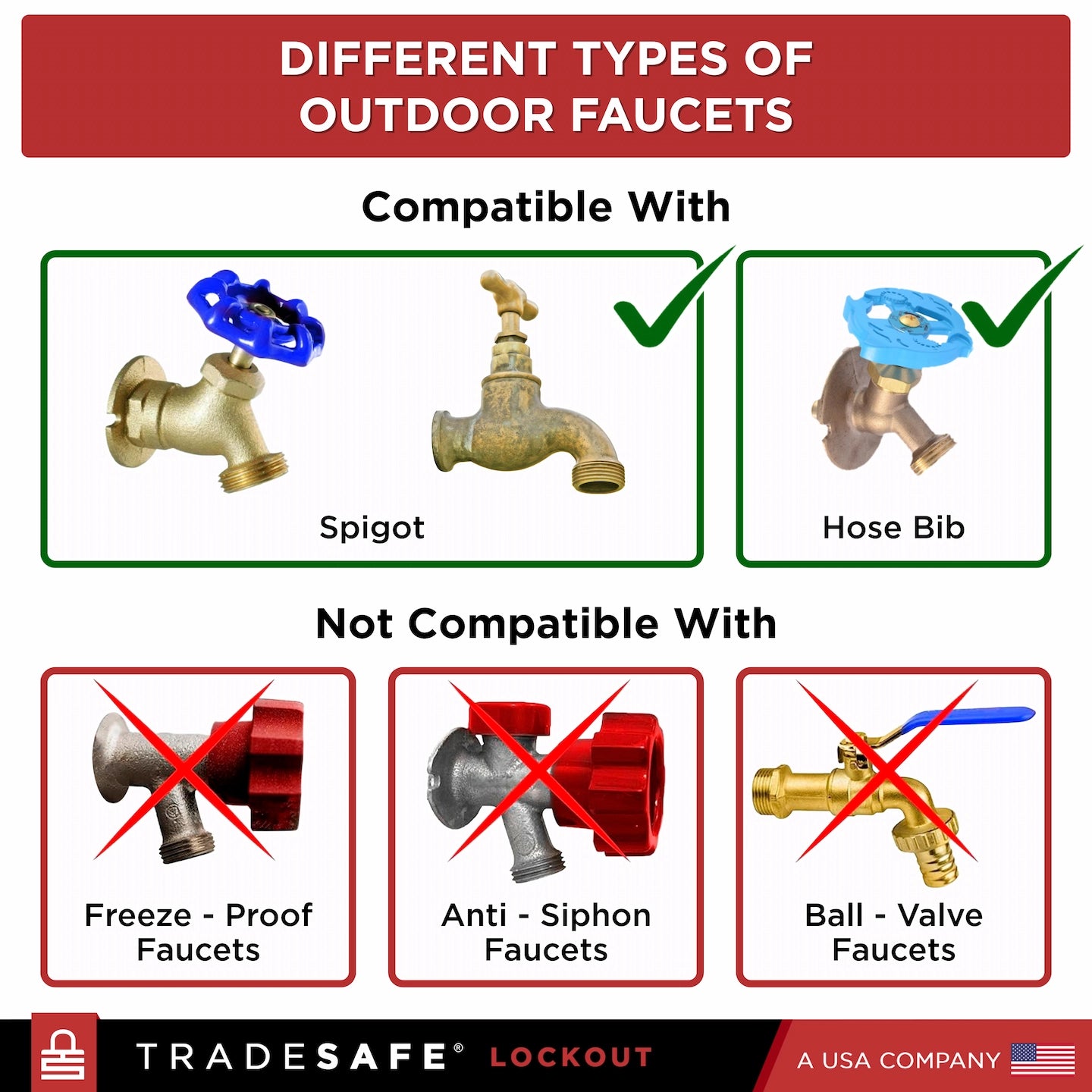
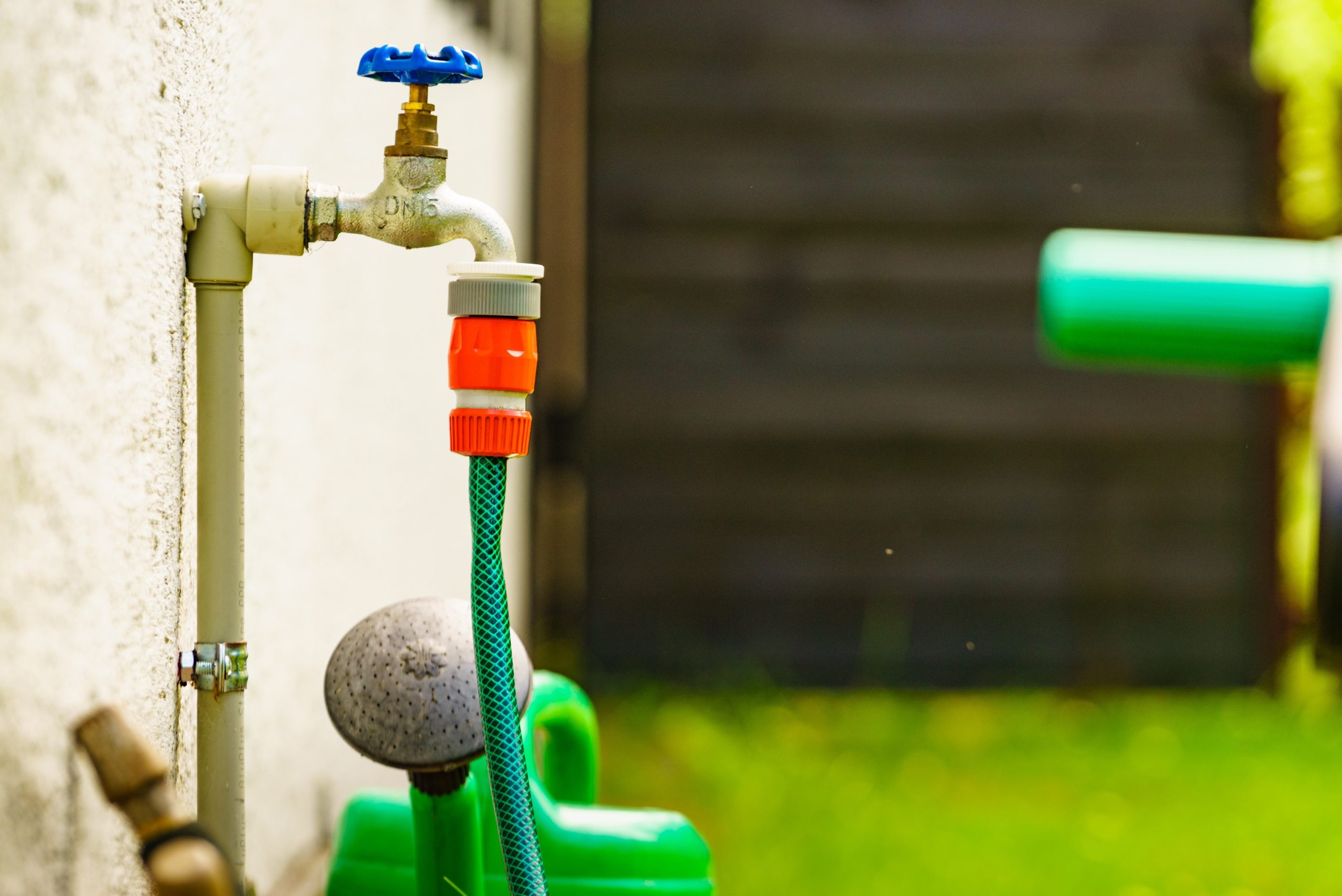
The most common outdoor spigot in the US is the standard hose bib. If you’ve ever attached a garden hose outside, you’ve probably used one of these.
Standard hose bibs are made of brass or steel. They have a threaded nozzle for connecting hoses. You turn a round handle to control water flow. Most homes built before the 2000s use this type. Hose bibs are simple, reliable, and cheap—often less than $20 for a basic model.
However, basic hose bibs have some drawbacks:
- They can freeze and burst in cold climates.
- The washer inside wears out over time, causing leaks.
- Water pressure is not adjustable.
If you live somewhere with cold winters, or you want more features, you might need a different spigot.
Frost-free Spigots
A frost-free spigot is designed to prevent freezing and bursting pipes. The valve is located deeper inside the wall, away from outside cold air. When you turn it off, water drains out of the pipe, so nothing remains to freeze.
Frost-free spigots usually cost $25–$50. They’re popular in places like Minnesota, Colorado, and New York. If your home is in a freezing area, installing a frost-free spigot can avoid expensive repairs.
Benefits:
- Stops water from freezing and bursting the pipe.
- Lasts longer than regular hose bibs.
- Safe for winter use.
But frost-free models must be installed correctly. If you leave a hose connected in winter, water can still freeze and damage the spigot. Always disconnect hoses before cold weather.
Ball Valve Spigots
Ball valve spigots use a ball inside the valve to control water flow. These are more modern than traditional hose bibs. The handle turns 90 degrees, so you can quickly open or close the water.
Advantages:
- Easy to use, even for people with weak hands.
- Durable, with fewer parts that wear out.
- Less likely to leak than older models.
Ball valve spigots are common in new homes and commercial buildings. They’re usually made of brass or stainless steel and cost $20–$40.
One thing beginners miss: Ball valves rarely drip, but when they do, repairs are harder. You often need to replace the entire spigot.
Yard Hydrants
For large properties, farms, or gardens, a yard hydrant is a popular choice. This is a tall, vertical pipe with a long handle, designed to deliver water far from the house.
Yard hydrants are installed underground, below the frost line. The valve sits deep in the ground, so water drains out when it’s off. That means they can work all year, even in freezing weather.
Typical uses:
- Watering large gardens or fields
- Filling livestock troughs
- Washing equipment far from buildings
Yard hydrants cost $50–$150, depending on size and quality. Many models provide up to 8 gallons per minute.
But installation is tricky. You need to dig a trench and connect the hydrant to your main water line. If you’re not comfortable digging or plumbing, hire a professional.

Anti-siphon Spigots
Anti-siphon spigots are designed for safety. They have a built-in vacuum breaker that stops dirty water from flowing back into your home’s pipes.
This is important if you use fertilizers, pesticides, or other chemicals with your hose. Without an anti-siphon feature, contaminated water could flow back and pollute your drinking water.
Features:
- Vacuum breaker prevents backflow
- Required by law in many US cities
- Cost is $25–$50
Some hose bibs include anti-siphon valves, but you can also buy separate adapters. When shopping, look for “anti-siphon” or “vacuum breaker” labels.
Automatic Shut-off Spigots
These spigots are designed for safety and convenience. If you forget to turn off the water, the spigot shuts itself off automatically. Some models use timers or sensors.
Automatic shut-off spigots are perfect for busy homeowners or rental properties. You can set how long the water stays on—after that, it stops by itself.
Benefits:
- Prevents flooding and wasted water
- Reduces risk of water damage
- Easy to use for children and seniors
They cost $30–$60, but installation may be more complex than basic hose bibs.
Wall-mounted Vs. Ground-mounted Spigots
Most outdoor spigots are wall-mounted, meaning they attach to the side of your house. But some, like yard hydrants, are ground-mounted. Each type suits different needs.
Wall-mounted spigots are easy to reach and install. They’re best for typical home uses like watering a lawn or washing a car. Ground-mounted spigots are better for larger properties or areas far from buildings.
Here’s a quick comparison:
| Type | Location | Common Use | Installation Difficulty |
|---|---|---|---|
| Wall-mounted | On house wall | Home garden, car washing | Easy |
| Ground-mounted | Yard, field | Large properties, farms | Moderate–hard |
Specialty Spigots
Some situations require specialty outdoor spigots. These aren’t found in most homes, but they’re useful for certain needs.
Hot And Cold Mixing Spigots
These spigots allow you to mix hot and cold water outside. They’re perfect for washing pets, rinsing off after swimming, or cleaning tools.
Features:
- Dual handle for temperature control
- Requires both hot and cold water lines
- Cost is $60–$150
Installation is more involved, since you need to run a hot water line outside.
Key-operated Spigots
A key-operated spigot prevents unauthorized use. You need a special key to turn on the water. These are common in apartment complexes, schools, and public areas.
Benefits:
- Stops water theft
- Prevents accidental use
- Cost is $30–$70
If you rent out a property or share water with neighbors, consider this type.
Multi-valve Spigots
Some outdoor spigots have multiple valves, so you can connect more than one hose. This is useful for people who want to run sprinklers, fill a pool, and water plants at the same time.
Multi-valve models cost $35–$80. They can save time, but make sure your water pressure is strong enough to handle several hoses.
Materials And Durability
Spigots come in different materials. The main options are brass, stainless steel, and plastic. Each has its own strengths.
| Material | Durability | Cost | Common Use |
|---|---|---|---|
| Brass | High | Medium | Homes, gardens |
| Stainless steel | Very high | High | Commercial, harsh climates |
| Plastic | Low | Low | Temporary, light duty |
Brass is the most common because it resists rust and lasts for years. Stainless steel costs more, but is almost indestructible. Plastic is cheap, but it breaks easily and is not good for cold weather.
Non-obvious insight: Even the best material can fail if the spigot is poorly installed. Always check for leaks and proper sealing.
Water Pressure And Flow Rate
Outdoor spigots deliver water at different pressure levels and flow rates. Standard hose bibs offer 5–8 gallons per minute (GPM). Yard hydrants can supply up to 10 GPM.
If you run sprinklers, fill large pools, or use multiple hoses, higher flow rates are better. But high pressure can damage hoses and plants.
You can measure your spigot’s flow rate by timing how long it takes to fill a 1-gallon bucket. If it fills in 10 seconds, your flow rate is 6 GPM.
Low water pressure is often caused by:
- Old pipes
- Mineral buildup
- Small diameter hoses
Upgrading your spigot or plumbing can boost performance.
Installation And Maintenance
Installing a new spigot isn’t always simple. For basic hose bibs, you can often DIY. But frost-free models, yard hydrants, or mixing spigots may require a plumber.
Tips for installation:
- Use Teflon tape to seal threaded connections.
- Always slope pipes downward to drain water.
- Test for leaks before finishing.
Maintenance is important, too. Check spigots for leaks every season. Replace washers or O-rings if you see dripping. In cold climates, disconnect hoses and shut off the water supply in winter.
A beginner mistake: Ignoring small leaks. Even tiny drips can waste hundreds of gallons and cause damage over time.
Choosing The Right Spigot
Picking the best outdoor water spigot depends on your climate, budget, and needs.
- If you live somewhere cold, choose frost-free or yard hydrant types.
- For safety, use anti-siphon spigots.
- If you want convenience, try automatic shut-off or multi-valve models.
- For simple watering and washing, a standard hose bib is fine.
Think about durability, installation, and maintenance. Look for trusted brands and read reviews before buying.
For more details on plumbing codes and backflow prevention, check Wikipedia.
Frequently Asked Questions
What Is The Difference Between A Hose Bib And A Frost-free Spigot?
A hose bib is a basic outdoor faucet. The valve is close to the wall, so water can freeze inside the pipe. A frost-free spigot has the valve deeper inside your home, where it stays warmer. When you shut it off, water drains out, preventing freezing and bursting pipes.
How Do I Prevent My Outdoor Spigot From Freezing?
Use a frost-free spigot or install an insulating cover. Always disconnect hoses before winter. You can also shut off the water supply to the spigot and drain any remaining water.
Are Anti-siphon Spigots Required By Law?
Many US cities require anti-siphon spigots to prevent contaminated water from entering your home’s pipes. Check your local plumbing codes. If not required, they’re still a good safety choice.
Can I Install A Yard Hydrant Myself?
You can, but it’s a big job. You need to dig a trench below the frost line and connect to your main water supply. If you’re not experienced with plumbing and digging, hire a professional.
How Often Should I Check Or Replace Outdoor Spigots?
Check for leaks and damage every season. Replace washers or O-rings if you notice drips. If your spigot is over 10 years old or shows signs of rust, consider replacing it.
The right outdoor water spigot can make life easier and safer. Whether you need a simple hose bib or a specialty hydrant, understanding your options helps you make a smart choice. Remember to consider climate, safety, and use. With the right spigot, you’ll avoid problems and enjoy reliable water outside for years to come.