
A loud banging noise from your washing machine during the spin cycle is more than just annoying—it’s a warning sign. Many homeowners ignore these sounds until the machine stops working or causes damage. But the truth is, you can often fix the problem yourself or at least know when to call an expert.
Understanding why your washing machine makes banging noises can save you money, prevent bigger issues, and keep your laundry routine stress-free.
Let’s dive into what causes these noises, how to diagnose the problem, and what you can do to solve it. You’ll also learn how to prevent future issues and when it’s time to seek professional help.
Why Does My Washing Machine Make A Loud Banging Noise?
When you hear a banging noise during the spin cycle, it usually means something is wrong inside the machine. The spin cycle is the fastest part of the wash, so problems become louder and more obvious. Here are the most common reasons:
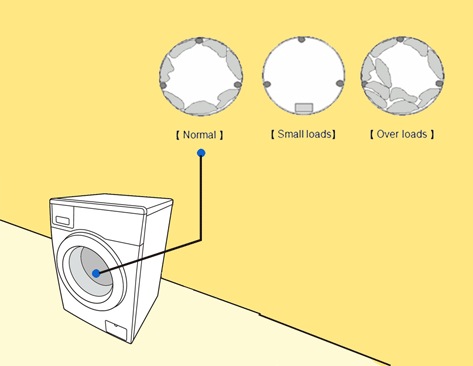
- Unbalanced Load: If clothes gather on one side, the drum spins unevenly and hits the sides, causing a banging sound.
- Worn Drum Bearings: Bearings help the drum spin smoothly. If they wear out or get damaged, the drum can wobble and bang.
- Loose or Broken Shock Absorbers: Shock absorbers reduce vibration. If they fail, the drum moves too much and hits other parts.
- Suspension Springs Issues: These springs keep the drum centered. Broken springs let the drum bounce and bang.
- Foreign Objects: Coins, buttons, or small items can get stuck between the drum and tub, creating noise.
- Levelling Problems: If the machine isn’t level, it vibrates and bangs during spinning.
- Damaged Drum Spider: The spider supports the drum. If it cracks, the drum becomes unstable.
- Loose Counterweights: Washing machines have heavy blocks to balance the drum. If these are loose, they cause banging.
Some causes are simple to fix, while others need professional attention. Let’s break down each problem.
Diagnosing The Banging Noise: Step-by-step
Before you try to fix anything, you need to find out what’s causing the noise. Here’s a step-by-step guide to help you diagnose the issue safely.
- Unplug the Machine: Safety first. Always unplug before inspecting.
- Open the Door and Inspect the Load: Look for clumps of clothes. Even out the load if needed.
- Check for Foreign Objects: Spin the drum by hand. Listen for rattling. Look inside the drum holes.
- Level the Machine: Use a bubble level on top. Adjust the feet if it’s not level.
- Inspect the Suspension and Shock Absorbers: Remove the back panel (if comfortable). Look for broken springs or leaking absorbers.
- Listen to Drum Bearings: Spin the drum manually. If it feels rough or noisy, the bearings may be worn.
- Check Counterweights: Look for loose blocks inside the machine.
If you’re unsure or uncomfortable opening panels, call a qualified technician. Some fixes are quick, while others need special tools.

Unbalanced Loads: The Most Common Cause
An unbalanced load happens when clothes gather in one area. This makes the drum spin unevenly, leading to loud banging.
How To Fix Unbalanced Loads
- Stop the cycle.
- Open the door.
- Redistribute clothes evenly.
- Restart the spin cycle.
This simple step solves the problem in many cases. For heavy items, wash one at a time or add towels to balance the load.
Real Data Example
According to appliance repair surveys, over 50% of banging noises are due to unbalanced loads. It’s the first thing you should check.
Drum Bearings: Signs And Solutions
Drum bearings are metal rings that help the drum rotate smoothly. When they wear out, the drum becomes unstable and noisy.
Symptoms
- Banging or rumbling during spin
- Drum feels loose or rough when spun by hand
- Water leaks under the machine
How To Fix
Replacing bearings is complex and usually requires a technician. It involves removing the drum and seals.
Data Table: Signs Of Worn Bearings Vs. Other Issues
| Symptom | Worn Bearings | Unbalanced Load | Foreign Object |
|---|---|---|---|
| Banging Noise | Yes | Yes | Yes |
| Rumbling Sound | Yes | No | No |
| Water Leak | Sometimes | No | No |
| Drum Feels Loose | Yes | No | No |
If your symptoms match the “Worn Bearings” column, call a repair professional.
Shock Absorbers And Suspension Springs
Washing machines use shock absorbers and suspension springs to reduce vibration and keep the drum stable. If these parts break, the drum can bounce and hit the sides.
How To Check
- Look for leaking fluid from shock absorbers.
- Check if springs are broken, stretched, or disconnected.
- Listen for banging and excessive shaking.
Fixing The Problem
Replacing shocks or springs is possible for handy homeowners. You’ll need to order correct parts and follow manufacturer instructions.
Table: Cost Comparison For Repair
| Repair | DIY Cost | Professional Cost |
|---|---|---|
| Shock Absorber Replacement | $20–$50 | $100–$150 |
| Suspension Spring Replacement | $10–$40 | $80–$120 |
| Drum Bearing Replacement | $40–$70 | $150–$350 |
DIY repairs save money, but only attempt if you feel confident.
Foreign Objects: Small Items, Big Problems
Sometimes, a coin, button, or even a small toy can slip between the drum and tub. These objects make loud noises and can damage the drum.
How To Remove
- Turn off and unplug the machine.
- Spin the drum and listen for rattling.
- Use a flashlight to look inside holes.
- Gently shake the drum to dislodge items.
- If stuck, remove the back panel or call a technician.
Never ignore foreign objects. They can cut clothes, damage the drum, or cause leaks.

Levelling Issues: Simple Fixes
A washing machine must sit flat on the floor. If it’s tilted, the drum vibrates and bangs.
How To Level
- Use a bubble level on top of the machine.
- Adjust the feet by turning them clockwise or counterclockwise.
- Re-check with the level.
A properly leveled machine reduces noise and extends its life.
Table: Signs Of Levelling Issues Vs. Internal Problems
| Sign | Levelling Issue | Internal Problem |
|---|---|---|
| Machine Shakes | Yes | Yes |
| Banging Sound | Yes | Yes |
| Fix by Adjusting Feet | Yes | No |
| Needs Part Replacement | No | Yes |
Try leveling first; if the problem continues, look for internal issues.
Drum Spider And Counterweights
The drum spider is a metal part that holds the drum in place. If it cracks or breaks, the drum becomes unstable and bangs during spinning.
Counterweights are heavy blocks inside the machine. If they loosen, they can move and cause noise.
Signs
- Loud banging, especially during fast spin
- Drum wobbles or tilts
- Visible damage or loose parts inside the machine
Solution
Repairing a drum spider or counterweights is a job for a professional. Attempting yourself can cause further damage.
Prevention: Keep Your Washing Machine Quiet
Preventing a loud banging noise is easier than fixing it. Here are practical tips:
- Always balance loads. Mix heavy and light items.
- Check pockets for coins or objects before washing.
- Level your machine every few months.
- Clean and inspect the drum regularly.
- Avoid overloading—follow your machine’s capacity.
These steps help your machine run quietly and last longer.
When Should You Call A Professional?
Some problems are easy to fix, but others need expert help. Call a technician if:
- The noise continues after balancing and leveling.
- You see water leaking.
- The drum feels loose or rough.
- You find broken springs, shocks, or parts inside.
- You suspect bearing, spider, or counterweight damage.
Trying to fix complex issues yourself can make things worse and void the warranty.
Non-obvious Insights Most Beginners Miss
- The spin speed matters. Higher spin speeds increase the risk of unbalanced loads and noise. If your machine allows, use medium spin for heavy items.
- Older machines are more prone to bearing and spider failures. If your machine is over 8 years old and noisy, consider the age when diagnosing.
Comparing New Vs. Old Washing Machines
Modern washing machines use better shock absorbers and sensors to detect unbalanced loads. Older machines may lack these features, making them noisier.
| Feature | Modern Machines | Older Machines |
|---|---|---|
| Auto Load Balancing | Yes | No |
| Improved Shock Absorbers | Yes | No |
| Noise Level | Lower | Higher |
| Spin Speed | Variable | Fixed |
If your old machine is noisy, upgrading may be more cost-effective than repeated repairs.
Frequently Asked Questions
Why Does My Washing Machine Only Make Noise During The Spin Cycle?
The spin cycle is the fastest part of washing. Any imbalance, worn part, or foreign object is amplified at high speed, causing loud banging.
Can I Fix A Banging Noise Myself?
Yes, you can fix simple issues like unbalanced loads, leveling, and removing foreign objects. For bearings, shocks, or drum spiders, professional repair is safer.
Will Continuing To Use A Noisy Washing Machine Cause More Damage?
Yes. Ignoring the noise can damage the drum, bearings, and other parts, leading to costly repairs or replacement.
How Much Does It Cost To Fix A Washing Machine Banging Noise?
Costs vary. Simple fixes are free or under $50. Bearing or spider replacements can cost $150–$350. Sometimes, replacing the machine is better.
Are Some Brands More Prone To Banging Noises?
Yes. Cheaper brands may use lower-quality parts. High-end machines often have better shock absorbers and load balancing. Always check reviews and ratings before buying. For more details, see Consumer Reports.
Fixing a washing machine making loud banging noise on the spin cycle is often easier than you think. Start with simple checks, follow practical steps, and don’t hesitate to call a professional if needed. Taking action early protects your machine and keeps your laundry routine running smoothly.