
Sometimes, you flip the switch in your bathroom and nothing happens. No light, no fan, just silence and darkness. For many, this is a frustrating surprise. Bathroom fans and lights are important for comfort, safety, and preventing mold. When they stop working, daily routines become difficult.
Why does this happen, and how can you fix it? Let’s explore the reasons, solutions, and what you need to know to get your bathroom back to normal.
How Bathroom Fans And Lights Work Together
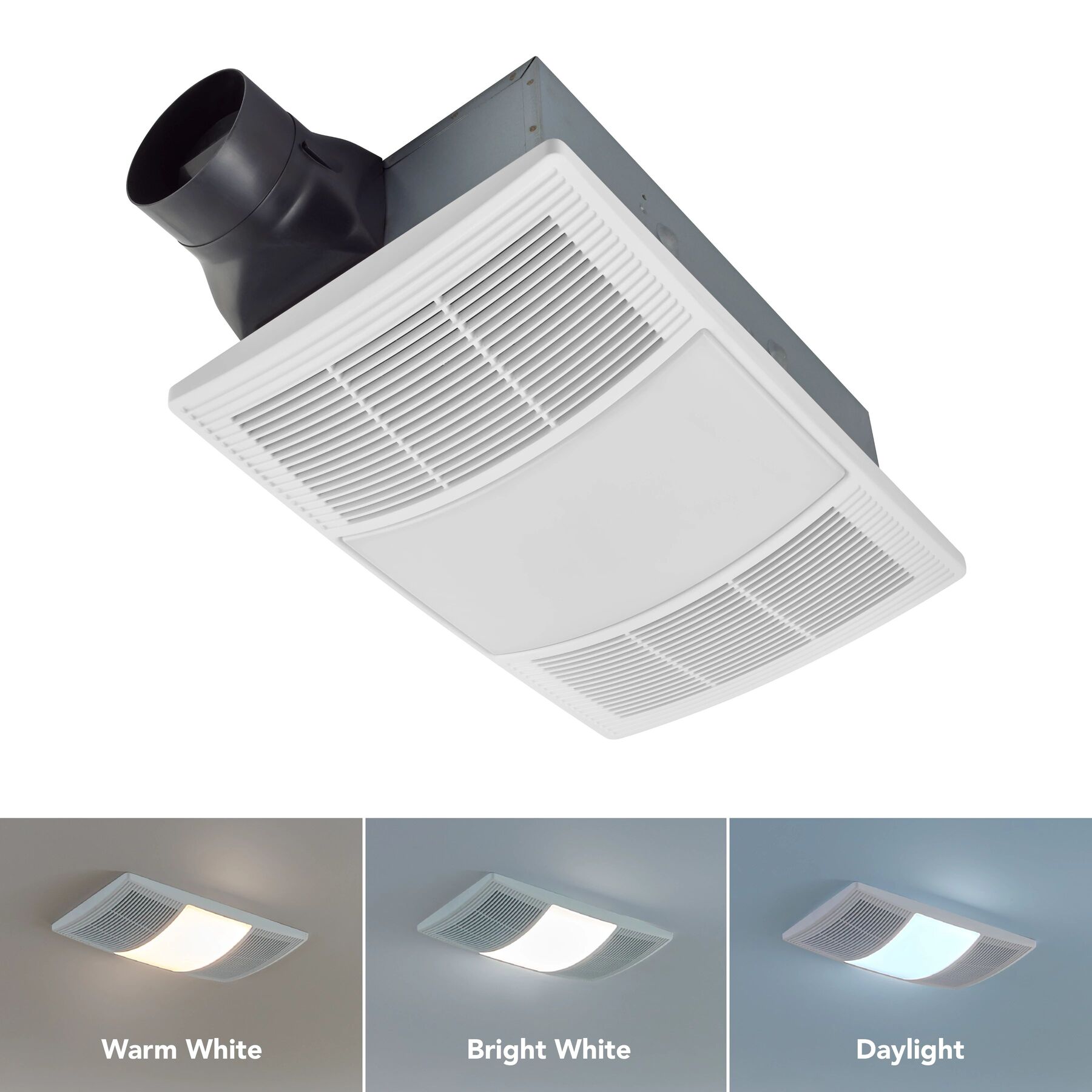
Bathroom fans and lights are often installed together, sometimes controlled by the same switch. The fan removes moisture and odors, while the light provides essential visibility. Both are connected to your home’s electrical system, usually sharing wiring and sometimes even a circuit. If one stops working, there’s a good chance the other will too.
Many homes use a combo unit—a single fixture with both a fan and light. Others have separate units but on the same circuit. Understanding this setup is key because a problem in one part may affect the other. For example, a wiring fault or a blown fuse can disable both at once.
Combo units simplify installation but can make troubleshooting harder. If you have a combo, a failure often means the whole unit needs attention. In homes with separate fixtures, you might find that only one part fails, but if the issue is with the power supply, both will be affected.
Also, many newer bathrooms use smart switches or timers that control fan and light together, which adds another layer to how they work. If your bathroom has a timer switch or a motion sensor, check these too, as they can malfunction and cut power.
Common Reasons Why Bathroom Fan And Lights Are Not Working
When both your bathroom fan and lights fail, it’s rarely random. Several common causes can explain this issue. Recognizing these helps you troubleshoot faster.
Tripped Circuit Breaker
The most frequent cause is a tripped breaker. Electrical circuits have breakers that shut off power if there’s a problem, like an overload or short. If your bathroom’s circuit trips, both fan and lights will go out.
- Check your main electrical panel. Look for a switch that is flipped to the “off” position.
- Reset the breaker by flipping it off and then on.
- If it trips again immediately, there may be a bigger electrical problem.
Sometimes, a breaker trips because of too many devices running at once. For example, plugging in a hair dryer while the fan and light are on can overload the circuit. If this happens often, you might need to reduce the number of devices or upgrade your wiring.
Blown Fuse
Older homes may have fuses instead of breakers. A blown fuse stops electricity from reaching the bathroom.
- Find the fuse box. Look for a fuse that appears burned or broken.
- Replace it with a new one of the same rating.
Fuses are sensitive to sudden surges. If your bathroom is on a circuit with other rooms, a problem elsewhere can blow the fuse and cut power to your bathroom.
Faulty Switch
A broken switch can stop power from reaching both fan and lights, especially if they share the same switch.
- Try toggling the switch several times.
- Test with a voltage tester or multimeter.
- If the switch feels loose or doesn’t click, it may need replacement.
Switches can wear out from frequent use or moisture exposure. If you notice sparks or hear crackling when you flip the switch, replace it immediately to prevent fire risk.
Wiring Issues
Bathroom wiring is exposed to moisture and can deteriorate over time. Loose, corroded, or damaged wires interrupt power.
- Signs include flickering lights or fan, buzzing sounds, or burnt smells.
- Wiring faults may require professional help.
Hidden wiring problems can be caused by pests chewing wires or nails accidentally driven through walls during renovations. If you suspect wiring issues, don’t try to fix them yourself—call an electrician.
Burned-out Bulb Or Fan Motor
Sometimes the issue is simple—a burned-out bulb or fan motor.
- Try replacing the bulb.
- Listen for the fan motor. If silent, it may have failed.
Bulbs may burn out quickly if the fixture has poor ventilation or if the bulb wattage is too high. Fan motors can fail due to dust buildup or worn bearings. Cleaning the fan regularly extends its life.
Gfci Outlet Problems
Many bathrooms have GFCI outlets (Ground Fault Circuit Interrupters). They protect against electrical shock by cutting power when moisture is detected.
- If your bathroom has GFCI outlets, press the “reset” button.
- If power returns, the GFCI was triggered.
GFCI outlets can also trip if there is a ground fault anywhere on the circuit, not just at the outlet itself. If the GFCI trips repeatedly, inspect for hidden leaks or faulty appliances.
Loose Or Disconnected Plug
Some fans and lights are plugged into outlets in the ceiling. A loose plug can cause failure.
- Inspect the fixture for a plug and ensure it’s secure.
When cleaning or replacing bulbs, plugs can accidentally be loosened. Always check connections if you recently worked near the fixture.
Moisture Damage
Bathrooms are humid places. Excess moisture can cause corrosion or short circuits.
- Look for water stains or signs of rust near fixtures.
- Moisture damage often requires professional repair.
Humidity can damage not only wiring but also switches and outlets. Installing a vent fan with a humidity sensor helps keep moisture under control.
Faulty Combo Unit
If you have a fan-light combo unit, a problem in one part can affect both.
- Combo units may have internal wiring or circuit boards that fail.
- Try replacing the bulb first; if the fan still doesn’t work, the unit may need replacement.
Some combo units have a small internal fuse or reset button. Check the manual for your model—sometimes a simple reset restores function.
Age And Wear
Fans and lights last about 10–15 years. Older units are more prone to failure.
- If your bathroom fixtures are older, consider replacing them.
With age, plastic parts crack, motors slow down, and switches stick. If you notice parts falling off or yellowing, it’s time for an upgrade.
Troubleshooting Steps For Bathroom Fan And Lights
Fixing your bathroom fan and lights starts with a careful process. Follow these practical steps to find the problem.
Step 1: Check Power Source
- Confirm if other bathroom outlets work.
- If all outlets are dead, the issue is likely the breaker or fuse.
Testing other outlets helps you narrow down the problem. If only the fan and light are out, it’s more likely a fixture or switch problem.
Step 2: Inspect Circuit Breaker Or Fuse
- Go to the breaker panel and check for any tripped switches.
- In fuse boxes, look for blown fuses.
If your panel is labeled, find the “bathroom” circuit. Some homes have a shared circuit for multiple rooms. If you’re unsure, test each breaker until you find the affected one.
Step 3: Test Switch And Gfci
- Flip the wall switch several times.
- Reset any GFCI outlets.
If the switch feels warm or makes noise, it’s probably faulty. For GFCI, press “test” to see if power cuts off, then “reset” to restore. If the outlet doesn’t reset, it may need replacement.
Step 4: Examine Fixtures
- Remove the cover from the light or fan.
- Check for burned wires, loose connections, or moisture.
- Replace bulbs or test the fan motor.
Use a flashlight to look inside the fixture. If you see black marks or melted plastic, cut power and call an electrician.
Step 5: Try A Different Bulb Or Fan
- Use a new bulb to see if the light works.
- If the fan is silent, listen for humming or movement.
A faint humming noise means the fan motor is trying to run but is stuck. Sometimes, cleaning or lubricating the motor helps, but often replacement is needed.
Step 6: Look For Signs Of Damage
- Smell for burning or see scorch marks.
- Moisture damage is common near ceiling fixtures.
If you find signs of water, check above the ceiling for leaks. Water can run along pipes or beams and end up near fixtures.
Step 7: Call An Electrician
If you find burnt wires, melted switches, or cannot reset the breaker, it’s time to call a professional.
Professional electricians use tools like voltage testers and inspection cameras to find hidden problems quickly. They can also upgrade your bathroom wiring for better safety.
Data Table: Average Lifespan Of Bathroom Fixtures
Here is a comparison of how long different bathroom fixtures usually last.
| Fixture | Average Lifespan | Signs of Failure |
|---|---|---|
| Light Bulb | 1–2 years | Dim, flicker, won’t turn on |
| Fan Motor | 10–15 years | No noise, poor airflow |
| Switch | 10–20 years | Loose, no click, stuck |
| Combo Unit | 10–15 years | Both fan and light fail |
Keep in mind, regular cleaning and proper use can extend fixture lifespan. For example, using LED bulbs instead of old incandescent ones can make your light fixture last longer.
Electrical Safety: What You Need To Know
When dealing with bathroom fan and lights, safety comes first. Bathrooms are wet areas, so electrical faults can be dangerous. Here are key safety tips:
- Always turn off the power at the breaker before touching any wires.
- Use insulated tools and wear rubber-soled shoes.
- If you see water near electrical fixtures, stop and call a professional.
- Test wires with a voltage tester before working.
Never try to repair burnt wires or replace circuit breakers unless you are trained. Electrical fires and shocks are real risks.
Also, never stand on wet floors or touch metal pipes while working on bathroom wiring. Water conducts electricity, increasing the risk. If you must access ceiling fixtures, use a sturdy, dry ladder. Children and pets should be kept away from the area until repairs are complete.
Why Do Both Fan And Light Fail At Once?
If both fan and light stop working, it usually means a shared issue. Most often, they are on the same circuit or switch. Here are the main reasons:
- Circuit breaker trips due to overload or short.
- Faulty switch stops power to both.
- Wiring issue affects the whole fixture.
- Moisture damage disables multiple components.
This is why, if both fail, you should start by checking the breaker, switch, and wiring.
Another reason is the use of smart switches, timers, or remote controls. If the electronic control module fails, it can cut power to both fan and light. Some newer models have built-in safety features that shut off power if moisture or overheating is detected.
Comparison Table: Fan-light Combo Units Vs Separate Fixtures
Choosing between a combo unit and separate fixtures affects maintenance and troubleshooting.
| Feature | Combo Unit | Separate Fixtures |
|---|---|---|
| Installation | Easy, one device | More complex, multiple devices |
| Troubleshooting | Harder, both fail at once | Easier, usually only one fails |
| Replacement Cost | Higher, whole unit | Lower, replace one part |
| Lifespan | 10–15 years | Varies by part |
Combo units save space and simplify wiring, but separate fixtures allow for easier upgrades. If you want to add features like a night light or heater, separate units make this simpler.
Non-obvious Insights Beginners Often Miss
- GFCI outlets control more than outlets. Sometimes, a GFCI outlet in the bathroom also controls the fan and lights. If the GFCI trips, it cuts power to the whole room.
- Moisture travels through the ceiling. Even if you don’t see water in the bathroom, leaks from above (like a pipe or roof) can cause hidden damage to wiring and fixtures.
Many people overlook these points. If your bathroom fan and lights stop working, check the GFCI and look for hidden water damage.
Another insight: If your bathroom is on a shared circuit with another room, a problem in the other room (like a broken outlet or overloaded device) can affect your bathroom. Always check nearby rooms when troubleshooting.
Real-life Example: Solving A Bathroom Power Failure
Let’s look at a practical scenario.
Sarah noticed her bathroom fan and lights stopped working after a storm. She tried replacing the bulb, but nothing happened. She checked her electrical panel and saw a breaker had tripped. After resetting it, the power returned, but failed again within minutes.
She called an electrician, who found moisture had leaked from the attic, causing a short in the wiring. Repairing the leak and rewiring fixed the problem for good.
This example shows how external events (like storms) can cause hidden issues. Always look beyond the obvious.
Sometimes, the solution is simple, like replacing a switch. Other times, you need deep repairs. If your home is old or has had roof leaks, always check for moisture in the attic or walls.
Statistics: Bathroom Electrical Problems
Bathroom electrical failures are common. According to the National Fire Protection Association:
- Electrical issues cause over 15,000 home fires per year in the US.
- Bathrooms are the site of 10% of residential electrical failures.
- Most failures are due to moisture or worn wiring.
These numbers show the importance of regular checks and safe repairs.
A surprising fact: Homeowners often ignore flickering lights and buzzing fans, but these are early signs of trouble. Addressing problems early can prevent fire and damage.
When To Repair And When To Replace
Knowing whether to repair or replace your bathroom fan and lights saves money and trouble.
- Repair if the issue is minor—like a switch, bulb, or fuse.
- Replace if the fan motor, wiring, or combo unit is old or damaged.
If your fixtures are over 10 years old, or you see signs of corrosion, replacement is usually better.
If the same problem happens repeatedly, like the breaker tripping or the fan making strange noises, replacement is more reliable. Upgrading to modern, energy-efficient fixtures reduces future risks and costs.
Data Table: Repair Vs Replacement Costs
Here’s a guide to typical costs for bathroom electrical repairs.
| Problem | Repair Cost | Replacement Cost |
|---|---|---|
| Light Bulb | $2–$5 | $2–$5 |
| Switch | $50–$100 | $75–$150 |
| Fan Motor | $80–$200 | $150–$350 |
| Combo Unit | $100–$250 | $200–$500 |
| Wiring | $150–$300 | $200–$600 |
Costs depend on your location and the complexity of the job. For most electrical repairs, hiring a licensed electrician is safer and often required by law.
Some repairs, like bulb replacement, are cheap and easy. Others, like rewiring, are costly but necessary for safety. Remember, skimping on electrical work can lead to expensive problems later.
Preventing Bathroom Fan And Light Failures
Preventive steps can stop problems before they begin. Here’s what you can do:
- Inspect fixtures yearly. Look for signs of wear, moisture, or loose wires.
- Use bathroom-rated bulbs and fans. These withstand humidity better.
- Clean fan grills and lights. Dust and moisture can build up, causing overheating.
- Check GFCI outlets monthly. Press the “test” and “reset” buttons to ensure they work.
- Fix leaks quickly. Water from pipes or ceilings can damage electrical systems.
Taking these steps reduces the risk of sudden failure and protects your home.
Adding a timer switch or humidity sensor to your fan also helps, as it ensures the fan runs long enough to remove moisture. If you live in a humid climate, consider upgrading to a fan with higher CFM.
Upgrading Bathroom Electrical Fixtures
Modern fixtures offer improved safety, efficiency, and reliability. Consider upgrading if:
- Your bathroom fan is noisy or weak.
- Your lights flicker or dim frequently.
- You want energy-efficient options.
New fans and lights use less energy and last longer. Some even have built-in humidity sensors and LED bulbs, which reduce maintenance.
LED fixtures use up to 80% less energy and last much longer than traditional bulbs. Upgrading to a fan with a timer or motion sensor saves power and improves air quality. If you have a large bathroom, look for fans with higher CFM ratings or dual-speed options.
Choosing The Right Bathroom Fan And Light
If you decide to replace your bathroom fixtures, select products that meet your needs.
- Check CFM rating for fans (cubic feet per minute). Higher CFM means better ventilation.
- Choose LED bulbs for longer life and lower power use.
- Select moisture-resistant fixtures for safety.
- Consider combo units for small bathrooms.
You can find certified products at your local home improvement store or online. Look for units with UL listing and warranty.
For larger bathrooms, consider installing two fans or a fan with a heater. For small spaces, combo units or compact LED lights work well. Always check installation guides and compatibility with your home’s wiring.
Common Mistakes To Avoid
Many homeowners make mistakes when fixing bathroom fan and lights:
- Replacing bulbs without checking the breaker or switch.
- Ignoring flickering or buzzing, which signals wiring issues.
- Using non-bathroom-rated fixtures.
- Forgetting to test GFCI outlets.
Avoid these errors to save time and prevent bigger problems.
Another common mistake is forgetting to check the attic or ceiling space for leaks. Moisture often enters from above, damaging wiring and fixtures without being visible in the bathroom.

When To Call A Professional
Some repairs are safe for homeowners, like changing bulbs or resetting breakers. But call an electrician if:
- You see burnt wires or smell burning.
- The breaker trips repeatedly.
- There is visible water damage.
- You are unsure about wiring.
Licensed professionals have the tools and knowledge to fix electrical issues safely.
If you plan to upgrade your bathroom, a professional can help select fixtures, install wiring, and ensure everything meets code. This prevents future problems and increases your home’s value.
External Resource For Bathroom Electrical Safety
For more in-depth guidance on bathroom electrical safety and troubleshooting, visit the National Fire Protection Association.

Frequently Asked Questions
Why Do My Bathroom Fan And Lights Stop Working Together?
Usually, both are on the same electrical circuit or controlled by the same switch. If the circuit breaker trips, fuse blows, or wiring fails, both will stop working at once.
How Can I Tell If The Problem Is The Switch Or The Breaker?
If other outlets or fixtures in the bathroom also lose power, the issue is likely the breaker. If only the fan and light fail, and other outlets work, it may be the switch.
Is It Safe To Fix Bathroom Wiring Myself?
Simple fixes like replacing bulbs are safe. For wiring repairs, burnt wires, or water damage, always call a licensed electrician. Bathroom wiring is complex and risky.
What If My Gfci Outlet Keeps Tripping?
Frequent GFCI tripping signals moisture problems or faulty wiring. Try resetting it. If it keeps tripping, inspect for leaks or call an electrician.
Can A Bathroom Fan And Light Be On Separate Circuits?
Yes. Some homes have separate circuits for the fan and light. This setup makes troubleshooting easier, but most homes use a combined circuit for simplicity.
Bathroom fan and light failures are common but can be solved with careful troubleshooting and safety. By understanding the causes, taking preventive steps, and knowing when to seek help, you can keep your bathroom comfortable and safe. Remember, electricity and moisture are a dangerous mix, so never hesitate to call a professional if you have doubts.
Regular maintenance and smart upgrades will help you avoid problems and enjoy a reliable bathroom for years to come.